
Mahjong Clubs in Tulsa: Where to Find Games & How to Join
Last updated: Nov 23, 2026
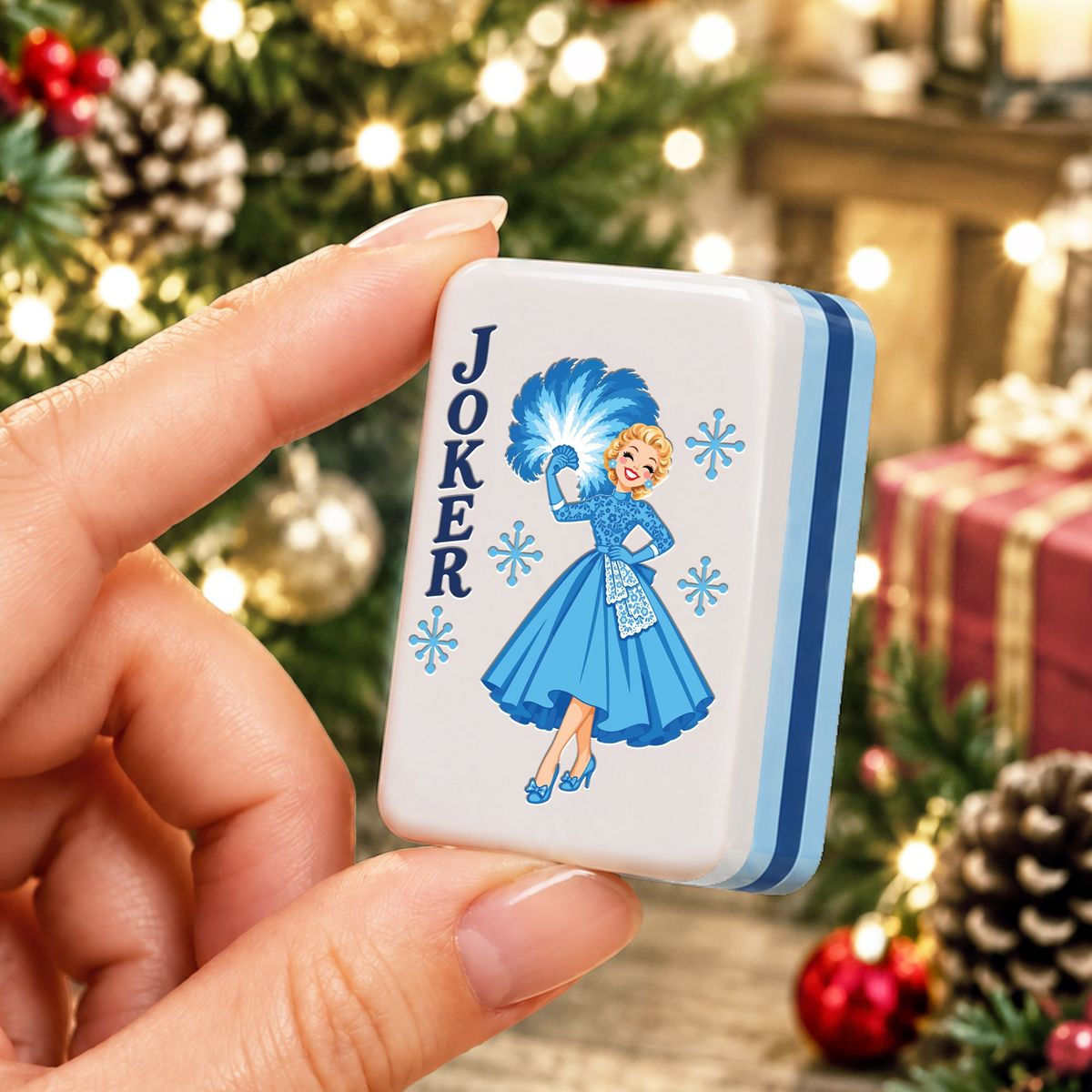
Mahjong clubs in Tulsa meet primarily through community centers, libraries, synagogues, country clubs, and social meetup boards—search "mahjong Tulsa" on Meetup or Facebook Groups, or call your local library's community events line. Most American mahjong clubs meet weekly on weekday evenings or weekend afternoons and welcome newcomers. Players typically bring their own sets (American 152-tile plus 8 joker sets are standard), or clubs provide them; tables are paid-for or membership-based. Before joining, confirm the club plays American mahjong (the National Mah Jongg League card version, not Chinese or Riichi), ask about house rules, and learn how to play American mahjong so you're ready on day one. Most clubs cost nothing or a small pot per game; investment is really in learning and a personal set if you plan to host. 🀄 Shop best-selling mahjong sets →
How do I find an active mahjong club near me in Tulsa?
Start with community spaces: check Tulsa Public Library's calendar for mahjong or game nights, call local community centers (Parks & Recreation usually lists clubs), and search synagogues and country clubs in Tulsa—many host standing weekly games. Online, search "mahjong Tulsa" on Meetup.com, Facebook Groups ("Tulsa Mahjong," "Tulsa Game Nights"), and Nextdoor. Call ahead; experienced players often welcome learners but prefer a heads-up. If no clubs exist nearby, starting one takes just four committed players and a regular venue.

What's the typical schedule and cost for Tulsa mahjong clubs?
Most American mahjong clubs in Tulsa meet once or twice weekly—Thursday evenings and Saturday afternoons are common—for two to three hours. Cost ranges from free (social clubs) to a small buy-in per game (often kept as a prize pool). Annual membership, if charged, is usually modest. Always ask upfront whether the club is drop-in or requires membership, and whether you need to bring your own set. Reliable, long-running clubs often post their schedule on Meetup or a Facebook page; call the venue to confirm.
What do I need to bring to my first game?
Bring yourself, a notebook, and curiosity. The host club almost always provides sets and equipment, though you're welcome to bring your own if you own one. Wear comfortable clothes and plan to sit for 2–3 hours. If you're a complete beginner, arrive 15 minutes early and ask a friendly player to explain the flow; most clubs have at least one patient veteran. Bring cash if there's a small game fee. A key thing many new players miss: the rules and card-reading skill take weeks to solidify, so expect a gentle learning curve and don't feel rushed.
What's the difference between American mahjong and other versions played in Tulsa?
American mahjong is the version played in Tulsa clubs and taught in most US communities. It uses 152 tiles (three suits—Bams, Craks, Dots—plus winds, dragons, flowers, and jokers), requires hands only from the current National Mah Jongg League card (issued each spring), and allows no called sequences (chows). Chinese mahjong, sometimes called "classical," uses a smaller tile set, allows sequences and different scoring, and is less common in Tulsa social clubs but may appear in ethnic cultural groups. Hong Kong and Riichi mahjong are rarer still. Before you join, confirm the club plays American mahjong; ask directly so there's no surprise on game night. Learn the rules fully before your first session—it speeds up your fit and makes the table more fun for everyone.

Should I buy my own mahjong set before joining a club?
Not immediately. Play three or four times with the club's sets first to confirm you love the game. Once you're hooked and want to host home games or feel more invested, a personal set transforms your play: you'll memorize your tile weight and spacing, host friends confidently, and enjoy a ritual that casual borrowers miss. Our best-selling mahjong sets are designed by players for the Tulsa climate and long table nights—they're durable, beautifully engraved, and ship free across the US. If you travel or play at different venues, a travel bag or case is invaluable. But your first buy should happen after you've fallen in love with the game, not before.
How to Prepare for Your First Tulsa Mahjong Club Game
Step | Action | Why It Matters |
1. Research | Search Meetup, Facebook Groups, library calendars | You'll find real meetup times and club culture |
2. Call ahead | Confirm the club is American mahjong, ask when to arrive | Avoids wasting a trip or mismatched rules |
3. Learn basics | Read the National Mah Jongg League card rules online or use a beginner guide | You'll understand hand patterns and flow faster |
4. Arrive early | Show up 10–15 minutes before game time | Gives veterans time to answer questions patiently |
5. Sit & watch first | Your first night, observe one round before playing | Reduces anxiety and helps you absorb the rhythm |
6. Ask a buddy | Find one friendly player to answer questions during play | Makes the learning curve shorter and more social |
🎁 See our most-loved mahjong sets & accessories →
What to Check Before You Buy a Set for Home Play
Tile feel: American mahjong sets use acrylic or bone tiles. Acrylic is durable, lightweight, and standard in most US clubs.
Joker count: A regulation American set has 152 playing tiles plus 8 jokers. Ensure the set you buy matches this.
Case & storage: Sets ship with a storage bag or case—confirm it fits your lifestyle (home play vs. club travel).
Engraving: Personal sets often feature names or initials. Choose one that reflects your game nights and makes you smile.
Rack quality: If the set includes racks with pushers, test the pusher weight and width—they should match your hand size.
✨ Find your Mahstead set — free US shipping →
Once You're Ready: Next Steps for Committed Tulsa Players
After three months of weekly club play, you'll know whether mahjong is a lifelong passion. At that point, consider hosting a home game: invest in a personal American mahjong set, a mat to protect your table, and a set of dice. Hosting deepens friendships and gives you pride of ownership. You'll also discover that learning to read the card quickly, understanding how jokers work in exposed hands, and mastering the Charleston tile-pass ritual are skills that compound—by month six, you'll be teaching newcomers. That's when mahjong becomes a real social anchor, not just a game.

FAQ
How do I find out if Tulsa has a beginner-friendly mahjong club?
Call Tulsa Public Library's events line, check community center listings, and search Facebook Groups for "Tulsa Mahjong" or "Tulsa Game Nights." Ask explicitly: "Is this a club for beginners?" Most active clubs welcome new players but prefer advance notice.
What's the cost of joining a mahjong club in Tulsa?
Most clubs charge nothing, or a small game fee (often under ten dollars per session) that goes into a shared pot or prize pool. Some clubs ask for annual membership; confirm with the host. There's no regional Tulsa fee—prices vary by venue.
Do I need to know how to play before my first game?
No, but reading a beginner guide beforehand (like Mahjong for Beginners) cuts frustration in half. Arrive early and ask a veteran to walk you through one hand. Most players love teaching; just show up humble and ready to listen.
Can I bring my own mahjong set to a Tulsa club, or does the club provide one?
The club almost always provides sets. You're welcome to bring your own if you own one, but it's not expected. Many clubs discourage it on night one because consistency helps you learn faster—use the club's familiar set first, then bring yours once you're confident.
What if there's no mahjong club meeting right now in Tulsa—how do I start one?
You need a venue (library meeting room, community center, or café with table space), a regular time (e.g., Thursday 6 PM), and three or four committed players. Post on Meetup, Facebook Groups, and Nextdoor. Within weeks, you'll have a core group. The investment is minimal—just consistency and word-of-mouth.
Should I buy a mahjong set before I join a Tulsa club?
No. Play with a club's sets first—three or four times—to confirm you love the game. Once hooked, a personal set becomes rewarding: you'll host games, build ritual, and invest in a quality design that lasts decades. That's the right time to buy.


View More
View More
View More
