
Mahjong Clubs in Phoenix: How to Find & Join One in 2026
Last updated: Nov 23, 2026
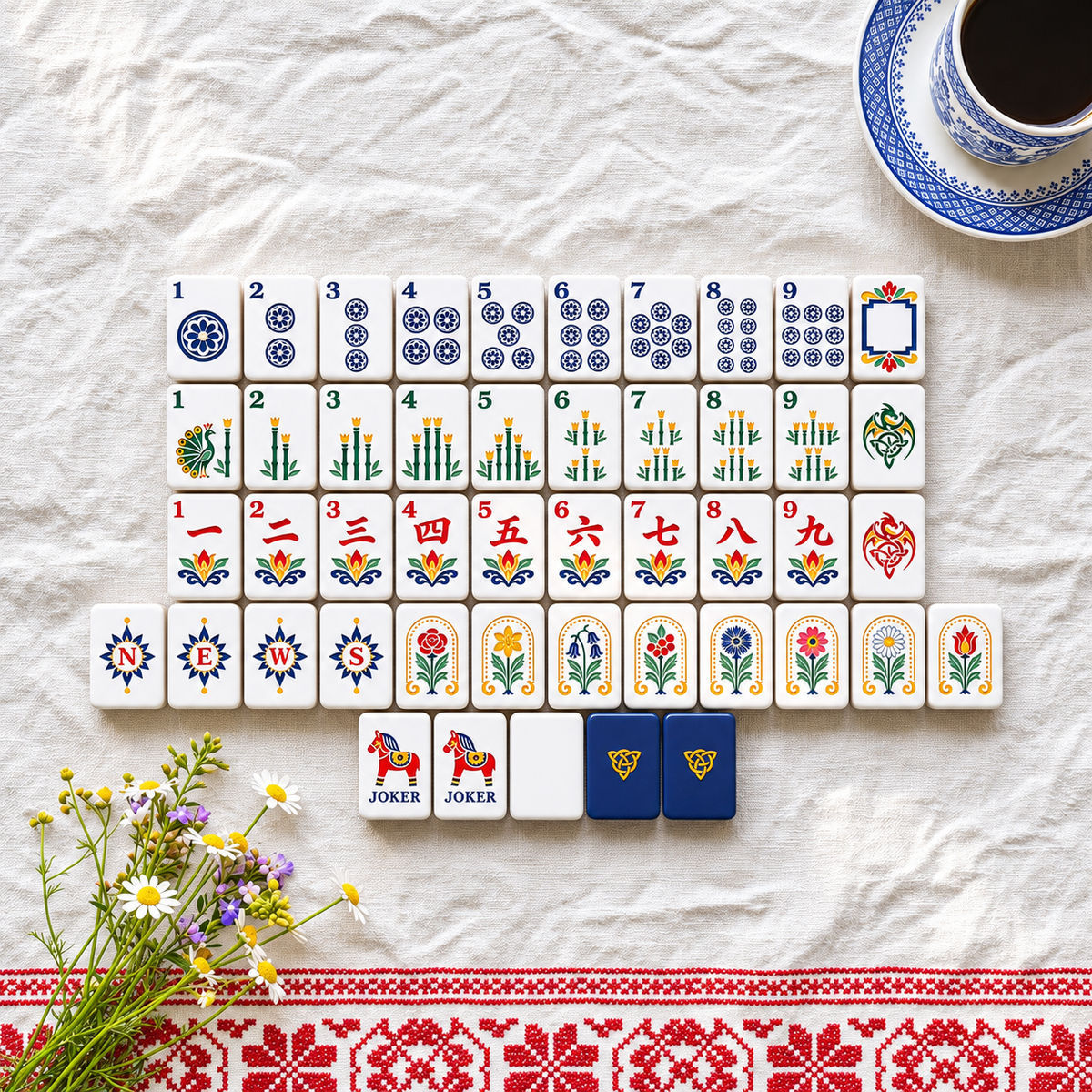
Phoenix's mahjong clubs meet regularly in public spaces and private venues throughout the city and suburbs. Search community centers (check Scottsdale, Phoenix Parks & Recreation, and Tempe Community Services websites), public libraries (Scottsdale Library system often hosts game nights), synagogues with senior programs, country clubs, and neighborhood recreation centers. Many clubs advertise on Meetup, Facebook groups, and Nextdoor. American mahjong is the standard variant here—the game uses 152 tiles (three suits, winds, dragons, flowers, jokers) and hands come only from the current year's National Mah Jongg League card. Most clubs meet weekly for 2–4 hours; cost ranges from free to a small pot contribution. Start by calling community centers or browsing local meetup boards; clubs often welcome beginners and loan sets if you don't own one.
🀄 Shop best-selling mahjong sets →
Where do Phoenix mahjong clubs actually meet?
Community centers in Phoenix, Scottsdale, Tempe, and Mesa are your best bet—they host senior programs, game nights, and recreational leagues year-round. Libraries often run monthly game circles; call ahead or check event calendars. Synagogues with strong senior ministries frequently sponsor Wednesday or Friday afternoon games. Country clubs and private clubs may advertise on their member portals. Meetup.com lists active groups; search "mahjong Phoenix" to see who's recruiting. Facebook groups often post weekly game locations and sometimes accept walk-ins. Nextdoor is underused but occasionally reveals neighborhood games. Start with three phone calls: your nearest community center, a central library branch, and a synagogue or club you know.

What rules and variants do Phoenix clubs play?
Most Phoenix clubs play American mahjong because it's the dominant variant in Arizona and across the Southwest. The game requires understanding how the National Mah Jongg League card works—hands are printed on a new card each spring, and you can only win hands that appear on that card. You do the Charleston (the tile-passing ritual) before each round. American mahjong allows exposed pungs (3 identical tiles), kongs (4 identical), quints (5), and sextets (6), but no sequences or "chows" and no jokers in a single tile or a pair. Some Phoenix groups may play Chinese or Hong Kong mahjong as a second game; always ask when you call—American and Chinese rules differ sharply in scoring, allowed melds, and hand patterns.
How should beginners prepare to join a Phoenix club?
Read the mahjong for beginners guide to learn tile names (Bams, Craks, Dots, winds, dragons) and the basic flow. Download or print the current National Mah Jongg League card and study it for 15 minutes—don't memorize, just get familiar with how hands are organized by pattern type. Bring a notebook to your first game and ask questions; experienced players appreciate eager learners and will explain calls, the Charleston, and card reading on the fly. Wear comfortable clothes and arrive 10 minutes early. If you don't own a set, ask the club leader ahead of time if spares are available. When you're ready to invest, our best-selling mahjong sets come with clear acrylic tiles and include a rack with pushers, so you'll feel prepared at any table.
🎁 See our most-loved mahjong sets & accessories →

What equipment do you need to start?
A standard 160-tile American mahjong set (152 playing tiles plus spares) is all you absolutely need. Many Phoenix clubs provide dice, a mat, and racks, so check first. If you buy your own set, you'll want a sturdy carrying case for transport between club and home—this keeps tiles safe and makes setup faster at the table. A mat or table cover protects the playing surface and keeps tiles from sliding. A rack with pushers helps organize your tiles so other players can't see your hand, and pushers let you claim tiles smoothly during the game. If you attend weekly, a dedicated set at home speeds up learning—you can practice tile recognition on your own time.
Equipment | Why Phoenix players need it | Where to start |
160-tile set | Plays the full 152 tiles + spares | |
Mat | Protects table, defines play area | |
Racks with pushers | Hides your hand, speeds up play | |
Carrying case | Safe transport between venues | |
League card (current year) | Required to play American mahjong | Available from club or National League |
How do you avoid common first-timer mistakes in Phoenix clubs?
Don't show up without knowing what a pung is—a pung is three identical tiles (like three 5 Dots), never three different numbers in a row. Never add jokers to a single tile or a pair (this is a rule violation). Don't assume you need to memorize the whole card before your first game; cards are complex and players use them during play. Don't be shy about asking "can I call that?" or "is that hand on the card?"—good clubs love questions. Never assume the club plays the same variant or scoring system as the one you read about online; always confirm the rules at the start. Don't rush through the Charleston without watching others first; it's a four-pass tile exchange and the rhythm matters. Many beginners freeze when it's their turn to claim a tile—practice saying "I take" or "pass" confidently. If a club feels cliquey or dismissive of questions, it's not the right fit; Phoenix has enough active groups that you can find a welcoming one.
✨ Find your Mahstead set — free US shipping →
What to check before you buy your first set
Before purchasing a set, confirm with your club that you're buying the right size (160-tile sets play all American hands). Check whether tiles are acrylic or bone—acrylic sets from our best-selling collection are durable, easy to clean, and ship safely. Read the tile markings closely; in American mahjong, clear suit symbols and numbers are essential because you'll be reading tiles across a crowded table. If you play weekly, invest in a mahjong mat to protect the table and stabilize tiles. Confirm the set includes a rack with pushers—this is standard but verify. Ask whether you need a carrying case based on your club's location and how often you'll travel. Consider whether you want plain tiles or engraved sets with titles that make a set feel personal after you've played a while.

FAQ
How do I find out if a Phoenix mahjong club meets this week?
Call the community center or library directly, check their website event calendar, or search Facebook groups and Meetup for "Phoenix mahjong." Many clubs post schedules in online group chats or on Nextdoor. Aim to confirm 2–3 days ahead.
Can I join a Phoenix club if I've never played before?
Yes. Most Phoenix clubs actively recruit beginners and will teach you during play. Bring a pen and paper, ask questions, and practice tile names beforehand. Experienced players expect to coach newcomers.
Do I need to buy my own mahjong set to join a club?
No. Many clubs loan spare sets or have a communal set for beginners. However, owning your own set helps you learn tile recognition faster and shows commitment. A 160-tile set is the standard for American mahjong.
What's the difference between American mahjong and Chinese mahjong in Phoenix clubs?
American mahjong uses only hands printed on the yearly National League card; Chinese mahjong has scoring rules and hand patterns you memorize. American allows no sequences (chows), only groups of identical tiles or groups from the card. Most Phoenix clubs play American, but always ask.
How much does it cost to join a Phoenix mahjong club?
Most clubs are free or ask a small weekly contribution (typically a few dollars for refreshments or table rental). Some require annual membership. Always ask the coordinator about costs and payment when you call.
How often do Phoenix clubs meet and for how long?
Most meet once weekly for 2–4 hours, typically on mornings or afternoons. Some meet twice weekly. Ask your club for their exact schedule and whether you can drop in or need to reserve a spot.
Is it better to buy a set before or after I join a club?
Join first and borrow a club set for one or two sessions. This tells you whether you love the game and whether your club has a preference (some players prefer bone, others acrylic; some want specific tile sizes). Then buy with confidence.


View More
View More
View More
