
Mahjong Open Play in Columbus: Where & How to Join
Last updated: Nov 23, 2026
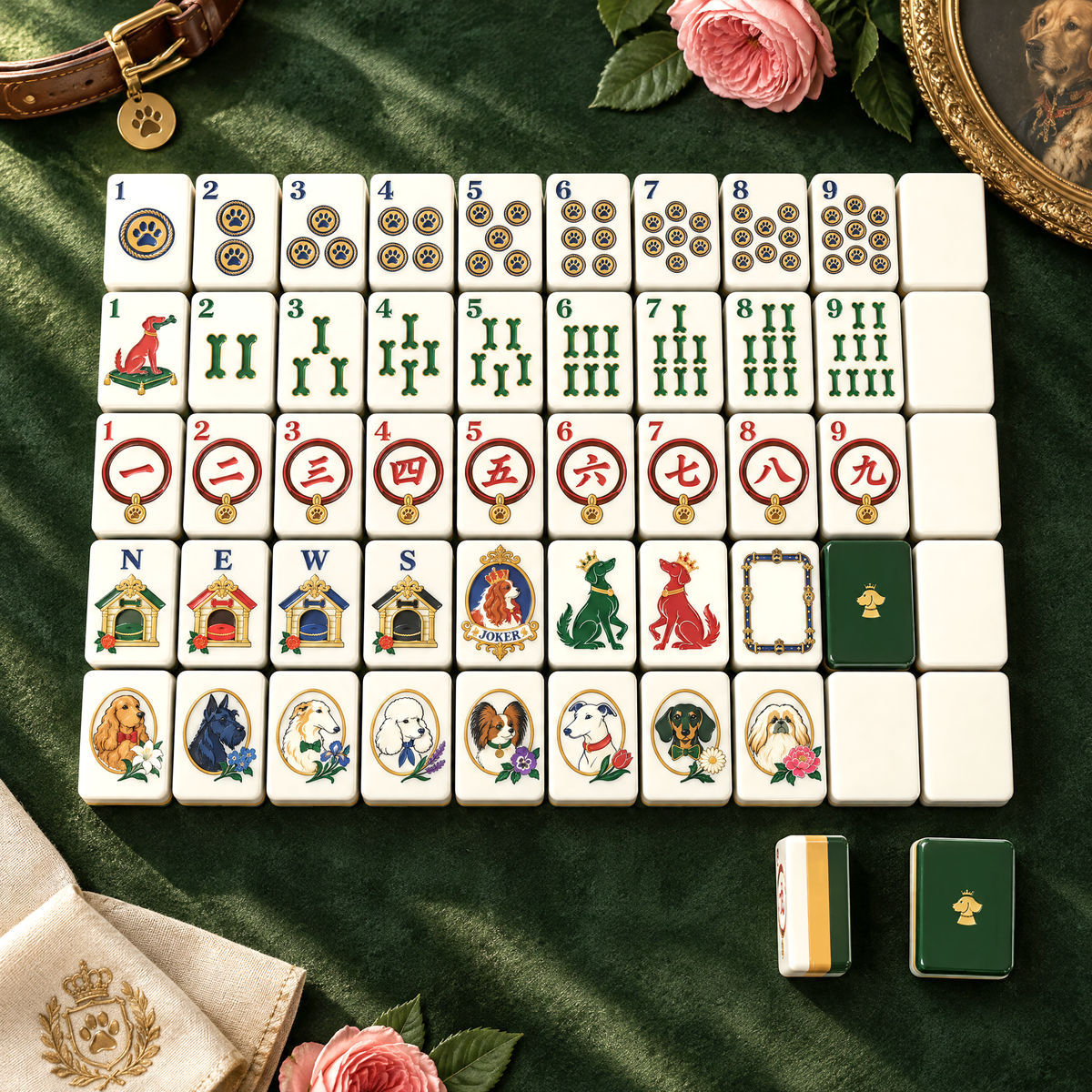
Open-play mahjong in Columbus happens year-round at community centers, libraries, synagogues, country clubs, and private homes—usually weekly or twice monthly. Most groups play American mahjong (the tile-passing, hand-per-season variant), though some host Chinese or other variants. Sessions typically run 2–4 hours. Beginners are welcome at many tables; call ahead or check bulletin boards. You'll need a 160-tile set, a mat, racks with pushers, and the current year's NMJL hand card—or ask the host to provide one. Start by contacting your local library, community center, or searching online meetup boards and mahjong club directories for Columbus-area groups.
Where do Columbus players meet for open mahjong?
Columbus mahjong happens in five main venue types. Public libraries often host noon or evening sessions (check the events calendar or call the reference desk). Community recreation centers post games on bulletin boards or websites. Synagogues and Jewish community centers frequently sponsor Wednesday or Thursday games. Country clubs and social clubs sometimes allow guest players at their mahjong tables. Finally, players organize open homes or rent private spaces listed on meetup boards or local Facebook groups. Visit your nearest library first—they're the easiest entry point and staff will point you to active groups.

What's the difference between open play and league tournaments?
Open play is casual, no rankings or official scoring—just friends around a table following the current NMJL season's hand card. League tournaments are competitive, ranked, part of the official National Mah Jongg League season, and require membership and registration fees. Open play costs nothing or a small table fee (ask beforehand). Most Columbus newcomers start with open play to learn without pressure, then join league tournaments later. If you're new, ask the host which type the game is before you arrive.
How do I find the specific game times and locations?
Use these steps to locate open-play groups near you:
Call your library's programming department and ask if they host mahjong; if not, they can refer you to a community center or local club.
Search online meetup boards and Facebook groups for "mahjong + Columbus" and "Columbus mahjong open play."
Contact local synagogues directly; their membership office knows if they host games and may invite guests.
Ask at your country club, senior center, or neighborhood association if anyone runs a mahjong table.
Attend a public library game as a guest first; regular players can point you to other sessions.
Most games are held on the same day and time every week, so once you find one, you'll have a regular spot to return to.

What equipment do I need to bring or have at home?
You'll need four core items. First, a 160-tile American mahjong set with all suits, winds, dragons, flowers, and jokers—ask the host if they'll lend one or if you must bring your own (many groups have spare sets). Second, a mahjong mat to define the play space and organize your hand—crucial for keeping tiles visible and preventing mix-ups. Third, racks with pushers so each player can hold and display tiles upright without showing them to others. Fourth, the current year's National Mah Jongg League hand card—the official list of valid hands for that season; hosts usually provide this, but bring your own copy to be safe. If you're hosting games at home, invest in quality equipment so tiles wear evenly and games run smoothly. Our best-selling mahjong sets pair perfectly with mahjong mats and racks with pushers for a complete beginner-friendly table setup.
🀄 Shop best-selling mahjong sets →
Common beginner mistakes to avoid at your first open-play session
New Columbus players often stumble in the same ways. Mistake 1: Not learning the Charleston first. The tile-pass before play is part of American mahjong; if you don't know how it works, ask the host to walk you through it once. Mistake 2: Calling hands from last year's card. Each spring, the NMJL releases a new card; hands are different every season. Ask which year's card the group uses and bring that one. Mistake 3: Exposing jokers incorrectly. Jokers can only fill blanks in exposed groups (pungs, kongs, etc.), never stand alone as a pair or single tile—a common error that stops play. Mistake 4: Arriving without a mat or racks. It's possible but awkward; most hosts expect players to help set up. Bring your own if you can. Mistake 5: Not knowing when you can call a tile. You can only call a discarded tile if it completes your hand; calling for any other reason stops play and confuses the table. Watch one round silently before playing if you're unsure.
Here's a quick reference for what separates American mahjong from other variants:
Rule | American Mahjong | Why It Matters |
Hands come from | Current year's NMJL card only | Each spring the card changes; old hands are invalid |
Suit names | Bam, Crak, Dot (not Stick, Circle, Character) | Ensures no confusion across clubs and tournaments |
Exposed groups allowed | Pung, Kong, Quint, Sextet only—no chows | Different strategy and rhythm from Chinese mahjong |
Joker use | Fill blanks in groups only, never pair or single | Prevents ambiguous or invalid hands |
Tiles per game | Always 152 tiles + 8 jokers, never added to | Keeps the draw and wall consistent |
Charleston | Tile-passing ritual before each game, mandatory | Unique to American mahjong; sets the tone |
If you're playing Chinese or another variant at a Columbus venue, the rules differ significantly—confirm with the host which rule set applies.
🎁 See our most-loved mahjong sets & accessories →
What should I check before I buy my first set?
Before purchasing your own equipment, verify these points with the host or another regular player:
What tile size do players prefer? Standard acrylic or mini tiles fit different hands and tables; ask what the group uses.
Does the set include jokers and flowers? A 160-tile set has all of them; confirm the host's group needs them (American mahjong always does).
Are engraved or custom sets welcome? Some groups prefer plain tiles for speed; others enjoy personalized designs. Check the vibe.
Does the host have extra sets available? If so, you don't need to buy immediately; borrow for your first few games, then decide.
What mat and rack combo does the group use? Mixing brands rarely causes problems, but consistency helps newer players learn faster.
Once you've attended 2–3 sessions, you'll know exactly what your group needs. At that point, invest in quality: a durable set, a non-slip mat, and solid racks will outlast years of weekly play. For mahjong for beginners, we recommend starting with a complete set that includes everything so you're ready to play the moment you arrive.
✨ Find your Mahstead set — free US shipping →

FAQ
Can I play open mahjong in Columbus without joining a league?
Yes. Open play is free or costs a small table fee (ask the host). No membership, ranking, or official registration needed—just show up, learn, and play.
What if I don't own a mahjong set yet?
Most open-play groups have extra sets at the table. Call the host in advance and ask to borrow one; you can buy your own after a few sessions once you know what you like.
Are Columbus open-play games beginner-friendly?
Many are. Libraries and community centers usually welcome newcomers and teach basics. Check when you call; some advanced-only groups are less forgiving, so ask the host directly.
Do I need to learn Chinese mahjong rules first?
No. American mahjong is different—hand-based, not sequence-based. If you've played Chinese mahjong, you'll recognize the tiles but need to relearn strategy and calling rules.
How often should I play to get good?
Weekly play for 4–6 weeks helps you internalize the hand card and tile recognition. Most Columbus players game once or twice weekly and improve steadily over a season.
Can I bring my own mahjong set to a group game?
Yes, but call first to confirm the group's tile size and style match theirs. Mixing sets from different makers usually works, but consistency speeds up play.


View More
View More
View More
