
Mahjong Tournaments in Tulsa: How to Find & Join Local Play
Last updated: Nov 23, 2026
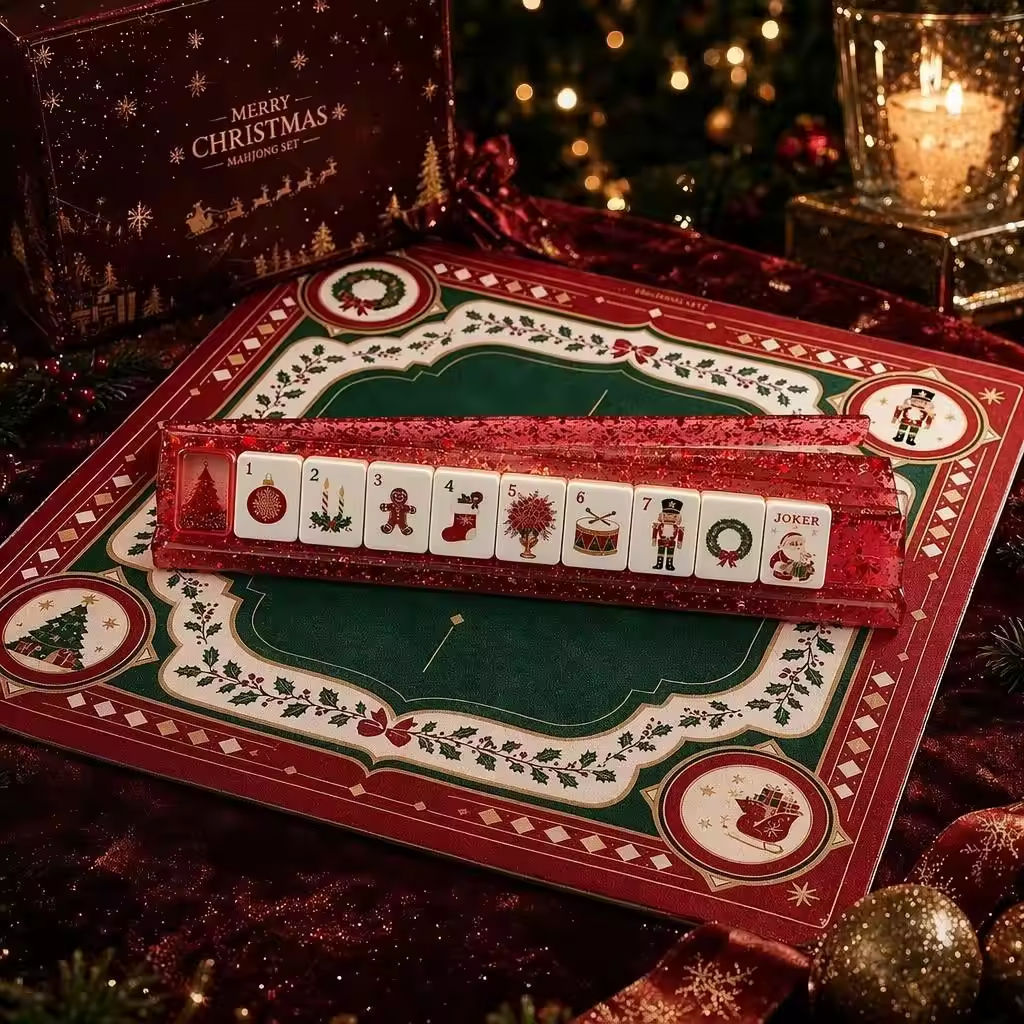
Tulsa's mahjong tournament scene centers on community centers, synagogues, country clubs, and informal meetup groups scattered across the metro. The National Mah Jongg League sanctions official tournaments each season (typically fall through spring); check the NMJL website for certified tournaments in Oklahoma or nearby states. Most local play happens in casual weekly games at social venues—find these by asking at libraries, senior centers, and online meetup boards. American mahjong tournaments use the current year's League card exclusively, require exactly 152 tiles per set, and follow standardized scoring. Expect to pay a modest entry fee for sanctioned events; casual home games vary. Before your first tournament, confirm the rule variant (American vs. Chinese), bring a current card, and invest in equipment that keeps you organized—a clear mat, solid tiles, and a racks-with-pushers setup show respect for the game and sharpen your play. 🀄 Shop best-selling mahjong sets →
Where do Tulsa mahjong tournaments actually happen?
Sanctioned tournaments are listed on the National Mah Jongg League's website under Oklahoma events. Most occur in fall and winter at community centers, synagogues with active social programs, and country clubs that host bridge or game groups. Casual weekly games—often the main draw for regular players—live in church fellowship halls, library meeting rooms, senior centers, and private homes. Search local meetup apps, ask at libraries' community bulletin boards, or call ahead to synagogues and senior centers; staff usually know the active players. Tulsa's temperate fall makes outdoor recreational centers particularly active. Start by visiting your nearest public library—librarians consistently know which community groups gather locally and can connect you with a steady game.

What rule variants do Tulsa players use—and does it matter?
American mahjong (played with the National League card, 152 tiles, no chows, joker-heavy strategies) dominates Tulsa's tournament scene. Some casual groups experiment with Chinese variants (sequences allowed, no card, smaller tiles), but tournaments are always American. The variant matters enormously: American teaches you hand recognition, card reading, and joker positioning; Chinese is faster, looser, and rewards spatial memory. Before your first game, confirm the house rule—ask the organizer directly. If you've only played Chinese, spend 2–3 casual games learning the American card and the Charleston tile-passing ritual. Most Tulsa groups are patient with newcomers, but showing you've done homework earns instant respect.
🎁 See our most-loved mahjong sets & accessories →
How do you prepare your skills before entering a tournament?
Skill | How to Practice | Timeline | Why It Matters |
Card recognition | Play weekly casual games; study the current year's card at home | 4–6 weeks | You'll spot winning hands faster than opponents. |
Join a regular game; watch older players; ask for feedback on your exposed sets | 8–10 weeks | Jokers are currency in American mahjong—misplacing them costs games. | |
Tile management | Use racks with pushers to organize your hand; practice keeping tiles hidden | 2–3 weeks | Sloppy hand visibility tips your strategy to opponents. |
Charleston (passing ritual) | Ask the dealer to walk you through slowly before your first game | 1 week | Getting it right on the first try avoids table frustration. |
Scoring logic | Study the League card's point values; score a few test hands | 3–4 weeks | You can't win a game you can't score accurately. |
Start playing weekly, not daily—mahjong sharpens at your own pace. Casual games with experienced players teach more than solo study. Most Tulsa groups have a "regular" who welcomes newcomers; ask them to mentor you through three games, then play alongside them for another month. A single strong mentor beats generic advice.
What gear should you bring to a tournament?
Show up with four things: (1) a current National Mah Jongg League card (issued every spring; confirm the year with the organizer); (2) a clear, smooth mat that protects tiles and gives you room to organize your hand; (3) a full American mahjong set (152 tiles + 8 jokers—confirm this before arrival); and (4) a tile rack with pushers if the venue doesn't provide them. Tulsa tournament venues usually provide mats and racks, but bringing your own signals you're serious and ensures comfort with familiar equipment. Worn or stained tiles cause table disputes; if your set looks shabby, replace it before a sanctioned event. Personal sets also protect against borrowed-set anxiety—you know your tiles' feel and weight. Pack everything in a durable bag or case; travel protection prevents chipped corners and loose jokers, both of which mark you as inexperienced.
✨ Find your Mahstead set — free US shipping →

What mistakes do first-time tournament players make—and how to dodge them?
Mistake 1: Playing a hand you don't fully recognize. Beginners rush and declare a win that doesn't match the card. Double-check every hand against the card before announcing. Experienced players wait—speed is not an advantage in a tournament.
Mistake 2: Joker chaos. Jokers can never fill a single tile or a pair; they work only in exposed sets (pungs, kongs, quints, sextets). Misplacing them signals inexperience and costs you the hand. Study how jokers work in American play before you sit down.
Mistake 3: Sloppy Charleston. The tile-passing pre-game ritual is formal—pass the exact number requested, never peek at what you receive until the ritual ends, and follow the dealer's lead. Confusion here frustrates the table and marks you as unprepared.
Mistake 4: Bringing a worn or incomplete set. A chipped tile or a missing joker raises questions about your respect for the game. Check your set at home before the event; if tiles are yellowing or cracked, it's time for a replacement.
Mistake 5: Not knowing the scoring system. American mahjong scoring follows the League card's point values. Spend an hour at home learning the major hand types (like Limit hands, Quint hands, and Pairs categories). You don't need to memorize every hand—just understand the categories so you can reference the card quickly during play.
What should you check before you buy gear?
Tile clarity: Can you read the suit symbols (Bams, Craks, Dots) and winds clearly from arm's length? Fuzzy tiles cause miscalls.
Tile weight and feel: Hold a test set if possible. American sets vary in heft; heavier tiles feel more stable on the mat.
Mat texture: A smooth, slightly grippy surface keeps tiles from sliding. Slippery mats frustrate everyone.
Rack fit: Test racks with pushers work if they're sized for standard American tiles; misfit racks jam and slow the game.
Set completeness: Count 152 tiles + 8 jokers before leaving the store or receiving your order. Missing tiles mean disqualification in tournaments.
Case or bag durability: Corners should be reinforced; zippers should glide. A bag protects your investment through years of play.
What does a typical Tulsa tournament day look like?
Sanctioned tournaments typically run Saturday or Sunday mornings. Arrive 15 minutes early to register, get your table assignment, and meet your opponents. Games are timed (usually 1–1.5 hours per round); most tournaments have 2–4 rounds depending on entry numbers. Lunch break or a short rest happens between rounds. Scoring is tallied after each round, and final rankings are posted after the last game. Expect casual conversation, occasional rule debates (resolved by the director), and a mix of serious and fun energy. Tulsa's vibe tends toward welcoming—winners often share tips with newcomers.
Why does equipment quality matter in competitive play?
Poor-quality tiles distract you and slow the table. Cracked tiles jam racks; unclear suit markings cause miscalls; tiles that slide on a cheap mat make hand organization chaotic. You lose competitive mental space to equipment frustration. Professional players bring the same gear to every game—muscle memory with familiar tiles and racks cuts your decision time by seconds per round, and seconds compound into wins. A well-organized personal set from a trusted maker also signals respect to opponents and organizers, opening doors to higher-stakes games and repeat invitations. Quality gear isn't snobbery—it's competitive respect.

FAQ
Do I need to join the National Mah Jongg League to play in a Tulsa tournament?
No. You can play in casual tournaments and home games without League membership. Sanctioned NMJL tournaments require you to register at the event, but not pre-membership. Many players join later if they plan to compete regularly; League membership primarily tracks your rating and history.
What's the difference between American and Chinese mahjong, and which should I learn first?
American mahjong uses a card, 152 tiles, no sequences (chows), and heavy joker strategy; it's rule-driven and slower. Chinese mahjong allows sequences, uses fewer tiles, and moves faster. Both are played in Tulsa. Start with American if you're joining a sanctioned tournament; it's more forgiving for learners because the card guides you.
How much does it cost to enter a Tulsa tournament?
Sanctioned NMJL tournaments typically charge a modest entry fee per player (ask the organizer for the current cost at the specific event). Casual weekly games in homes or clubs are usually free or involve minimal stakes. Call ahead to confirm; fees vary by venue and organizer.
If I'm a beginner, will experienced players be patient with me?
Most Tulsa groups prioritize inclusion. Experienced players expect occasional questions and slower play from newcomers. Arrive early, ask for help respectfully, and watch a round before jumping in. Bad manners (rushing others, arguing scores) will get you corrected; honest questions are always welcome.
What should I do if I disagree with a scoring call during a tournament?
Raise your hand and ask the tournament director or a designated judge to review the hand against the current year's card. Don't argue at the table. The director's call is final. Most disagreements are honest misreads of the card, not cheating.
Can I play tournament mahjong with a set I've had for years, even if the tiles are worn?
Yes, if every tile is readable and intact. Chipped, faded, or missing tiles are grounds for objection from other players or the director. If your old set is sentimental, keep it for home games and buy a new one for tournaments—worn tiles invite disputes and mark you as unprepared.


View More
View More
View More
