
Mahjong Clubs in Madison: Where to Play & How to Start
Last updated: Nov 23, 2026
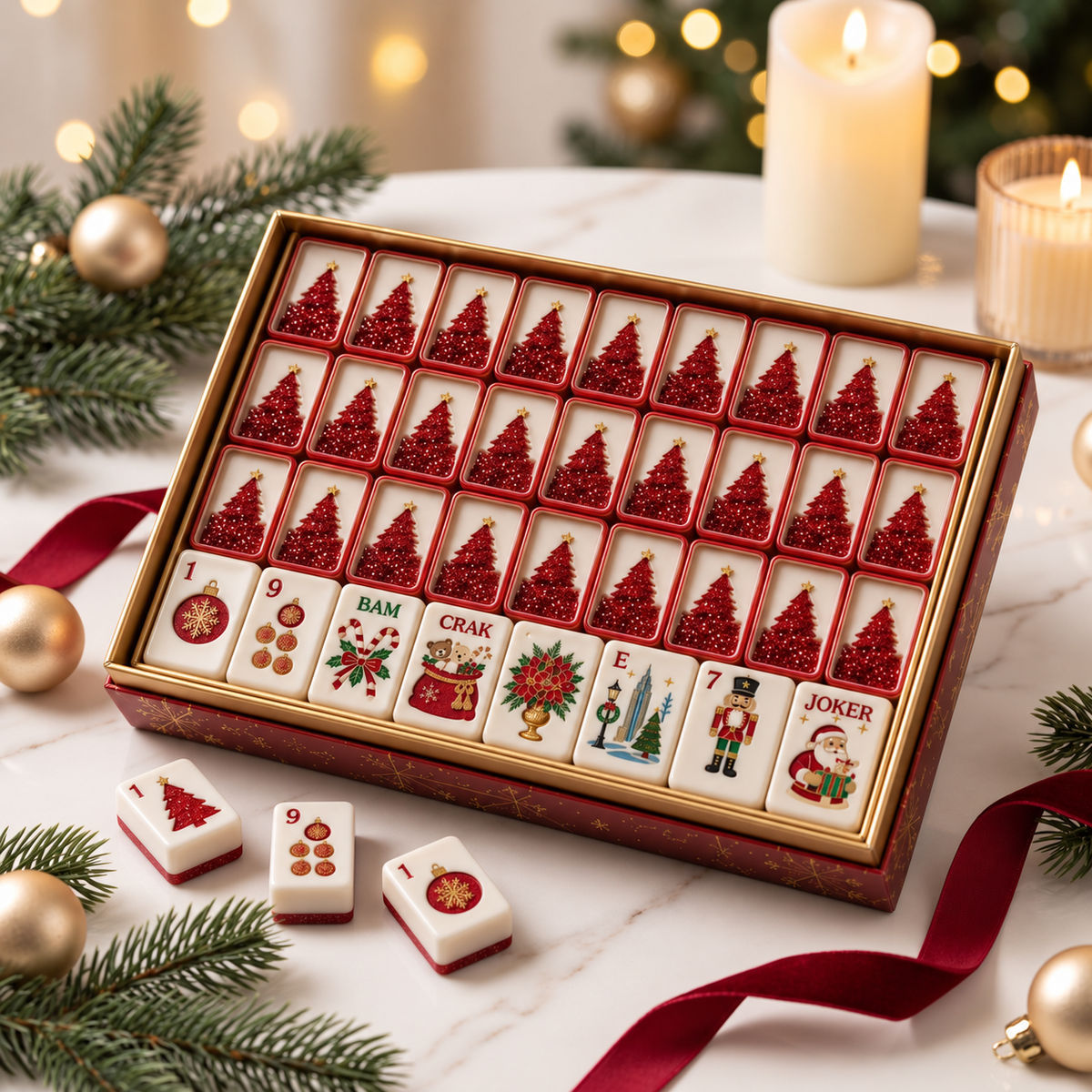
Madison hosts mahjong players across libraries, community centers, and private clubs—most welcoming to beginners. The Dane County Library system and several Parks & Recreation facilities host weekly or monthly games; check their activity calendars or call ahead. Country clubs and synagogues sometimes run games, especially during winter. Local meetup boards and Facebook groups for Madison game enthusiasts often list mahjong events. Games typically run 2–4 hours and cost nothing to minimal per session. Before joining, learn the basics of American mahjong—players assume you know tile names, the Charleston, and how to read the current year's League card. Bring a 160-tile American set if asked, or ask what the group supplies. Mahstead ships complete sets nationwide with free US delivery, so you can start practicing before your first game.
Where do Madison players actually meet?
Public libraries in Madison's Dane County system—especially the main branch and Goodman Community Center branch—host mahjong sessions, often Thursday or Saturday afternoons. Parks & Recreation runs seasonal game nights; check their website for "mahjong" or call the main office. Several private clubs operate by membership; search "mahjong club near me" or ask at local country clubs. Synagogues and senior centers frequently host games. Online: Madison-area Meetup, Facebook game groups, and Nextdoor neighborhood boards post weekly games. Start by visiting the library or calling Parks & Rec; regulars will point you to the next open table.

What do I need to bring to my first game?
Most established groups own tables and provide sets; confirm with the organizer beforehand. If you must bring your own, arrive with a complete 160-tile American set (152 playing tiles + 8 jokers), a mat to protect the table, racks with pushers for easier tile handling, and a scoresheet. Wear comfortable clothes—games last 2–4 hours and you'll be sitting. Bring snacks only if the group invites potluck. Check the how to play American mahjong guide so you understand the Charleston, calling rules, and joker placement before you arrive—experienced players won't teach rules mid-game.
🀄 Shop best-selling mahjong sets →
Do I need to know how to play before I join?
Yes—most clubs expect you to know the fundamentals. Players will not pause to teach you tile names, hand patterns, or the Charleston during live games. Before showing up, spend 2–3 evenings learning: study the current-year National Mah Jongg League card (available free online from the NMJL), understand how jokers work in American mahjong, and practice reading simple hands. Many Madison groups run beginner-only sessions monthly—ask if one exists before joining a competitive table. Start with low-stakes games (no money) to build confidence. Reading the League card and knowing the Charleston are non-negotiable; everything else comes with table time.
What's the cost to join a Madison club?
Most public library and Parks & Rec games are free. Private clubs charge membership (typically annual) plus per-session fees or None; ask directly. Home games among friends usually cost nothing or a small buy-in (usually a few dollars, split as winnings—check house rules). Tournament play (if offered) may charge entry. No club should require expensive upfront purchases; if it does, find another group. Budget for a quality set only if you plan to host or play regularly—borrowing from the host or group is normal your first few games.
How do I stay connected and find new games?
Join Madison's game-interest Facebook groups and Nextdoor neighborhood boards; post "Looking for mahjong players" and you'll get replies within days. Ask the organizer of your first game for their group chat or email list. Some clubs use WhatsApp or Telegram to alert members of last-minute cancellations or extra games. Attend the same time weekly so regulars recognize you—consistency builds trust and you'll be invited to sideline games and home sessions. Volunteer to host once you're comfortable: a home game with a quality mat and racks attracts serious players and cements your place in the community.

Key Differences: Playing Styles in Madison
Not all mahjong is American-rules; confirm before you sit down.
Game Type | Common in Madison | Tiles Used | Why It Matters |
American | Yes, most clubs | 152 tiles (160-tile set) | Uses the official League card; no sequences (chows) allowed |
Chinese Classical | Occasionally, private groups | 144 tiles | Allows sequences; jokers not used; very different hand patterns |
Riichi (Japanese) | Rare; specialty games | 136 tiles | Tiles discarded openly; heavy scoring system; skill-based |
American mahjong dominates Madison public games. If a group mentions "Chinese" or "Riichi," confirm the rules and tile count before committing—you may need a different set or rule sheet.
🎁 See our most-loved mahjong sets & accessories →
What to Check Before You Buy or Borrow a Set
152 playing tiles + 8 jokers: American sets are always 160-tile (with spares). Do not buy a 144-tile set unless playing Chinese mahjong.
Tile size: Standard American tiles are roughly 1.5 inches wide. Oversized (2+ inches) slow play for older hands; undersized (under 1 inch) frustrate most players.
Material: Acrylic tiles last decades; plastic can warp or crack with heat or moisture. Check the set before your first game.
Legible faces: Tiles must be clearly marked (Bams, Craks, Dots, winds, dragons, flowers). Faded or poorly printed tiles cause confusion mid-game.
Complete set: Missing even one tile ruins a game. Count before you leave the store or borrow.
A complete best-selling set from Mahstead arrives ready to play, with all 160 tiles verified and free US shipping included.
Getting Started: Your First Week
Day 1–2: Learn the tile names, the Charleston exchange, and how to read one simple hand from the League card (search "NMJL 2026" for the free current card).
Day 3–4: Play 2–3 solo practice hands using a free online simulator or a loaned set at a friend's home.
Day 5: Attend a beginner session or ask a host if you can kibitz (watch) the first round without playing; ask questions between hands.
Day 6–7: Play your first real game. Bring snacks, stay calm, and ask for clarification on any rule. Mistakes are normal; tables are forgiving.
By week two, you'll recognize tiles instantly and understand pung/kong calls. The strategy and speed come naturally over months.
✨ Find your Mahstead set — free US shipping →
Why Own Your Own Set
Borrowing works for your first 3–4 games. Once you commit to a club, owning a set marks you as a regular and lets you host—a huge social advantage. You'll practice more, build speed, and enjoy the game deeper. A quality engraved mahjong set becomes a conversation piece and gift for friends interested in joining. Investing in a set also means you can practice the Charleston and hand-reading at home on your own schedule, not waiting for a game night.

FAQ
Can I play mahjong online in Madison instead of in person?
Yes—online platforms host American mahjong games 24/7, but nothing replaces the social and tactile experience of a live table. In-person games build community and let you read other players' habits. Start in-person; online is a backup when the club is dark or travel prevents attendance.
What if I'm a complete beginner—will a Madison club laugh at me?
No. Every experienced player started at zero. Clubs expect you to know tile names and the Charleston beforehand, but not to understand strategy or speed. Arrive humble, listen more than you speak your first night, and ask for a low-stakes table. Regulars respect effort and honesty; they will not mock a sincere beginner.
Do Madison mahjong clubs involve gambling or money?
Some home games and tournaments include small stakes (a few dollars); most library and Parks & Rec games are free. Ask the organizer upfront. Never feel pressured to play for money. Casual, no-stakes games are equally fun and welcoming for newcomers.
How long do typical Madison games last?
One session = 4–8 hands, roughly 2–3 hours. Tournaments or special events may run 4–6 hours. Arrive early and stay for the full session—leaving mid-game is considered rude unless you've told the organizer beforehand.
What's the best tile material for regular play—plastic or acrylic?
Acrylic is superior. It resists wear, won't warp in humidity, and retains clear markings for years. Plastic is cheaper but can fade, crack under pressure, or bend if left in heat. For a set you'll play weekly, acrylic justifies the investment.
Can I host a mahjong game at my Madison home?
Absolutely. Get a protective mat, racks with pushers, a complete set, and the current League card. Hosting earns you standing in the community and guarantees regular games. Invite 3 friends, set snacks on a side table, and let the game organizer call the hands.


View More
View More
View More
