
Mahjong Clubs in Des Moines: Finding Games & Getting Started
Last updated: Nov 23, 2026
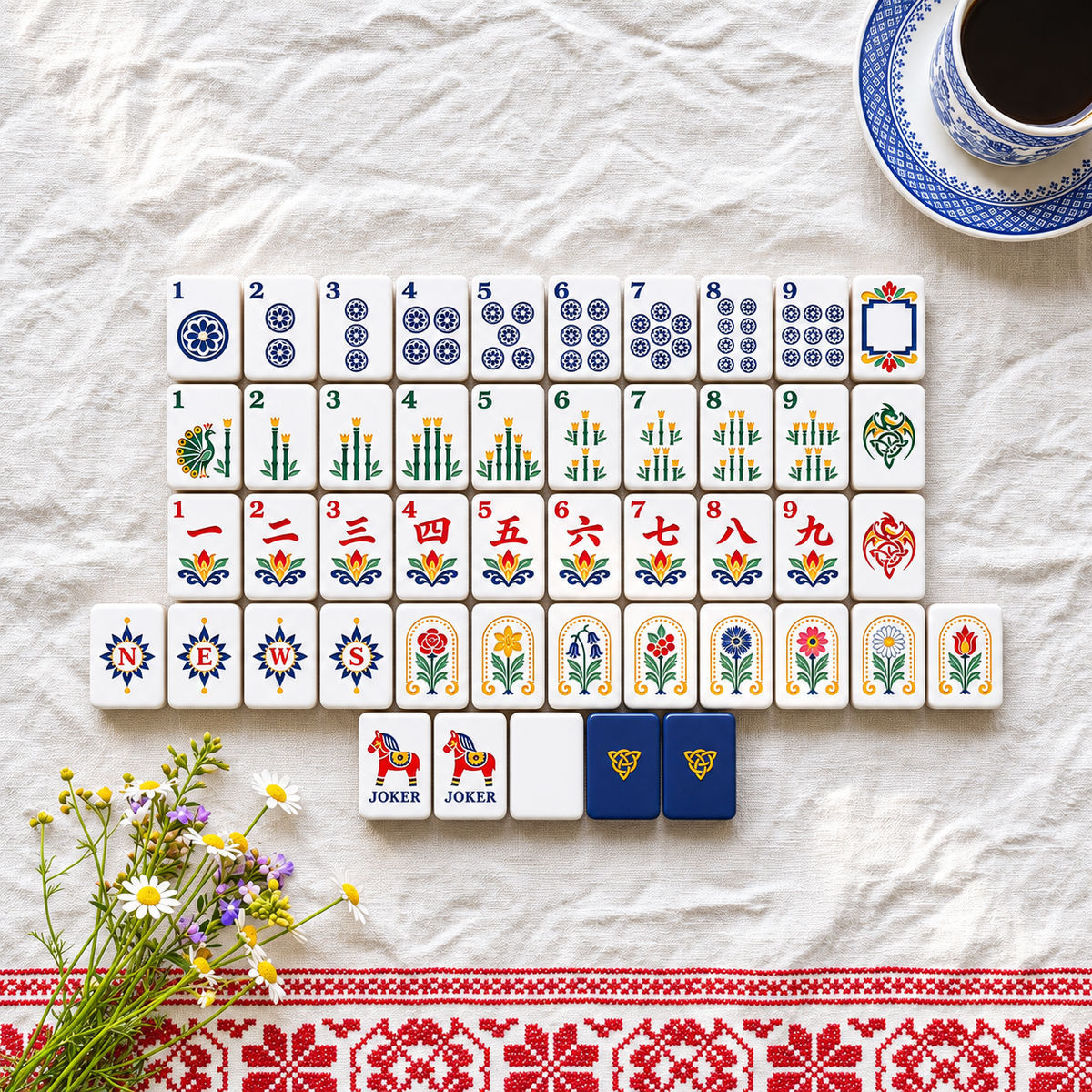
Mahjong clubs in Des Moines meet primarily through community recreation centers, public libraries, and informal home game networks. Start by contacting the Des Moines Parks and Recreation Department or checking the Des Moines Public Library's bulletin board for weekly game schedules; many groups meet Tuesday or Thursday afternoons and evenings. American mahjong groups typically play with standard 152-tile sets, follow the current-year National Mah Jongg League card, and sessions last 2–3 hours. Expect a welcoming environment: most clubs teach newcomers the Charleston (tile-passing ritual) and basic hand-reading before play begins. You'll need a personal set if you're hosting or want to keep one; our best-selling mahjong sets come engraved, travel-ready, and ship free across the US. 🀄 Shop best-selling mahjong sets →
Where do Des Moines players actually gather?
Community centers run the most open mahjong programs. Call Des Moines Parks & Recreation or visit their website to ask about registered clubs and drop-in sessions; staff can often connect you directly with group coordinators. Libraries frequently host game nights and post contact info for established players. Check bulletin boards in person or phone the main branch. Country clubs and senior centers sometimes sponsor members-only or invitation-only games; ask if you're a member or know someone who is.
Private home networks are the largest segment. Ask friends, coworkers, or neighbors if they play; word-of-mouth still drives most U.S. mahjong culture. Social media groups (Facebook, Nextdoor) occasionally advertise open tables, though most require you to introduce yourself first. Meetup boards sometimes list "mahjong near me" groups—check those listings for current meeting times and venue confirmations before you show up.

What does a typical Des Moines game look like?
Most groups play American mahjong with four players seated around a table, using a current-year hand card and a standard 152-tile set. The game opens with the Charleston—a structured tile-passing sequence that takes 5–10 minutes—then players draw and discard in turn, trying to form a winning hand from the card. A hand lasts 10–25 minutes; a session usually runs 2–3 hours (4–8 hands). Scoring follows American rules: points are tracked game-by-game, and the player with the highest total at the end wins. Gameplay is social: people talk, laugh, and help each other learn; silence isn't expected.
Beginner-friendly groups often hold an extra 15 minutes before official play to explain how jokers work, tile positions, and how to read the card. You'll see experienced players glance at the card, mentally map the pung (three identical tiles) or kong (four identical) combinations available, and decide which tiles to keep or discard—it's puzzle-solving under mild pressure, which is why it's addictive.
What should you bring to your first game?
Bring a notebook and pen to track scores (or use the scoring app the group prefers). Wear comfortable clothes and shoes; you'll sit for 2–3 hours. A water bottle helps. Snacks or a small contribution to a shared table spread is optional but appreciated—ask the organizer what they prefer.
Do not bring:
Your own set on your first visit (the group has a shared set or you're learning to watch).
Money if you're unsure whether the game is friendly (no-stakes) or involves a small buy-in. Always ask before the first hand starts.
A phone for distraction—tables usually ask everyone to put devices away.
Most groups have a full set available. If you fall in love with the game and want to host or attend regularly, buy a personal set so you're never scrambling to borrow tiles. Our best-selling mahjong sets arrive with everything you need: 152 playing tiles, 8 jokers, dice, and a score pad. Many players choose engraved sets with custom titles to personalize their home game; they're keepsakes that improve with play.
🎁 See our most-loved mahjong sets & accessories →

How do you learn fast enough to hold your own?
Read a beginner guide (like mahjong for beginners) before you play. Understand what the 152 tiles are (three suits, winds, dragons, flowers, jokers), how the Charleston works, and what exposing a pung or kong means. Spend 30 minutes on how to play American mahjong; you'll grasp 80% of the rules.
At the table, ask for help reading your hand during your first game—good groups expect it. Most players remember their first confused moment and will slow down and explain a pattern on the card without frustration. Watch two hands before you play if the organizer offers; observation teaches hand strategy faster than any video.
What gear helps you play smarter at the table?
A good mat keeps tiles organized and prevents spills and slides. When you buy your own set, pair it with a mahjong mat (see our guide on how to choose one). Mats define player zones, make scoring visible, and protect the table surface. Soft felt mats work best for home games; they're quiet and durable.
Racks with pushers are optional but transformative. A rack holds your tiles upright so you see all of them at once—critical for spotting patterns on the card—and a pusher helps you organize exposed melds neatly. If you're new, don't buy racks until you've played 5–10 times; learn the game first, then upgrade.
Travel bags and cases matter if you're commuting to games or hosting at different venues. A good bag protects your set, fits a mat and racks, and makes carrying everything to a table effortless. Soft bags suit weekly players; hard cases suit folks who travel.
Decision checklist: Is Des Moines ready for you?
Step | Action | Timeline |
Find groups | Call Parks & Rec, check library bulletin board, search social media | This week |
Ask about beginner slots | Email coordinator; confirm if they host intro sessions | Before you commit |
Watch or join one game | Attend as observer or beginner player | Next available date |
Review rules at home | 30 minutes | |
Decide if you'll play regularly | Play 2–3 more sessions to confirm interest | Weeks 2–3 |
Buy a personal set | Order from best-selling collection if hosting or weekly play | Once committed |
What to check before you buy a set:
Does your group use standard 152-tile American sets? (Almost always yes.)
Do you plan to host games at home, or just attend? (Hosting means buying your own set.)
Do you prefer a mat and racks, or just tiles? (Start with tiles, add gear later.)
What's your budget? (All our best-selling sets offer the same play value; choose by aesthetic or engraving.)
✨ Find your Mahstead set — free US shipping →
Des Moines has an active mahjong community waiting for you. The game is easier to learn than it looks, the people are generous with newcomers, and a single set unlocks years of weekly play. Start by making one call to Parks & Recreation or your local library this week—you'll be playing in two weeks, guaranteed.

FAQ
Do Des Moines clubs require membership or a fee to play?
Most drop-in community center sessions have a small per-session fee ($3–8) or free admission. Home game networks are free; senior center groups may require membership. Ask the organizer upfront.
Can I play if I've never seen mahjong before?
Yes. Beginner-friendly clubs expect newcomers and build 15 minutes into the session for explanation. Read a blog on rules beforehand so you're not starting from zero, then watch one hand before you play.
What's the difference between American and other mahjong styles?
American mahjong uses a printed card showing legal hand patterns, 152 tiles, and no sequences (chows). Chinese and Hong Kong mahjong use memory and sequences. Ask the group which version they play; almost all U.S. clubs play American.
How long does a game actually take?
One hand (one winner) takes 10–25 minutes. A session is usually 2–3 hours, which fits 4–8 hands. Plan 3 hours your first visit to stay for a full round.
If I buy a set, will it work at any Des Moines club?
Yes. All American mahjong clubs use standard 152-tile sets with the same tiles and layout. Your set will work anywhere that plays American mahjong.
Should I buy a mat and racks before my first game?
No. Attend 2–3 games first to see if you love it. Then buy a mat if you're hosting, and racks only if you want to improve your hand-reading speed.


View More
View More
View More
