
Mahjong Clubs in Austin: Where to Play & How to Join
Last updated: Nov 23, 2026
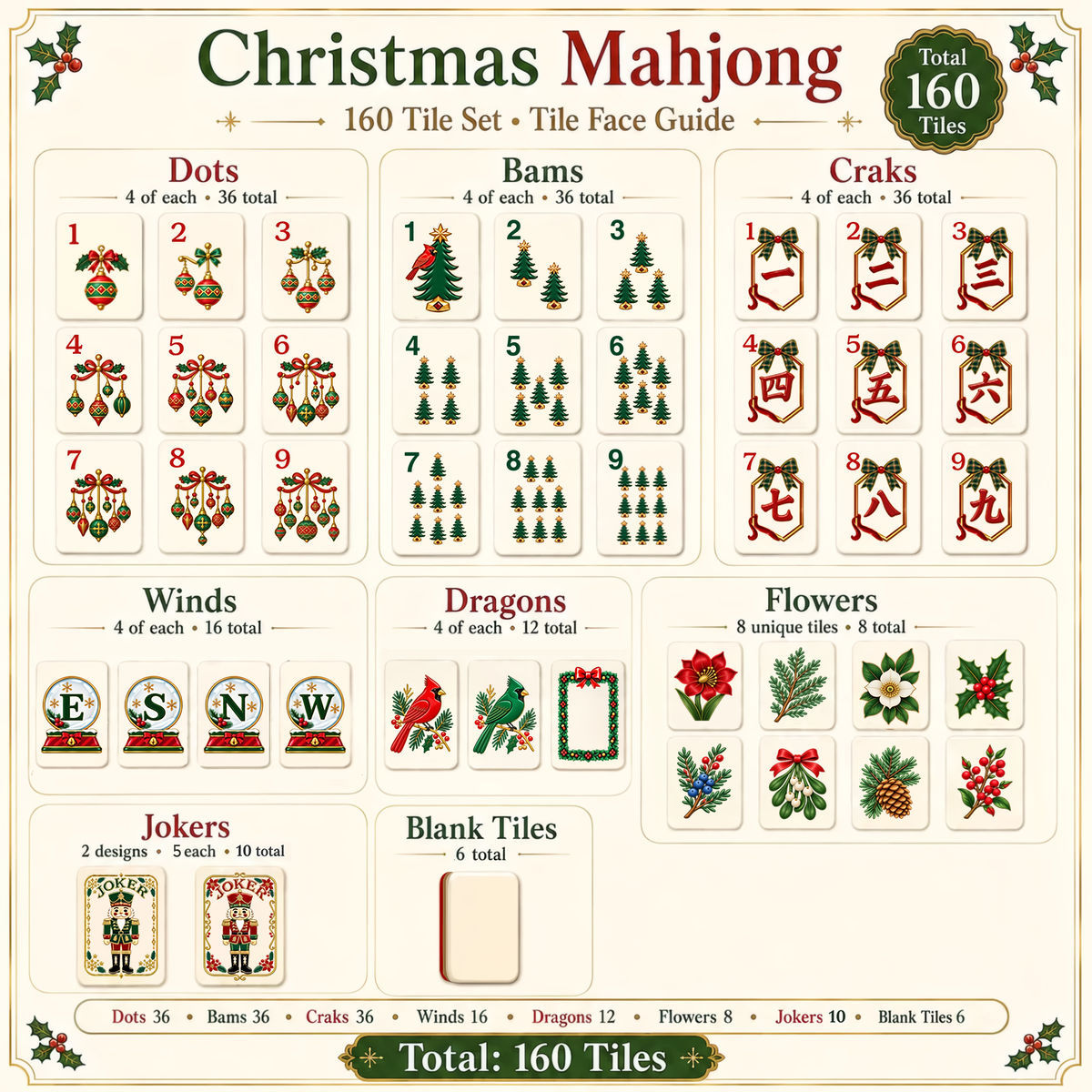
Austin's mahjong scene centers on community centers (especially south and central locations), public libraries hosting game nights, and informal groups meeting at homes or restaurants. Most clubs follow American mahjong rules and welcome beginners—expect to find a game at least weekly in most neighborhoods. Many groups meet Thursday or Saturday evenings; some play weekday afternoons. You'll need a 160-tile American set, an understanding of basic hand patterns from the current National Mah Jongg League card, and familiarity with the Charleston (the tile-passing ritual before play begins). Some groups lend sets or cards initially, but owning your own best-selling mahjong sets helps you practice between games. Most Austin clubs charge no membership fee; a few request a small table fee per session. Start by contacting your local community center or library directly to ask about mahjong meetups, or search community boards for "Austin mahjong" groups—they often post schedules and welcomeness policies for new players. 🀄 Shop best-selling mahjong sets →
Where do most Austin mahjong players meet?
Community centers in south, central, and north Austin host regular American mahjong groups—check Parks and Recreation facility schedules online or by phone for standing game times. Public libraries frequently run game nights in meeting rooms, often free or at minimal cost; call ahead to ask about mahjong-specific sessions. Many players also gather at homes, private dining rooms, or casual restaurant spaces arranged through word-of-mouth or Meetup-style platforms. A few golf clubs and country clubs in the area offer mahjong leagues, though membership is usually required. Your best entry point is contacting the community center nearest your home.

What's the typical Austin mahjong game format?
Most Austin groups play American mahjong—four players, one hand per person, eight jokers, hands drawn from the current year's National Mah Jongg League card. Games last 1–2 hours; a typical session includes 6–10 hands. Players sit around a table or mat, often with a lazy Susan to pass tiles. Scoring follows the National League standard, and how to play American mahjong guides are helpful for beginners. Some groups play with strict silence during play; others allow chat between hands. Betting varies widely—from purely social play to modest point-based scoring. Ask about house rules before joining so you know what to expect.
How do beginners find a welcoming Austin group?
Start by visiting one public session at a community center or library before committing to a regular group. Call ahead and ask: "Do you have a beginner-friendly mahjong game?" Many groups reserve specific nights for teaching or pair newbies with experienced players. Bring paper and pen to take notes on hand patterns, or download a copy of the National Mah Jongg League card for reference. Don't hesitate to ask other players questions during breaks. Most Austin groups are warm and patient with newcomers—mahjong players tend to enjoy teaching the game. Expect your first session to feel overwhelming; by session three, the rhythm becomes clear.
🎁 See our most-loved mahjong sets & accessories →
What equipment do I need to bring or own?
If you're joining a public game, the host usually provides a 160-tile set, a mat, and racks with pushers. However, owning your own best-selling mahjong sets lets you practice at home and signals commitment to the group. You'll also want a current National Mah Jongg League card (players often share or print one). A small notebook for scoring is helpful. If you play regularly, consider investing in a mahjong mat for home use—it protects tiles and keeps play organized. A mahjong bag makes transporting your set to games easy if you start hosting. Most experienced players also keep racks with pushers at home for practice and casual play.

How does the Austin mahjong calendar work?
Most groups meet weekly on a set day and time—typically Thursday or Saturday evenings, or weekday afternoons. A few groups play bi-weekly or on-demand. Summer can be lighter due to travel; fall and winter often see more activity. Some groups host special tournaments or holiday games (New Year's, Chinese New Year if the group includes players of that background). The best way to stay informed is to connect with a regular group and join their text chain, email list, or social media group. Check community center bulletin boards monthly, as some groups rotate session times seasonally.
Finding Method | Typical Setup | Best For | What to Know |
Community center | Weekly, casual, beginner-friendly | New players | Call to confirm current schedule |
Public library | Monthly or bi-weekly, free/low cost | Social players | Often requires registration in advance |
Meetup group | Flexible timing, rotating host | Building friendships | Check reviews and group description |
Word-of-mouth referral | Variable, often home-based | Regular players | Ask about house rules before first game |
Golf/country club | Seasonal, established membership | Competitive play | Usually requires club membership |
What should a beginner study before joining an Austin game?
Review the pillar guide on mahjong for beginners—it covers hand types, winning conditions, and how tiles work. Watch how other players read the mahjong card to locate valid hands quickly. Learn the Charleston explained so you understand the tile-passing ritual at the start of each hand. Study what's in an American mahjong set to recognize suits and honor tiles. If you're comfortable with basics, ask the host or group coordinator which specific rules they follow—some Austin groups use minor house rule variations. Arrive 10–15 minutes early to your first game and be honest about your skill level; most groups will help you work through your first hand.
✨ Find your Mahstead set — free US shipping →
What to check before you buy your first Austin mahjong set
If you plan to host or play frequently at home, your set should match the group's standards: 160-tile American format, clear tile markings, and durable construction. Check that tiles are smooth and stackable—cheap sets have rough edges or uneven surfaces that slow play. Test a mahjong mat at a game session first to see if you like the feel and size; mats range widely in material. If you travel to other groups, choose a set with a good travel bag or case. Read reviews from other Austin players if possible—word-of-mouth is gold for equipment quality in smaller communities. Most local players are happy to recommend sets they've used for years.

FAQ
How do I find out what Austin community centers have mahjong games?
Call your nearest Parks and Recreation center directly or check their online activity schedule for "mahjong" or "game club" listings. Central, south, and north Austin locations typically have games; look for weekly standing times listed in their printed or digital program guides. You can also ask at your local library for referrals to active community groups.
Do I have to pay to join an Austin mahjong club?
Most public or community-hosted games are free or charge a small table fee (typically under $5 per session to cover refreshments or facility use). Private home-based groups sometimes ask for a small stake or donation. Always ask about costs before your first session to avoid surprises.
Can I play mahjong in Austin if I've never played before?
Yes. Most Austin groups actively welcome beginners and pair them with experienced players for their first hand. Arrive early, bring a notebook, and be upfront about your skill level. Expect to feel lost during hand one; by session three, patterns click into place.
What's the difference between American mahjong and other styles played in Austin?
Austin plays primarily American mahjong (four players, 160 tiles, hands from the National Mah Jongg League card). A few groups may offer Chinese or Riichi variants, but American is the standard. Ask the group coordinator which style they play before joining.
Should I buy a set before I try my first Austin game?
No. Attend a public session first—most provide sets—to see if you enjoy the game and the group. Once you're committed to regular play, owning your own set helps with practice and shows the group you're serious. Used sets are also an affordable option while learning.
How often do Austin mahjong groups meet, and can I play casually?
Most groups meet weekly (Thursday or Saturday evenings, or weekday afternoons). Many welcome drop-in players for a single session or occasional attendance. Check with your local group about their drop-in policy before showing up; some require advance notice.


View More
View More
View More
