
Two Player Mahjong Tile Set: What to Buy & How to Play
Last updated: Nov 23, 2026
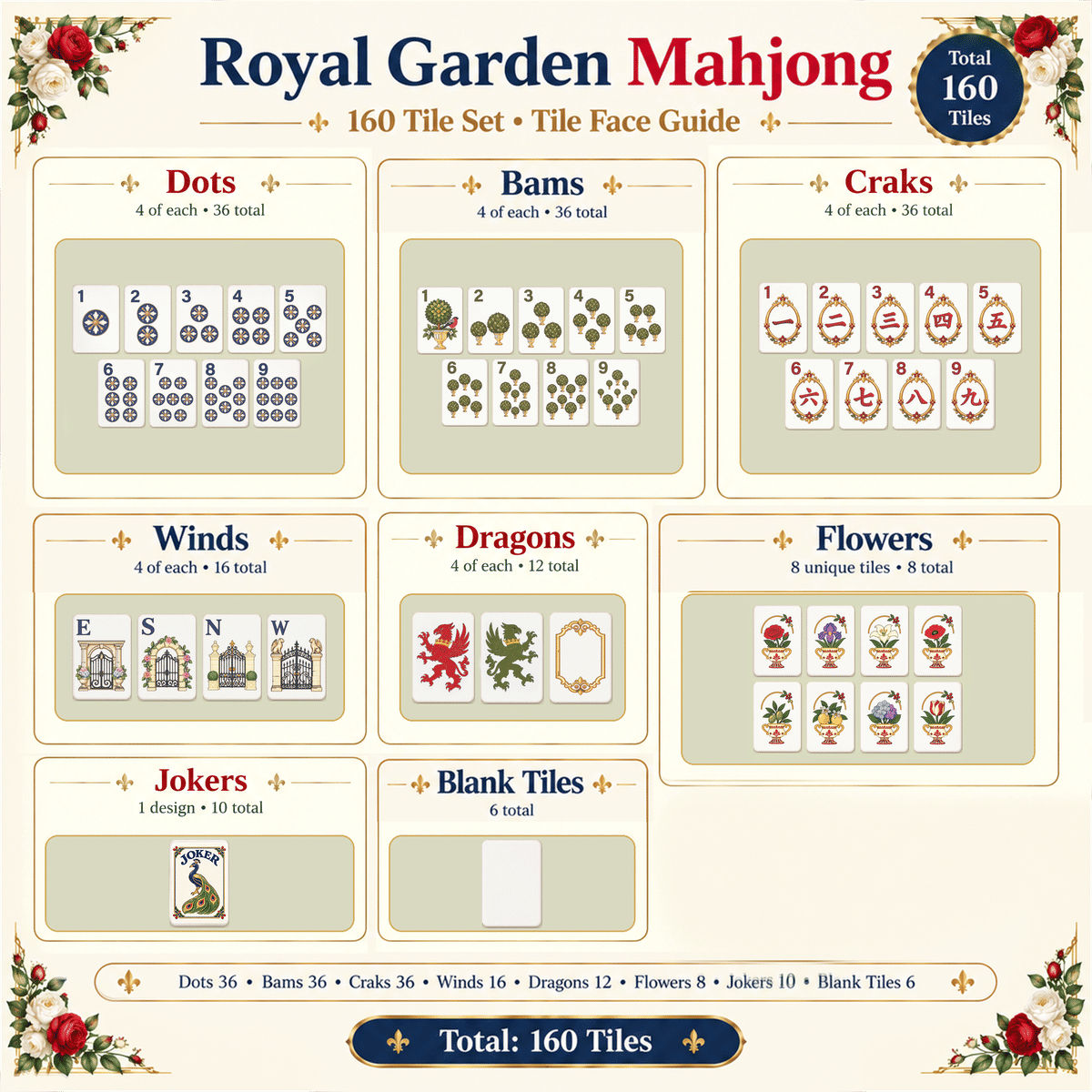
Two-player mahjong is possible in American, Chinese, Hong Kong, and Riichi rulesets, but each uses different tiles and hand patterns. American mahjong traditionally requires four players; playing with two means either learning a variant (some players use "head-to-head" house rules, though these lack standardized scoring) or switching to a different tradition—Chinese or Riichi both have official two-player modes. If you own a 160-tile American set, you already have what you need to experiment with house rules, but you'll need to adapt hand requirements yourself or consult variant rulebooks. For serious two-player play, consider a best-selling mahjong set designed for the variant you're learning—Chinese sets use 144 tiles, Riichi uses 136. Check the tile count and rules guide before buying to match your intended game.
Two-player mahjong exists—but it's not the standard American game you've seen at the club. Whether you're learning a variant or adapting a 4-player set, here's how to choose equipment and play correctly.
What variants actually support two players?
American mahjong is written for four players; two-player variants exist in Chinese, Hong Kong, and Riichi traditions. American players who want to play head-to-head often invent house rules, but these lack standardized hand cards and scoring. If you're serious about two-player play, pick a variant with published rules so you're not guessing. Riichi mahjong has a full official two-player mode; Chinese and Hong Kong mahjong also support it. American mahjong does not, though clubs sometimes allow casual two-player games using adapted 4-player hands.
🀄 Shop best-selling mahjong sets →

Can I use a standard American set for two players?
Yes, you can use an American 160-tile set for house-rule two-player games—nothing stops you. You'll need to modify hand requirements because the National Mah Jongg League card is built for four players drawing from a shared wall. Two common house rules: play with half the wall (faster rounds), or both players draw from a full wall and simply ignore the absent two seats. Neither is standardized, so agree with your partner beforehand on wall building, discard rules, and scoring. If you want an official variant, switch to Chinese or Riichi mahjong instead.
What tile counts do two-player variants use?
Chinese and Hong Kong mahjong: 144 tiles (three suits × 1–9 × four copies each, plus winds, dragons, flowers). Riichi mahjong (Japanese): 136 tiles (same structure but no flowers; instead, kans—four-of-a-kind melds—replace them). American mahjong: 152 tiles (higher count because of jokers and the white dragon's dual role). If you're buying for a specific two-player variant, check the rulebook's tile list first; buying the wrong tile count wastes money and creates confusion mid-game.
How do two-player hands differ from four-player hands?
In American four-player mahjong, hands come from the year's National Mah Jongg League card—a published reference showing legal combinations. Two-player house rules often keep the same hand patterns but skip the absent players' turns, which can make hands harder to complete. Chinese and Riichi two-player games use different hand-winning patterns altogether (e.g., Riichi emphasizes "tanyao" and "pinfu" patterns specific to two-player scoring). If you've learned American mahjong and want two-player, stick with American house rules and adapt the card yourself—or learn a full variant. Never mix rulesets; confusion kills the game.

What to check before you buy a two-player set
Decision table: Choosing your two-player set
Game Type | Tile Count | Rules Standardized? | Best If You… |
American house rules | 160 | No | Already own an American set; playing casual |
Chinese two-player | 144 | Yes | Want official rules; learning a new variant |
Riichi (Japanese) two-player | 136 | Yes | Prefer fast, strategic play; learning competitive variant |
Hong Kong two-player | 144 | Yes | Want simpler rules than Riichi; familiar with HK style |
Before ordering, confirm three things:
Variant and tile count: Does the rulebook or seller specify which variant and how many tiles? If you're unsure, email the seller or consult a variant rulebook online.
Tiles vs. house rules: Are you buying a set designed for the variant, or adapting your existing American set? Mixing tile counts mid-game creates chaos.
Shipping and spares: If you're trying a new variant for the first time, a 160-tile American set gives you spares to replace cracked or worn tiles as you learn—useful insurance.
🎁 See our most-loved mahjong sets & accessories →
Real differences: American two-player house rules vs. official variants
American house rules (using a 160-tile set):
Draw and discard as normal, treating absent seats as "pass."
Hands still come from the 4-player card; you'll complete fewer patterns because only two players are working the wall.
Scoring is up to you (no standard exists); most pairs play for fun or light stakes rather than tournament points.
Pro tip: Play shorter rounds and agree on scoring before the first hand begins.
Chinese or Riichi two-player (using a 144- or 136-tile set):
Fully standardized: hand patterns, wall size, draws, and scoring are codified in rulebooks.
Much faster than 4-player (fewer players = fewer turns = faster rounds).
Scoring often emphasizes fu (base points) and fan (multiplier), unlike American point-based systems.
Pro tip: Invest time in learning the rulebook before playing; the official rules are tight and worth the effort.
We've hosted hundreds of weekly games, and the players who succeed at two-player mahjong decide upfront: "Are we playing casual house rules or learning a real variant?" Casual play works fine with an existing American set and loose rules. Learning a variant demands buying a dedicated set and reading the rulebook cover to cover.
✨ Find your Mahstead set — free US shipping →
What you'll need for two-player mahjong
If you're playing American house rules with an existing set, you're done. If you're learning Chinese, Hong Kong, or Riichi mahjong, consider:
A dedicated set: Buy a set designed for your chosen variant (tile count matters).
A mat (mahjong mats): Two-player games feel cramped without one; a mat defines the play area and protects tiles.
Racks with pushers (mahjong racks with pushers): Organizes your hand so your opponent can't see it; essential for fair play.
Dice: Most two-player variants still randomize the first deal with dice, just like four-player games.

FAQ
Can I play American mahjong with two players using the official rules?
No. American mahjong requires four players and uses a tile wall sized for four draws. Two-player American games use house rules and are not standardized. Learn a variant (Chinese, Riichi) for official two-player play.
What's the difference between a 144-tile Chinese set and a 160-tile American set?
American sets have 160 tiles (152 playing + spares); Chinese have 144 (no jokers or extra flowers). Tile count matches the variant; buying the wrong count creates rule confusion.
Do I need a mat and racks for two-player mahjong?
No, but they help. A mat protects tiles and defines the play area; racks hide your hand from your opponent. Both improve fairness and longevity of your set.
How long does a two-player game take?
House-rule American games last 20–45 minutes per hand. Riichi two-player games average 15–30 minutes. Variant speed depends on rules and player skill.
Where do I find rulebooks for two-player variants?
Riichi rulebooks are available online through international mahjong federations. Chinese mahjong rulebooks vary by region; ask a local club for recommendations. American two-player house rules come from club members, not published sources.
If I buy an American set, can I always switch to two-player rules?
Yes—you can invent house rules anytime. But two-player American mahjong lacks scoring standards, so games feel casual rather than competitive. For serious two-player play, learn an official variant.


View More
View More
View More
