
Mahjong Classes for Beginners in the Hamptons
Last updated: Nov 23, 2026
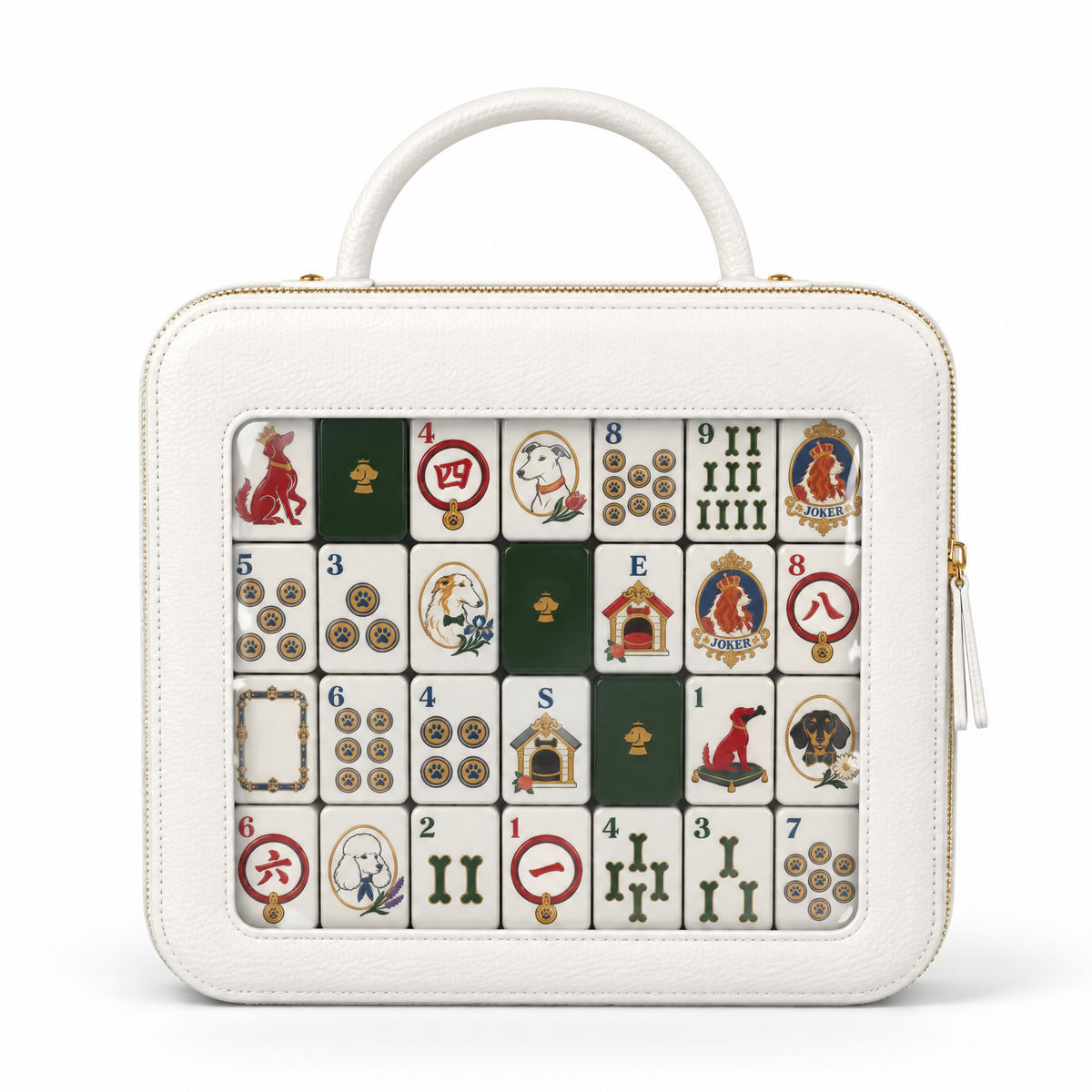
The Hamptons—East Hampton, Southampton, and surrounding villages on Long Island's North and South Forks—host beginner mahjong classes primarily through community recreation departments, library adult education programs, and country clubs. Most beginner courses run 6–8 weeks, meeting once weekly for 90 minutes to two hours, covering tile recognition, the Charleston passing ritual, hand-reading basics, and scoring fundamentals. Classes typically cost moderate per-session rates; check your local library, community center website, or ask at established country clubs for current session schedules. Many instructors recommend bringing your own set, so owning a quality 152-tile American mahjong set with clear markings helps from day one—avoid worn or incomplete sets that slow learning.
Where do most Hamptons beginners find classes?
Libraries host the most accessible beginner courses: search "adult education mahjong" on your town library's website (East Hampton, Southampton, Bridgehampton libraries often list seasonal offerings). Community centers and recreation departments advertise in their spring and fall bulletins—call the Parks & Recreation office in your village. Country clubs, synagogues, and retirement communities occasionally host closed or semi-open classes; ask if you have a membership or connection. Meetup boards and Facebook groups for Hamptons residents sometimes list informal game groups that teach newcomers. Instructors vary: some are retired teachers, others are lifelong players who coach for small fees. Start by checking two or three sources to compare schedules, instructor style, and group size—smaller groups (6–8 people) offer more one-on-one help than large workshops.

What's the typical structure of a beginner mahjong class?
A standard 6–8 week beginner course follows this arc: Week 1 covers tile names, the four suits (Bams, Craks, Dots, Winds), and how to hold your rack. Week 2 teaches the Charleston—the ritual tile exchange before each game—and basic hand types. Weeks 3–5 focus on reading the National Mah Jongg League card, the official hand guide that changes every spring; students learn to spot matching patterns and understand joker rules. Weeks 6–7 are gameplay: instructor deals real hands, students play short rounds, and scoring gets introduced. Week 8 is often a mini-tournament or "graduation" game. Between sessions, students are expected to practice at home or join existing game groups—this accelerates learning more than class alone. Most instructors provide a hand sheet or teach you to bring the current year's League card in printed form.
Should you buy a mahjong set before your first class?
Most classes provide sets for in-class use, so you don't need to buy immediately. However, buying your own set within the first 2–3 weeks is wise: handling the same tiles repeatedly outside class builds muscle memory for shuffling, dealing, and organizing your hand. A beginner benefits from a set with large, clear markings and contrasting colors—acrylic tiles are more durable and easier to read than bamboo or bone for new players. Many Hamptons players start with an affordable best-selling set that feels sturdy in hand, then upgrade later if they want custom engraving or designer aesthetics. Avoid extremely cheap sets with unclear glyphs or uneven tiles—poor quality slows your learning and frustrates fellow players. If you travel between games or want to host at home, a mahjong bag or case protects your investment and makes transport easier after summer tournaments.
🀄 Shop best-selling mahjong sets →
What should a beginner practice between classes?
Practice schedules that work: (1) Tile recognition drills—shuffle and sort tiles by suit and number five times weekly, 10 minutes each, until you spot patterns instantly. (2) Charleston practice—if a friend has a set, pass tiles three times per week following the official sequence (right, across, left) so the motion becomes automatic. (3) Hand matching—print or download the current National Mah Jongg League card and spend 10–15 minutes daily pointing to hand examples, understanding which tiles qualify. (4) Scoring review—many instructors give a one-page scoring guide; read it twice weekly. (5) Playing short games—after week 3, join a beginner-friendly game group or play with class friends on weekends; live play teaches faster than solo study. Most players underestimate how much progress 15–20 minutes of daily practice makes—consistency beats cramming before class.

Which Hamptons neighborhoods and resources should you contact?
Area | Primary Resource | How to Find | Best For |
East Hampton village & town | Library adult ed, Parks & Rec | Town website, call town hall | Consistent scheduling, lower cost |
Southampton village & town | Community center, country clubs | Recreation guide, club membership list | Flexible timing, social environment |
Bridgehampton, Sag Harbor | Libraries, community groups | Meetup boards, local Facebook groups | Smaller classes, neighborhood feel |
North Fork (Southold, Riverhead) | Recreation departments | Town website calendar | Less crowded, quieter classes |
Across Hamptons | Informal game groups | Nextdoor app, community bulletin boards | Drop-in play, learn-by-doing model |
Call ahead rather than visiting websites alone—staff often know upcoming sessions not yet posted online. Ask whether your class meets year-round or seasonally; many Hamptons instructors pause mid-summer or offer intensive "before Labor Day" bootcamps. Beginner classes are most common in fall (September–November) and spring (March–May), coinciding with the League's season. If you miss a session, request a private catch-up lesson or join an existing beginner cohort—most instructors accommodate late starters within the first three weeks.
How to choose your first set and mat for practice at home?
Once you commit to regular play, a home setup accelerates learning. A quality set should have tiles you can read across a table without squinting—acrylic sets offer consistent sizing and clarity. Pair your set with a mahjong mat sized for four players (usually 27"–30" square); a mat keeps tiles organized during shuffling and protects your table, plus it creates a designated "mahjong zone" that makes practice feel intentional rather than casual. Add racks with pushers if you host others—racks prop tiles upright so you see your hand without holding all 14, and pushers help you draw and discard smoothly. These three items (set, mat, racks) cost less than one full season of classes but pay dividends in comfort and confidence. If you plan to travel to summer tournaments in the Hamptons area or bring your set to friends' homes, a protective travel case keeps everything organized and safe.
🎁 See our most-loved mahjong sets & accessories →
What mistakes do most beginners make, and how can you avoid them?
Mistake 1: Joining a full game without class foundation. Solution: Complete at least 2–3 classes or watch a full game with an instructor before sitting down with experienced players. Rushing into open games causes confusion and slows the whole table.
Mistake 2: Not practicing the Charleston. Solution: Ask your instructor to drill you on the sequence (right, across, left) until it feels automatic. Slow, awkward Charlestons disrupt the rhythm and mark you as unprepared.
Mistake 3: Using an unclear or incomplete set. Solution: Before buying, hold the tiles in hand or see photos from multiple angles. Tiles should sit flat, print should be legible from 3 feet away, and the set should have all 152 playing tiles plus spares.
Mistake 4: Memorizing the card instead of learning patterns. Solution: Focus on recognizing tile combinations (like three consecutive Bams, or a pair of Dragons) rather than memorizing hand numbers. Pattern recognition transfers to new League cards every spring; memorization does not.
Mistake 5: Skipping beginner-focused social games after class. Solution: Most Hamptons communities host "beginner nights" at libraries or clubs once or twice monthly—attend these after your course ends. Playing regularly with peers who share your learning level cements skills faster than isolated home practice.
✨ Find your Mahstead set — free US shipping →
What to check before you buy a mahjong set for home practice
Before committing, verify: (1) Tile clarity—print is readable from arm's length, no fading or smudges in the photos or demo. (2) Completeness—you receive all 152 playing tiles and spares; count them if possible or trust only established makers. (3) Material fit for your space—acrylic suits homes with sunlight (no aging issues); bamboo and bone suit climate-controlled rooms. (4) Size preference—standard American tiles measure roughly 3 cm × 3 cm; jumbo versions exist for players with vision or dexterity preferences. (5) Storage and transport—sets come in canvas bags, hard cases, or cloth boxes; choose based on whether you'll carry to game groups or store at home. (6) Aesthetic match to your game space—if you host, consider how the design fits your table or décor (engraved titles, colors, artwork all vary). Beginner players often overlook finish quality; matte tiles grip better during shuffling than glossy ones, reducing frustration during your first months.

FAQ
Can I learn mahjong online instead of in-person classes in the Hamptons?
Online courses teach rules and hand-reading, but American mahjong requires live practice—the tile feel, shuffling technique, Charleston pace, and table dynamics are nearly impossible to learn remotely. After an online intro, join a local class to play real games with feedback. In-person classes in the Hamptons offer both structure and community that video cannot replace.
What is the National Mah Jongg League card, and do I need the current year's version before class?
The League card is the official guide to legal American mahjong hands—it's updated every spring and changes yearly. You don't need it before class; your instructor will provide it or teach you to read it. Buy or print the current year's card once your course begins, and bring it to every game thereafter. The League card is non-negotiable in competitive and social play.
How much does a beginner mahjong class typically cost in the Hamptons?
Most community center and library courses run moderate per-session fees; exact rates vary by location and instructor. Call your local recreation department or library for current pricing. Private one-on-one lessons cost more but compress learning into fewer weeks. Always ask whether the course fee includes a mahjong set rental or if you must bring your own.
Should I join a beginner game group before or after finishing my class?
After week 3 or 4 of class, start attending beginner game groups if available—they run parallel to your course and reinforce learning. Playing real games weekly accelerates your grasp of strategy and pace far more than class alone. Most Hamptons libraries and community centers host open beginner nights monthly or biweekly; ask your instructor for schedules.
What's the difference between American mahjong and the versions played in Hong Kong or China?
American mahjong uses a different hand list (the official League card), simpler scoring, and no sequences (chows)—you can only expose matching sets of three, four, five, or six identical tiles. Chinese and Hong Kong versions allow sequences and use traditional card systems. If you learn American in a Hamptons class, you've learned a distinct game; traveling players sometimes learn both, but start with one. Learn how American mahjong rules differ from other versions for a deeper breakdown.
Is it worth buying an engraved mahjong set as a beginner, or should I wait?
Wait until you've completed your course and played regularly for a month. A beginner needs to confirm they'll keep playing before investing in custom engraving or premium materials. After your first season, many players reward themselves with a personalized engraved set they'll use for years—that's the ideal time to buy one as a lasting piece.
Can I practice mahjong alone at home, or do I always need other players?
Solo practice covers tile recognition, shuffling technique, hand-reading (matching the card), and scoring drills. You can't practice the actual game flow—dealing, Charleston, drawing, winning conditions—alone. Use solo practice between game sessions to build speed and confidence, then play with others weekly to cement strategy and social rhythm. Both solo and group practice work together.


View More
View More
View More
