
Mahjong Open Play in Cleveland: Where to Find Games & Get Started
Last updated: Nov 23, 2026
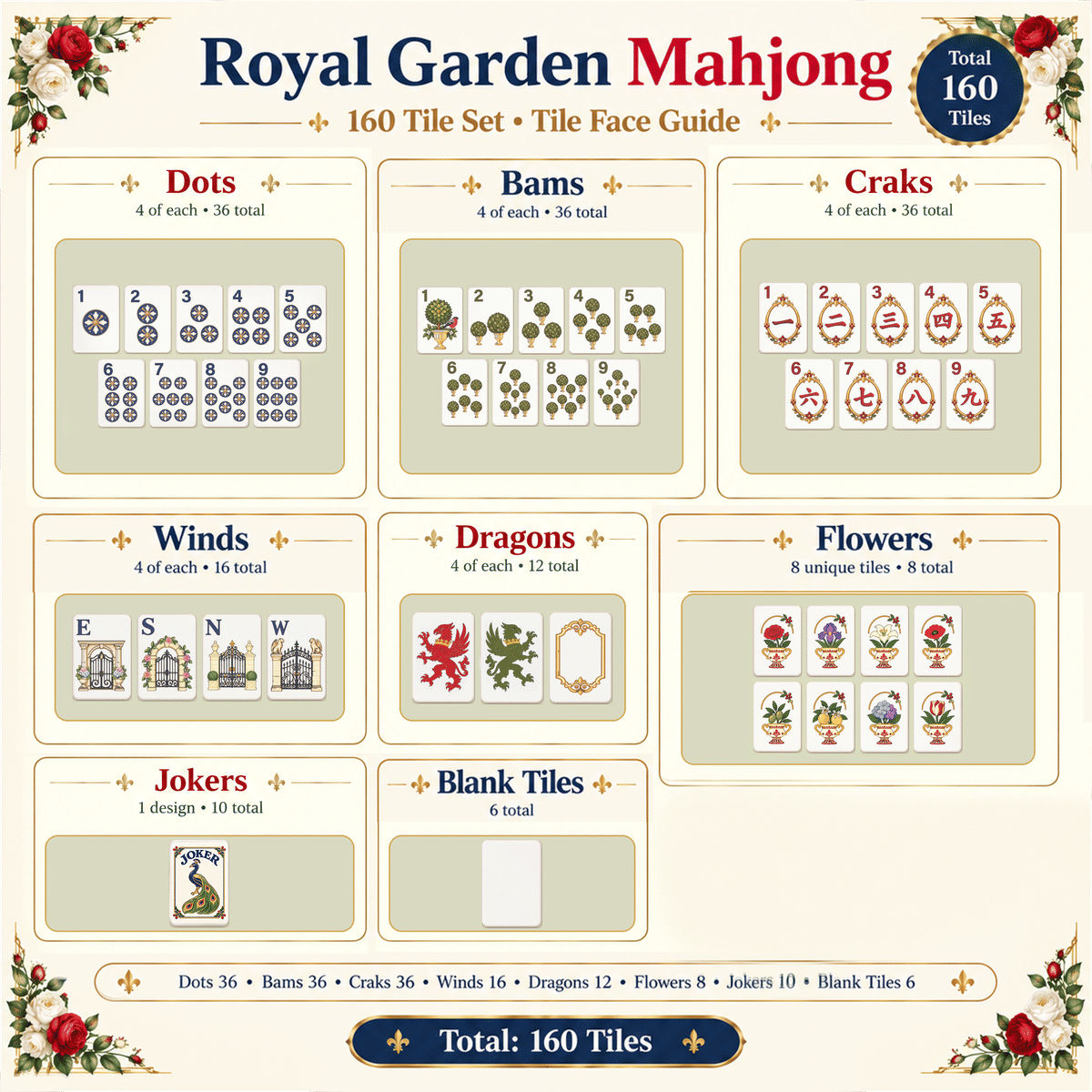
Open play in Cleveland happens at community centers (check your neighborhood's recreation department), public libraries (especially those in neighborhoods with established mahjong groups), synagogues with active adult programming, and country clubs. Most games run weekly on weekday afternoons or evenings; ask the events coordinator or contact nearby mahjong retailers for current schedules. Games are American mahjong (152 tiles, National Mah Jongg League card, four players). Bring a rack, tile pusher, and your own set if you have one—many hosts supply equipment but regulars bring personal gear. Newcomers often sit as "learner" in the first session; expect to pay a small table fee if it's a hosted venue, though many community games run for free.
🀄 Shop best-selling mahjong sets →
How do I find open play games near me in Cleveland?
Start with your local recreation department website or call the main community center in your neighborhood—most host weekly American mahjong sessions listed under adult programs. Public libraries often post game schedules on their events pages or bulletin boards. Synagogues and JCC (Jewish Community Center) chapters frequently run open mahjong nights; call ahead to confirm the day and time. Ask staff or other players if they know about informal games at senior centers or country clubs. Check online community boards like Meetup or local Facebook groups tagged with "Cleveland mahjong" for player-organized sessions. When you find a lead, call to confirm the format (American vs. another variant), entry fee if any, and whether newcomers are welcome.

What's the difference between hosted venues and drop-in games?
Hosted venues (run by a community center, library, or club) provide tables, seating, house equipment, and a set time each week; you show up and join a table, pay a nominal fee or membership, and play with their tiles and racks. Drop-in games are player-organized, often rotating homes; you need your own set and rack, the pace and stakes vary more, and entry is by invitation or word-of-mouth. Hosted venues suit newcomers because you'll have backup equipment and a structured environment; regulars often prefer drop-in games for flexibility and community. Both exist in Cleveland—ask which your local venue offers when you call.
What mahjong set should I bring to open play?
Bring a 160-tile American set with clear tile markings (acrylic or resin that doesn't scratch easily), four racks with pushers to help your neighbors read your hand, and a tile bag or case to transport everything safely. The National Mah Jongg League card for the current year is mandatory—you'll use it to check hands during every game. Many venues loan cards; bring your own to avoid fumbling. Avoid sets with worn paint or unclear suit symbols, and never use a set missing tiles or with mismatched jokers—other players will refuse to play. Our best-selling collection includes sets designed for open play durability and legibility; many are engraved so you can spot your set at a crowded table.
🎁 See our most-loved mahjong sets & accessories →
Set Feature | Why It Matters for Open Play | What to Check |
Tile finish (matte vs. glossy) | Matte is easier to read under fluorescent lights; glossy can reflect glare | Hold a sample tile under overhead light |
Acrylic vs. resin | Acrylic is lighter (less hand fatigue); resin is heavier (feels premium but tires wrists) | Weigh a sample set if possible |
Rack design | Pushers (small sticks) let neighbors see your hand; open racks (no back wall) suit fast players | Try a rack before buying; ask other players which they prefer |
Engraving | Custom text or design marks your set in a sea of similar ones; resale value stays high | Decide on a name or initials before ordering |
Joker count | 160-tile sets include spares (extra jokers/blanks); never add these to play—use exactly 152 tiles + 8 jokers | Count your tiles at home before your first game |
What rules should I know before my first game?
American mahjong uses the current-year National Mah Jongg League card to determine winning hands—you cannot play any hand not on the card. Before each game, the Charleston (tile-passing ritual) ensures everyone has random tiles; learn this first because players will expect you to know it. You can only expose pungs (three identical tiles), kongs (four identical), and quints/sextets (five or six); you cannot call or expose chows (sequences like 1-2-3). Jokers are wildcards but can never be used alone or in a pair. Winning is called "mah jongg," not "mahjong"; if someone else wins before you, play stops and you reset. Newcomers usually sit as "learner" or "observer" your first time to watch and ask questions. Visit the pillar on American mahjong rules for a full walkthrough before you arrive.

What should I bring and expect at the table?
Bring your set, racks with pushers, the current year's National Mah Jongg League card (printed or a copy), a pen (for scoring), and cash for any table fee. Wear comfortable clothes—games last 2–3 hours and tables can be cold under air conditioning. Arrive 10 minutes early to introduce yourself and settle in. Expect friendly seasoned players who will correct your mistakes kindly; ask questions between hands, not during play. Never touch another player's tiles or racks. Keep your hand organized on your rack so others can count tiles and verify you're not cheating. If you're unsure of a rule, raise your hand and ask the table lead; most games have a house player who settles disputes. Bring a notepad if you want to jot down hand patterns you see—many new players learn faster by watching and writing.
✨ Find your Mahstead set — free US shipping →
What to check before you buy or bring a set
Tile count: Your set must have exactly 152 playing tiles and 8 jokers; never add spare tiles to the game.
Suit symbols: Verify Bams (bamboo/sticks), Craks (circles), and Dots are clear and distinct; poor print quality will slow the game.
Racks and pushers: Test the rack height and pusher length—too short and your neighbors can't read your hand; too long and you block your own view.
Case or bag: Transport your set in a padded bag or hard case to prevent tile chips and cracks en route to the venue.
Card: Bring a copy of the current-year National Mah Jongg League card or ask the venue to loan one; an outdated card will result in hands you think are winning but aren't.
Backup tiles: If a tile breaks at the table, you'll need a spare from your set; don't rely on the venue to have replacements.
How long does a typical open play session last?
Most open play runs 2–3 hours and plays 8–12 hands depending on pace and breaks. Beginners' tables may run shorter (1.5–2 hours) to allow discussion between hands. Games usually start on the hour and end by mid-afternoon or early evening. Ask the venue when you call what time to arrive and when play wraps up so you can plan your schedule. If you're new, offer to leave after the first hour if the table needs to move faster, but most hosts welcome learners for the full session.

FAQ
Do I need to own a mahjong set to play open play in Cleveland?
No. Most hosted venues provide house sets and equipment; you can use theirs for free or a small table fee. But bringing your own set is faster and shows respect to the group—regulars prefer it. If you plan to play weekly, investing in a personal set is worth it.
What's the National Mah Jongg League card and where do I get it?
It's a laminated reference card listing all legal winning hands for the current year (2026 card is in use until March 2027). You can buy printed cards from mahjong retailers or print your own from the league's website. Most venues have cards on hand, but bringing yours avoids delays.
Can I play mahjong if I don't know the rules yet?
Yes. Call the venue ahead and ask if they have a beginner-friendly time or if you can sit as an observer your first session. Many players teach as you play. Showing up with a basic understanding of suits and pungs (three of a kind) speeds things up; read the beginner guide first.
Is there a cost to play open play in Cleveland?
It varies. Community center and library games often charge a small per-session fee (typically a few dollars) or a monthly membership; some are free. Private club games may charge more. Call ahead to confirm. No gambling is involved in sanctioned open play.
What if I break a tile or lose a tile during play?
Immediately tell the table. If it's a spare joker or blank from your 160-tile set, swap it in and continue. If it's a playing tile, the hand stops and resets. Always inspect your set at home before your first game to catch cracks or missing tiles; report issues to the retailer before bringing it to the table.
Should I buy a mahjong mat for open play?
A mat isn't necessary for open play—venues usually have tables. But if you plan to host home games, a padded mat protects the table and keeps tiles from sliding. For open play at a venue, skip it and use the mat or table provided.


View More
View More
View More
