
Mahjong Classes for Beginners in Savannah: Where to Learn & What to Expect
Last updated: Nov 23, 2026
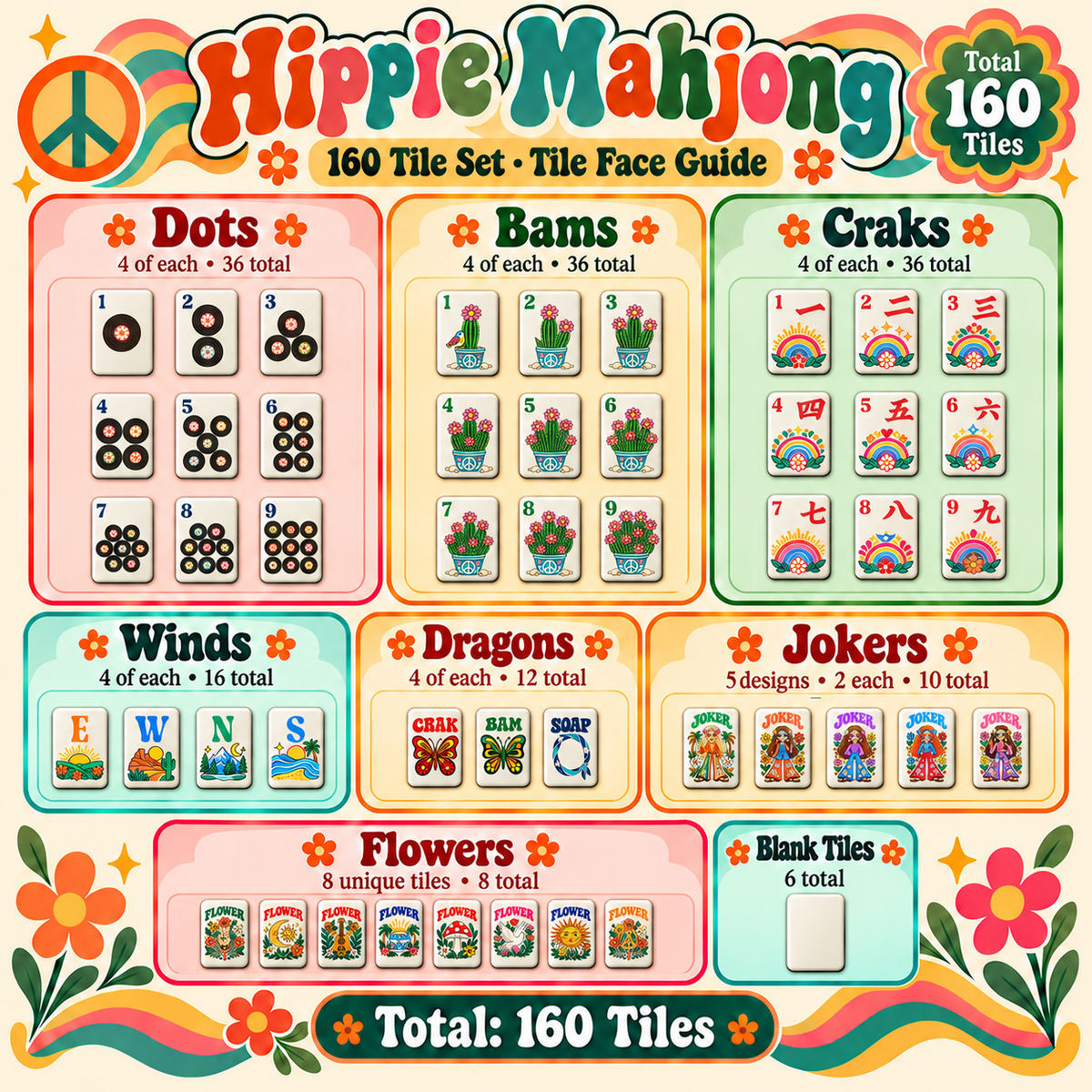
Beginner mahjong classes in Savannah are hosted primarily through community centers, public libraries, and informal meet-up groups organized by local mahjong clubs—search your city's recreation department website, library programming calendar, and Meetup.com for "mahjong" to find active sessions. Most beginner courses run 4–8 weeks, meeting weekly for 1.5–2 hours, and cover tile recognition, the current year's hand card from the National Mah Jongg League, the Charleston (tile-passing ritual), and basic play strategy; many are drop-in friendly. Classes are often free or cost a small materials fee. You'll need a 160-tile American mahjong set, a mat, and access to the current season's hand card—many instructors provide sets or recommend best-selling mahjong sets to borrow during lessons. Start by calling your local recreation office or checking library bulletin boards.
Where do Savannah beginners actually find mahjong classes?
Your best bets are Savannah's parks and recreation department, which often lists seasonal classes in their spring and fall catalogs; public libraries, which host game nights and sometimes structured lessons; synagogues and Jewish community centers, where mahjong has deep roots; and online community boards like Meetup.com and Facebook groups for "Savannah mahjong" or "Savannah game groups." Call ahead—many instructors teach informally from homes or coffee shops and don't advertise widely. Ask if the class uses American or another variant; American mahjong (the most common in the Southeast) is played with a hand card and jokers, which differs fundamentally from Chinese or Riichi versions.
🀄 Shop best-selling mahjong sets →

What should a beginner class actually teach in the first week?
A solid first lesson introduces the 152 tiles (four copies each of numbered and honor tiles), explains the four suits (Bams, Craks, and Dots), and walks students through recognizing winds and dragons without confusion. Your instructor should teach how to hold tiles, how the hand card works, and why the Charleston matters before you ever draw a tile. The class should not jump into scoring or complex strategy—beginners drown if you explain limiting hands or all-simples combos in week one. A reputable teacher spends 30 minutes on tile recognition alone, then one full game played slowly with live corrections. Red flags: if the instructor skips tile meanings, rushes past the hand card, or doesn't explain why American mahjong feels different from versions played in other countries.
How long does it actually take a beginner to play one full game?
Your first game will take 45 minutes to two hours—don't expect speed. Experienced players complete a four-player game in 20–30 minutes, but beginners must pause constantly: checking the hand card, asking about pair rules, calling tiles correctly, and learning why a pung (three identical tiles) looks different from a quint (five identical tiles that include a joker). A well-run beginner class lets this happen without rushing—that's how learning sticks. Many instructors play two slower games per session rather than one, so you see the patterns repeat. Your second week will be noticeably faster; by week four, you'll recognize common patterns on the card before your teacher points them out.
What's the actual cost, and is the equipment included?
Classes offered through parks and recreation or libraries typically cost nothing to under fifteen dollars per session, though some community groups ask for donations to cover materials. Equipment—sets, mats, racks—is almost always provided during the class itself. However, if you fall in love with the game (most beginners do), you'll want your own set at home to practice. Engraved American mahjong sets designed for home players are a one-time investment, and many come with racks, pushers, and a mat—check the specific collection page to see what's bundled. Your instructor can advise whether you need a set immediately or after you've confirmed you're committed to regular play.

What common beginner mistakes should you avoid from day one?
The most costly error is confusing tile values—the 1 Bam shows a bird, not a simple dot, and calling it wrong throws off your entire hand read. Second: learning from someone who mixes American rules with Chinese or Hong Kong mahjong. American mahjong has NO sequences (chows); you expose only pungs, kongs, quints, and sextets. If your instructor mentions "1-2-3 sequences," they're teaching a different game. Third: forgetting that jokers can never be used as a single tile or a pair—always in a pung or larger group. Finally, don't memorize the hand card; instead, learn how to read it by understanding that each line shows a hand pattern, suits are grouped, and you match what you hold to the card's layout. Learn the card-reading logic here, and the game becomes intuitive.
Beginner Concern | What You'll Hear | What's Actually True | How to Stay Safe |
"Do I need my own set right away?" | "Buy a set before class." | You'll borrow during lessons. | Ask the instructor—most provide sets. |
"Is mahjong hard to learn?" | "Takes months to play well." | You'll play a full game week one. | Expect to feel slow; that's normal. |
"Will I play a different variant?" | "All mahjong is the same." | American, Chinese, and Riichi are completely different. | Confirm your class teaches American. |
"Should I memorize all the hands?" | "Study the card nightly." | You learn patterns by playing, not memorizing. | Play twice a week; patterns stick naturally. |
"Do I need fancy equipment?" | "Get a tournament-grade set." | A sturdy 160-tile set works fine at home. | Start simple; upgrade only if you host regularly. |
🎁 See our most-loved mahjong sets & accessories →
What gear do you actually bring or need after class ends?
If you're hooked and want to host friends at home, invest in a dedicated mahjong mat (non-slip surface keeps tiles stable), racks with pushers (lets you organize your hand without fumbling), and a bag to store and carry your set. A well-made 160-tile set includes spare jokers and blanks; you'll use 152 tiles per game, and the extras act as replacements if a tile wears or gets lost. Many home players buy a second mat for hosting two tables simultaneously—one for north/south players, one for east/west. If you travel to play or want something that fits a smaller table, a compact travel-ready set keeps you flexible. Explore travel-ready bags and cases designed for car rides and weekend trips.
What to check before you buy a set to take home
Tile material: Acrylic tiles are durable, easy to clean, and quiet on a mat—ideal for regular home play. Bamboo or bone sets are beautiful but crack under heavy use and require careful storage.
Set completeness: Confirm you're buying a 160-tile set with all four suits, winds, dragons, flowers, and jokers—never a partial or "fun" set that lacks tiles.
Included accessories: Check whether the set comes with a mat, racks, pushers, and a storage bag. Bundled sets save money and eliminate separate shipping.
Tile size and weight: Larger tiles (about 0.75 inches) are easier to grip for players with arthritis or older hands; mid-size tiles (around 0.65 inches) work for most groups.
Storage durability: Sets in hard cases travel better than fabric bags; fabric bags take up less shelf space for casual home storage.
✨ Find your Mahstead set — free US shipping →
Once you find a class and play your first few games, you'll know whether mahjong fits your life. Many Savannah players start as skeptics and become weekly regulars within a month. The game rewards memory, strategy, and conversation—exactly what brings people back to the table. After your first lesson, revisit the complete beginner guide to reinforce what you learned, and don't hesitate to ask your instructor questions until tile recognition feels automatic. Savannah's mahjong community is welcoming and patient; your classmates remember being exactly where you are now.

FAQ
Are there beginner-friendly mahjong groups that meet regularly in Savannah?
Yes. Check your local parks and recreation website for seasonal classes, search Meetup.com for "Savannah mahjong," and call public libraries about game nights. Many informal groups meet weekly at coffee shops or community spaces—ask around at your first class.
Do I have to learn American mahjong, or can I learn Chinese or another variant in Savannah?
American mahjong is standard in the Southeast, and most Savannah classes teach that version. If you prefer Chinese or Riichi mahjong, ask your instructor first—they'll know if a local group plays it.
How many players do I need to play mahjong at home after I learn?
Four players is the standard game. You can play with two or three, but the rules and strategy change entirely—ask your instructor if they offer 2–3 player variants, or visit our guide on that topic.
Should I buy a practice set before my first class?
No. Borrow from your instructor or classmates for the first month. Once you're confident and want to practice at home, invest in a 160-tile set with a mat and racks.
What's the best beginner mahjong set to buy after I finish classes?
Look for a 160-tile acrylic set with a non-slip mat and racks included. Acrylic tiles are durable and quiet, making them ideal for regular home play and easier cleanup than bamboo or bone.
Can I bring my phone to check the hand card, or do I need a printed card?
Many players use phone images or printouts, but a laminated card on the table is easier for beginners to reference without distraction. Your instructor will provide one, and most sets come bundled with a card or mat that displays it.


View More
View More
View More
