
Mahjong in Malaysia: Culture, Variants & Where to Play
Last updated: Nov 23, 2026
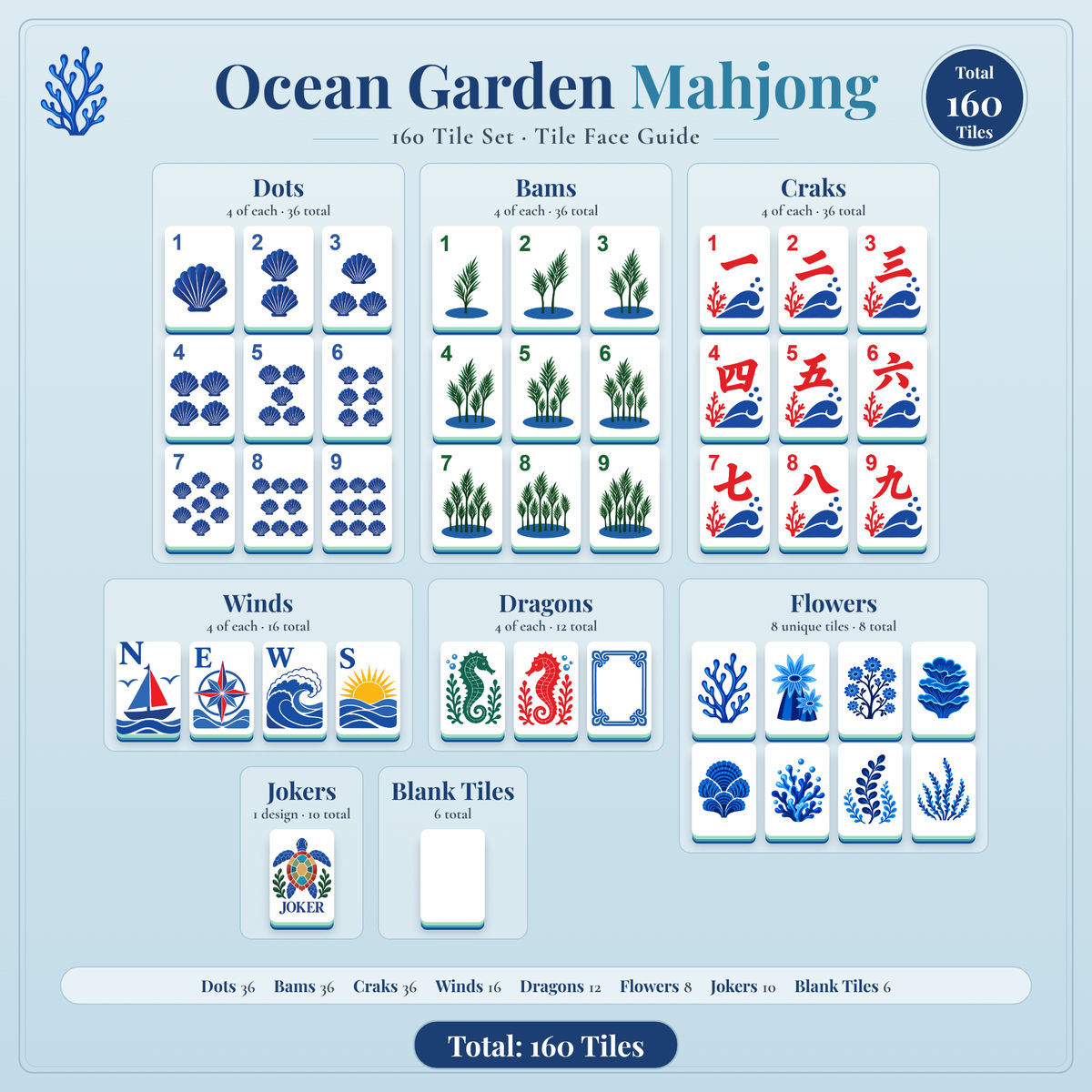
Mahjong in Malaysia is inseparable from Chinese cultural identity and remains a cornerstone of family life, social clubs, and leisure across the country. Malaysian players predominantly favor Hong Kong-style (Cantonese) mahjong—a 144-tile game with fast-paced sequences, chows (1-2-3 runs), and pungs (trips)—though American 152-tile variants have grown among expat communities and younger players seeking different rules. Games happen year-round in dedicated mahjong parlors, community centers, homes, and clubs; no single season dominates play. The game carries social weight: it's not just entertainment but a ritual that strengthens family bonds, particularly during Chinese New Year gatherings. Unlike formal tournaments, most Malaysian play is casual and recreational, with house rules and betting stakes varying by group. Newcomers find entry points through synagogues (especially in Petaling Jaya and Kuala Lumpur where expat communities thrive), community centers listing classes, and meetup boards advertising beginner-friendly sessions. If you're building your first set, you'll need either a Hong Kong 144-tile deck or an American 152-tile set with acrylic tiles, a mat, and racks—all available from specialists offering free US shipping worldwide. 🀄 Shop best-selling mahjong sets →
Why is Hong Kong mahjong the dominant variant in Malaysia?
Hong Kong mahjong arrived through Cantonese-speaking communities and embedded itself as the default game across Malaysia's Chinese diaspora. The 144-tile format, two-player option, and speed of play—combined with lower tile production costs historically—made it the natural choice for casual home games. Contemporary Malaysian players who learned mahjong from family almost always know Hong Kong rules first; American mahjong is typically adopted later by players seeking a more complex draw-mechanic experience.

What's the difference between Malaysian play and Western mahjong clubs?
Malaysian games are overwhelmingly informal and home-based, with house rules varying between neighborhoods and family units—a player sitting down in Klang might encounter different penalty structures than one in Georgetown. Western clubs, especially those in North America, standardize rules through published cards updated annually and enforce strict play protocols. Malaysian play emphasizes social bonding over scorekeeping rigor; betting is common, and tempo is faster. A typical Malaysian hand resolves in 5–10 minutes; an American card-driven hand may take 15–20 minutes due to strategic tile-reading and Charleston passing.
How do Malaysian players learn mahjong, and where can newcomers start?
Most Malaysian players learn from family members over years of casual play—younger players watching adults, gradually absorbing rules through observation rather than formal instruction. Newcomers typically ask relatives to sit in or join informal groups meeting weekly in homes. Expat and younger Malaysian communities increasingly find structured entry through community centers and libraries offering beginner classes, online tutorial channels, and meetup boards advertising "newcomers welcome" sessions. Learning by playing is standard; formal instruction cards are less common than in American mahjong culture, so expect the teaching to happen table-side.
What's the role of mahjong in Malaysian Chinese New Year celebrations?
Mahjong is a CNY centerpiece—family gathering rituals, often beginning after the festive meal. Multigenerational tables are normal: grandparents, parents, and adult children playing simultaneously in separate rooms or rotating in and out. The game carries symbolic weight: winning early in the year is seen as auspicious for luck. Stakes are typically modest (small coins or chip values) and the atmosphere is celebratory rather than competitive. These gatherings strengthen family ties and provide intergenerational knowledge transfer, making mahjong inseparable from CNY observance.
How do Malaysian rules differ from Hong Kong and international standards?
Malaysian house rules vary by group but commonly include: different point values for specific melds, variable discard penalties, and regional interpretations of "ready hand" (ting). Some groups play with all-threes (saam gong), all-terminals, or mixed-suit restrictions that differ from strict Hong Kong canon. Younger Malaysian players connected to international online communities increasingly adopt standardized Hong Kong rules to ensure compatibility when traveling or playing remotely. This "rule creep" has fragmented traditional Malaysian play, with urban, younger, and expat-influenced tables favoring uniformity while rural and older-player groups maintain local variants.
What tile materials do Malaysian players prefer, and why?
Tile Type | Favored By | Why | Best For ---|---|---|--- Bamboo (traditional) | Older players, traditionalists | Authentic feel, lower cost historically | Casual home games, heritage focus Plastic (bakelite or acrylic) | Urban players, frequent players | Durability, ease of cleaning, modern aesthetic | Weekly sessions, travel between homes Bone and bamboo (premium) | Collectors, high-stakes groups | Prestige, weight, tactile appeal | Serious clubs, display Acrylic (modern) | Expats, Americans, younger players | Bright colors, legibility, no maintenance | Learning, multi-language sets, visibility
Malaysian players have historically favored bamboo and bone tiles, but acrylic has gained ground among younger urban players and expat communities who value clarity, color-coding by suit, and portability. Acrylic sets designed for American play have introduced a new aesthetic—larger numerals, bright suit colors—that appeals to players learning in English-speaking environments or playing alongside American-variant players.

How can someone in Malaysia (or globally) find and join a regular game?
Step 1: Identify your dialect and rule preference Decide whether you want to learn Hong Kong, American, or another variant. Ask family members or search "mahjong class near me" + your city to see what's taught locally.
Step 2: Check community hubs Community centers, libraries, synagogues, country clubs, and leisure centers often post beginner classes or club meeting times. Phone ahead to ask about mahjong offerings.
Step 3: Search meetup and social boards Look for neighborhood Facebook groups, Nextdoor (in expat-heavy areas), or Meetup.com listing mahjong gatherings. Many groups explicitly welcome newcomers and have no skill requirement.
Step 4: Ask at mahjong parlors or clubs If your area has a dedicated mahjong venue, walk in and ask about open tables or beginner-friendly sessions. Staff can often recommend groups meeting outside the parlor.
Step 5: Start small—join a single-session trial Don't commit to a full season. Attend one game to assess the pace, rules, and social fit. Ask the host questions during breaks and return only if it feels right.
Step 6: Invest in your own set and mat Once you've committed to a group, buy a set suited to your variant and a mat to protect your table at home. This signals to the group that you're serious and ready to host too.
What should you check before buying a mahjong set if you're starting in Malaysia or abroad?
Rule compatibility: Confirm your group plays Hong Kong, American, Riichi, or another variant—tile count and suit designs differ. Hong Kong sets have 144 tiles; American sets have 152 tiles.
Tile material and clarity: If you're learning in a second language or with mixed-age players, acrylic tiles with large, clear numerals beat bamboo or bone. Test readability from across the table.
Mat and rack quality: A non-slip mat prevents tiles sliding during humid weather (common in Malaysia). Racks with pushers keep your hand organized and discreet—essential in formal or competitive play.
Travel durability: If you'll move your set between homes or travel internationally, choose acrylic over bone/bamboo and invest in a padded bag or case. Plastic tiles and acrylic mats compress easily; bamboo and bone are fragile.
Set completeness: Confirm the set includes all tiles, jokers, and wind/dragon indicators for your variant. Verify the count matches your group's standard (152 for American, 144 for Hong Kong).
Personalization options: Consider engraved sets—acrylic tiles can carry custom text, surnames, or symbols. This adds personality to home games and makes a meaningful gift for fellow players.
✨ Find your Mahstead set — free US shipping →
Our pick: Getting started in Malaysian or expat mahjong
If you're new to mahjong in Malaysia or an expat joining a local game, start with acrylic American-style or Hong Kong sets from the best-selling collection. Acrylic tiles are legible, durable in humid climates, and work across multiple rule variants. Pair your set with a quality mat (non-slip, washable) and racks with pushers to organize your hand and signal you're ready for regular play. All orders ship free across the US; international buyers can arrange forwarding as needed.
What's the cultural significance of mahjong beyond the game itself?
Mahjong in Malaysia is a vessel for cultural continuity, family identity, and intergenerational storytelling. It carries embedded meanings: luck, fate, skill, and social hierarchy play out over the tiles in ways that reflect Confucian values of respect and family duty. For Malaysian Chinese diaspora globally, playing mahjong connects them to their heritage when they're far from home—a tangible link to grandmothers, holidays, and childhood memories. The game's persistence despite digital entertainment reflects its deep social roots. During CNY and festive seasons, mahjong becomes a public declaration of cultural identity and family cohesion, especially for expat communities in non-Chinese-majority countries.
How do rule variations affect which set you should buy?
Hong Kong variants typically use 144 tiles (one 1-9 Bam, Crak, Dot sequence × 4, plus winds, dragons, and flowers). Sequences (chows) matter; all melded tiles show face-up. Buy a Hong Kong-specific set with clear suit markings and a mat.
American variants use 152 tiles (the full 1-9 sequence repeated 4× per suit, plus 16 winds, 12 dragons, 8 flowers, 8 jokers). No sequences are callable; only pungs, kongs, quints, sextets, and pairs. Buy an American set with jokers and a mat for strategic hand-shading.
Riichi (Japanese) uses 136 tiles with melds displayed differently; less common in Malaysia.
Taiwanese variants blend American and Chinese rules with unique point calculations.
The rule set determines tile count, joker usage, and suit design. Before buying, confirm with your group which variant they play—asking "Is this a 144-tile or 152-tile game?" will clarify everything. Explore the key differences by reading how American mahjong sets work to avoid purchasing the wrong format.
🎁 See our most-loved mahjong sets & accessories →

FAQ
Is mahjong illegal to play for money in Malaysia?
Gambling laws in Malaysia are complex and vary by state. Social play for modest stakes in homes is common and typically tolerated; commercial mahjong parlors operate in gray areas. Always check your local regulations and play within your community's norms. When joining a group, ask discreetly about stakes and legality.
Can I learn Malaysian mahjong online if I don't live there?
Yes. YouTube channels, online communities, and apps teach Hong Kong mahjong rules and tile reading. However, real-time play with experienced players—whether in-person or via video—teaches tempo and reading far faster than tutorials alone. Look for online mahjong clubs or ask your local community center if they host virtual beginner sessions.
What's the cost of playing mahjong regularly in Malaysia?
A personal set costs very little (plastic sets under 50 MYR); playing costs depend on stakes negotiated with your group. Casual home play among friends is often cost-free or involves tiny chip values. Mahjong parlors charge hourly table rental (typically 10–30 MYR per hour) plus optional food/drink purchases. CNY and tournament play may involve higher stakes, but beginners typically play for fun or nominal amounts.
Do I need to speak Cantonese to play mahjong in Malaysia?
No. Many younger players and expats play without fluent Cantonese. Hand names and terms are learned through repetition rather than language fluency. Your group will teach you; written cards, tile numerals, and body language convey most information. Cantonese fluency helps with speed and tradition but isn't a barrier to entry.
How do I know if I'm ready to host a regular game at my home?
You're ready when you've played 10–15 casual games, can read tiles quickly, know the basic rules without asking constantly, and have a set, mat, and racks you're comfortable with. Before hosting, ask your regular group about preferences (time, duration, stakes, house rules) so you can set expectations. Having snacks, good lighting, and a non-slip mat signals you're a serious host and encourages return visits.
Can I play American mahjong with Malaysian players, or should I learn Hong Kong first?
They're distinct games—mixing rules mid-session creates chaos. If your Malaysian group plays Hong Kong, learn that first. If you're abroad and joining an American club, learn American rules. Some expat communities have both formats available; ask which your prospective group prefers before investing in a set. Both are deeply rewarding; the choice depends on your community, not on skill level.


View More
View More
View More
