
Mahjong Classes for Beginners in Plano: Where to Start
Last updated: Nov 23, 2026
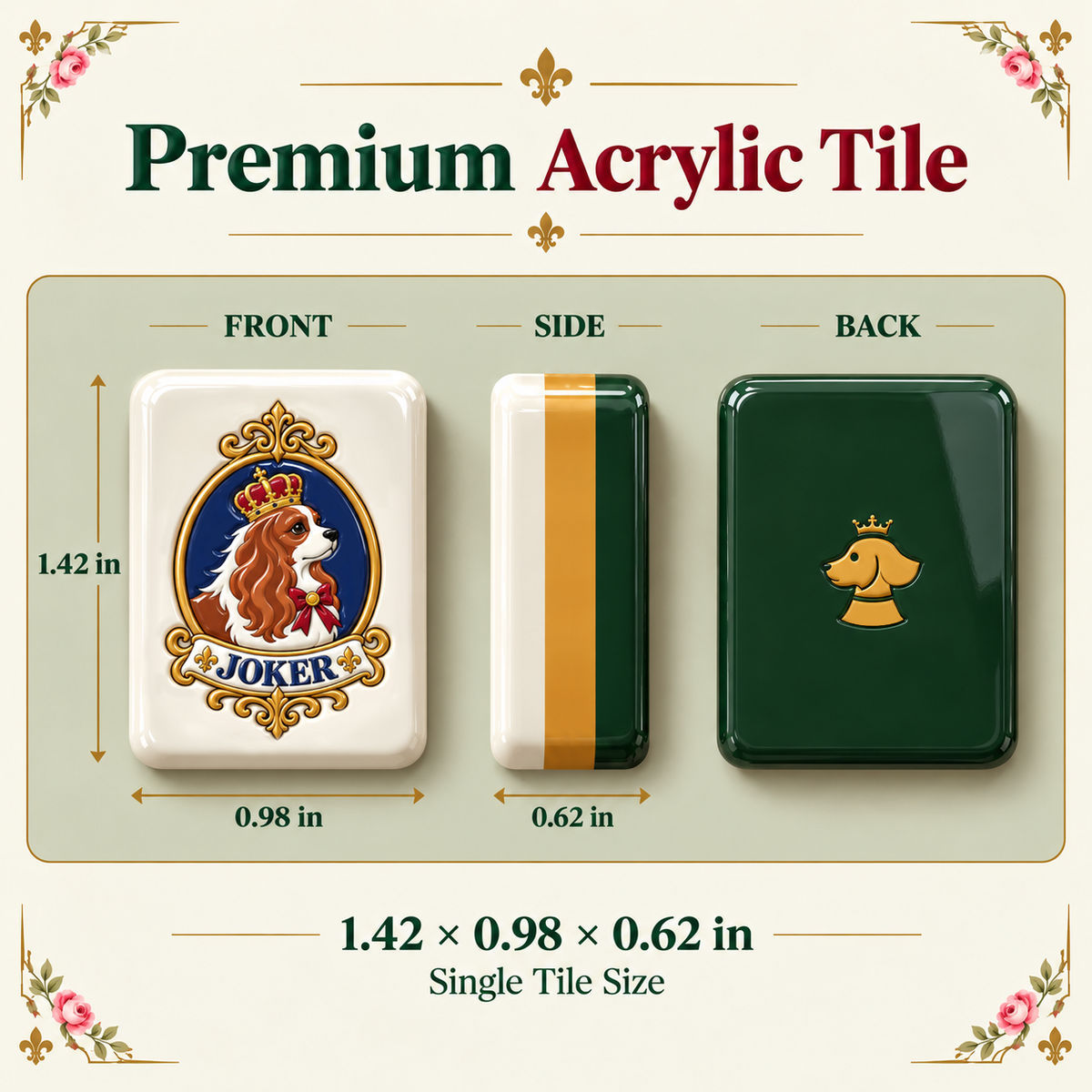
Beginner mahjong classes in Plano are offered through public libraries, community centers, senior centers, and informal meetup groups—many are free or low-cost. Start by calling your local Plano library or recreation department to ask about mahjong instruction; you can also search community bulletin boards, Meetup.com, or ask at nearby country clubs and synagogues, which often host or know about weekly games. Classes typically run 4–8 weeks and teach the 2026 National Mah Jongg League card rules (standard American mahjong with 152 tiles). Expect to learn hand reading, the Charleston tile-passing ritual, and basic strategy. Bring or borrow a mahjong set for learning, and ask the instructor whether you need a personal set on day one or if the class provides them. Most beginner courses cost nothing to modest fees; check ahead.
🀄 Shop best-selling mahjong sets →
Where do Plano beginners actually find classes?
Check Plano public libraries first—they maintain bulletin boards and host evening or weekend gaming clubs. Call ahead to ask if mahjong instruction is offered or if staff can name active groups. Community recreation departments (search "Plano Parks & Recreation") list seasonal classes; some partner with senior centers or adult education programs. Nextdoor, Facebook community groups, and Meetup.com often list weekly beginner meetups hosted by local players. If those yield nothing, try country clubs and Jewish community centers in the North Dallas area—they traditionally host mahjong and can direct you to beginner-friendly tables. Ask instructors whether they teach American mahjong (152-tile National League rules) or another variant; American is the most common in Texas.

What do beginner classes actually teach in week one?
Instructors start with how American mahjong works—the four players, the wall, the 152 tiles (108 in three numbered suits, 16 winds, 12 dragons, 8 flowers, 8 jokers), and why jokers are wild. You'll learn the Charleston, the tile-passing exchange that starts every game: east player passes three tiles right, then three center, then three left—it's ritual but important. Classes teach hand reading using the current National Mah Jongg League card (issued each spring, valid for one year). The card shows legal hand patterns; your job is to study it and spot matches. Week two usually covers exposure rules (when you can place tiles face-up on the table after calling them) and why jokers work the way they do—they can substitute for any tile except a pair, and you can never use a joker as a single tile. Common mistake: beginners try to build sequences like 1-2-3; American mahjong has no sequences. Legal exposed sets are pungs (three identical tiles), kongs (four identical), quints (five), and sextets (six).
What should I bring or buy before my first class?
Ask your instructor whether she provides sets or if you need your own. If you're buying, get a 160-tile American set—that's 152 playing tiles plus spares—and make sure it has acrylic tiles (they last, shuffle well, and feel professional). Check that the set includes a card holder or rack so you can stand your tiles upright as you play; many sets come with one, and dedicated racks with pushers are also available separately. Bring a pen to mark the card and a small notebook to jot down hand patterns you see. Don't spend money on a mat or case yet—borrow or wait until you've played a few times and know whether you love the game. If you're traveling to class, a compact padded bag keeps tiles from getting scratched.
🎁 See our most-loved mahjong sets & accessories →

How long does it take to stop feeling lost?
Most players feel comfortable calling hands and following the flow by week 3 or 4. Early on, you'll be slow reading the card and spotting your own hand—that's normal. The wall mechanic (dealing and drawing) feels weird until you've done it twice. Speed comes in month two or three, and strategy (which tiles to keep, which to discard) takes time. Experienced players often mentor beginners mid-game, so don't hesitate to ask "what should I throw?" or "am I reading this right?" The social payoff is huge: most weekly groups become friendships fast. Plano's game-loving communities are welcoming to absolute beginners. Show up, pay attention, and plan to laugh at your mistakes—everyone makes them.
What's the difference between beginner class games and real play?
Classes move slowly and stop to explain every call. Real games assume you know the 2026 card, the Charleston, and exposure rules; the pace is faster and players expect you to keep up. Some beginner instructors host a "friendly game" at the end of week 4 or 5 so you can practice under light pressure. If your class ends and you want to keep playing, ask if the instructor knows of open Wednesday or Thursday games nearby—those are common in Plano-area communities. After a class, you'll have the skills to sit at any American mahjong table, but you'll still learn from watching and playing for months. The card changes every spring (the new 2026 card came out then), so staying in touch with other players helps you stay current.
What mistakes slow down beginners most?
Common pitfalls in early play:
Mistake | Why it happens | How to avoid it |
Trying to build sequences (1-2-3) | Confusion with other games | Remember: American = pungs, kongs, quints, sextets only |
Using jokers in pairs | Misreading the rules | Jokers substitute for tiles; pairs must be real, identical tiles |
Forgetting the Charleston | Rushing into the game | Ask for a demo before the first hand |
Discarding too fast | Anxiety about holding up the table | Take your time; players expect newcomers to pause and think |
Not studying the card | Assuming memory is enough | Bring your own card and refer to it constantly—pros do too |
What to check before you buy your first set
Confirm the set is American (152 tiles, not 144 or 144-tile variants). Look for acrylic tiles—they're durable and slide smoothly. Check that numbers and characters are clearly printed and won't fade. Count that the box includes a card holder, pushers, or a rack; if not, buy one separately. Ask if the tiles rattle in transit (sign of loose stitching in the case) or if they arrive protected. Mahstead 160-tile sets ship in protective packaging across the US; inspect for chipped edges or cracks on arrival and report immediately. Store tiles flat or in a padded bag, never standing in the box for months—they warp. If you buy a mat too, pick one sized for your table (usually 35"–40" square for home play); mat selection depends on table size and your space.
Real next steps: a three-step checklist for this month
Find your class – Call Plano library, community center, or search Meetup.com for "mahjong beginners Plano" or "Dallas mahjong"; write down 2–3 contact numbers.
Ask the instructor – Email or call to ask (a) the game variant (confirm American), (b) whether you need your own set on day one, (c) if they teach 2026 card rules.
Get or borrow a set – If you're buying, check the best-selling mahjong sets collection for reviews and choose acrylic; if borrowing, arrange pickup before class starts.
✨ Find your Mahstead set — free US shipping →

FAQ
Do I need to own a mahjong set before my first class?
No. Ask the instructor ahead of time; most beginner classes loan sets or provide them. If you're planning to play weekly after, buying your own is worth it within the first month.
Can I learn American mahjong online before class?
Yes. Watch tutorial videos on the Charleston and basic hand patterns, and read the current National Mah Jongg League card rules. In-person instruction is still faster for real play, but online prep cuts confusion by 50%.
How many people are usually in a beginner class?
Four to eight, split into tables of four (the standard). If enrollment is low, instructors sometimes teach 2- or 3-player variants, though American is designed for four.
Is there a beginner's book or study guide for American mahjong?
The National Mah Jongg League card is your only reference—it's updated yearly (2026 version is current). Some instructors give handouts on hand patterns. No official textbook; the card is the law.
What if I find a class but it teaches Hong Kong or Chinese mahjong instead of American?
It's a different game (different tile count, hand rules, and scoring). For Plano area, confirm "American mahjong" or "National League rules" explicitly; most Texas groups play American, but it's worth checking.


View More
View More
View More
