
Mahjong Classes for Beginners in Hoboken: Where to Start
Last updated: Nov 23, 2026
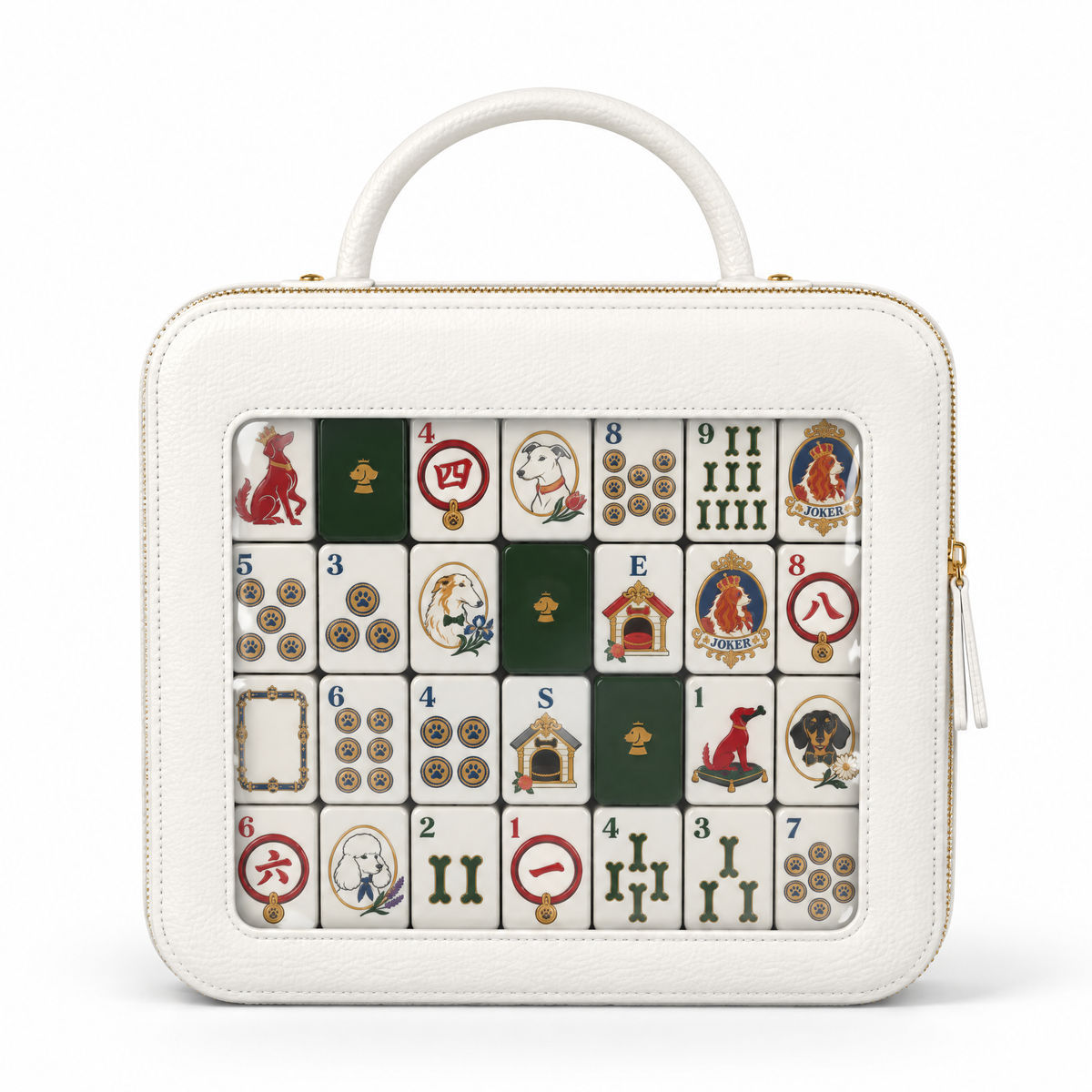
Hoboken beginners can find mahjong classes through community recreation departments, public libraries, synagogues, country clubs, and Meetup-style platforms. Most beginner programs meet once weekly for 6–10 weeks, cost varies by venue and instructor, and teach American mahjong using the current National Mah Jongg League card. Classes typically include the Charleston (tile-passing ritual), hand recognition, joker rules, and basic scoring. Before enrolling, confirm the variant taught (American mahjong uses 152 tiles and eight jokers, never sequences), whether you need to bring your own set or if the venue provides equipment, and whether the instructor is certified by a regional mahjong association. Start by checking your local community center's activity schedule, ask librarians, or search neighborhood Facebook groups—many established players offer beginner-friendly games weekly and welcome newcomers to observe before joining.
Where do Hoboken beginners actually find mahjong classes?
Hoboken's densest resources are municipal recreation departments, which list seasonal classes online and accept phone registration. Public library systems often partner with community organizations to host monthly learn-to-play sessions, usually free or low-cost. Synagogues in the area frequently run beginner programs in spring and fall, open to all faith backgrounds. Country clubs and senior centers sometimes advertise weekly games with informal coaching. Search "Hoboken Meetup mahjong" or scan neighborhood community boards (both physical and online)—many experienced players post invitations to casual learn-and-play nights. Your best lead: call the main branch of your local library and ask if they know a mahjong coordinator or instructor; librarians often connect beginners with vetted teachers.

What should you expect in a beginner mahjong class?
A typical beginner course runs 6 to 10 weekly sessions, 90 minutes each. You'll learn how to play American mahjong—tile recognition, hand patterns from the current year's League card, the Charleston tile exchange, and pung/kong/quint rules. The first class usually covers equipment: what the 152-tile set contains, how to build the wall, and why jokers can never be used as a single tile or pair. By week three, most beginners play short hands under supervision. Week five or six, you'll play a full game with scoring. Instructors show you how to read the mahjong card, which changes every spring—this is critical in American mahjong, because hands come only from that year's League card. Don't worry if you feel lost; everyone does. The learning curve flattens after three or four games.
🀄 Shop best-selling mahjong sets →
What equipment do you need before or after your first class?
Most community classes provide shared sets, but many experienced players bring their own. If your class asks you to buy a set, you'll need a full American mahjong set—152 tiles with eight jokers, plus four racks with pushers to hold tiles upright, a mat to protect surfaces, and dice for game starts. A travel bag or case protects your set and makes transport easy, especially if you plan to join games at other homes after class ends. Budget-conscious beginners often share a set with a classmate for the course duration, then invest later. Our best-selling mahjong sets include quality acrylic tiles with clear engraving, racks, and pushers—designed for players who want durability and legibility without fuss. If your instructor recommends engraved sets with your group name or year, those make excellent keepsakes and gifts for the full cohort.
Need | Best for | Why |
Shared class set | 6–10 beginners, short-term | Low cost; venue manages storage |
Personal acrylic set + racks | Ongoing home games | Durable; legible tiles; portable |
Weekly group play | Protects furniture; organizes tile layout | |
Multi-venue play | Safe transport; professional appearance | |
Engraved set | Group gift or milestone | Memorable; ties cohort together |
How do you move from class to regular games in Hoboken?
Most beginner courses end with a mini tournament or "graduation" game. From there, players either join existing weekly game groups or start their own. Ask your instructor if she runs a post-class group, or if she can introduce you to one. Post on local Facebook groups or Nextdoor: "New mahjong player in Hoboken; looking to join a Tuesday-night game." Experienced players actively recruit motivated beginners—you won't find it hard to slot into a regular game once you know the rules. Some groups play for fun only; others play for small stakes (check your comfort level first). After two to three months of weekly play, you'll have the card patterns memorized and feel confident calling hands. The social bonds often outlast the class—many beginners join their cohort for years afterward.
What's the difference between American mahjong and other variants taught elsewhere?
American mahjong is the only variant played exclusively from a licensed League card that changes yearly—hands are published, not invented. It uses 152 tiles (four copies of numbers 1–9 in three suits, 16 winds, 12 dragons, eight flowers) and eight jokers. Critically, American mahjong has no sequences (chows)—you expose only identical-tile groups (pungs of three, kongs of four, quints of five, sextets of six) and single tiles. You cannot call or expose a sequence like 1-2-3; that rule eliminates an entire layer of strategy common to Chinese, Hong Kong, and Riichi variants. If a class advertises "mahjong" without specifying American, ask: do you use a League card? If not, it's likely a different variant with different rules, strategy, and tile counts. Hoboken instructors typically teach American (the dominant variant in the U.S.), but always confirm before enrolling.
🎁 See our most-loved mahjong sets & accessories →

Before you register: what questions should you ask the instructor?
Question | Why it matters |
Do you teach American mahjong from the current League card? | Ensures you learn the standard variant; some instructors teach house rules or other variants |
Will I need to buy a set, or do you provide one? | Budget clarity; no surprises |
What does the course fee include? | Clarifies if materials, snacks, or a set are provided |
Do you offer ongoing play after the course ends? | Helps you stay engaged past week six |
Are you affiliated with a mahjong association or club? | Signals credibility; many credentialed instructors list their affiliation |
How many students per class? | Smaller cohorts (under eight) allow more hands-on coaching |
Is this beginner-friendly if I've never played before? | Confirms the pace and assumes no prior knowledge |
Ask these questions via email or phone before registering. Serious instructors welcome vetting.
What to check before you buy your first set
If your class requires you to purchase, verify tile count and composition first. An American mahjong set must contain exactly 152 playing tiles plus eight jokers—no fewer. Some retailers sell 144-tile sets or Chinese sets; those won't work for American mahjong. Look for clear, large numerals and suit symbols (Bam, Crak, Dot) in contrasting colors so you can read tiles from across a table. Acrylic tiles last longer than bamboo/bone if you play weekly. Check that mahjong racks with pushers are included or sold separately—racks make tile organization intuitive, and pushers help you draw tiles cleanly from the wall. If weight matters (e.g., you travel), acrylic is lighter than traditional materials. Buy from a vendor who ships free, because even a small set is bulky. Mahstead designs 160-tile sets (152 playing tiles plus spares) with engraved acrylic and matching racks, pushers, and optional mats—built for players who host weekly games.
✨ Find your Mahstead set — free US shipping →
Should you buy engraved or personalized equipment?
Engraved sets—with your name, year, or group name etched into the case or tiles—cost more upfront but become treasured keepsakes. If your beginner cohort plans to stay friends and play together for years, a group engraving (class year, initials, or a joke slogan) marks the milestone. Personalized mats and racks also deter mix-ups at multi-game gatherings. However, engraving takes time—order at least two weeks before you need it. For your first class, a standard set is fine; you can always upgrade to an engraved American mahjong set later if you fall in love with the game. Many players own both: a casual set for learning and a nicer engraved set for hosting.
What to check before you buy
Tile count and composition: 152 playing tiles + 8 jokers for American mahjong only.
Legibility: Can you read numerals from 3 feet away?
Racks and pushers included: Essential for organized hand-building.
Shipping: Free US shipping saves cost on bulky sets.
Material: Acrylic is lighter, durable, and easy to read than traditional materials.

FAQ
Can I learn mahjong online instead of taking a class in Hoboken?
Online classes exist, but mahjong is a tactile, social game—holding tiles, building walls, and interacting face-to-face with other players teaches strategy faster than video. Many Hoboken beginners appreciate the in-person structure and friendships. Consider a hybrid: watch tutorials beforehand, then attend local classes to practice hands.
Is American mahjong harder than Chinese mahjong?
Neither is objectively harder; they're different games. American mahjong uses a licensed card and no sequences, so strategy revolves around pattern matching and joker placement. Chinese mahjong includes sequences (chows) and more tile combinations, which adds complexity. If you learn one well, switching to another takes a few hours of rule review.
What if I miss a class—can I catch up?
Yes. Most instructors allow you to attend a makeup session the following week, or they'll e-mail slides and a recap. Mahjong learning is cumulative but forgiving; missing one class doesn't derail you. Alert your instructor in advance if possible.
Do I need to memorize the mahjong card before my first class?
No. The card looks overwhelming at first—it's a grid of hand patterns—but instructors teach you to scan it in specific ways (by suit, by numbers, by pung/kong count). By week two, you'll recognize common patterns without memorizing. Bring the card to every class and game for months; seasoned players still reference it.
Should I invest in an expensive set or start cheap?
Start with a mid-range acrylic set with clear engraving and included racks. Cheap sets have illegible tiles or missing pieces, which frustrates beginners. Expensive bone-and-bamboo sets are beautiful but fragile and not worth the cost until you're sure you'll play weekly for years.
Can I join a game after just one class?
Not recommended. After one class, you know the tiles and basic rules, but you'll miss hand patterns and scoring nuances. After three or four full games (usually by week 4 of a 6-week course), you'll feel confident joining a casual group. Rushing in causes frustration for you and other players.


View More
View More
View More
