
Mahjong Classes for Beginners in Charlotte: Where to Learn & What to Know
Last updated: Nov 23, 2026
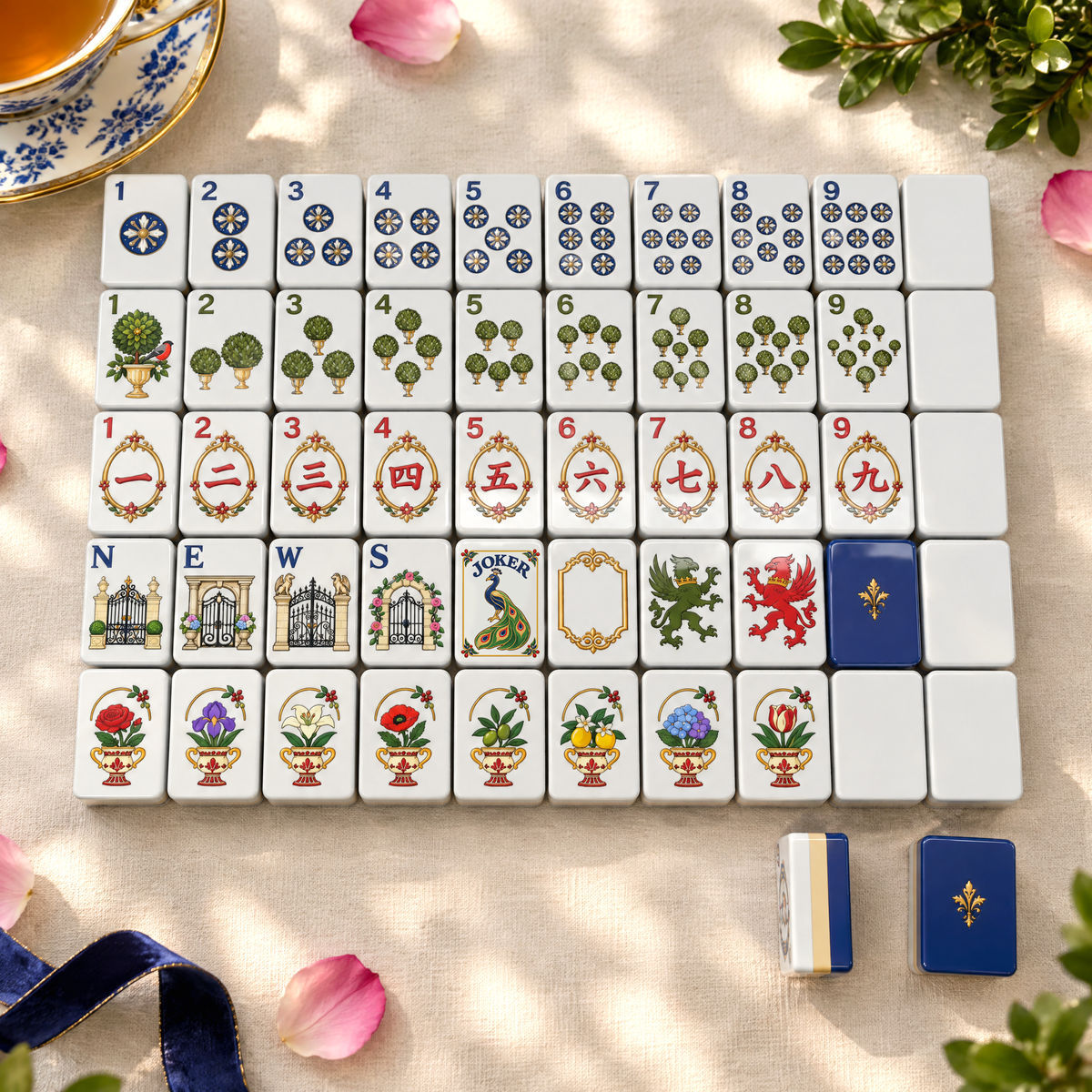
Charlotte beginners can find mahjong classes through three main channels: Mecklenburg County Parks & Recreation (check their website for seasonal classes), the Mecklenburg Public Library system (ask about game groups or instructional programs), and informal weekly meetups at country clubs, synagogues, and community centers—search Meetup.com and local Facebook groups for "Charlotte mahjong" or "Charlotte game night." Classes typically run 4–8 weeks and cost little to nothing; libraries often host free drop-in games. Most assume no prior knowledge and teach American mahjong (152 tiles, hands from the annual National Mah Jongg League card). Before your first class, buy a best-selling mahjong set so you can practice at home—many instructors recommend bringing your own tiles to understand the weight and feel. #
Where do Charlotte beginners find mahjong classes?
Parks and Recreation departments, public libraries, and informal game clubs are the fastest paths. Call Mecklenburg County Parks & Recreation or check their online class schedule for seasonal beginner offerings; they often meet weekday evenings or Saturday mornings. The Mecklenburg Public Library system also posts game-group schedules—ask a librarian or check their events calendar. For private groups, search "mahjong Charlotte NC" on Meetup.com, browse local Facebook groups (search "Charlotte mahjong players" or "Carolinas mahjong"), and call nearby country clubs, temples, or synagogues—many host weekly games open to newcomers. Senior centers frequently welcome adult learners too. Once you find a class or group, confirm they teach American mahjong (not Chinese or Hong Kong variants) so the rules match what you practice at home.

What exactly happens in a beginner class?
A typical beginner session runs 1.5–2 hours and covers tile names, hand-reading basics, the Charleston (tile-passing ritual), turn sequence, and how to recognize winning hands. Instructors show the current year's National Mah Jongg League card, explain how to use it, and walk through 2–3 sample hands. You'll likely play a short practice round where an experienced player or instructor calls the plays. Expect a relaxed, social pace—instructors know beginners need repetition. Most classes supply tiles; if not, bring your own so you're comfortable handling them. Understanding the Charleston before class speeds up learning. By session three or four, you'll be following the card and making plays with confidence. Don't worry about memorizing hand patterns—that comes with time and reading the card correctly.
🎁 See our most-loved mahjong sets & accessories →
How do I prepare for my first class?
Read this beginner guide first, then practice tile identification at home using your own set. Learn the four suits (Bams, Craks, Dots, Honors), the winds and dragons, and how to spot a pung (three identical tiles) versus joker use. Watch a 10-minute video walkthrough of American rules on YouTube to familiarize your ear with the terms. Wear comfortable clothes and bring a notebook—jot down one tricky hand-pattern each session. Most importantly, handle the tiles: shuffle them, draw, and stack them in your rack so the weight and sound feel natural by game time. Arrive 10 minutes early to settle in, ask the instructor one preparatory question, and relax—everyone at your table was once where you are. A best-selling set is your best practice partner before class.

What's the difference between American mahjong and the versions taught elsewhere?
American mahjong is played with 152 tiles (three suits × nine numbers, four winds, three dragons, flowers, and jokers), hands come only from the published National Mah Jongg League card each year, and you cannot call or expose sequences (only pungs, kongs, and longer sets). Chinese and Hong Kong mahjong use different tile counts, hand-building rules, and scoring. Riichi (Japanese mahjong) has vastly different melds and a complex point system. Many Charlotte clubs teach American because it's structured, social, and great for memory and strategy. Make sure your class specifies "American mahjong"—if it doesn't, ask. Once you commit to American, stick with that ruleset so your practice transfers directly to the table.
What should a beginner look for in a class—and what red flags to avoid?
Class Signal | Green Flag | Yellow Flag | What It Means |
Size | 6–12 players | 2–4 or 15+ | Sweet spot for practice; too small = no variety, too large = slow turns. |
Pace | Instructor reviews hands aloud; practices before scoring | Plays move fast; assumes prior knowledge | Beginners need time to read the card and think. |
Materials | Uses current-year NMJL card; players have tile sets | Uses old cards or borrowed tiles | You must learn from the current card rules; your own set builds muscle memory. |
Instructor | Welcomes questions; shows the same hand twice | Rarely explains; moves on quickly | Teaching mahjong requires patience and repetition. |
Cost | Free–moderate, clearly stated upfront | Vague pricing or high per-session fee | Classes should be affordable; transparency matters. |
Ask the instructor before your first session: "Do you teach American mahjong?" and "Can I bring my own tiles?" Avoid groups that pressure you to join a paid league or buy upgrades before you've learned basics. The best classes make you feel welcome, explain the card, and let you play the same hand multiple times until it clicks.
🀄 Shop best-selling mahjong sets →
How do I stay sharp between classes?
Play at home using your own set, practice reading how jokers work in different hands, and shuffle the tiles daily so they feel automatic in your hands. Set an alarm to rotate the current year's NMJL card—update it by spring when the new card is released (typically March). Join a weekly game group, even an informal one with friends; consistency beats cramming. Visit the NMJL website to download the current card and study three hands before each class. Watch one YouTube tutorial per week on American mahjong scoring or the Charleston explained to cement the mechanics. After 4–6 weeks, you'll know the card well enough to spot hands at a glance.
✨ Find your Mahstead set — free US shipping →
What to Check Before You Buy a Beginner Set
Buy a best-selling set if you're serious about daily practice; lightweight acrylic tiles are durable and easy to shuffle. Confirm it has 152 playing tiles plus spare jokers and blanks. Check the tile engravings are clear and raised so you can feel the numbers. If you travel to games, add a mat and a carrying bag so setup and cleanup are fast. Use racks with pushers once you're comfortable to speed up play and prevent tile slips. Don't overbuy at first—a clean set and the current card are all you need to start.
#

FAQ
Are there free mahjong classes in Charlotte for absolute beginners?
Yes. Check Mecklenburg Public Library's game-group calendar and Mecklenburg County Parks & Recreation's class schedule—both often list free or very low-cost beginner sessions. Some country clubs and synagogues also welcome new players at no charge. Call ahead to confirm the start date and any material requirements.
What's the easiest way to find a weekly game group in Charlotte?
Search Meetup.com for "Charlotte mahjong" or "Carolinas game night," browse local Facebook groups, and call community centers and senior centers. Many post weekly schedules online; ask if newcomers are welcome and what skill level they assume.
Should I buy a mahjong set before my first class?
Not mandatory—most classes supply tiles. But buying one lets you practice tile-handling and hand-reading at home, which speeds up learning. A best-selling set costs little and you'll use it for years once you catch the game.
How long does it usually take to play your first full game?
After 3–4 weekly one-hour classes, most beginners can follow the card, make legal plays, and understand scoring. Playing at full speed with experienced players takes 8–12 weeks of consistent practice.
What's the difference between American mahjong and Chinese mahjong?
American mahjong uses 152 tiles, hands must match the published National Mah Jongg League card, and you cannot call sequences. Chinese mahjong has different tile sets, hand-building rules, and scoring. Ask your instructor which they teach—it matters.
Do I need special equipment to play in a class?
No—just the tiles, the current NMJL card, paper, and a pen. Once you play regularly, a mat and racks with pushers make setup cleaner and faster, but they're optional for beginners.
What happens if I miss a class or fall behind?
Mahjong classes are low-pressure. Attend when you can, and ask the instructor to repeat a tricky section. Practice at home between sessions—even 15 minutes shuffling and reading the card daily keeps you caught up.


View More
View More
View More
