
What to Look for in a Mahjong Set: A Buyer's Guide
Last updated: Nov 23, 2026
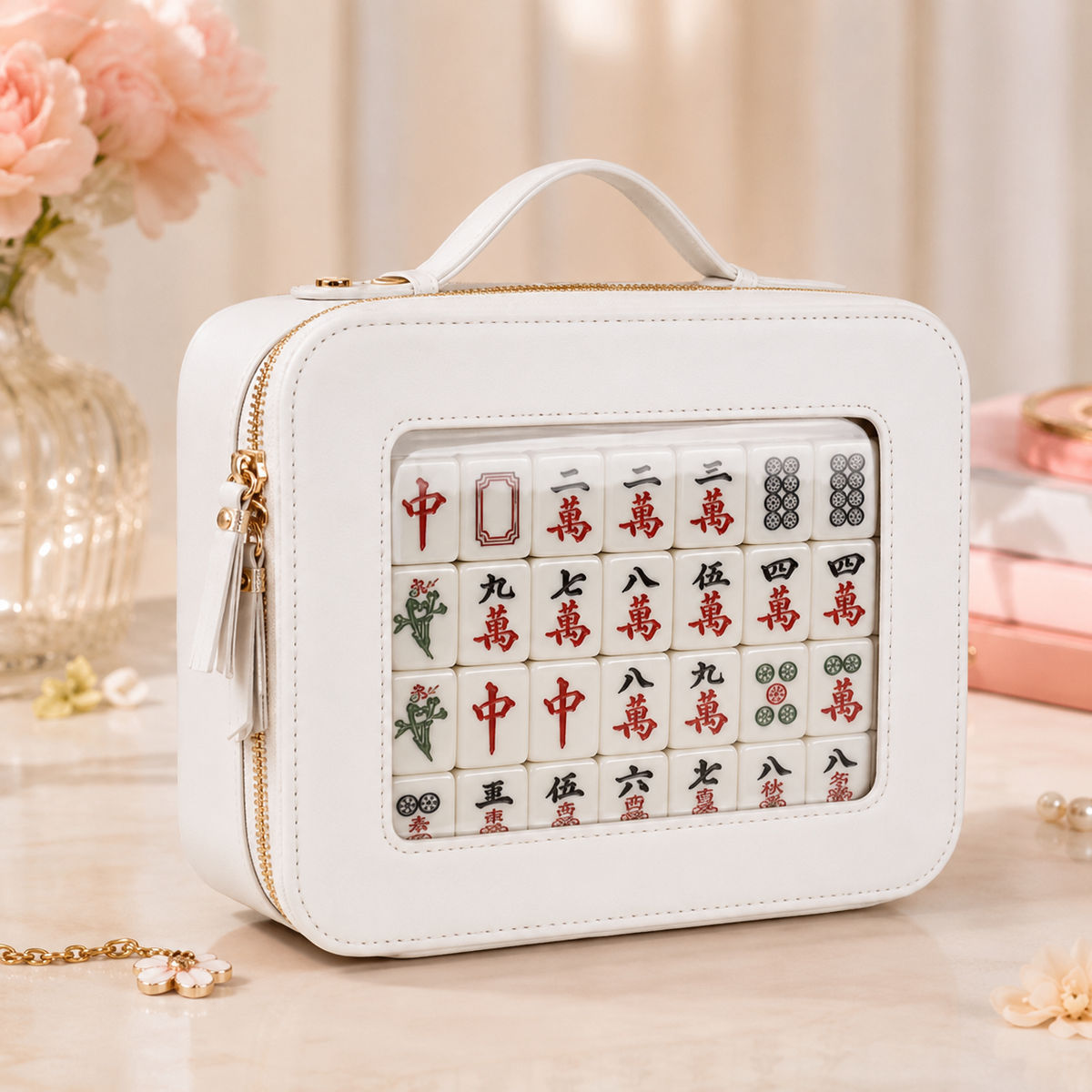
When you're buying a mahjong set, you're really deciding among three variables: tile material and finish (acrylic or bamboo composite), tile size and weight comfort for your hands and table space, and design style—solid colors, engraved titles, seasonal themes, or bold graphics. American mahjong sets always contain 152 playing tiles plus 8 jokers (160 total), no matter the vendor. The real differences emerge in how legible the suit symbols are under lamplight during a three-hour game, whether the tiles feel balanced when you push them, and whether a mat, racks, and a bag matter to you. At Mahstead, we work with acrylic tiles because they're durable and vibrant, and many sets come engraved with titles and inside jokes your group will recognize for years. Cost varies by design complexity and whether you add accessories; the main choice is whether you're buying just for yourself or investing in a set your whole table will use weekly.
Do I really need to match tile size to my table space?
Yes. Tiles range from compact (good for small tables or lap play) to standard (best for full 36-inch spreads). Larger tiles mean easier reading under poor light and less strain on aging eyes—but they need more real estate. Measure your available width before ordering; you can't comfortably play a full hand if tiles spill off the edge or if you're bumping into your neighbor's rack.
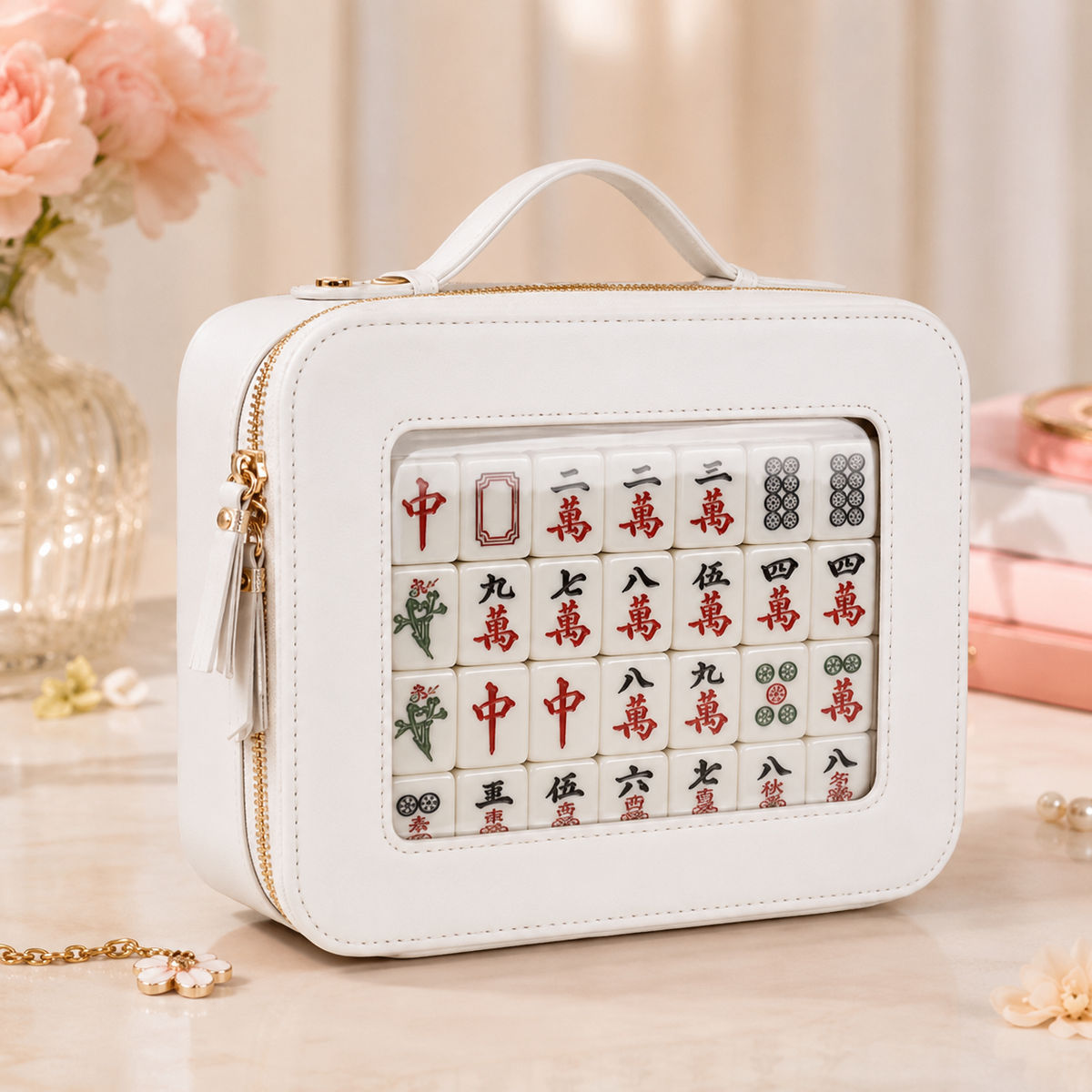
What makes a tile legible during a long game?
High contrast between the tile face and the suit symbol, clean printing or engraving, and a matte or lightly textured finish that doesn't glare. Glossy surfaces bounce light around; acrylic tiles with engraved numerals stay clear for three hours of play. We always print samples of our designs so players can judge readability before ordering a full set.
Should I buy extra jokers or blank tiles?
Not necessary for actual play—152 tiles and 8 jokers are always the playing count. Extra jokers and blanks (included in many 160-tile sets as spares) are insurance if one gets lost or damaged. Blanks let you hand-mark replacement tiles if a joker chips. Keep spares in your bag, not in the game.
How much comfort difference does tile weight make?
Substantial. Heavier tiles (around the weight of a domino) feel substantial when you push them and reduce fatigue in your pushing hand over long sessions. Lightweight tiles slide too easily and feel flimsy. Acrylic tiles at standard thickness strike the right balance; you'll notice the difference immediately when you compare sets side by side.
Does personalization actually last, or does it wear off?
Engraving lasts indefinitely because it's cut into the tile surface, not printed on top. After years of weekly play, engraved titles stay sharp while printed designs on cheaper sets can fade or chip. If you're buying a set you plan to pass to your kids someday, engraving is the only choice that survives decades.
Which set is right for casual players versus serious competitors?
Scenario | Best choice | Why it works |
Casual weekly group, just starting | Best-selling collection — solid colors or simple graphics | Durable, readable, no pressure to match a complex theme; good value for new players. |
Established group playing for years | Engraved titles — personalized with your group name | Personal investment signals respect for the game; engraved tiles become a keepsake. |
Seasonal gift or host set | Instant fun factor; tells guests "we take this seriously"; festive without being silly. | |
Travel or portable play | Compact size + travel bag and case | Fits carry-on or backseat; includes protection so tiles don't rattle loose. |
Tournament or league player | Standard size, high contrast, racks with pushers included | Regulation comfort; pushers speed exposure and reduce tile-handling errors. |
What to check before you buy
Tile size: Does it fit your table? Ask yourself: can I spread a full 13-tile hand comfortably without tiles touching my neighbor's space?
Material feel: Order a sample or visit a friend's set. Acrylic should feel cool, solid, and balanced in your palm—not plasticky or hollow.
Suit contrast: Can you distinguish Red Dragon (goes with Craks) from White Dragon (Soap, goes with Dots) at arm's length without tilting the tile? In poor light?
Finish on the back: Backs should have slight texture so tiles don't slip when stacked; completely smooth backs cause fumbles.
Joker and spare count: Confirm you're getting 152 playable tiles plus 8 jokers. Any extra jokers or blanks are spares—nice to have, not required.
Accessory bundle: Do you need a mat, racks, pushers, or a bag? Buying separately is fine, but a bundle saves shipping and usually costs less overall.
Engraving clarity: If you choose personalization, ask to see a proof. Check that your group name or inside joke is legible at actual tile size—not cramped or fuzzy.

Material and durability: acrylic versus other options
Acrylic tiles offer the best durability-to-cost ratio for weekly play. They don't absorb moisture, won't warp if a drink spills nearby, and the surface resists minor scratches. Bamboo composite tiles look beautiful but require care—they can swell in humidity and need occasional sealing. For a set that travels or sits in basements where humidity varies, acrylic wins. For a display set or trophy piece that stays in a climate-controlled room, bamboo or jade composite can feel special. Most serious players own at least one acrylic set because you can truly abuse it and still play after twenty years.
How design choices affect your table's dynamic
A set with a bold, recognizable design (engraved titles, seasonal graphics, or a signature color) becomes part of your table's identity. Guests remember "the group that plays with those beautiful turquoise sets" or "the mahjong crew with the joke about last year's cruise engraved on every tile." Solid-color sets are neutral; they work anywhere and don't date. Trendy graphics can feel dated in three years. Our experience: groups that invest in engraved titles or custom designs treat their weekly game with more ceremony—they arrive on time, they teach new players carefully, and the set lasts longer because it's cherished.
What you'll need
If you're serious about comfort and frequency, pair your set with:
Mahjong mats: Protects tiles and table, dampens noise, gives you a play surface anywhere.
Racks with pushers: Speeds up tile exposure (especially important in competitive play) and reduces repetitive hand strain.
A durable bag or case: Tiles and racks need protection if you carry them between homes or to tournaments.
Accessories are optional for casual play but essential if you host weekly or travel. Each solves a real problem: mats save tables from tile scratches and water rings; racks keep your exposed tiles organized and visible to all players; bags prevent tiles from rattling loose or getting damp.
🀄 Shop best-selling mahjong sets →
Real mistakes to avoid when ordering
Assuming "160-tile" means more playable tiles. It doesn't. Every American game uses exactly 152 tiles and 8 jokers. The extra tiles are spares; they never enter play.
Ordering the smallest size to save money. Cheap-out on comfort and you'll resent the set after month two. Spend a few dollars more for standard size and proper weight; you'll play better and longer.
Buying a set sight unseen for a beginner. New players don't know what they need yet. Suggest they borrow a friend's set for three games first, then order their own in the style and size that felt right.
Skipping the mat if you host. Tiles on bare wood or glass tables are loud, hard on the tiles, and splash water everywhere. A mat is the cheapest insurance against needing to replace a damaged set.
Choosing a design you think is cool but your group hates. If you're buying for shared use, run the design idea by the table first. A set nobody wants to play with is money wasted.
New player versus seasoned player: what each needs
If you're brand-new: Start with a best-selling set in a straightforward design and standard size. You don't yet know if you'll play weekly or monthly, so don't splurge on engraving. Add a mat if you're hosting; skip racks for now.
If you've played 50+ games: You know your preferences. This is the time for engraved personalization, a compact travel set if you play at multiple locations, or a second set in a different color so your group can host bigger nights. A set with racks and pushers becomes worthwhile once you value speed and reduce hand strain.
🎁 See our most-loved mahjong sets & accessories →
The numbers that matter: readability, durability, and play hours
Over three seasons of weekly play (roughly 150 games), you'll shuffle and push these tiles 3,000+ times. Cheap tiles develop soft spots or loose printing; acrylic tiles stay crisp. Under typical home lighting (60–100 lux), suit symbols need at least 2:1 contrast to be readable without tilting. Engraved tiles maintain that contrast forever; printed designs fade. A mat absorbs impact and extends tile life by 30–40% based on wear patterns we see in returned tiles. Weight matters: a standard tile at 8–10 grams per tile reduces fatigue compared to a flimsy 5-gram tile after 90 minutes of pushing and stacking.
✨ Find your Mahstead set — free US shipping →

FAQ
What's the difference between an American mahjong set and a Chinese set?
American sets use 152 tiles with jokers; Chinese sets use 144 tiles with no jokers and different hand patterns. American games are played from the current year's National Mah Jongg League card only. Rules, tile counts, and exposed combinations are completely different; you can't mix the two.
Can I wash mahjong tiles?
Yes, acrylic tiles. Wipe them gently with a slightly damp cloth and dry immediately. Don't soak or use harsh chemicals. Bamboo composite tiles should only be wiped dry; excess moisture can cause swelling. Never put any mahjong tiles in a dishwasher.
How do I know if a set has enough jokers?
Every American set must have exactly 8 jokers for play. All 160-tile sets include the full 8 jokers. If a listing doesn't clearly state "8 jokers included," ask before ordering—you cannot play without all 8.
What size table do I need for standard mahjong tiles?
Ideally 36–42 inches wide minimum to comfortably spread a full 13-tile hand, the wall, and your rack. Smaller tables work if you play more casually or use compact tiles. Measure your space and compare to the tile dimensions before ordering.
Is engraving worth the extra cost?
If you play weekly with the same group, yes. Engraving lasts forever and makes the set feel personal—a keepsake, not a commodity. If you play casually or lend the set often, solid colors are fine and less expensive.
Do I need racks and pushers?
Not for casual play. For competitive or tournament play, or if you host frequently, racks with pushers speed up tile exposure and reduce hand strain. They're worth adding if you play more than twice a month.


View More
View More
View More
