
Custom Mahjong Pushers: What to Choose & Why
Last updated: Nov 23, 2026
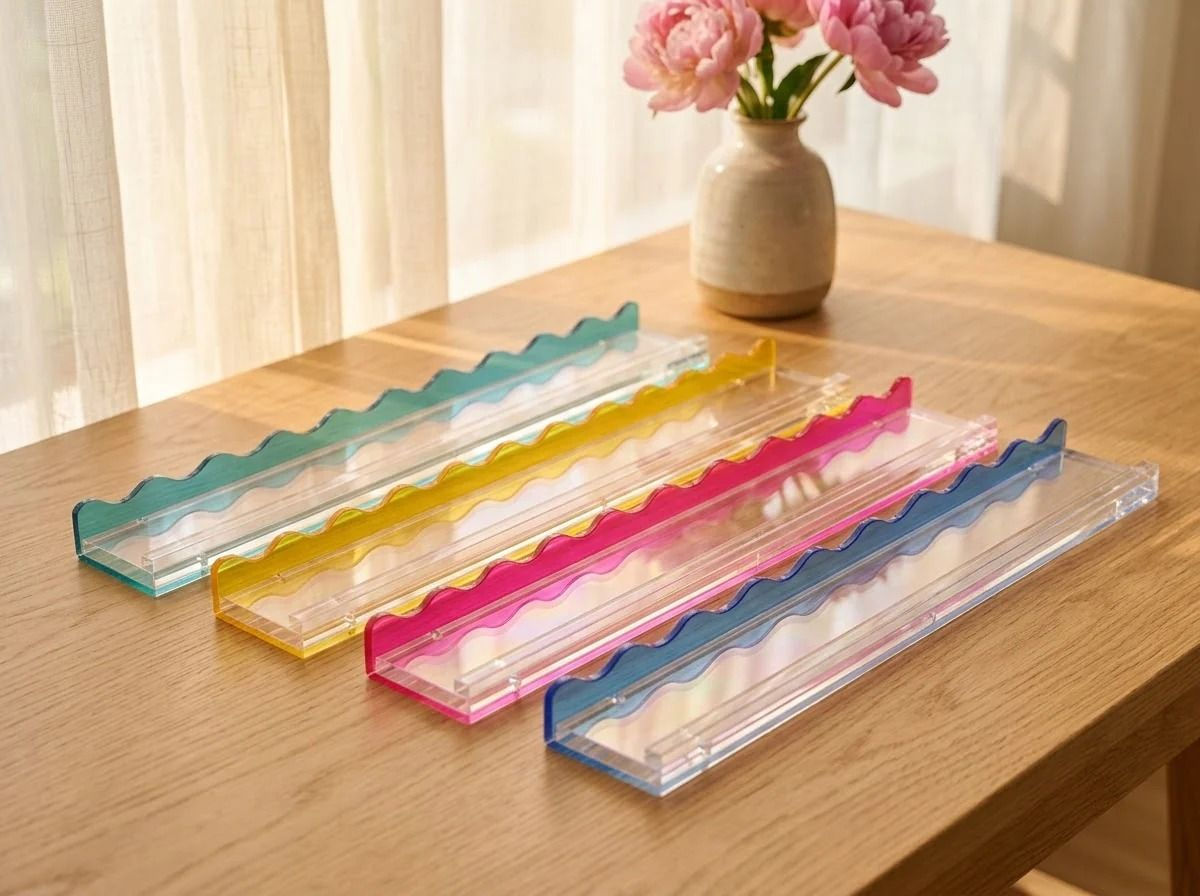
A mahjong pusher is a flat stick, typically 3–4 inches long, designed to help you nudge tiles neatly without your fingers touching them—a courtesy move at the table. We use pushers when discarding or arranging our hand to reduce wear on tile faces and keep our tiles aligned in the rack. The best pushers are solid acrylic, bamboo, or bone; custom-engraved versions let you add your name, house name, or a witty mahjong phrase. Mahstead offers mahjong racks with pushers in finishes that match your tiles, and many players buy one pusher per set so they're never hunting for one mid-game. A quality pusher costs less than a mat but lasts decades if the edge stays smooth.
A pusher sounds like a small luxury—and it is—but once you've played with one, you won't go back. It's not just a gesture; it's protection. Every time your fingers touch a tile to discard or draw, you risk oils, smudges, and edge chips. A pusher gives you control, a cleaner hand, and a way to make your set feel yours.
What exactly is a mahjong pusher and why do you need one?
A mahjong pusher is a short, flat stick you hold like a stylus to push tiles forward when discarding or arranging them in your rack. Instead of pinching a tile with your fingers, you use the pusher to slide it from your hand onto the discard pile. It protects both the tile surface and the rack from repeated contact, keeps the game table looking professional, and reduces smudging of the face print. Most serious players keep one in their set bag or on the table during every game.
🀄 Shop best-selling mahjong sets →
Should you choose acrylic, bamboo, bone, or resin for a pusher?
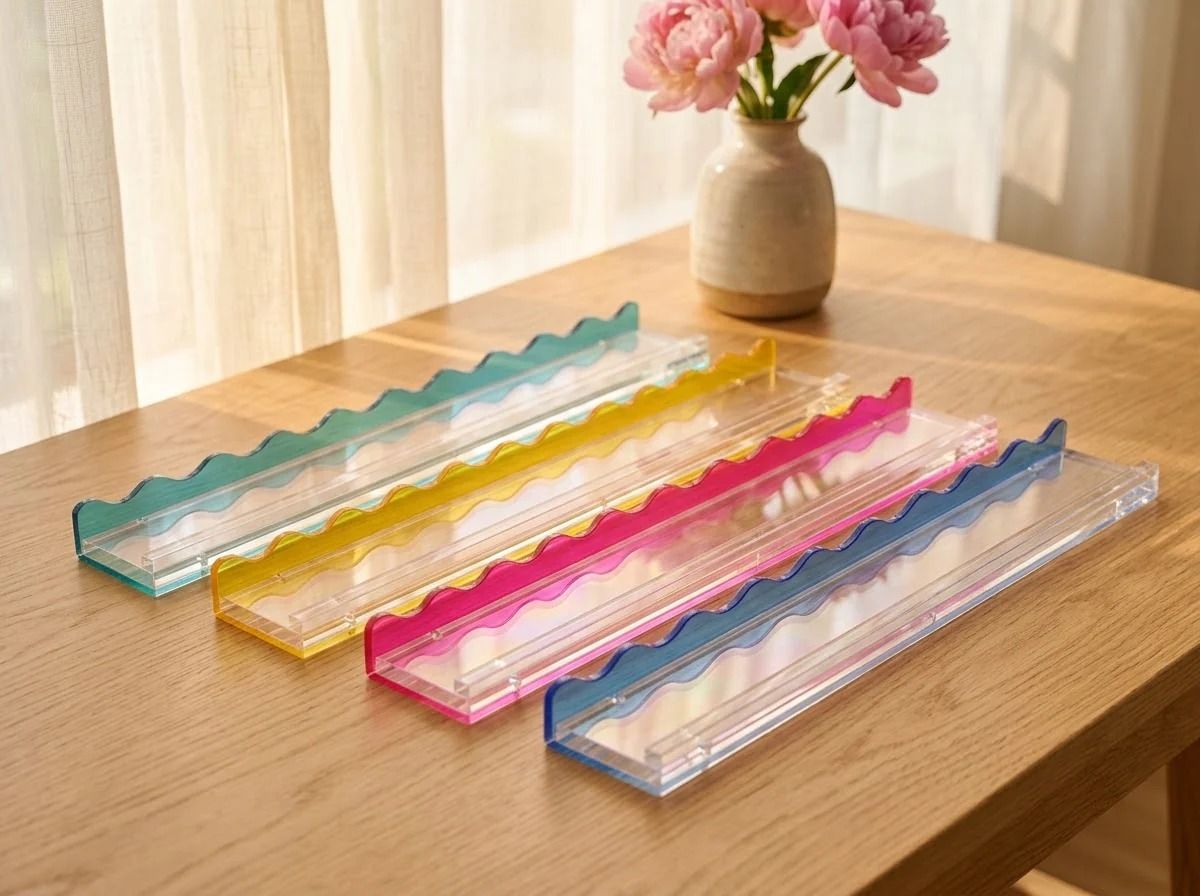
Each material has a trade-off: acrylic is lightweight, smooth, and cheap to engrave with a clean finish; bamboo feels warm in hand and is eco-conscious but can splinter at the edge over years; bone is traditional, durable, and lovely but harder to customize and pricier; resin allows deep color and fun designs but can feel plasticky if not well-made. For weekly players who want longevity and customization, acrylic is the sweet spot. Bamboo suits players who value aesthetics and don't mind re-replacing it. Bone appeals to collectors. Resin works if you want a bold color or joke that acrylic can't match. Mahstead's rack collection offers acrylic pushers in designs that coordinate with your tiles, so your hand looks intentional from day one.
What can you engrave on a custom pusher?
Most players engrave their name, house name, or a one-line mahjong motto. Popular choices include "Go Big or Go Home," your initials, a nickname, or even a year. Engraving typically runs ¼ to ½ inch of text, single-sided or two-sided. The best engravings are simple: thin, legible fonts without tiny details that blur on a small surface. Avoid dense graphics—a simple logo or line drawing is safer than a photorealistic image. If you're ordering custom acrylic pushers, a local engraver can do one-offs, but for sets of pushers to match your set tiles, Mahstead designs them to fit your tile finish and engraving style.
How do you choose between a single pusher and a set of four?
Buy a single pusher if you already have one and just want a backup, or if you're testing the habit. Buy a set of four if you host weekly games—one per player is the golden rule, because lenders get lost, bent, or forgotten. A four-pack also looks coordinated when the game photos go up. Some players buy one fancy pusher (e.g., personalized, bone) for themselves and cheaper ones to loan to guests. The per-unit cost drops in a four-pack, and you'll never again pause mid-game to ask "whose pusher is this?" Pair your mahjong racks with pushers as a complete set so every player sits down ready to go.
What mistakes do buyers make when ordering custom pushers?
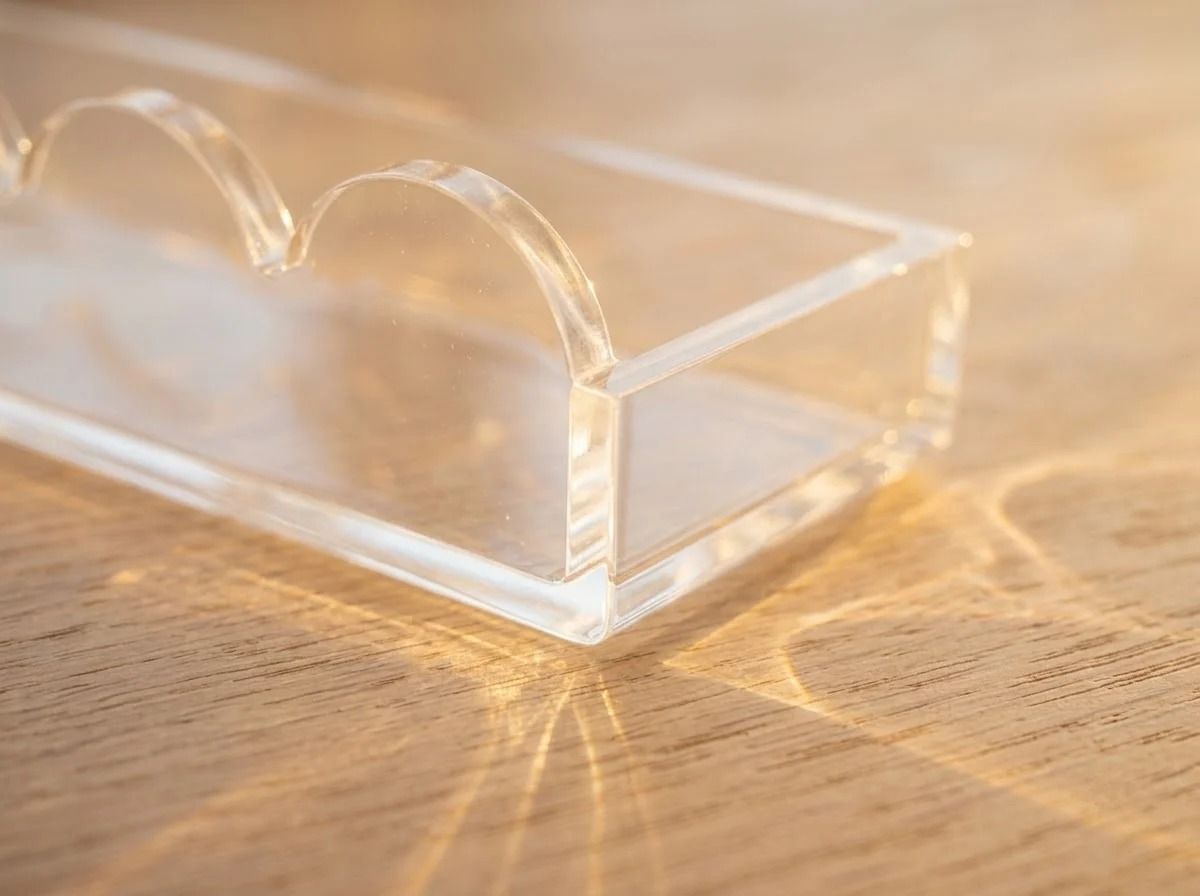
Mistake 1: Choosing a font too fancy or too small. Thin, decorative fonts look elegant in mockups but blur when laser-engraved on a curved or matte surface. Stick to simple serif or sans-serif, minimum 0.2 inches tall. Mistake 2: Ordering mismatched pushers. If you're gifting or building a shared set, match the color, material, and finish to your tiles. Acrylic pushers should be the same opacity (frosted, translucent, or solid) as your tile backs. Mistake 3: Forgetting to order extras for guests. Weekly players need four; monthly players should order six or eight. Mistake 4: Not checking the edge finish. A rough or sharp edge will snag your hand or rack. Ask the vendor for a smooth, beveled edge. Mistake 5: Buying pushers without a matching case or bag. A loose pusher rolls off the table or gets stepped on. Keep them in the same mahjong bag as your set.
Comparison: Who should buy what type of pusher?
Player type | Best material | Engraving idea | Quantity | Why it works |
Weekly host | Acrylic, frosted | House name or "Dealer" | 4 | Matches tile finish, durable, easy to replace one if lost |
Casual player | Bamboo | Initials | 1–2 | Feels authentic, personal, minimal setup |
Collector | Bone or resin | Year, name, logo | 1–4 | Investment piece, shows up in photos |
Beginner | Acrylic, any color | None, or "Lucky" | 1 | Low cost, learn the habit without commitment |
Tournament player | Acrylic, matte | Official club name | 4 | Regulation-friendly, consistent feel across games |
What to check before you buy custom pushers
Edge finish: Run your thumb along the edge. It should be smooth and slightly rounded, not sharp or rough. A pusher with a chipped or rough edge will snag your hand or rack tiles.
Length and width: A pusher should be 3–4 inches long and about ¼ inch thick so it's easy to grip and doesn't block your view of the discard pile. Too short and you lose leverage; too long and it's awkward in a hand.
Engraving depth and font: Ask to see a sample or photo of the exact engraving style. Fine-line text is riskier than bold or filled fonts. If the vendor can't show you a preview, ask about a test run or approval round.
Color match to your tiles: If you have frosted acrylic tiles, choose a frosted pusher. Clear pushers look odd with opaque tiles. Mahstead's mahjong racks with pushers are pre-matched to popular tile finishes, so you don't guess.
Quantity and case: Confirm the order includes four pushers if you're hosting, and that they'll fit in your mahjong bag. A loose pusher is a lost pusher.
Turnaround time: Custom engraving typically takes 2–3 weeks. Order early if you're gifting or need them for a specific game.
Material durability: Acrylic won't splinter but can crack if dropped from height. Bamboo is flexible but can warp in humid storage. Bone is nearly indestructible but expensive to replace one at a time.
🎁 See our most-loved mahjong sets & accessories →
Why Mahstead custom pushers fit serious players
We engrave acrylic pushers to match each of our tile finishes—frosted, translucent, or solid—so they look intentional with your set from day one. Every pusher is smooth-edged, 3.5 inches long, and engraved on both sides if you want it. You can order one per person or a full set of four, and they pack flat in any of our mahjong bags or travel cases. We ship across the US free, so your pushers arrive with your set ready to play.
✨ Find your Mahstead set — free US shipping →
FAQ
Can you use any stick as a mahjong pusher?
Technically yes, but a proper pusher has a smooth, flat edge and the right thickness so it doesn't splinter, chip your tiles, or feel awkward in your hand. A pencil or chopstick risks scratching tile faces. Invest in a real one.
How long does an acrylic pusher last?
With normal weekly play, 10+ years if the edge stays smooth. If you drop it hard on concrete, acrylic can crack. Bamboo and bone last similarly but may warp or splinter sooner depending on storage and humidity.
Can I engrave a photo on a pusher?
Not well—a pusher is small, and fine photo details blur when laser-engraved. Stick to text, initials, or simple line graphics (a mahjong tile symbol, a house logo). Ask your vendor for a sample first.
Should pushers match my mahjong tiles?
It's not required, but it looks polished. If your tiles are frosted acrylic, a frosted pusher blends nicely. A clear pusher with opaque tiles reads as mismatched. Mahstead designs pushers to coordinate with each tile finish so you don't overthink it.
What's the difference between a pusher and a rack?
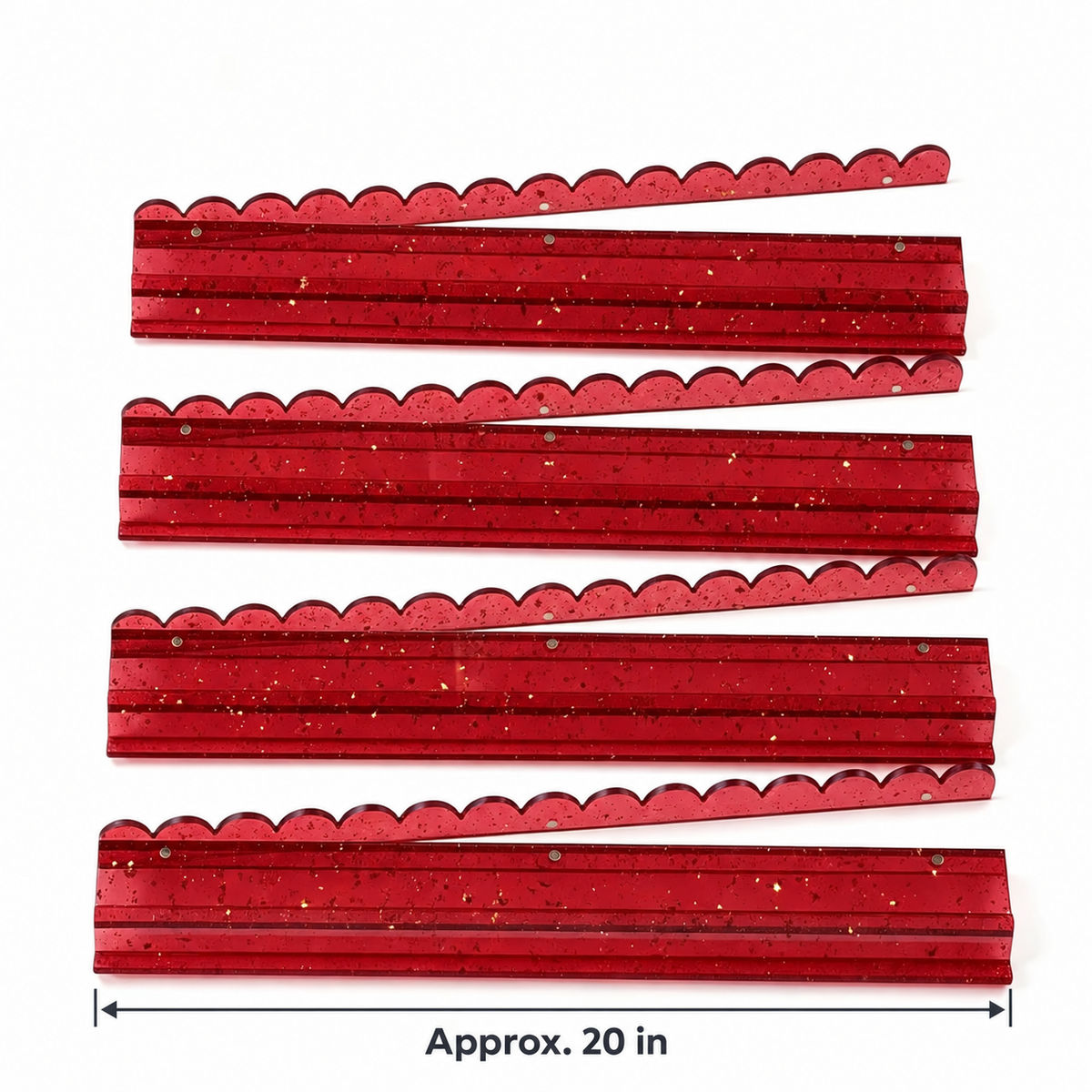
A rack holds your tiles upright during play; a pusher is a tool you hold to move tiles onto the discard pile. They work together. Most quality racks come with two pusher slots built in, but many players buy separate pushers so everyone at the table has one.
Do I need four pushers if only two of us play?
If you play two-hand mahjong, you technically need two. But if you ever host four-player games, buy four now. One pusher per player is the standard, and guests appreciate not having to share or hunt for a tool mid-game.


View More
View More
View More
