
Mahjong and Wine Night: Host a Memorable Game Evening
Last updated: Nov 23, 2026
A mahjong and wine night is a four-player game evening where American mahjong (a 152-tile rummy-style game) pairs naturally with wine or cocktails. Players sit around a mat or table, draw and discard tiles, and aim to form a winning hand using patterns from the current year's National Mah Jongg League card. Games typically last 20–40 minutes per hand, with rounds continuing across an evening. You'll need one 160-tile set, a mat for layout, racks to hold tiles, scorecards, and dice. Wine flows between rounds while players relax between hands. The game requires no alcohol—it's simply a social rhythm that works well for adult gatherings. Mahstead sets include all 152 playing tiles plus extras in a compact design, ready to unbox and play. 🀄 Shop best-selling mahjong sets →
What makes a wine night different from regular mahjong?
The pace and atmosphere change when wine enters the room. Regular mahjong nights focus on competition, study of the card, and quick rounds. A wine night adds breathing room: longer conversations between hands, slower play, less pressure on scoring, and more emphasis on socializing. Players often chat during draws, laugh at near-misses, and celebrate small wins. You're not training for tournaments—you're building memory of the game while enjoying company. Wine naturally encourages this relaxed tempo because players sip between turns rather than rush through them. The game itself doesn't change, but the mindset does: pleasure over performance.

How do you set up the table and space?
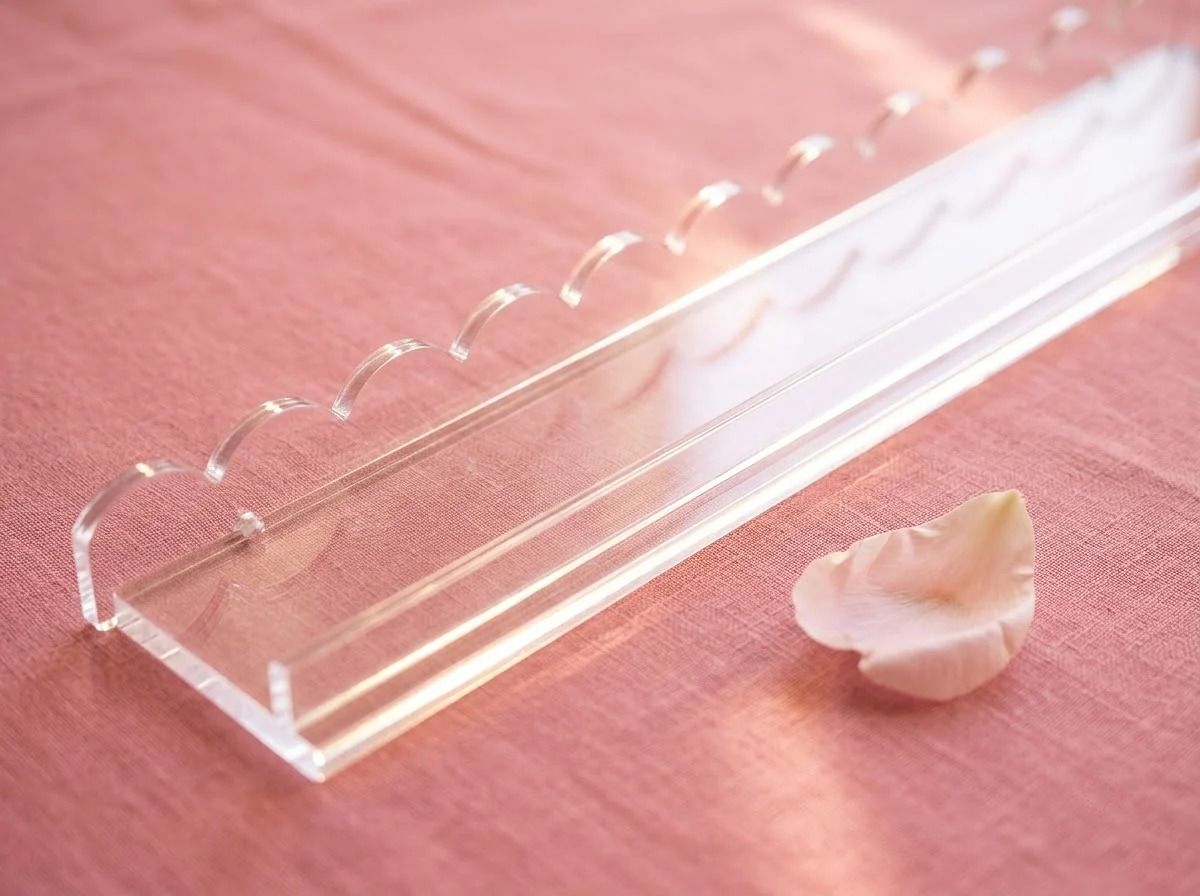
Start with a flat, stable surface at least 4 feet wide—a dining table works perfectly. Lay a mahjong mat in the center: it marks the play area, protects the table, and absorbs tile noise. Place the tile set within reach and assign seats (it doesn't matter which player sits where). Give each player a rack with pushers to hold and organize their tiles—this prevents tiles from sliding and keeps hands tidy. Position the dice, scorecard, and a copy of this year's National Mah Jongg League card at the table center. Set up a side table or cart for wine, glasses, water, and snacks: keep these off the play mat so spills don't ruin tiles. Good lighting matters—overhead or table lamps so players see tiles clearly. Silence phones or set them to silent mode.
Setup element | Why it matters | Wine-night tip |
Mahjong mat | Protects table, marks boundaries | Choose neutral color so wine stains aren't visible |
Racks with pushers | Organizes tiles, prevents sliding | Lets players hold 14–18 tiles steadily while sipping |
Good lighting | Tiles must be readable | Prevents squinting and slows down the game (good for socializing) |
Side beverage station | Keeps wine off the play area | Guests help themselves; host isn't serving all night |
Scorecard visible | Everyone sees points | Reduces disputes; keeps game light and friendly |
Should beginners worry about not knowing all the hands?
New players shouldn't memorize the entire National Mah Jongg League card—that's unrealistic and kills the fun. Instead, learn four or five simple hand patterns: a pung of one suit (three identical tiles), a kong (four identical), a simple mixed hand with a pair, and one "quint" hand (five identical tiles). The more experienced players at your table will help newer players spot valid hands as the night goes on. Wine actually helps here: everyone's more patient and encouraging when relaxed. Bring printed cards to the table so anyone can reference the current season's patterns without memorizing. Many new players win hands by accident in their first game and suddenly understand the logic. A wine night values inclusion over expertise, so celebrate early wins loudly and move on.
What snacks and drinks pair best with mahjong play?
Avoid sticky, greasy, or crumbly foods near the tiles—salsa, chocolate, or oily chips end games fast. Instead, serve cheese, nuts, cured meats, olives, vegetables with dip, and crackers. Keep these on a separate table. For drinks, wine works because it sips slowly; cocktails do too if made beforehand. Avoid shots or rapid-consumption drinks that rush players' thinking. Water is essential—keep a pitcher on the beverage table so players stay hydrated between wine sips. Salty snacks make people thirsty, which keeps the rhythm natural. Avoid carbonated drinks that fizz unexpectedly and distract from the game. Hard seltzers are popular and travel well in bottles. If hosting non-drinkers, have excellent tea or sparkling water available without comment; a wine night isn't mandatory for wine lovers only.
What's the honest checklist before the first hand?
Run through this before tiles hit the table:
Set count: Confirm 152 tiles in play (108 from three number suits, 16 winds, 12 dragons, 8 flowers, 8 jokers). Count if this is your first time.
Rack position: Each player has a rack in front of them, pushers inside, not blocking neighbors.
Current year's card: Everyone has a copy or can see one shared print. Verify the date on the card.
Lighting: Walk around the table; can you read small tile pips clearly?
Dice and scorecard: On the table, visible to all four players.
Wine station: Far enough from the mat (at least 2 feet).
Phone silence: Ask everyone to mute devices now.
One player reads the rules: Have one player spend 90 seconds explaining the basic draw-and-discard rhythm so no one feels lost.
🎁 See our most-loved mahjong sets & accessories →
Don't skip the pre-game five-minute walk-through. It prevents confusion and ensures everyone starts relaxed.
What to check before you buy a set for wine nights
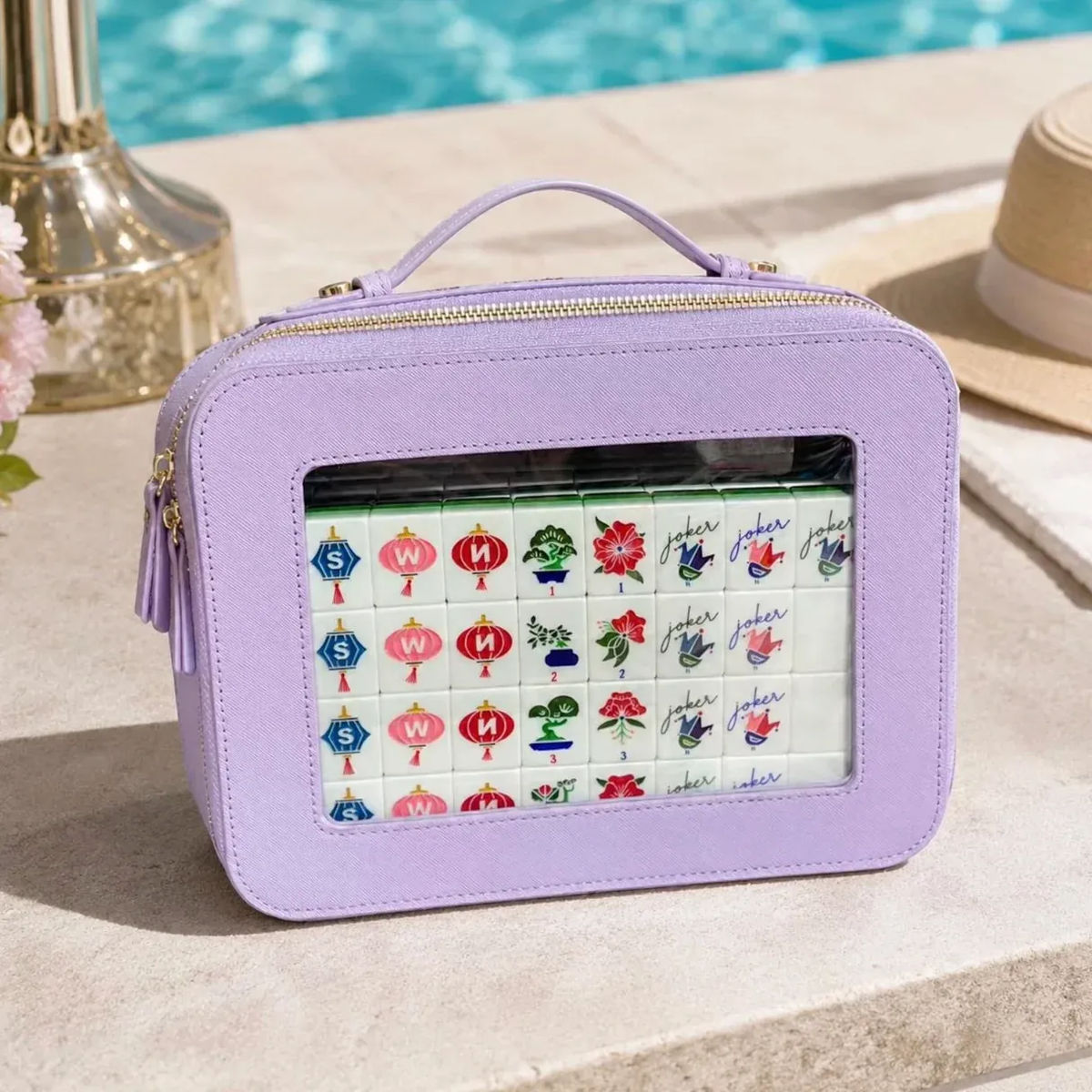
A 160-tile set designed for home play (not tournament) works best. Look for sets with engraved or novelty designs—sets with humor, sayings, or personal touches turn a set into conversation. Acrylic tiles are more durable than bamboo for regular home use and won't absorb spills. Verify the set includes a mat (many don't; buy separately if not). Check that racks come with the set or budget for them—holding 14 tiles by hand for an hour causes fatigue. A travel bag or case isn't essential for hosting at home, but it protects your set if you host rotating homes. Tiles should feel smooth in hand, not rough or splintered. Ask the seller if tiles are replaceable—accidents happen, and buying spares later matters. Mahstead sets ship free across the US and are designed for regular home play, so breakage or wear is expected and normal.
✨ Find your Mahstead set — free US shipping →
Hosting checklist: The week before
Invite four players at least five days ahead.
Choose a date and confirm via text the morning of.
Clear your table (or clean it thoroughly).
Set the mat, racks, and accessories the afternoon before.
Buy wine and snacks two days ahead.
Print a current-year National Mah Jongg League card and place it near the set.
Test your lighting; adjust if tiles are hard to see.
Set a timer for 90-minute sessions if playing multiple rounds.
What not to do
Don't start a game without confirming all four players are present and ready. Don't mix jokers from different sets—they look similar but may have minor design differences that confuse the game. Don't assume newer players know the card; always offer a quick explanation. Don't play on a cluttered table; a clear space reduces errors and spills. Don't skip the scorecard; wine nights forget who won which round without tracking points. Don't pressure anyone to drink if they choose not to. Don't leave open wine bottles near the play mat; one elbow bump costs you a set. Don't use a smartphone to take photos during play—it slows rounds unnecessarily.
FAQ
Can you play mahjong and wine night with only three players?
American mahjong requires exactly four players. Two and three player variants exist but follow different rules and patterns. If you have only three people, invite a fourth or play a house-rules variation. Wine nights work best with four because the game rhythm (each player's turn) feels balanced.
Do beginners need to read the National Mah Jongg League card before playing?
No. Experienced players will call out valid hands and guide newer players. Spend the first 15 minutes explaining what a "pung" (three identical tiles), "kong" (four identical), and "pair" look like. After two or three hands, newer players start recognizing patterns on their own. Wine night wins convert skeptics into players.
How long does a mahjong wine night typically last?
Plan for 2–3 hours total. Each hand takes 20–40 minutes depending on player speed. Four hands with breaks for snacks and conversation fills an evening perfectly. Faster players finish rounds in 15 minutes; slower, social games take 45 minutes per hand. Wine nights trend slower—that's the appeal.
What's the difference between a mahjong mat and a table cover?
A mahjong mat is a designed play surface with marked zones (wall, discard area, player sections) that guides tile placement. A tablecloth is purely decorative. Mats are essential for organized play; table covers aren't. Learn the full comparison.
Can you play mahjong and wine night outdoors?
Yes, but only if the table is stable and wind can't blow tiles. Outdoor lighting must be bright—twilight makes tiles hard to read. Avoid decks with gaps where tiles roll through. Wine outdoors is pleasant, but keep glasses low and away from the play surface. An umbrella for afternoon shade helps players see tiles clearly.
What if someone spills wine on the tiles?
Acrylic tiles (used in Mahstead sets) are wipeable—use a damp cloth immediately. Bamboo tiles can absorb liquid and warp, which is why acrylic is better for casual home play. Prevent spills by keeping wine at least 2 feet from the mat. If a single tile stains, it's cosmetic; the tile still plays normally.


View More
View More
View More
