
Mahjong and Dementia Research: What Science Shows
Last updated: Nov 23, 2026
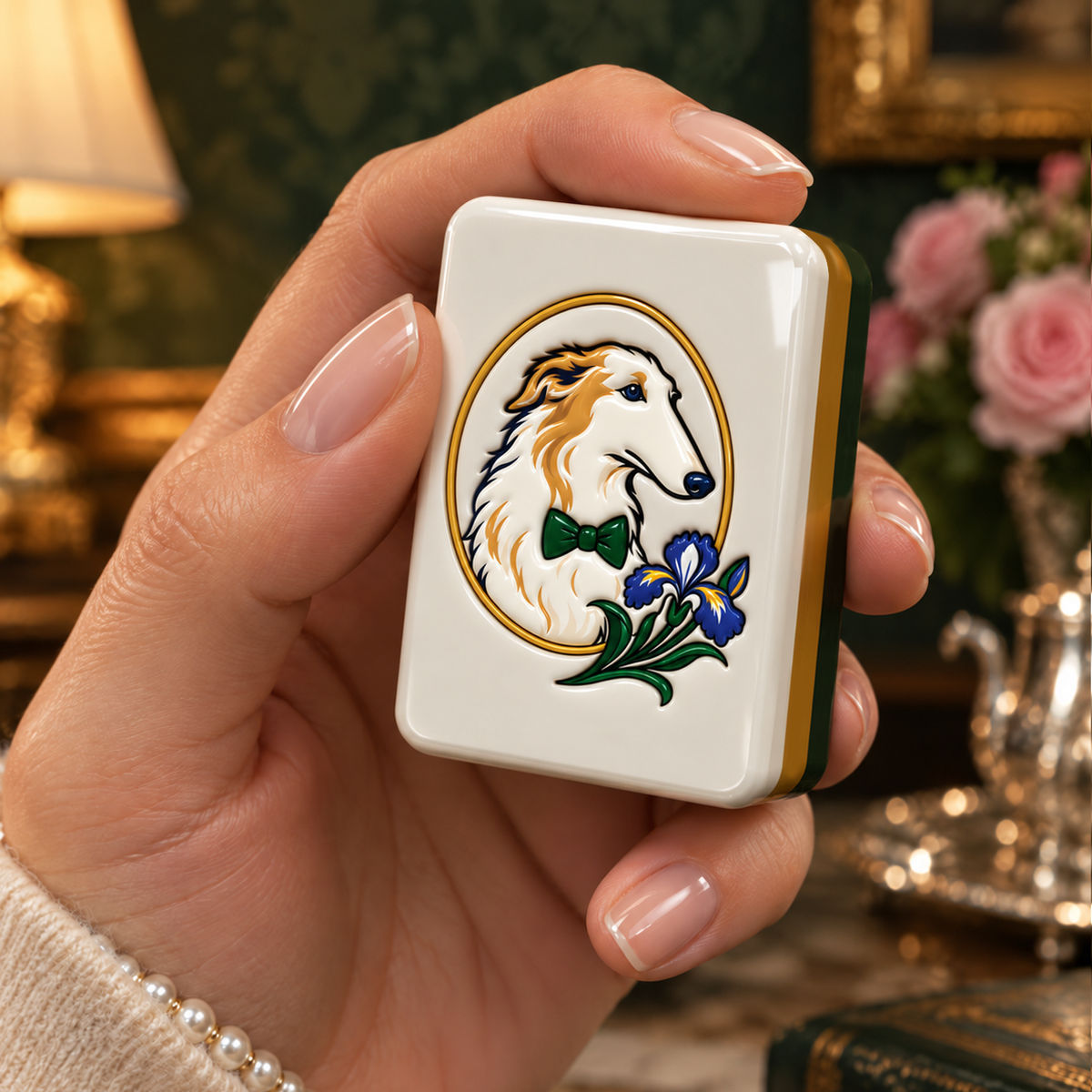
Mahjong has emerged in gerontology and neuroscience literature as a potential cognitive activity for aging populations, though large-scale clinical trials remain limited. Studies, primarily from Asia and published in journals like Frontiers in Aging Neuroscience and Journal of Alzheimer's Disease, suggest that mahjong's demand for working memory, attention, hand-eye coordination, and social engagement may correlate with maintained or improved executive function in older adults. No published randomized controlled trial has yet proven mahjong prevents or reverses dementia, but observational research and small intervention studies indicate regular play is associated with better cognitive scores on standardized tests. The game's complexity—mastering rules, tracking 152 tiles, calculating probability, and reading the annual strategy card—activates multiple cognitive domains simultaneously. Benefits appear strongest when mahjong is played weekly in social settings, combining cognitive stimulation with the protective effects of friendship and conversation.
Research indicates mahjong's cognitive and social demands may support brain health in aging, though definitive clinical evidence remains emerging. We review what science actually shows, why weekly play matters, and how to begin.
Does mahjong prevent or slow dementia?
Current evidence does not prove mahjong prevents dementia, but suggests it may support cognitive reserve—the brain's ability to tolerate age-related changes. Several small studies of older adults found that regular mahjong players performed better on tests of memory, executive function, and processing speed than non-players. A 2015 study in Frontiers in Aging Neuroscience reported that players showed activation in prefrontal regions linked to decision-making. However, these are observational and correlational; we cannot yet say whether mahjong causes better cognition or whether cognitively sharper individuals choose to play.
🀄 Shop best-selling mahjong sets →

Which cognitive skills does mahjong exercise?
Mahjong uniquely engages multiple brain systems at once: working memory (holding tile combinations in mind), visual attention (tracking discards and opponents' draws), pattern recognition (matching the hand to the year's strategy card), probability judgment (inferring hidden tiles), and emotional regulation (managing wins and losses). Learning how to play American mahjong involves memorizing suits (Bams, Craks, Dots), winds, dragons, flowers, and joker rules—requiring sustained attention and procedural learning. The annual National Mah Jongg League card changes the valid hands each spring, forcing players to relearn strategy, a form of cognitive novelty associated with brain plasticity. Unlike passive TV watching, mahjong demands real-time decision-making under mild time pressure, triggering the anterior cingulate cortex (conflict resolution) and dorsolateral prefrontal cortex (planning).
What does the research actually measure?
Published studies use standardized cognitive tests such as the Mini-Cog, Montreal Cognitive Assessment (MoCA), or Folstein Mini-Mental State Exam (MMSE). Researchers recruit older community-dwelling or institutionalized adults, assess baseline cognition, categorize them as mahjong players or controls, and retest after months or years. Several found players' scores stayed stable or improved slightly, while non-players declined—though sample sizes were small (typically 30–80 per group) and follow-up periods short (3–12 months). Neuroimaging studies using fMRI show mahjong activates parietal and prefrontal regions involved in spatial reasoning and working memory. A 2018 review in Therapeutic Recreation Journal concluded that evidence supports mahjong as a "promising cognitive intervention" but called for larger, longer randomized trials to establish causality.
Why is social play important to the research findings?
Nearly all studies emphasize that mahjong's cognitive benefit arises partly from the social context. Playing weekly with friends activates the limbic system (emotional processing) and releases oxytocin and dopamine, protective against depression and cognitive decline. Epidemiological research shows social isolation is a dementia risk factor equivalent to smoking; conversely, frequent social engagement correlates with slower cognitive aging. Mahjong provides weekly structured social time, shared goals, mild competition, and conversation—all buffering loneliness and stress. A player who sits alone memorizing tiles gains less than one who meets friends at a table, laughs, negotiates rules, and shares snacks. This is why many researchers highlight that mahjong's protective effect may stem as much from who you play with as what you play.

How do I start playing if I want these cognitive benefits?
Begin by finding a weekly game in your community—check local senior centers, libraries, synagogues, country clubs, or recreation departments for mahjong clubs (many post schedules on community boards or Meetup). If no local group exists, invite friends to learn together; the learning curve itself is cognitively stimulating. Invest in a quality 160-tile American mahjong set with clear tile markings, a mat to organize play, and racks with pushers so you can see and manage your hand ergonomically. Read the National Mah Jongg League card to learn this year's valid hands. Commit to weekly play; the cognitive gains in research emerged after consistent play over months, not one-time games. Studies suggest 2–4 hours per week is typical among research participants.
Comparison: Mahjong vs. Other Cognitive Activities
Activity | Cognitive Domains | Social Component | Learning Curve | Weekly Time Commitment |
Mahjong | Memory, pattern recognition, probability, hand-eye coordination | High (4-person team game) | Steep (weeks–months) | 2–4 hours |
Chess | Pattern recognition, strategic planning | Medium (one-on-one or club) | Steep (months–years) | 1–3 hours |
Bridge | Memory, probability, communication | High (4-person partnership) | Steep (weeks–months) | 2–4 hours |
Crosswords | Language, pattern recognition | Low (solitary) | Gentle (immediate) | 30 min–1 hour |
Reading | Language, semantic memory | Low (solitary) | Minimal | 1–2 hours |
Mahjong ranks high for simultaneous cognitive demand, built-in social engagement, and novelty (rule changes annually), but requires more learning time than simpler puzzles.
What to Check Before You Buy a Set
Tile quality and readability. Choose a set with crisp symbols, high contrast between red and white backgrounds, and large numerals. If anyone in your group has low vision, inspect samples in person or request photos before ordering.
Set size and case. A 160-tile set with a travel bag or case ensures durability and easy transport to weekly games. Lighter acrylic sets travel better than wood.
Mat and rack comfort. Research participants in studies played at tables with mats or racks that held tiles upright, reducing hand strain during long sessions. Ergonomic racks are especially important if anyone has arthritis or limited dexterity.
The rules resource. Ensure everyone has access to the current year's National Mah Jongg League card (available free online or printed). Disputes over hand validity can derail the cognitive and social benefits.
Play consistency. Set a fixed day and time—research shows routine engagement yields the strongest cognitive outcomes.
🎁 See our most-loved mahjong sets & accessories →
Key Takeaway
Mahjong shows promise in preliminary research as a cognitive and social activity for aging, engaging multiple brain systems and reducing isolation. While no study yet proves it prevents dementia, consistent weekly play correlates with better memory and executive function. Start with a clear 160-tile set, a mat, and a committed group of friends or a local club. The cognitive benefits appear strongest when paired with regular social play over months, not occasional games.
✨ Find your Mahstead set — free US shipping →

FAQ
Is mahjong scientifically proven to prevent Alzheimer's?
No large randomized clinical trial has proven mahjong prevents Alzheimer's. Observational studies show regular players score better on cognitive tests and have lower rates of mild cognitive impairment, but causality is not established. Mahjong appears to support cognitive reserve—the brain's capacity to withstand decline—not to reverse it.
How often should I play to see cognitive benefits?
Research participants in studies typically played 2–4 hours weekly for months before cognitive improvements appeared on testing. Single games or occasional play likely offer less benefit than consistent weekly sessions in a social group.
Is American mahjong different from Chinese or other versions?
Yes. American mahjong uses 152 tiles, a changing annual strategy card, and the Charleston (tile-passing ritual), while Chinese and Hong Kong variants have different rules, tiles, and scoring. Most Western research on mahjong includes Asian variants; American-specific cognitive studies are rare.
Do I need expensive tiles, or does any set work?
Any clear, readable 160-tile set works cognitively. Choose one with high-contrast markings and good ergonomics (light weight, racks with pushers) to reduce hand fatigue during weekly play, especially if players have arthritis or vision limits.
Can I play mahjong solo to get cognitive benefits?
Solo mahjong practice aids learning and memory but lacks the social engagement that research suggests amplifies benefits. The cognitive and emotional gains peak when you play with others weekly—conversation, friendship, and mild social competition are core to the protective effect.
Where do I find a local mahjong group or club?
Check community centers, senior centers, libraries, synagogues, country clubs, and recreation departments. Search community boards or Meetup for mahjong near you. If none exists, invite friends to learn; teaching the game itself is cognitively stimulating for everyone.


View More
View More
View More
