
Mahjong Lessons in Kansas City: Find Teachers & Host Games
Last updated: Nov 23, 2026
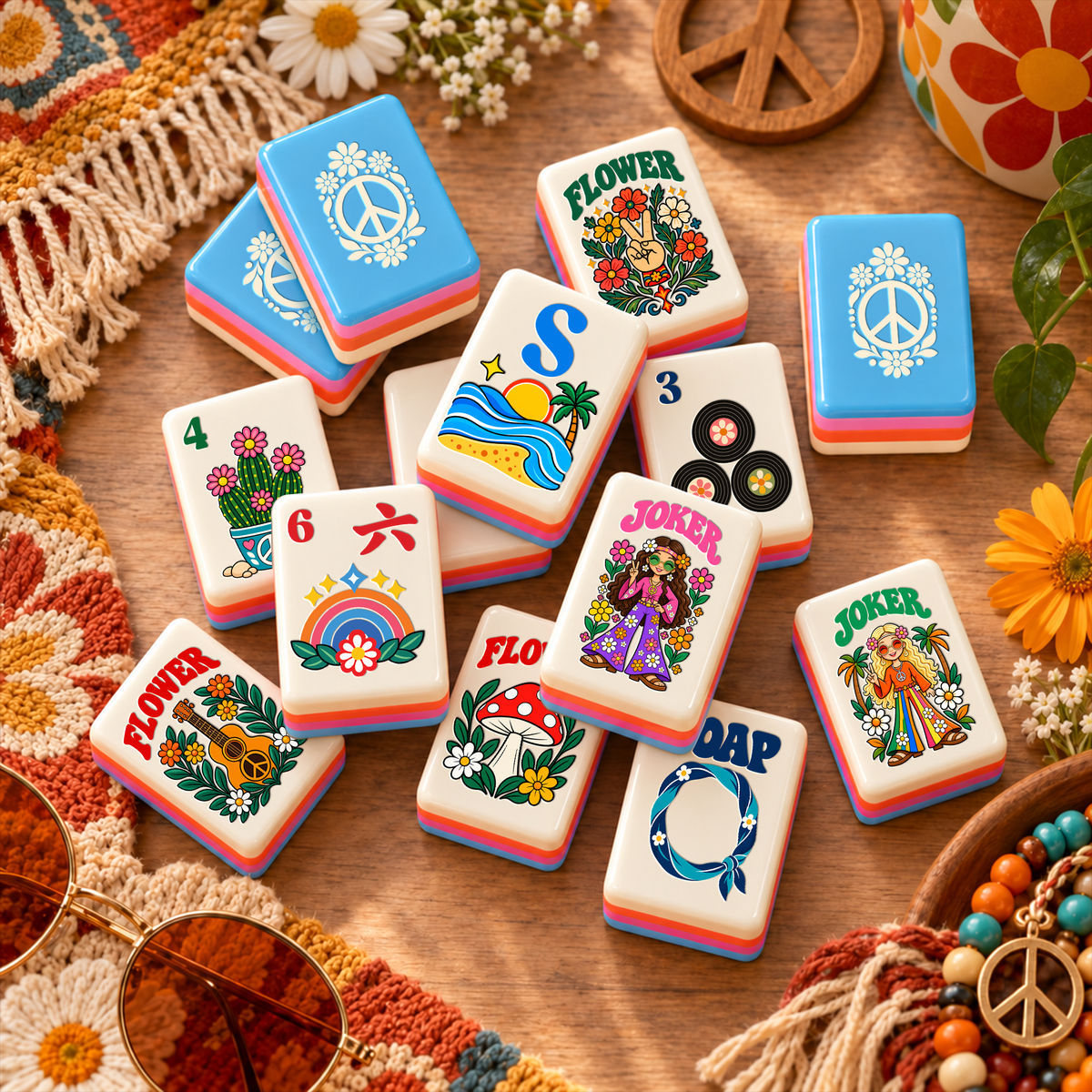
Kansas City beginners typically find mahjong lessons through community centers, synagogues, libraries, and Meetup boards—search "mahjong Kansas City" to locate weekly games and instruction groups. Most American mahjong teachers charge hourly rates for small-group or one-on-one sessions and expect 6–8 weeks of regular practice to learn the basics: tile recognition, the Charleston, reading the National Mah Jongg League card, and hand-play rules. Group lessons are cheaper than private tutoring. Once you've learned the fundamentals, hosting your own weekly game is the fastest way to build skill; you'll need a full American mahjong set (152 tiles plus jokers), a mat to organize tiles, and racks to hold your hand. Start by exploring best-selling mahjong sets designed for beginners—clear, durable acrylic sets make learning easier than worn tiles.
Where do Kansas City mahjong players take lessons?
Start with your local community center or library—most offer bulletin boards listing game groups or beginner classes. Search Meetup.com, Facebook groups, and synagogues in the area; many Jewish community centers host weekly mahjong nights open to all skill levels. Ask staff directly; the mahjong community is tight, and referrals are common. You'll also find ads on community bulletin boards at coffee shops and bookstores. Expect to visit 2–3 venues before you find a comfortable group.

What should I expect in my first lesson?
Your instructor will start with tile anatomy: recognizing the three suits (Bams, Craks, Dots), winds, dragons, flowers, and jokers. You'll learn the Charleston (the pre-game tile pass), how to read the current year's National Mah Jongg League card, and basic hand logic. Most teachers demo a full game in the first session so you see the rhythm before playing. Bring a notebook; the card is dense and you'll reference it constantly at first. Most group lessons last 2–3 hours; private sessions run 1–1.5 hours. The instructor will teach you how to read the mahjong card section by section, not the whole thing at once.
🀄 Shop best-selling mahjong sets →
How long does it take to learn American mahjong?
You'll grasp the core in 3–4 lessons and feel semi-comfortable in 6–8 weeks of regular practice. Speed depends on your math comfort and memory; players with card-game experience often accelerate. The bottleneck isn't the rules—it's card fluency and hand recognition. Many learners make the mistake of skipping practice between lessons; weekly hosting at home cuts the learning curve by half. After 3–4 months of weekly play, you'll recognize patterns instantly and stop checking the card for every decision.
What equipment do I need to practice at home?
You need a full American mahjong set with 160 tiles (152 playing tiles plus spares), a mat to organize your hand and keep tiles from sliding, and racks with pushers to hold your tiles upright and tidy. A carrying case matters if you host at different homes. Don't buy a cheap bamboo set yet; acrylic tiles last through hundreds of games and are easier to read as a beginner because numbers and suits are printed clearly. Look for engraved American mahjong sets if you want a set that's both functional and personal—engraving adds no cost to gameplay but makes hosting more fun.
🎁 See our most-loved mahjong sets & accessories →
Item | Who Needs It | Why It Matters |
Full 160-tile acrylic set | Every player | Clear, durable tiles speed learning. Bamboo is traditional but hard to read as a beginner. |
Mahjong mat | Weekly hosts | Defines each player's space, keeps tiles organized, prevents tiles from sliding across the table. |
Racks with pushers | Players with joint pain or arthritis | Pushers make tile handling effortless; racks keep your hand vertical and hidden from other players. |
Carrying case or bag | Hosts who travel | Protects tiles and mat. Prevents the chaos of loose tiles in a car or apartment. |
Dice | Already in your set | You need exactly two dice to determine who goes first. Most sets include them. |

How do I host my first game after lessons?
Once you've completed 4–6 lessons and played at least twice in a group, gather three friends who've also learned (or are learning) and pick a regular night—weekly consistency builds skill faster than sporadic games. Prep: set up your mat, shuffle tiles into the wall, explain the Charleston briefly, and let everyone reference the card openly. Your job is to keep play moving and gently correct rule mistakes without making anyone feel foolish. Have snacks and water; games run 2–3 hours and stopping mid-game ruins focus. Start at a beginner-friendly speed; you're not competing yet, you're learning. After three or four hosted games, your group's rhythm will settle and the real fun begins—you'll recognize hands, anticipate discards, and feel the strategy clicking.
✨ Find your Mahstead set — free US shipping →
What mistakes do beginners make in Kansas City mahjong groups?
Not learning the card before the first game. Study the sections (Pung, Kong, Quint, etc.) and glance at 5–10 hands before you play so you're not frozen at the table staring at a blank card. Confusing suit order or reading. Numbers 1–9 repeat in each suit; it takes practice to spot a hand fast. Holding back your jokers. Jokers are your Swiss Army knife; don't hoard them waiting for "the perfect moment." Assuming all local groups play identically. Some groups use house rules for scoring or exposing tiles—ask before you sit down. Buying too early. Don't invest in an expensive set until you're sure you love the game; borrow one from your instructor or group for your first month. Skipping practice. The players who improve fastest are those who host weekly; lessons alone won't stick without repetition.
What to check before you buy a mahjong set
Confirm the set contains all 152 playing tiles plus spare jokers (a 160-tile set, not a 144 or 152). Test that tiles are readable from a distance—acrylic with printed suit symbols beats hand-painted bamboo for beginners. Check if the case or bag is included; if you're hosting, a good mahjong bag or case saves your tiles from spilling on the way to a friend's house. Verify the mat is included or available; hosting without a mat is chaotic. If you have hand mobility challenges, confirm the racks with pushers fit comfortably. Avoid sets with loose jokers or poorly cut tiles that stick together.
How to find ongoing games in Kansas City
Once you've taken lessons and hosted a game or two, search the best-selling mahjong sets page and invest in a reliable home set—you'll need it for weekly hosting. Join local Facebook groups: search "Kansas City mahjong," "KC mahjong game," or "Kansas City mah jongg players." Ask your instructor's group if they meet elsewhere besides the class. Many players rotate hosting; once you're in a group, you'll likely get invited to rotate homes every few weeks. Commit to showing up consistently; mahjong groups thrive on reliability.

FAQ
Do I need to know Chinese to play American mahjong?
No. American mahjong uses English numerals and suit symbols (Bams, Craks, Dots) printed on tiles. The National Mah Jongg League card is entirely in English. If you're curious about mahjong history or play Chinese variants later, learning Chinese names helps, but it's not required.
Can I learn mahjong from YouTube before taking a lesson?
YouTube is helpful for vocabulary and a 30-second overview, but live instruction catches mistakes (like hand-building patterns or card-reading speed) that video can't. Combine one or two YouTube videos with in-person lessons for fastest learning.
How much does a mahjong set cost, and is it worth it?
See current price on our product pages; sets range widely depending on materials and design. A durable acrylic set for home hosting is the best value because it lasts through hundreds of games. Bamboo sets are beautiful but harder to read and maintain.
What's the difference between American mahjong and other mahjong games?
American mahjong uses 152 tiles, no sequences (chows), and hands only from the current year's card. Chinese, Hong Kong, and Riichi mahjong use different tile counts, allow sequences, and have open, ongoing hand lists. American mahjong is the easiest entry point for U.S. beginners because the card simplifies strategy.
Is there a mahjong league or tournament in Kansas City?
The National Mah Jongg League runs tournaments and certifies games nationwide. Contact NMJL directly (www.nationalmahjongglegue.org) for Kansas City sanctioned events, or ask your local group if they host friendly tournaments.
If I don't have a mat or racks, can I still play?
Yes, but it's awkward. Tiles slide, you can't hide your hand from other players, and organizing your tiles takes longer. A mat is the single most important accessory after the set itself; racks are optional but make the game faster and more relaxed.


View More
View More
View More
