
How to Use Mahjong Pushers: A Player's Guide
Last updated: Nov 23, 2026
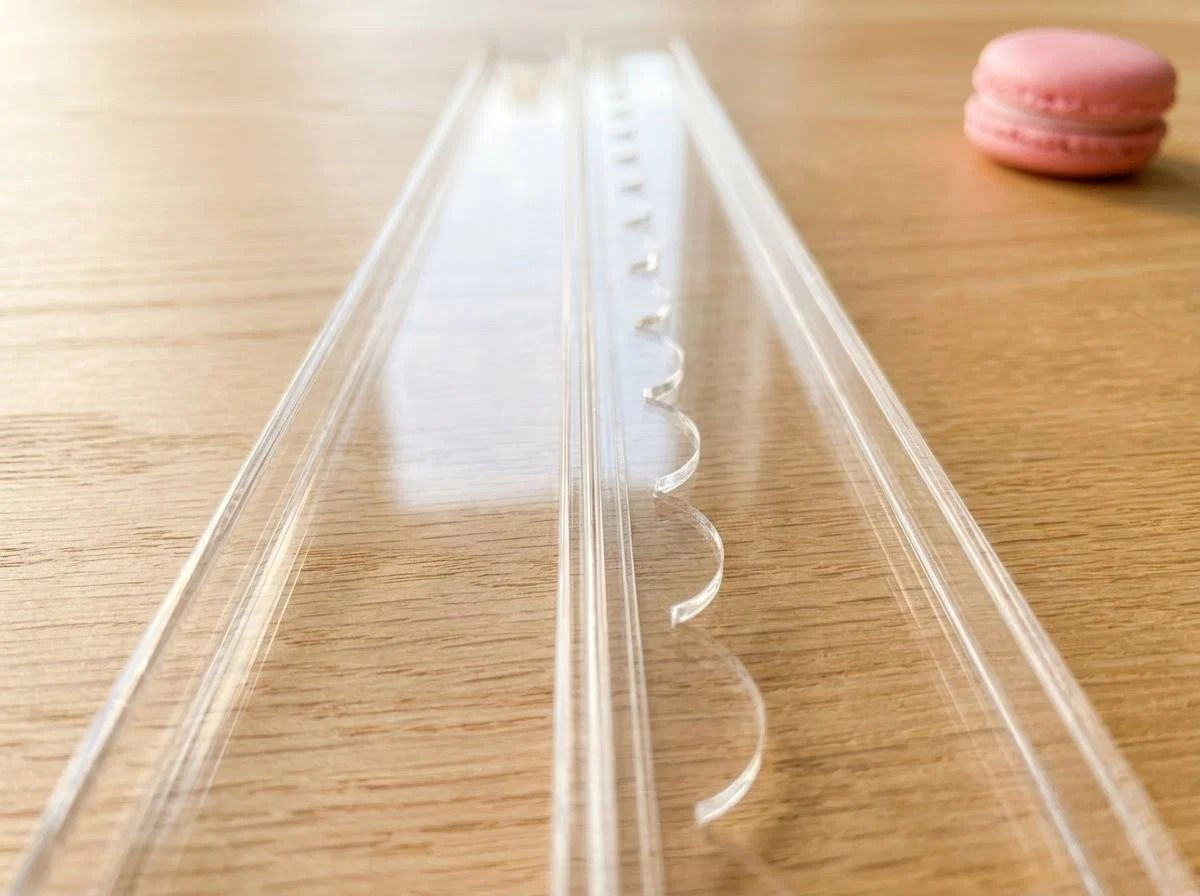
Mahjong pushers are tools you hold in one hand while your other hand picks tiles; they slide your wall tiles forward and backward to organize your hand, and they also protect your hand from accidental exposure during play. Most serious players use them—they're part of the standard mahjong racks with pushers setup. A pair of pushers (one for each hand) comes with most full racks; you can also buy pushers individually or as replacements. Pushers typically measure 4–5 inches long, weigh almost nothing, and are made from wood or acrylic to match your tile set. At the table, you hold a pusher like a small paddle, slide it under a tile, and lift to expose or conceal your hand. They're not mandatory—casual players often skip them—but serious weekly games almost always use them because they speed play, keep tiles organized, and prevent disputes about which tiles belong to your hand versus the exposed pung/kong.
Why do mahjong players use pushers at all?
Pushers solve three table problems at once: they organize loose tiles so you see your hand clearly, they hide your tiles from opponents' eyes, and they let you manage a full hand (typically 13 tiles) without dropping pieces or fumbling. During a fast game, especially when you're calling a pung or a kong from the wall or the discard, a pusher lets you keep both hands free—one hand manages the pusher, the other retrieves or arranges tiles. Veteran players say a good pusher saves 2–3 seconds per turn, which adds up over a two-hour session. Many players also use pushers for comfort: holding tiles in a fan all game can cramp your hand, whereas resting them on a pusher in a neat row feels lighter and steadier.
What's the difference between wood and acrylic pushers?
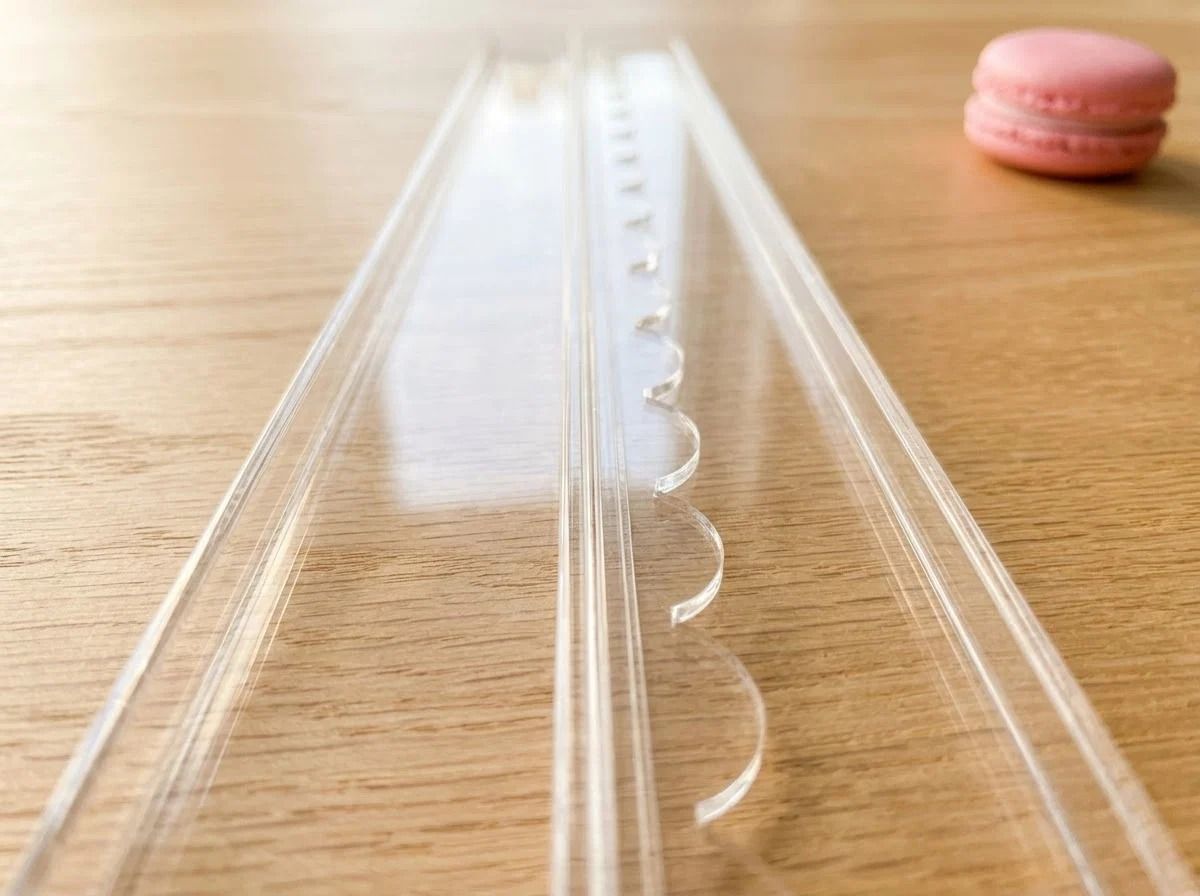
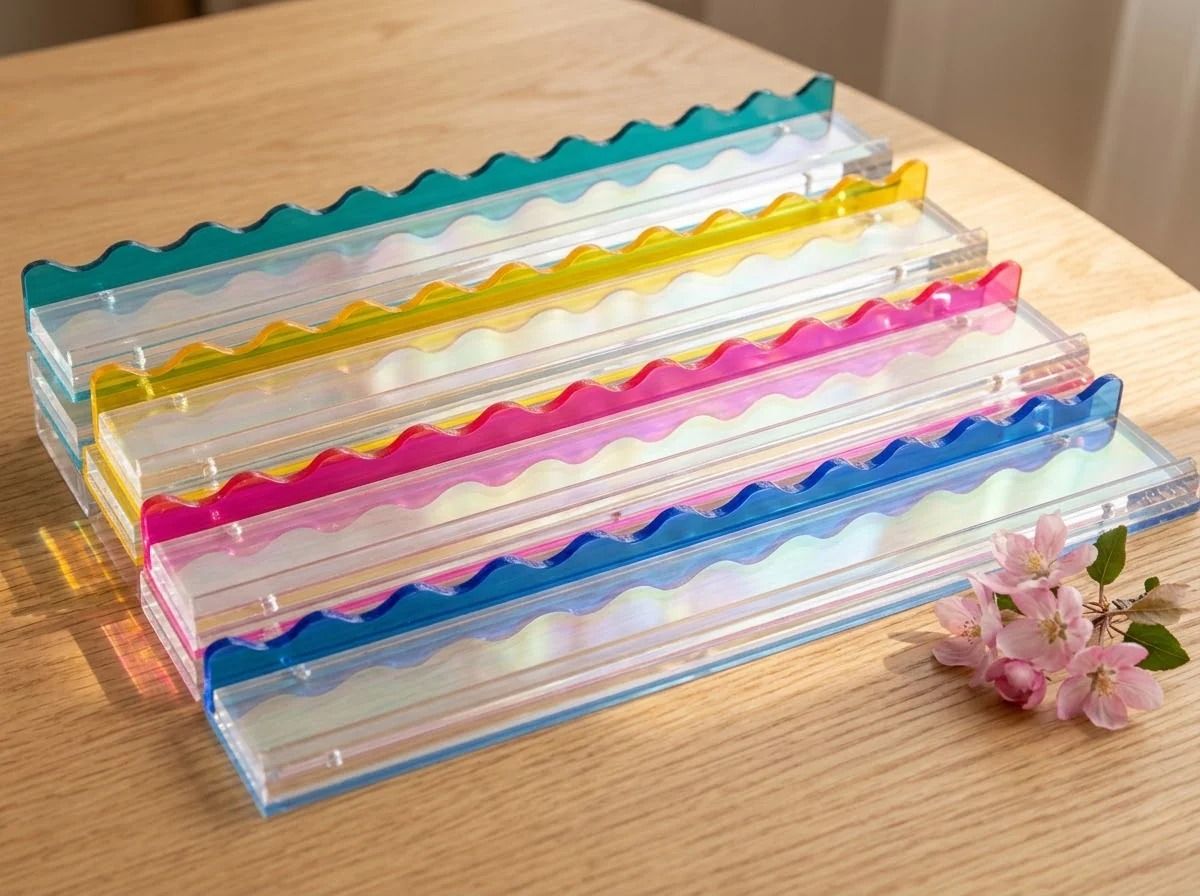
Wood pushers are quieter, feel traditional, and age gracefully—the surface darkens over years of use, which many players love. Acrylic pushers are durable, come in colors that match modern tile sets, and are easier to clean. Both slide tiles the same way. The choice comes down to aesthetics and table noise: if your group plays quietly and values a classic feel, wood pairs well with engraved American mahjong sets. If you want your pushers to echo your tile design—say, a colorful acrylic set—acrylic pushers coordinate better. Wood is often slightly cheaper, but both last for years with normal use.
Pusher Type | Best For | Durability | Sound | Match Factor |
Wood | Quiet, traditional tables | High; darkens over time | Soft | Engraved/classic sets |
Acrylic | Modern, colorful sets | High; scratch-resistant | Slight click | Bright tile designs |
Either choice works; the real difference is table vibe, not function.
How do you actually hold and use a pusher during play?
Hold a pusher like a small spatula or popsicle stick: thumb and one or two fingers underneath, the flat face pointing up toward your tiles. Rest your organized hand (tiles standing edge-up) on top of the pusher, or lay tiles flat on the pusher in a row. When you pick a new tile from the wall, you can either lift it with your free hand and place it on the pusher, or push the pusher forward to create a gap and slide the new tile into position. To keep your hand hidden, angle the pusher and tiles slightly away from your opponents—tilt it 20–30 degrees. Some players keep the pusher in their dominant hand most of the game, switching only to pick up or place a discard. Others rest both pushers flat on the rack edge and pick them up only when organizing a new tile. There's no single "right" way; it depends on table speed and personal habit. During your first game with pushers, expect 5 minutes of awkwardness; by game two, it becomes automatic.
What tiles and hands work best with pushers?
Pushers work equally well for every hand type—pungs, kongs, quints, sextets, pairs, and joker combinations. The real advantage appears when you're holding 13–14 tiles (mid-hand) and waiting for your last piece. With a pusher, you can keep all visible tiles organized and visible to yourself, while the pusher hides them from the table. They're especially useful if you're working on a complex hand from the current National Mah Jongg League card that requires multiple exposed melds, because you can arrange pungs and kongs neatly on your side of the rack, and use the pusher to keep your concealed tiles private. Pushers don't change the rules—you still can't expose a single tile or a pair, and jokers work the same way—but they make rule compliance easier because everything is visible and organized.
What should you check before buying pushers?
Before ordering, measure your existing rack opening or the space where you'll rest the pusher: most pushers are 4–5 inches long and 0.75–1 inch wide, which fits standard American mahjong racks. Check that the surface is smooth and won't snag tiles; a slightly textured finish is fine, but deep grooves can slow your game. If you're replacing worn pushers, bring an old one to compare thickness—pushers are thin (typically 0.125–0.25 inches) so they slide cleanly under tiles. If you're buying your first mahjong racks with pushers set, confirm the set includes a matching pair, because most quality racks do. For solo replacement pushers, check the material and color so they blend with your table setup. If you play with a mahjong mat, check that the pusher doesn't catch on mat edges; pushers are designed for smooth surfaces, so pair them with a flat mat or dedicated rack, not a textured tablecloth. Finally, order from a source that specializes in American mahjong, so you get pushers that fit standard American tiles (which are slightly larger than some Asian variants).
🀄 Shop mahjong racks with pushers →
Common mistakes new pusher users make
Mistake 1: Gripping too tightly. Pushers are lightweight tools; a tight grip tires your hand faster than a relaxed one. Hold it the way you'd hold a paintbrush—firm enough to control it, loose enough to feel the tile movement.
Mistake 2: Tilting the pusher so steeply that tiles fall off. A 20–30 degree angle hides your hand; beyond that, tiles slide or topple. Practice the angle in your first two games.
Mistake 3: Using a pusher that's too long or too wide. Oversized pushers catch on rack edges or neighboring players' spaces, causing table friction. Stick to standard sizes (4–5 inches long, under 1 inch wide).
Mistake 4: Forgetting to tuck the pusher away during discards. When you pick a discard or play a tile, set the pusher flat on the rack edge so it doesn't clutter the center table. This also signals to other players that your hand is stable and ready for the next draw.
Mistake 5: Mixing pusher styles mid-game. If your rack comes with a wooden pair, use both wooden pushers. If one breaks, replace it with the same material and color; mismatched pushers don't hurt function, but they're visually distracting and feel loose.
🎁 See our most-loved mahjong sets & accessories →
Pusher etiquette: table-tested rules
At serious mahjong tables, pushers follow quiet rules. Never tap a pusher on the table to get attention (use your voice). Don't rest your pusher directly on another player's rack space. If you're waiting for a tile or thinking, rest your pusher flat on the mat or rack edge; don't hold it mid-air, because it signals you're about to make a move, which can confuse other players. When you expose a pung or kong, keep your pusher with those tiles; don't mix it with the center of the table. If you're new to a group, watch how the hosts use pushers before you assume your style will fit—some tables run fast and expect instant pusher placement, while others are more relaxed. Finally, if someone at your table doesn't use a pusher, don't encourage them during play; personal tool choice is a preference, not a rule.
✨ Find your Mahstead set — free US shipping → Visit our best-selling mahjong sets for complete racks, individual pushers, and matching accessories.

FAQ
Can I use just one pusher instead of a pair?
Technically yes, but both hands are busier and slower. Most players use a pair—one for each hand—so they can organize and conceal simultaneously. A single pusher works for casual play only.
Do pushers work with every type of mahjong set?
Pushers work with all American mahjong sets and most Chinese sets, because the tile sizes are consistent. They work poorly with very small travel sets where tiles are under 0.75 inches wide. Check your set's tile dimensions before ordering.
What happens if my pusher breaks or warps?
Wood pushers can warp in very humid storage, but they're easy to replace individually. Acrylic pushers rarely warp but can crack under pressure. Keep spares on hand, or order a replacement pair; they're inexpensive and ship quickly.
Do pushers give me an unfair advantage in competition?
No. Pushers are equipment, like racks or mats. All serious players use them, and tournament rules permit them. They don't change tile draws or scoring—they're just organizational tools.
Should I buy pushers that match my tiles or my mat?
Either is fine. Many players match pushers to their rack or tiles for a cohesive look, but function doesn't depend on color. Choose based on your table aesthetic and whether you want visibility (contrasting color) or blending (matching color).


View More
View More
View More
