
How to Play Singles and Pairs Hands in American Mahjong
Last updated: Nov 23, 2026
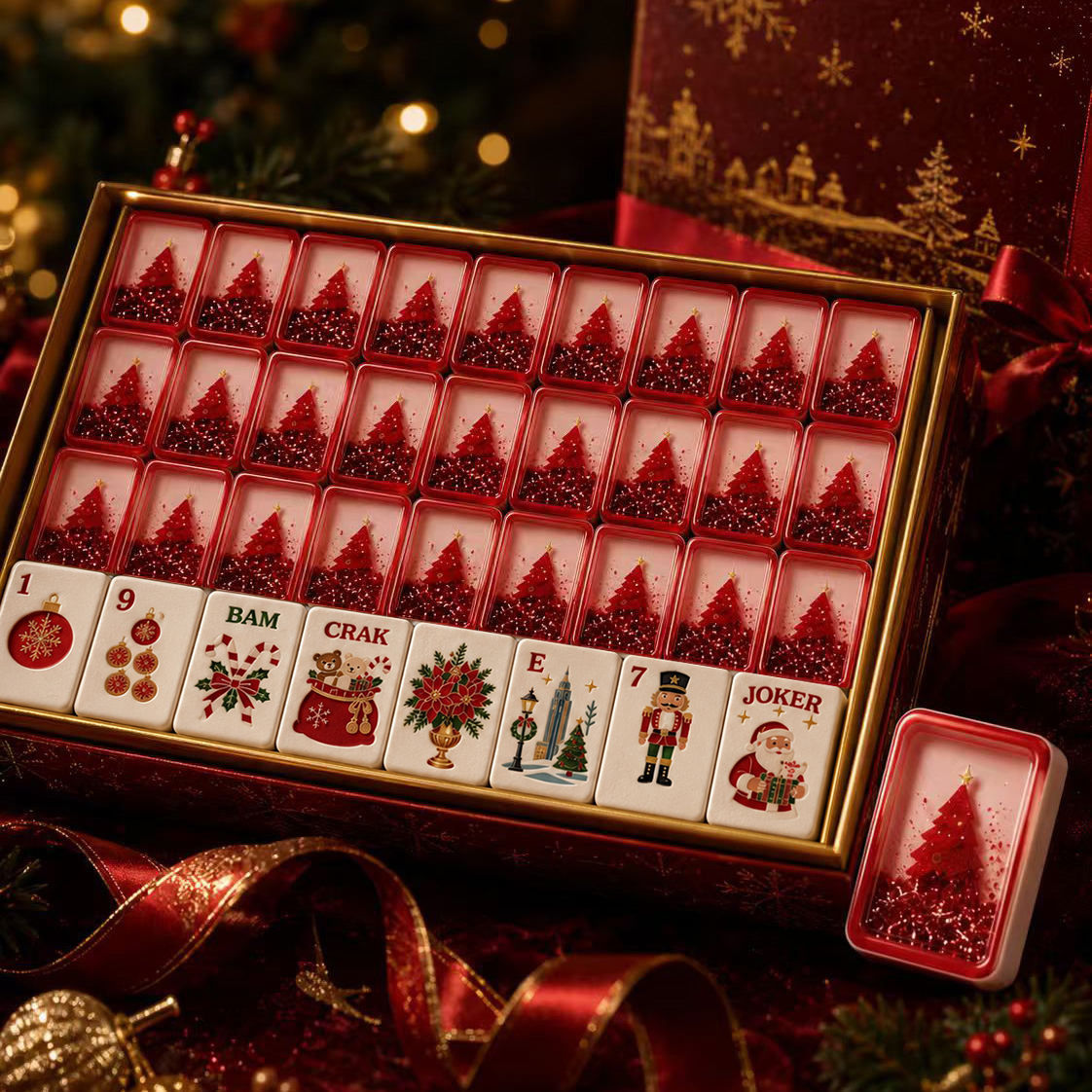
In American mahjong, a singles and pairs hand consists of a pair (two identical tiles) plus four additional groups of three tiles each—either pungs (three identical), kongs (four identical), quints (five identical), or sextets (six identical). You'll find these hands listed on the current year's National Mah Jongg League card, organized by hand type and often labeled as "S&P" or similar notation. The pair can never contain a joker, and no exposed group can be a single tile or a pair. To play a singles and pairs hand, you must draw exactly fourteen tiles (your wall hand plus drawn tiles), arrange them to match the card pattern, and declare mahjong when complete. Many new players mistake these for sequences—American mahjong has no chows or runs—so each group must be identical tiles only. We've found that learning to read the card first prevents costly delays at the table.
What exactly counts as a valid singles and pairs hand?
A valid singles and pairs hand always contains exactly five groups: one pair and four sets of identical tiles. Each set must be a pung (3 tiles), kong (4 tiles), quint (5 tiles), or sextet (6 tiles). The pair is always two identical tiles—never a joker. For example, a hand might read: Pair of 5 Craks + pung of 1 Dots + kong of East Winds + quint of White Dragons + sextet of 2 Bams. Every tile in every group must match perfectly; American mahjong contains no runs or sequences. The jokers you hold can replace any tile within an exposed pung, kong, quint, or sextet, but never stand alone as a single tile, and never form a pair. Your goal is to match the exact pattern on your card, using no more and no fewer than fourteen tiles total.

How do you read singles and pairs patterns on the card?
The card lists each hand as a row of symbols representing tile groups. A singles and pairs hand shows a pair symbol (usually two tiles side by side) followed by four group symbols. Each symbol tells you the suit (Bam, Crak, Dot), the rank or number, and whether it's a pung, kong, quint, or sextet. For instance, a card entry might display: Pair | Pung | Kong | Quint | Sextet, with the actual tile values printed below or beside each. To read it correctly, identify the pair first (it sits apart), then verify each group has the right number of identical tiles. Section headers on the card often organize hands by difficulty or year, so scan the entire card to find all variations of singles and pairs—there may be a dozen or more. Practice reading a few hands out loud before the game starts; this rhythm-building prevents mix-ups when you're holding tiles and glancing at the card under table pressure.
What's the step-by-step process to play a singles and pairs hand?
Step 1: Draw your opening hand. After the Charleston (tile-passing ritual), you hold thirteen tiles. One draw from the wall gives you fourteen tiles total.
Step 2: Sort your tiles by suit and number. Arrange them left to right so you can see all potential groups at once.
Step 3: Scan your card for matching patterns. Look for any singles and pairs hands that your tiles could form, using jokers as wildcards in exposed sets only.
Step 4: Identify the pair first. Find two identical tiles you can set aside; this must not contain a joker.
Step 5: Build your four sets. Group the remaining twelve tiles into four identical-tile sets (pung, kong, quint, or sextet). Use jokers to fill gaps.
Step 6: Match against the card exactly. Verify suit, number, and group size match the card entry word for word.
Step 7: Declare mahjong. Call "Mahjong" and show your tiles arranged by hand. Other players verify the match.
If at any point a group doesn't match—wrong number, wrong suit, or a joker in the pair—the hand is false and you cannot win that round.
What are the most common mistakes when playing singles and pairs?
Mistake | What Happens | How to Avoid |
Pair contains a joker | Hand is invalid; you lose | Jokers never form or complete a pair—set them aside early |
Group has 1, 2, or >6 tiles | Group doesn't count; hand fails | Count each group aloud: "three, four, five, six" before declaring |
Single number across suits (e.g., 3 Bam + 3 Crak + 3 Dot) | Not identical; hand is false | All three tiles in a pung must be the exact same tile—same suit, same number |
Forgetting joker placement rules | Exposed group with joker looks wrong | Joker replaces one tile inside a pung/kong/quint/sextet, never stands alone |
Reading card upside-down or mismatched section | You build the wrong hand entirely | Rotate card to face you; confirm section header matches your hand type before building |
Mixing up pairs from different hands | You hold a valid pair but for the wrong hand | Highlight or point to the exact card entry before you arrange tiles |
The single most dangerous habit we see is building what looks like a pair-and-sets hand without first locking in which card entry you're chasing. Always decide on the exact card pattern first, then verify every tile matches.

How do jokers fit into singles and pairs strategy?
Jokers are lifelines in singles and pairs hands. You hold up to eight jokers per game (depending on set composition), and each joker can replace any single tile within an exposed group—never as a solo tile, never as part of the pair. Strategy-wise, hold jokers in reserve until you're close to mahjong, because once you expose a pung, kong, quint, or sextet containing a joker, other players see which tile you're replacing and can infer your hand. If you have a near-complete hand and need one tile to finish a group, a joker is your safest play; it lets you declare without waiting for the exact tile to be discarded. However, if you use a joker too early—say, in your first exposure—you tip your hand and give opponents time to block or change their discard strategy. We recommend saving jokers for your final group or pair completion unless you're certain of your hand and ready to expose. Understanding how jokers work in detail will deepen your timing.
🀄 Shop best-selling mahjong sets →
When should you expose a singles and pairs hand?
Exposure is your moment to show the table you have a valid group and are on track to win. In American mahjong, you can expose pungs, kongs, quints, and sextets once you have them complete (or complete-able with a joker). Timing matters: expose too early and you telegraph your hand, slowing your win; expose too late and you risk drawing a tile that breaks your pattern or running out of playable draws. Most experienced players wait until they have at least two complete exposed groups before declaring any. The rule of thumb: if you're one or two tiles away from mahjong, or if an opponent just discarded a tile that completes an exposed group, exposure is safe and signals confidence. Conversely, if you're still hunting for three or four tiles, keep your hand closed and let the others think you're chasing a different pattern entirely. Exposure is optional until you're ready to win, so use it strategically rather than reflexively.
What's the difference between singles and pairs and other hand types?
American mahjong card offers many hand types beyond singles and pairs: pungs and kongs, like pungs (all pungs or all kongs), or mixed types such as pungs-kongs-and-pairs. The key distinction is structure. A singles and pairs hand has exactly one pair and four sets of identical tiles—no more, no fewer. A pung hand might allow all seven groups to be pungs, offering no pair at all; others require specific suit or number sequences (still no runs, but perhaps "all Bams" or "consecutive numbers"). Quint and sextet hands add complexity by demanding larger identical groups. Singles and pairs is often considered the most accessible because it's flexible—you can build it with common tiles and use jokers liberally without breaking a suit requirement. When you learn how to play American mahjong overall, you'll see how singles and pairs fits as one of many strategic options, giving you versatility across a season of hands.
🎁 See our most-loved mahjong sets & accessories →
How do you avoid false declarations on singles and pairs hands?
A false declaration—calling mahjong when your tiles don't match the card—costs you points and trust at the table. Prevention is simple: verify twice before you declare. First, lay out all fourteen tiles in front of you arranged by the hand you're claiming. Second, read the card entry word for word: "Pair of East, pung of 3 Dots, kong of Red Dragons, quint of 7 Craks, sextet of 2 Bams." Then point to each of your tiles and match them aloud: "East, East (pair)—check. 3 Dots, 3 Dots, 3 Dots (pung)—check." Third, confirm the pair contains zero jokers. If any tile is missing or wrong, do not declare; instead, draw the next tile and reassess. Many players rush the final verification because they're excited or tired, but a false declaration is worse than a delayed win. Table etiquette also matters: if another player declares and you spot an error, call it immediately and politely. Understanding the full card layout and hand categories arms you with confidence to verify correctly every time.
What to check before you buy a new mahjong set:
When you're ready to practice singles and pairs hands at home, invest in a quality set with clear, readable tile markings. Look for acrylic tiles with crisp engraving so you can spot suits and numbers instantly—this speed translates to faster pattern recognition at game night. A set with a matching mat keeps tiles from sliding around mid-hand, and rack with pushers helps you organize groups without fumbling. If you host weekly games, our best-selling mahjong sets come with everything you need and ship free across the US. For a personal gift or table upgrade, explore engraved sets with titles that celebrate your crew's style. Whether you're a newcomer drilling card patterns or a veteran hosting tournaments, the right equipment removes friction and keeps the focus on strategy.
✨ Find your Mahstead set — free US shipping →

FAQ
Can a joker ever be part of the pair in a singles and pairs hand?
No. A joker can only replace a single tile within an exposed pung, kong, quint, or sextet. The pair must consist of two identical, non-joker tiles. Using a joker as part of the pair makes the hand false and unwinnable.
If I have two pairs of tiles, which one do I use as my singles and pairs pair?
You choose one pair as your required pair, and the other four tiles must form a group of identical tiles (pung, kong, quint, or sextet). If you can't make a valid group from the remaining tiles, switch pairs and try again. The card entry tells you which specific tile values form the pair and groups.
What happens if I draw a tile I don't need and can't make any groups?
You discard it to the center of the table. The next player may claim it for an exposed group or pass. If no one claims it, the turn passes. You continue drawing one tile per turn until you either complete your hand or decide to fold (in casual play).
Do I have to expose my groups, or can I keep them hidden until I declare mahjong?
You can keep groups hidden in your hand until you're ready to declare. Once you expose (lay down) a pung, kong, quint, or sextet on the table, other players see it. Many players wait until they're one tile away from mahjong before exposing, to keep their strategy secret.
How many singles and pairs hands are on the current year's card?
The card contains dozens of hand entries across all hand types. Singles and pairs is a common category, so you'll likely find ten or more variations listed. Scan the entire card before the game to familiarize yourself with all available patterns.
If my hand matches two different card entries, which one wins?
The one you declare. You choose the card entry you're claiming, and your tiles must match that specific entry exactly. If they match multiple entries, pick the one that's true and declare it—the other entries are irrelevant once you've called mahjong.
Can I play a singles and pairs hand in two-player or three-player mahjong?
Hand patterns are the same across American mahjong variants, but two- and three-player games have different rules for wall draws and passing. Learn the specific rules for 2 and 3 player mahjong to adapt your singles and pairs strategy to fewer players.


View More
View More
View More
