
How to Find Mahjong Players Near Me: A Local Guide
Last updated: Nov 23, 2026
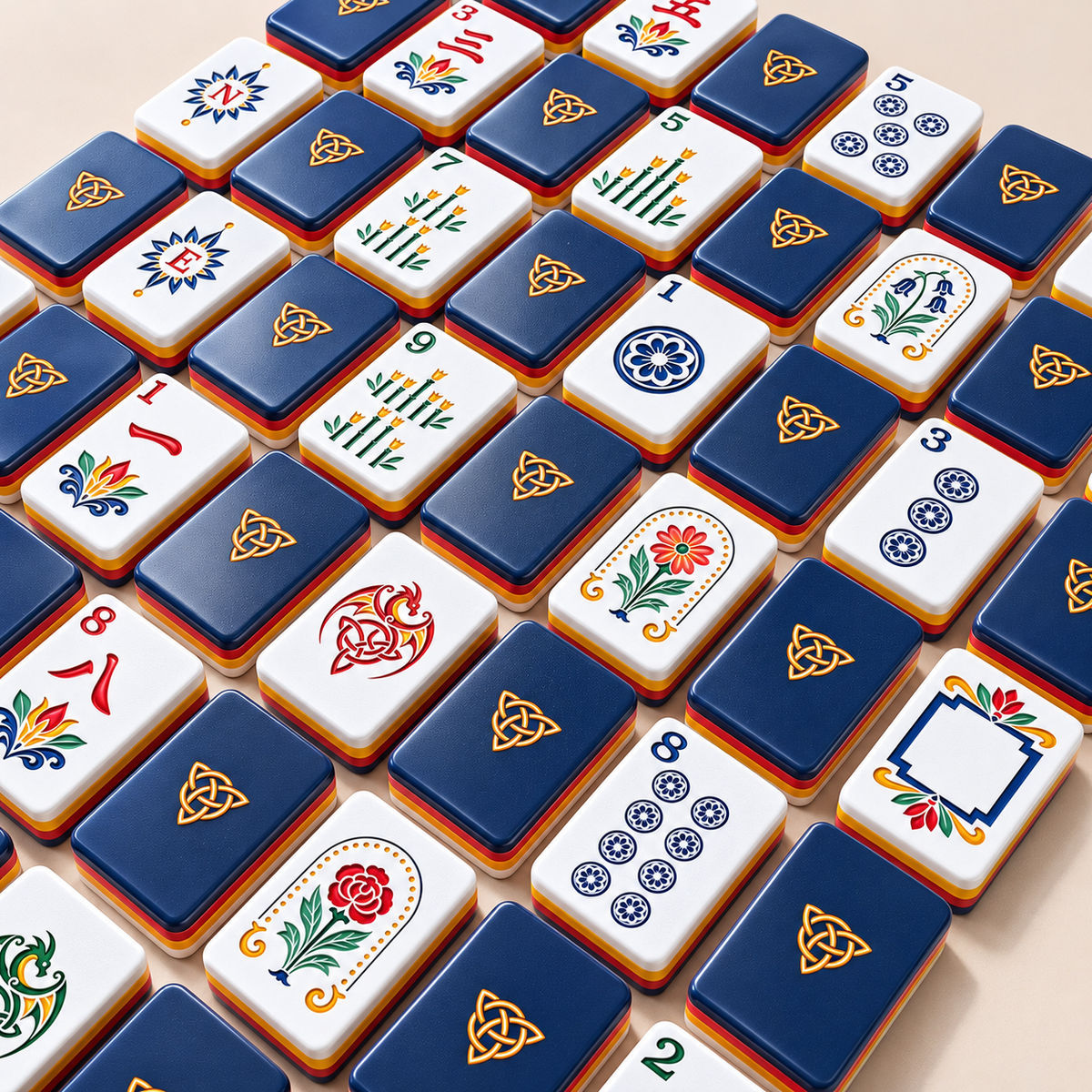
The fastest way to find mahjong players near you is to contact your local library, community center, senior center, or country club—many host weekly or monthly games or maintain player directories. Check online meetup boards and social media groups for your city (search "[your city] mahjong" on Facebook or Meetup.com). Synagogues and Jewish community centers often have active mahjong groups. Ask at game shops or ask friends who play for referrals. Expect to find casual weekly games in most mid-to-large cities; bring your own set, learn the current-year National Mah Jongg League card, and be ready to learn house rules. Most groups are welcoming to new players. Mahstead's best-selling sets come ready to play and travel well if you want to bring your own tiles.
🀄 Shop best-selling mahjong sets →
Where do mahjong clubs meet in most communities?
Mahjong clubs and regular games happen in predictable places. Public libraries often host daytime and evening games, sometimes free or for a small fee. Community centers, senior centers, and parks departments run organized leagues, especially in areas with aging populations. Country clubs and golf clubs frequently have mahjong nights on specific weekdays. Synagogues and Jewish community centers are major hubs—mahjong has deep cultural roots and is a weekly social fixture. Ask your venue if they maintain a player list or bulletin board; many post contact info for players seeking a fourth or a regular seat. Call ahead rather than showing up cold; most groups have standing tables and may be full.

What should I search for online to find local players?
Start with Meetup.com and Facebook Groups—both index by city and are highly searchable. Type "[your city] mahjong," "[your city] mah jongg," or "[your city] mahjong players." Join regional or state-level groups too; members often post about games starting in your area. Craigslist (in the community section) and Nextdoor also surface local games. Google "mahjong [your neighborhood or suburb]" to find clubs that maintain websites. LinkedIn and email groups for alumni associations, cultural groups, or retirees sometimes list mahjong meetups. Call ahead and ask about house rules, play style (casual vs. tournament), and whether beginners are welcome. Most groups play American mahjong, but confirm the variant.
How do I know if a game is beginner-friendly?
Ask three questions upfront: Do they welcome new players? Do they play American mahjong or another variant? What is the betting/scoring level—is it stakes-free social play or money involved? Beginner-friendly groups welcome players learning the year's card, teach hand recognition, and are patient with new players' tile calls or pacing. Avoid games described as "advanced," "tournament," or "we play fast"—those expect fluency. Join a casual Thursday-night game at a library before committing to a competitive club. Watch a hand or two before sitting in; observe tile organization, how people call and expose tiles, and the tone. If the table feels rushed or critical, keep looking.

How do I prepare before attending my first game?
Learn the basics of American mahjong before you go. Understand what a pung (three identical tiles) and a kong (four identical) look like. Memorize the current year's National Mah Jongg League card, or bring a printed copy—every legal hand comes from that card alone. Know the four winds, three dragons, and how the Charleston (pre-game tile exchange) works. Bring a notebook and pencil to jot down house rules—every group has them. Ask if you should bring your own set; many clubs have communal sets, but having your own acrylic tiles and a mat shows commitment and eases learning. Expect to lose money or points in your first few games; that is normal. Play at least three games before deciding if a group fits.
Preparation Step | Why It Matters | What to Do |
Learn American mahjong basics | Prevents embarrassing fumbles and speeds up play | Read the intro blog, watch a 5-minute video, know pungs and kongs |
Study the current year's card | Every legal hand is on this card only | Print it or download the app; spend 15 minutes scanning patterns |
Understand the Charleston | This tile-passing ritual happens every game | Mahstead's Charleston guide covers it fully |
Know the four winds and dragons | These are called out constantly and confuse new players | East, West, North, South; Red, Green, White—memorize the eight tiles |
Ask about house rules in advance | Each club modifies scoring, joker use, and time limits | Call or email the organizer; write down the list before day one |
Bring a notebook or phone voice memo | You will forget rules and calls in the chaos | Document betting amounts, tile passing, and exposed hand rules |
What equipment do I need to bring or have ready?
Many clubs have shared sets, but bringing your own is respectful and ensures you're playing with tiles you trust. A quality set with clear, legible tiles (acrylic is durable and visible across the table) helps you learn tile recognition faster. You'll also want a mat to protect the table and organize your hand—most players use a cloth or vinyl mat that defines your playing space. Some groups allow racks with pushers to hold tiles; ask first. Bring a pen and paper for note-taking. If you plan to host games at home later, a travel-friendly set and case make it easy to rotate locations. Most clubs do not require you to own equipment—borrow for your first two weeks, then invest if you're hooked.
🎁 See our most-loved mahjong sets & accessories →
How do I stay connected to a group and avoid fading out?
Attend the same time and place weekly if possible—consistency builds friendships and muscle memory. Exchange contact info with one or two regular players; ask them to text you a reminder the day before if you're new. Join the group's email list, text chain, or social media chat. If you miss a week, you'll feel disconnected; mahjong is a commitment game, and regulars notice absences. Offer to host a game at your home once you feel confident—this cements your place in the circle. Learn each player's name, remember their preferences (some always sit East, some hate certain pushers), and show up on time. Mahjong is a four-player game; being reliable matters. Over six months, you'll move from "new player" to "one of us."
What to check before you buy a set for regular play:
Tile size and weight: Standard acrylic tiles are uniform and easy to shuffle; verify they are tournament-sized (approximately 1 inch × ¾ inch) so they work with any group's racks.
Joker count: A standard 152-tile game uses eight jokers; a 160-tile set includes spares for replacement or loss.
Clarity of markings: Ensure Red, Green, and White dragons and all number and suit markings are bold and easy to read across a table.
Case or bag: If you are traveling to games weekly, a padded case or travel bag prevents tile loss and damage.
Mat included or separate: Some sets sell with mats; verify before you order so you do not double-buy.
✨ Find your Mahstead set — free US shipping →

FAQ
What is the difference between American mahjong and other variants I might find?
American mahjong uses 152 tiles, comes from the current year's National League card, and forbids sequences (chows). Chinese, Hong Kong, and Riichi mahjong have different tile counts, card-free hand patterns, and sequence rules. Confirm the variant with any group before joining—most US clubs play American, but some teach Chinese. Ask early to avoid confusion.
Do I need to know how to read the mahjong card before my first game?
You do not need to be fluent, but spending 30 minutes scanning the card prevents confusion. Learning to read the card teaches you which tiles go together and why certain hands are legal. Most groups are patient with new players asking "Is this hand on the card?" Play a practice hand at home first if you can.
Is mahjong a game with money involved, or is it social?
Both exist. Most casual groups play for modest stakes (pennies per hand, chips only, or no stakes at all). Tournament and advanced clubs may have higher betting. Ask the organizer upfront about money—it affects table atmosphere and risk. If you dislike gambling, seek family-friendly or senior-center games specifically marked stake-free.
How many players do I need to start a game?
Mahjong is always a four-player game in standard American play. Some groups teach two and three-player variants, but traditional play requires exactly four. If a regular player is missing, the group typically sits out or cancels—be reliable to keep your seat.
What happens if I am the only beginner in a game?
Most groups are welcoming. You may play slower hands, ask more questions, and take longer turns initially—experienced players expect and accept this. Sit next to or across from someone patient and approachable; avoid the most competitive or silent player. After three to five games, your pace will match the table's.
Can I play online mahjong instead of finding a local group?
Online play exists but differs from in-person. You miss the social ritual, the physical tile handling, and the face-to-face friendships that make mahjong addictive. We recommend in-person games for building community and learning faster, but online is a supplement if no local group exists in your area. Search "[your city] online mahjong" to explore both options.


View More
View More
View More
