
Housewarming Mahjong Party Food & Game Setup
Last updated: Nov 23, 2026
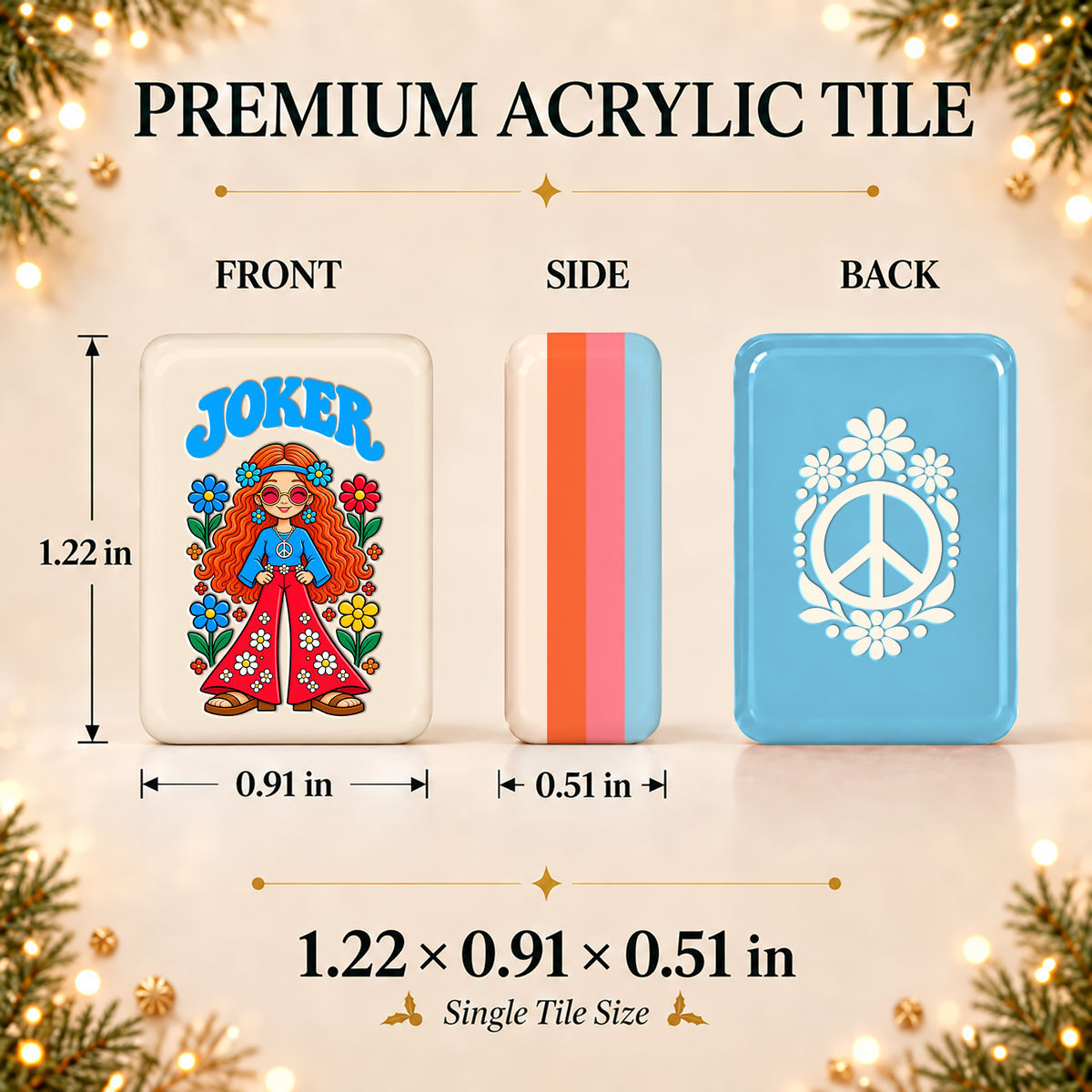
A housewarming mahjong party centers on small snacks, light drinks, and easy cleanup—not a full meal. Serve foods that won't stain tiles or grease hands: nuts, dried fruit, cheese, crackers, fresh fruit, and chocolates. Offer tea, water, and sparkling drinks rather than red wine or dark liquids. Plan for 3–4 hours of play (two to three rounds), which gives you time to chat, eat, and transition between games without anyone getting fatigued. Start with the Charleston, a pre-game tile-passing ritual that levels the table and builds anticipation. Provide napkins, hand sanitizer, and a dedicated snack station away from the play area. A best-selling mahjong set with a quality mat and tile racks keeps the game moving and your furniture protected—essential when you're mixing food, drinks, and expensive tiles. 🀄 Shop best-selling mahjong sets →
What food doesn't damage tiles or hands?
Stick to dry, bite-sized, low-grease options: mixed nuts, seeds, pretzels, popcorn, dried cranberries, apricots, dark chocolate squares, hard candies, and cheese cubes. Avoid nut butters, chocolate spreads, hummus, dips, and anything sticky or oily that transfers to fingertips. Fresh fruit (grapes, berries, melon cubes) works if served on a separate table with napkins. Keep a roll of paper towels and a small trash bin within arm's reach—not on the play mat. Pre-portion snacks into individual bowls so players grab one or two pieces rather than reaching repeatedly into a communal plate.

How do you prevent spills near the mahjong table?
Designate a dedicated drink and snack station 2–3 feet away from the play area—on a side table, console, or island. Use cups with lids and sippers if possible; avoid wine glasses and open mugs. Offer water in standard glasses with coasters, or bring a small cooler with bottled drinks. Before anyone sits down, remind players: food and drinks stay off the mat. A mahjong mat protects your table surface and creates a clear boundary—players instinctively keep snacks away from the mat itself. If a spill does happen, blot it immediately with a dry cloth and let the mat air-dry before rolling it up.
How long should you plan for food and game time?
A single round of American mahjong takes 30–45 minutes once everyone knows the hand combinations. Plan two to three rounds for a casual evening: 20 minutes of setup and the Charleston, 90–135 minutes of play, plus 30–45 minutes for chatting, snacking, and breaks between rounds. That's roughly 2.5–3.5 hours total, which keeps energy high without burning out newer players. Serve snacks at the start and during the first break; offer beverages throughout. If you're hosting absolute beginners, add 15–20 minutes for teaching the basics—consider sharing a beginner guide like how to play American mahjong before they arrive.
What table setup makes hosting easier?
Arrange the mahjong mat in the center of your table so all four players sit evenly spaced. Place racks with pushers in front of each player—they keep tiles upright and organized, so less fumbling means fewer spilled snacks and a faster game. Put the spare tiles and the discard pile on the mat itself. Keep the current year's National Mah Jongg League card visible (printed or on a device) so everyone can check hands quickly. Position the snack and drink station perpendicular to the table, never behind a player's line of sight. Good lighting from above (overhead lamp or pendant) helps players see tiles clearly and reduces eye strain. A travel bag or case keeps your set clean and ready to pack away after the night ends.
🎁 See our most-loved mahjong sets & accessories →

What's the difference between housewarming snacks and regular game night snacks?
A housewarming signals a fresh start and often attracts a mix of experienced and new players. Serve foods that are elegant but casual: charcuterie (crackers, aged cheese, cured meats), mixed olives, roasted nuts, berries, and chocolate. Avoid messy or crumbly items like fried foods, powdered donuts, or dips that require a fork. Housewarming guests expect a welcoming vibe, so presentation matters—use small bowls or boards, not paper plates. A regular weekly game night is more low-key; you can serve pizza, wings, or heavier fare because your core group knows the protocol. For a housewarming, keep it light so the focus stays on the new space and the mahjong game, not on cleanup.
Housewarming snack | Why it works | What to avoid |
Nuts, seeds, dark chocolate | Elegant, non-greasy, stays fresh | Nut butters, caramel, sticky coatings |
Cheese, crackers, charcuterie | Pair well with drinks, look curated | Soft cheeses that melt onto tiles |
Fresh grapes, berries | Light, festive, no staining | Juicy watermelon, citrus with sticky juice |
Olives, pickles | Savory, contained in small bowls | Oily marinades that pool in bowls |
Hard candy, chocolate squares | Won't spoil, easy portions | Chocolate-covered pretzels (grease) |
✨ Find your Mahstead set — free US shipping →
What drinks work best with a mahjong game?
Water, sparkling water, and unsweetened tea are your safest bets—they won't stain tiles if spilled and don't grease fingers. Offer both hot and cold tea; guests appreciate the choice. Wine, beer, and coffee are fine in moderation, but avoid red wine and dark colas near the table—red wine on a cream or light-wood tile is nearly impossible to clean. Stick to white wine, light beer, or pale drinks if players want alcohol. Hard seltzers and light sodas are less likely to stain than cola. Provide a water pitcher and glasses on the snack table so players can refill without asking. Pro tip: label any drinks (cold tea, sparkling water, etc.) so guests don't accidentally grab a wine bottle thinking it's juice.
How do you prepare tiles and equipment before guests arrive?
Unbox your set at least one hour before play. Inspect all tiles for dust or residue and wipe them with a soft, dry cloth if needed. Shuffle tiles on the mat to ensure they're moving freely—stiff or sticky tiles slow the game. Arrange the mat on your table with racks and pushers in place. Set out the current year's National Mah Jongg League card (printed or tablet) and a pen for scoring. Place the dice (if your set includes them) within reach of the dealer. Have the spare jokers and blanks ready but in a separate container, not in the playing tiles. Before guests sit, do a quick "dummy round": draw 13 tiles, expose a sample hand from the card, then shuffle everything back. This confirms your set is working smoothly and your guests see how the game flows. If you own a quality engraved set with your name or a meaningful phrase, mention it during the opening—it personalizes the housewarming and shows you care about the night.
What should you check before you buy?
Tile quality: Are they acrylic, bamboo, or plastic? Acrylic lasts longest and cleans easily. Check that indents are sharp and readable.
Set completeness: Confirm you have 160 tiles (152 playing tiles plus spares). American sets never use blanks or extra jokers in play—they're just backups.
Mat and racks: Do they come with the set or as add-ons? A mat protects your table; racks speed up play and reduce fumbling.
Bag or case: If you're hosting multiple times, you'll want sturdy storage that fits in a closet. Soft travel bags are lighter; hard cases protect tiles better during moves.
Joker count: Never ask how many jokers a 160-tile set includes—the spare tiles vary by design. What matters is that play always uses exactly 152 tiles and 8 jokers.

FAQ
Can I serve pizza or heavy food at a mahjong housewarming?
You can, but it's messier. Grease transfers to tiles and hands, slowing the game. Stick with light bites: cheese, crackers, nuts, fruit. If you must serve heavier food, do it before the game starts, not during play.
How many people can play mahjong at once?
Standard American mahjong is four players. Some groups play two or three player variants, but they require rule adjustments. For a housewarming, stick to four-player games so everyone participates equally. If you have more than four guests, you can run a second mat or rotate players between rounds.
What happens if someone spills wine on the tiles?
Blot it immediately with a dry cloth. If it's white wine, flush the affected tile gently under cool running water and dry it. Red wine is harder to remove; you may need to retire that tile if it stains permanently. This is why preventing spills near the mat is key.
Do I need to provide the National Mah Jongg League card?
Yes. Players need it to verify hands and avoid disputes. Print the current year's card or display it on a tablet at the table. If you don't have it, borrow from a player or download from the League's website (you'll need a membership or purchase a card).
Should I provide snacks, or ask guests to bring something?
For a housewarming, you should provide snacks and drinks—it's part of being the host. If you're doing a regular weekly game, you can rotate who brings snacks or order takeout. Either way, keep the food mahjong-friendly: dry, not greasy, not sticky.
What's the best surface for a mahjong table?
A dedicated mahjong mat is best—it protects your table and gives tiles a consistent play surface. A hard dining table or a folding card table works fine with a mat on top. Soft carpets or fabric tablecloths are risky because tiles shift and stick. If you're buying a set for regular hosting, invest in a quality mat from the start.
Can I use a regular tablecloth instead of a mahjong mat?
A tablecloth is softer and can bunch up, causing tiles to stick or slide unevenly. A mahjong mat is designed with a smooth playing surface that holds tiles in place and makes shuffling easier. It's worth the investment if you're hosting regularly.
How do I introduce beginners to the game during a housewarming?
Start with the Charleston (the pre-game tile exchange), then walk through one hand on the current year's card before everyone plays for real. Keep the first round casual and low-stakes. Remind them that mahjong is a learning game and mistakes are normal. Consider sharing the how to play guide a few days before so curious guests can get a head start.


View More
View More
View More
