
Fourth of July Mahjong Tablescape: Set Up Fast
Last updated: Nov 23, 2026
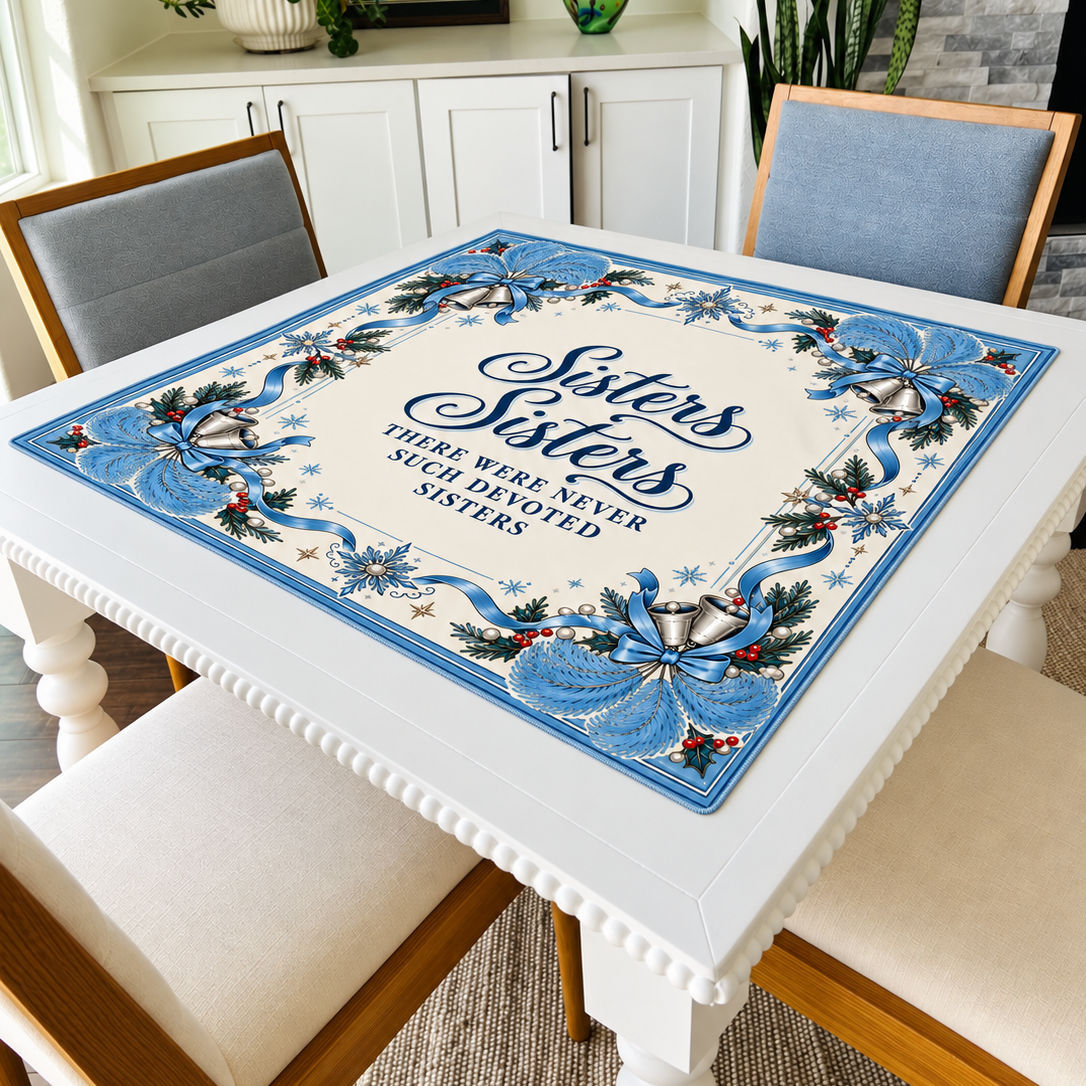
A Fourth of July mahjong tablescape is a themed game table that pairs patriotic décor with a full 160-tile acrylic American mahjong set, a felt or vinyl mat to protect the surface, player racks with pushers, and optional engraved accessories. You'll need a sturdy table (36″ × 36″ minimum), chairs at each cardinal point, strong overhead or clip-on lighting so tiles read clearly, a serving station for snacks and drinks away from play, and 1–2 hours total setup time. Our best-selling acrylic sets come ready to play—no assembly—with red, white, and blue tile designs that work beautifully with July gatherings. Avoid cramped seating, thin mats that shift mid-game, and mixing tile sizes; one unified set and mat prevent disputes and slow play. Budget for the set, a mat, and racks; optional engraved tile trays or gift boxes add memorable touches without slowing the game. 🀄 Shop best-selling mahjong sets →
What does "tablescape" mean in mahjong hosting?
A tablescape is your entire visible table setup: the mat surface, tile placement zones, racks, lighting angle, snack placement, and décor alignment. In mahjong, the tablescape directly affects tile visibility, hand organization, game speed, and player comfort. A thoughtful tablescape—with even lighting, a mat that doesn't slip, and racks positioned so every player sees the wall clearly—cuts game delays by 10–15 minutes per session and prevents misreads or dropped tiles. Your Fourth of July tablescape should use a stable mat (not loose fabric), player racks at 45-degree angles from each seat, and patriotic tile colors already baked into acrylic sets so you don't need extra paint or stickers.
Why do red, white, and blue tiles matter for July hosting?
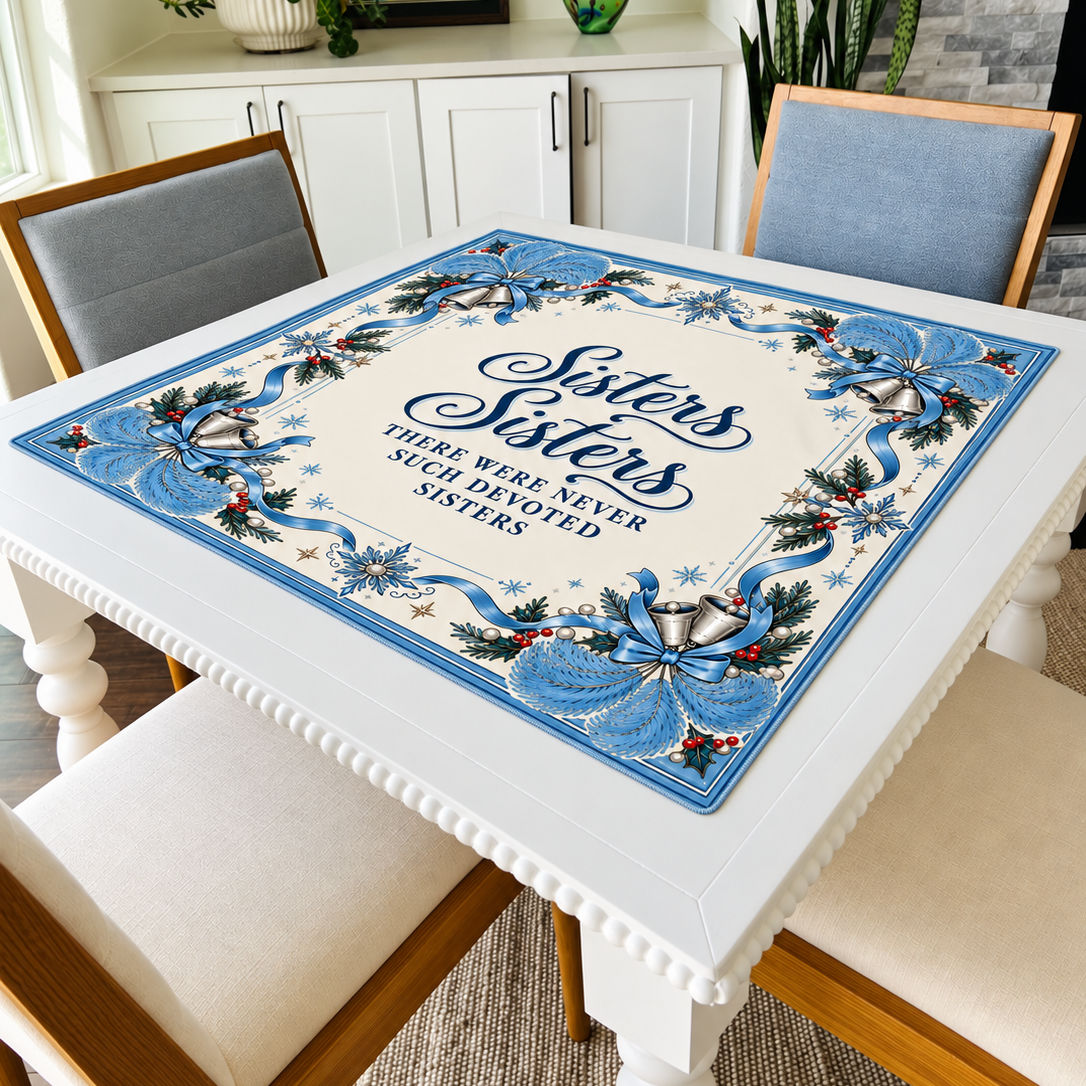
Acrylic mahjong sets come in dozens of color palettes: some feature solid reds and whites, others mix blue accents into traditional designs. A set already containing red, white, and blue tiles requires zero additional decoration yet reads as intentionally patriotic—no DIY painting, no stickers to peel off mid-game. This matters because physical tile colors (not the mat underneath) anchor your theme visually and make tile-reading faster during play; tiles that blend into a background slow hands down. A July game with red Craks, white Dots, and blue Bams in acrylic looks coordinated without clashing with the mat or the table. Avoid sets with muted pastels or muddy color mixing; stick with acrylic sets designed for clarity and saturation.
How do you arrange a four-player mahjong table for speed and comfort?
Standard American mahjong seating places one player at each cardinal point (North, East, South, West), with each player's rack at a 45-degree angle pointing inward so all players can see every tile without leaning or twisting. Position the wall (the discard pile and draw pile) in the center, elevated slightly or marked with a divider so draws are visible. Each player should have 18–24″ of elbow room and a clear line of sight to the wall and the player racks across the table. Use a mat with clear zone markers (many sold mats include embroidered corners for each wind position). Seating at 36″ high chairs (standard dining height) keeps arms comfortable; lower stools tire wrists and necks. Bright overhead lighting—ideally 800–1000 lux—lets players read tile details without glare on the acrylic. A poor tablescape (cramped elbows, dim corners, slipping mat) stretches a two-hour game to three or longer.
What's the best mat size and material for July outdoor or patio games?
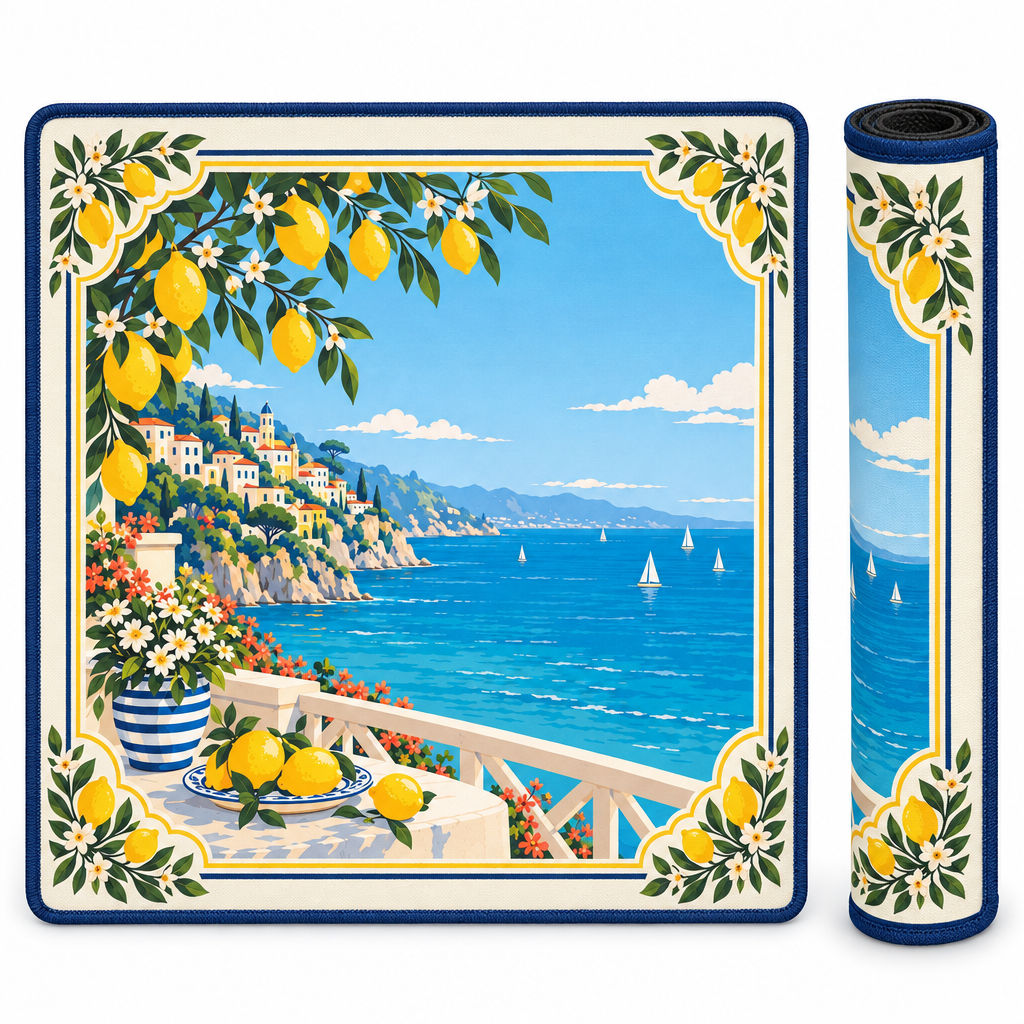
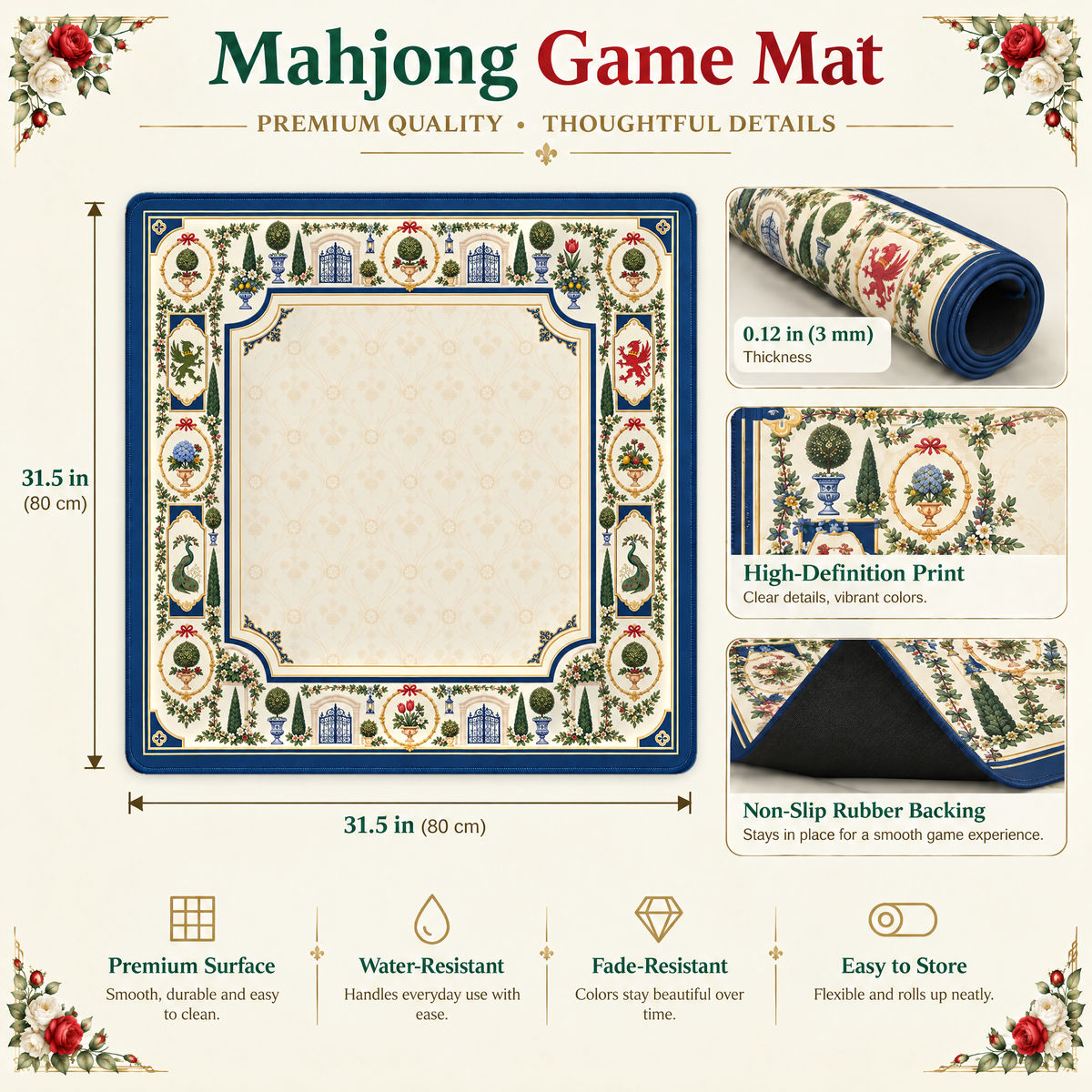
Mahjong mats come in two main materials: felt-backed vinyl (durable, washable, resists sun and moisture) and embroidered cotton-blend cloth. For outdoor July play, vinyl or a treated felt mat withstands humidity, spilled drinks, and UV exposure far better than unfinished fabric; cotton mats can fade or absorb water. Standard mat size is 27″ × 27″ or 34″ × 34″, both fitting comfortably on a 36″ round table or 42″ rectangle. An undersized mat (20″ square) leaves tile stacks too close to the table edge, causing spills and argument over whose discard pile is whose. Oversized mats (>40″) bunch or slide off standard tables. Choose a mat with embroidered corner markers (North, East, South, West) so players know which wall is which without debate. Outdoor play on a patio or deck? Use a non-slip mat or secure it to the table with painter's tape; wind and vibration shift unanchored mats, disrupting tile stacks mid-hand.
Which accessories make a Fourth of July game run smoothly without fuss?
Accessory | Why It Helps | Duration of Use | Who Needs It |
Player racks with pushers | Holds 14 tiles upright, pushers keep stacks organized mid-draw | Entire game | All 4 players |
Dice | Determines seating, starting wall, official draw order | 2–3 minutes | Hosts of competitive games |
Tile case or travel bag | Protects set, keeps acrylic from chipping, easy July transport | Storage only | Anyone with pets, kids, or outdoor play |
Engraved tile tray or box | Holds extra jokers, written scorecards, holds set aesthetically | Whole session | Hosts who play weekly or gift the set |
Mat with embroidered zones | Prevents "whose wind is this?" disputes, speeds wall identification | Entire game | All 4 players |
Racks with pushers are non-negotiable; without them, tile stacks topple, hands misalign, and play stops repeatedly. Dice add 30 seconds but ensure nobody games seating order. A padded travel bag matters only if you move the set between yards or indoors; a permanent July table doesn't require it. Engraved trays are purely aesthetic unless you host multiple games per week and want a unified look.
🎁 See our most-loved mahjong sets & accessories →
How do you light a mahjong table outdoors on July evenings?
Evening Fourth of July games need 700+ lux minimum to read tile pips clearly. Natural sunset light (around 6–8 PM depending on latitude) typically falls short, especially under an umbrella or awning. Solutions: position a clip-on work lamp (500–750W or LED equivalent) on each side of the table, angled downward at 45 degrees to avoid glare on acrylic tiles; use string lights or decorative bistro bulbs for ambiance but NOT as primary light; or move the game under a covered patio with permanent overhead fixtures. Avoid single overhead sources, which cast shadows across player racks and the discard pile. For daytime July games, direct sun on acrylic tiles causes glare; a pergola, tent, or umbrella diffuses light and keeps players comfortable. A common mistake: relying on phone flashlights or a single lamp at the center—this creates dark zones and forces players to lean in, slowing the game by 5–10 minutes per hand.
What snacks and drinks fit a mahjong tablescape without slowing the game?
Keep food and beverages on a separate side table, 2–4 feet away from the mahjong table, never within arm's reach of active tiles. Individual cups with lids and straws prevent spills; avoid open bowls of sauce, open drinks, or foods that leave residue on hands. Good choices: bottled water, iced tea, lemonade (patriotic!), cheese and crackers on small plates, frozen fruit, pretzels, mints. Bad choices: sticky candy, dips requiring two hands, plates balanced on laps near the game table. A July host often forgets that greasy fingers from chips or ribs mean smudged acrylic tiles, requiring mid-game cleanup and wiping. Set a rule: eat at the side table, wipe hands, return to play. A small folding side cart or a nearby bench works well. This habit also prevents crumbs landing on the mat and keeps the discard pile readable.
How long does it take to set up a patriotic mahjong tablescape?
A typical setup takes 30–45 minutes from bare table to first hand dealt: 10 minutes arranging chairs, securing the mat, and positioning racks; 5 minutes setting up lighting and testing tile visibility; 10 minutes organizing the snack station and water station; 10 minutes laying out the set, shuffling tiles, and running a practice draw; 5–10 minutes for the Charleston (the pre-game tile-passing ritual). If the table is permanently set (patio table that stays dressed), setup drops to 15 minutes. Teardown takes 10–15 minutes. Avoid last-minute changes; prep the day before by confirming all racks work, the mat isn't wrinkled, and your lighting fixtures are secure. A common mistake: underestimating the Charleston—first-timers often need 15–20 minutes to learn it; experienced players finish in 5. Announce the Charleston timing when you invite guests, so nobody arrives expecting immediate play.
✨ Find your Mahstead set — free US shipping →
What to check before you buy
Tile color and opacity: Can you see each pip clearly without holding tiles to light? Cloudy or translucent acrylic makes counting pips slower and causes disputes.
Mat backing and edge finish: Does the mat lie flat without bunching? Rough or unfinished edges snag on racks or hang over the table edge, creating trip hazards.
Rack stability: Do pushers slide smoothly and hold tiles without tipping? Loose or stiff pushers frustrate players.
Case or bag protection: If you plan outdoor July play on a patio, is the set inside a padded bag or case during transport? Acrylic tiles chip if dropped.
Light angle and glare: Test your chosen lamp or natural light with the mat and tiles set up; read a hand from each seat. Shadows or reflections mean repositioning.
Seating clearance: Measure elbow room at each seat; 24″ minimum per person is tight, 28–30″ is comfortable for a 36″ table.
FAQ
Can you play American mahjong outdoors on July Fourth without a mat?
Technically yes, but not advisable. A mat protects tiles from dust, spilled drinks, and table splinters; defines each player's wall and discard zone; prevents tile stacks from sliding; and keeps the game readable. An outdoor table without a mat usually stalls play every 5–10 minutes due to repositioning tiles or disputes over wall boundaries. Always use a mat.
What's the difference between a mahjong mat and a table cover or tablecloth?
A mahjong mat is engineered with embroidered zones, felt or vinyl backing, and reinforced edges for tile stacking and movement. A generic tablecloth is flat, unzoned, and designed for aesthetics only—tiles slide, shift, and stack unevenly. For serious play, invest in a dedicated mat.
Do I need racks with pushers if I'm just hosting a casual July game?
Yes. Even casual players benefit from organized racks; hands stay upright, tiles don't topple mid-turn, and scoring disputes drop sharply. Pushers are also fun—they feel like professional play and speed tile organization. If you skip racks, tiles scatter and players hold hands in their laps, which hides tiles from other players and slows game flow.
Can acrylic tiles scratch or fade in outdoor July sun?
High-quality acrylic resists fading better than plastic or bone tiles, but prolonged direct sun and heat can cause subtle yellowing over years. For single July events, sun exposure is negligible. For permanent outdoor tables, position the mat under a pergola or umbrella to minimize UV. Store the set indoors year-round.
How many people can I seat at a standard mahjong table for July hosting?
Four—the game rules require exactly four players (North, East, South, West). If you have more guests, set up two tables or rotate players between hands. Never try to squeeze five or six around one mahjong table; sightlines break down and disputes multiply.
What's the best way to transport a 160-tile acrylic set to a July Fourth party at a friend's house?
Use a padded travel bag or hard case designed for mahjong sets. Acrylic tiles are durable but can chip if jostled in a car. A bag also keeps the set organized and ready to unpack and play within minutes. Avoid loose boxes or wrapping; they shift in transit and tiles scatter.
Should I buy red, white, and blue tiles or a standard set and add decorations?
Buy an acrylic set already featuring red, white, and blue tones. Decorations like paint, stickers, or temporary dyes add handling time, fade quickly, and often chip tiles during play. An intentional color palette built into the tiles looks professional and requires zero maintenance.


View More
View More
View More
