
Machine Washable Mahjong Mat: What Actually Works
Last updated: Nov 23, 2026
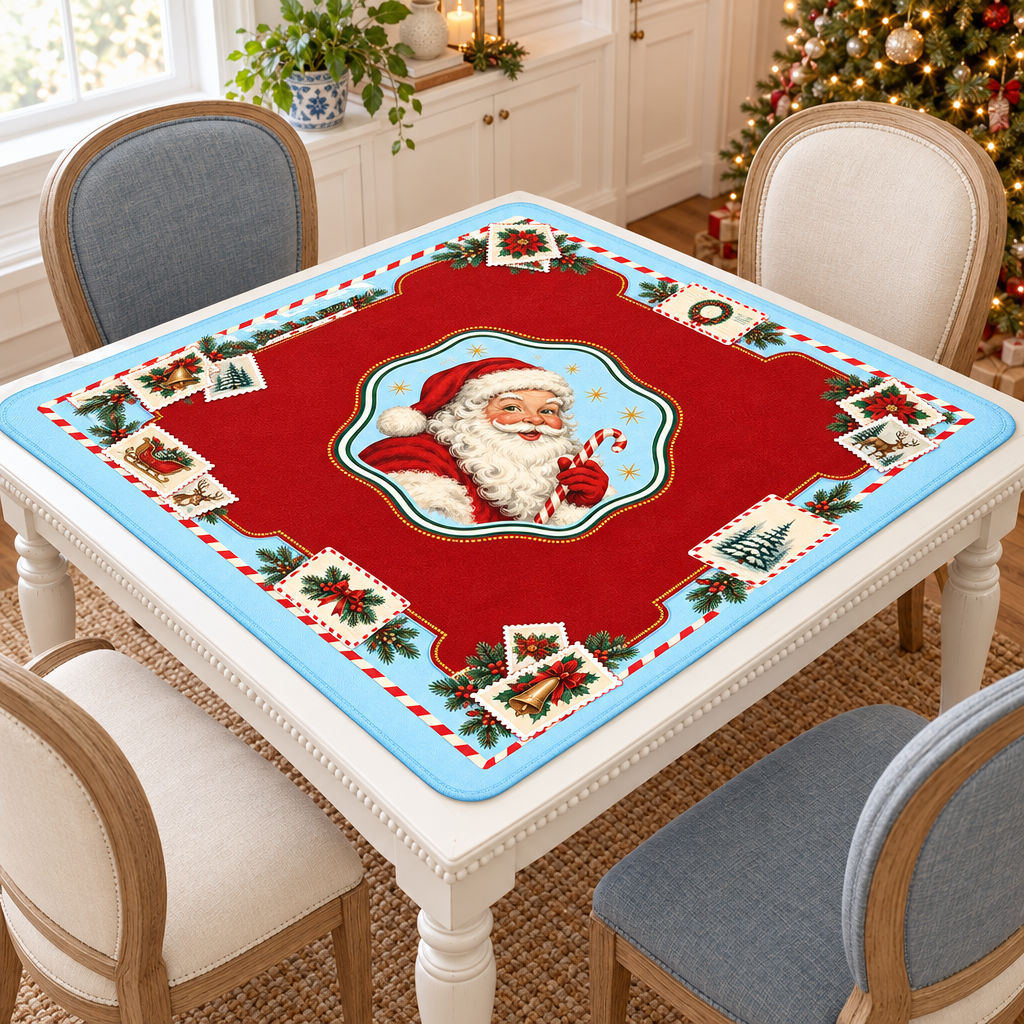
A machine washable mahjong mat is a fabric playing surface designed to withstand repeated washing cycles without losing shape, grip, or printed markings. Mahstead offers several mat styles in our mahjong mats collection—some with printed designs, others engraved or embroidered—many suitable for gentle machine washing or spot-cleaning. Most premium mats dry flat in 2–4 hours and maintain their non-slip backing after dozens of washes. Cost varies by size and customization; see current pricing on the product page. Before ordering, verify fiber content (polyester blends tend to be most durable), check the stitching along edges, confirm machine-wash temperature limits, and ask if the anti-slip underside is glued or stitched—glued backings can separate in the wash.
Machine washable mahjong mats offer convenience for weekly game hosts, but not all hold up the same way. We break down what to look for before you buy.
What makes a mat actually machine washable?
Not every mat labeled "washable" survives a full spin cycle. True machine-washable mats use synthetic fibers (polyester or microfiber blends) that resist shrinking, polyester-reinforced stitching that won't unravel, and backing adhesives formulated to stay bonded through detergent and moisture. The best ones feature a permanently fixed non-slip base rather than a glued overlay that can peel away after five or six washes. When we host weekly games, we learned the hard way: a mat with stitched rather than glued edges holds together through 50+ cycles; a glued-only backing fails by wash ten.
🀄 Shop best-selling mahjong sets →
Which mat designs hold up best to washing?
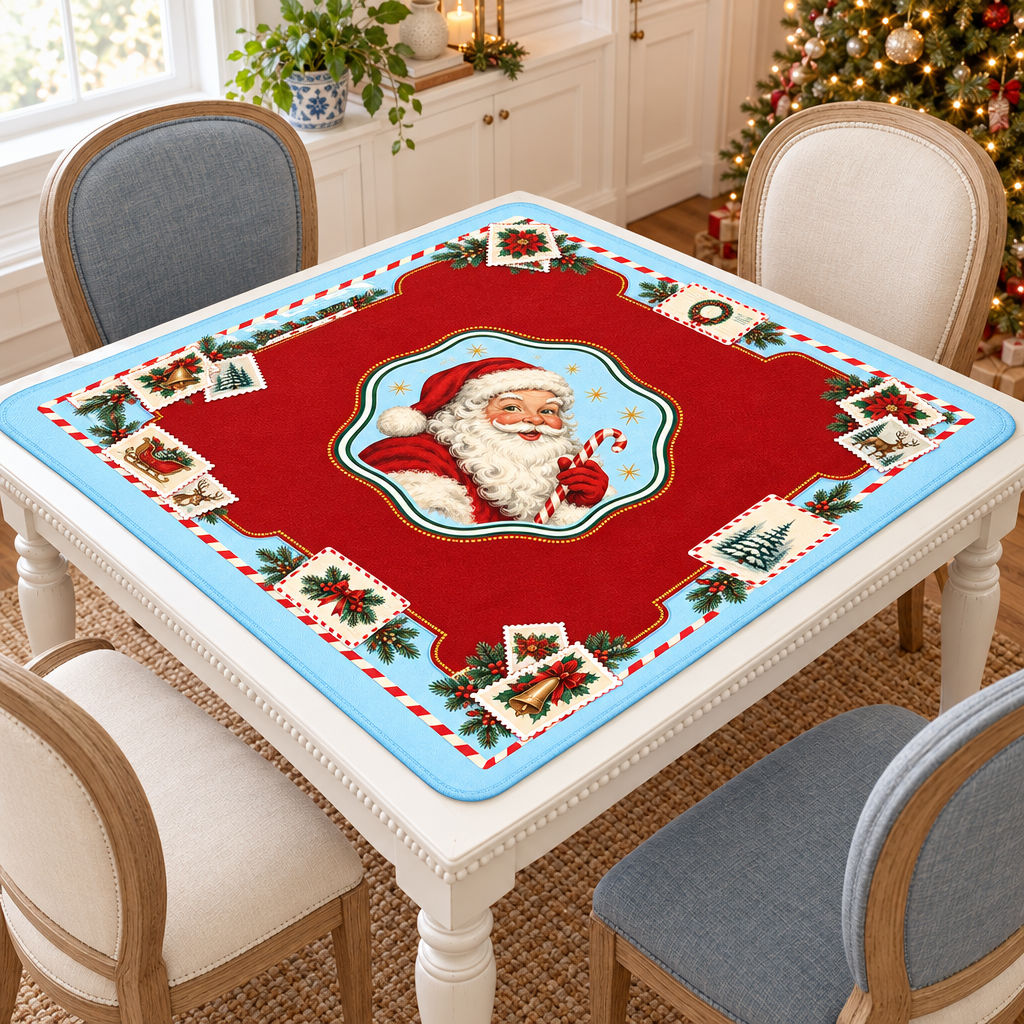
Printed designs (direct-to-fabric ink) fade faster than embroidered or engraved surfaces, which are raised and mechanized into the material itself. Embroidered mats dry slower but the design never washes out. Engraved mats offer durability and a premium feel; Mahstead's custom mahjong mats collection includes both styles. Solid-color mats (black, jade green, burgundy) hide stains better and show less wear after multiple seasons of play. Avoid mats with delicate appliqués, metallic threading, or decorative borders that aren't securely anchored—these catch in the washer and unravel within a few games.
How should you wash a mahjong mat without damaging it?
Cold water, gentle cycle, mild detergent, no bleach. Do not use fabric softener (ruins the grip). Turn the mat inside-out if possible to protect the playing surface. Air-dry flat on a clean surface—never tumble-dry. Most mats take 3–4 hours to dry completely; speed up the process by placing a towel underneath to absorb moisture from the underside. If your mat has a printed design, keep it out of direct sunlight while drying to prevent fading. Spot-cleaning between washes (wipe with a damp cloth) extends the life of the mat and keeps it fresher-looking longer.
Mat Type | Best For | Washing Frequency | Key Durability Factor |
Embroidered | Serious players, high traffic | Weekly+ | Raised design resists fading |
Engraved acrylic | Collectors, gifts, long-term use | Bi-weekly | Design mechanized into material |
Printed solid | Casual hosts, budget-conscious | Monthly | Color/stain hiding, simpler care |
Microfiber blend | All players | Any frequency | Synthetic fiber resilience |
What size should you buy for your table?
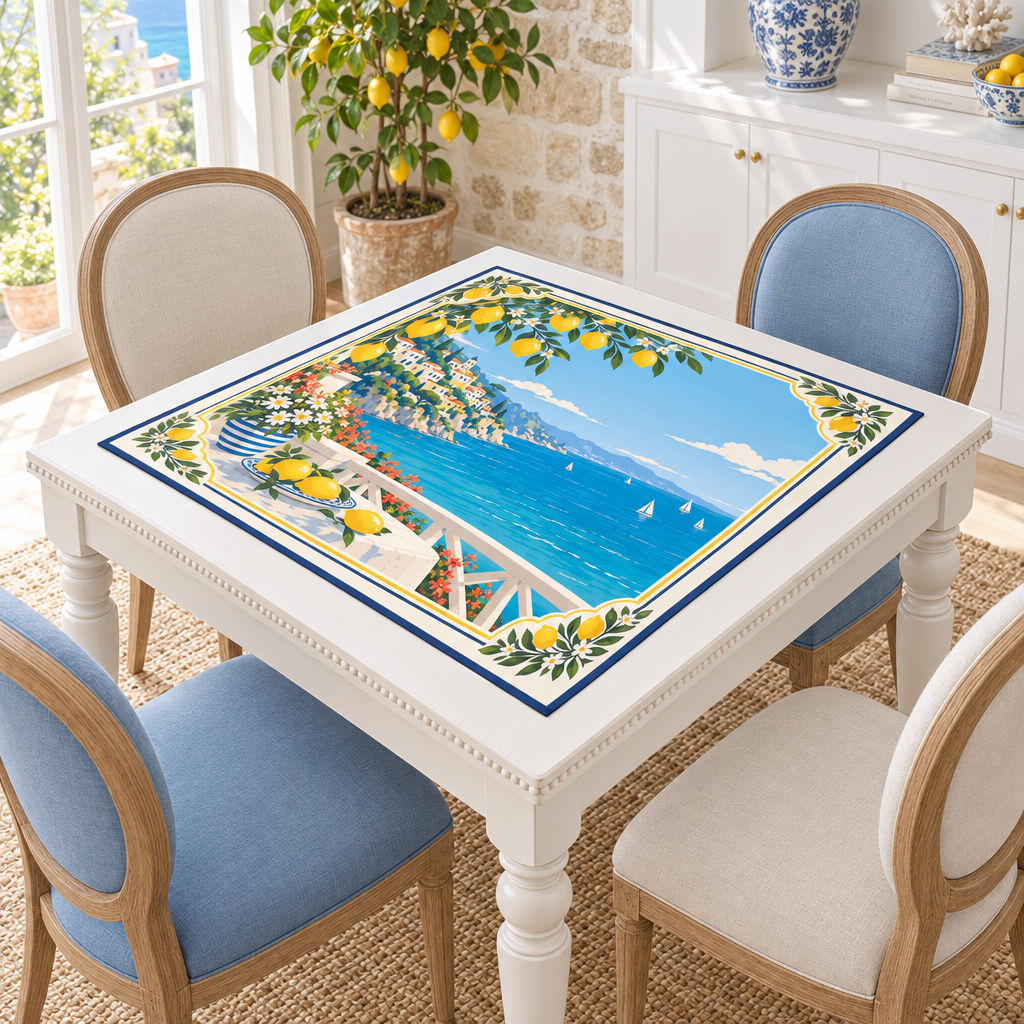
Standard mats measure 32×32 inches or larger; some players prefer 36×36 inches for four-handed games with room to spare. Measure your table diagonally—a mat should hang about 2 inches over the edge on all sides to protect the edge of the table. If your table is 30×30 inches, a 36×36 mat gives safe clearance. Longer tables (for standing games or tournaments) may need 32×60 or custom sizes; check Mahstead's mahjong mats collection for available dimensions. A mat that's too small bunches when players lean on it; one that's too large drags on laps and creates trip hazards.
Should you pair your mat with a case or rack setup?
Yes—protect your investment with a drawstring bag or hard case. After washing and drying, roll or fold your mat loosely and store it in a dedicated mahjong bag or case away from direct heat and sunlight. Pairing a mat with matching mahjong racks with pushers creates a cohesive setup that looks professional and plays smoothly. When you host consistently, players notice—and appreciate—a well-maintained, branded surface and equipment. Bundle mats, racks, and sets together for a complete hosting solution.
🎁 See our most-loved mahjong sets & accessories →
What to check before you order
Material & fiber content: Confirm polyester or microfiber blend; avoid cotton-only blends (they shrink). Stitch type: Ask if seams are chain-stitched or bartacked; bartacked corners last longer. Backing: Verify whether anti-slip is stitched, heat-fused, or glued; stitched or fused backing survives multiple washes. Temperature rating: Check the maximum wash temperature (usually 30–40°C/86–104°F for premium mats). Size confirmation: Measure your table beforehand; mats are rarely returnable once washed. Design durability: If choosing a printed mat, ask how many wash cycles the design is designed to withstand before fading—typically 20–50 cycles for quality brands.
✨ Find your Mahstead set — free US shipping →
We've hosted hundreds of games across dozens of mats—embroidered and solid designs outperform printed ones long-term, and genuine polyester blends with stitched backings survive five years of weekly play. Invest in a mat that matches your play frequency and table size; a mat treated with care becomes part of the ritual. Start with the mahjong mats collection at Mahstead, read the care tag carefully, and confirm washing instructions with the seller before checkout. Your future self—and your weekly players—will thank you.
FAQ
Can I machine wash a mahjong mat with engraved tiles printed on it?
Yes, if the engraving is heat-fused or mechanically stitched into the material. Avoid high temperatures (stay at 30–40°C); air-dry flat. Always test a corner first if you're unsure.
How often can I wash a mat before the anti-slip backing fails?
A stitched or heat-fused backing typically outlasts 50–100 gentle washes; glued backings fail sooner (10–20 cycles). Spot-cleaning between full washes extends mat life significantly.
What's the difference between a mat and a table cover?
A mat is a fixed playing surface with non-slip backing; a table cover drapes over furniture and isn't designed for active gameplay. Mats vs. table covers serve different purposes—choose based on how you play.
Should I use fabric softener when washing my mahjong mat?
No. Fabric softener leaves a residue that reduces grip and causes tiles to slide unpredictably. Use mild detergent only, no additives.
Can I tumble-dry my mat on low heat?
Not recommended. Tumble-drying can warp the backing and cause seams to loosen. Air-dry flat on a clean, level surface for best results and longest lifespan.
What's the best way to store a mat between games?
Roll loosely (don't crease) or fold gently; store in a cool, dry place in a dedicated mahjong bag or case. Avoid damp basements, direct sunlight, and heat sources like radiators.


View More
View More
View More
