
How to Repaint Mahjong Tile Engravings: A Player's Guide
Last updated: Nov 23, 2026
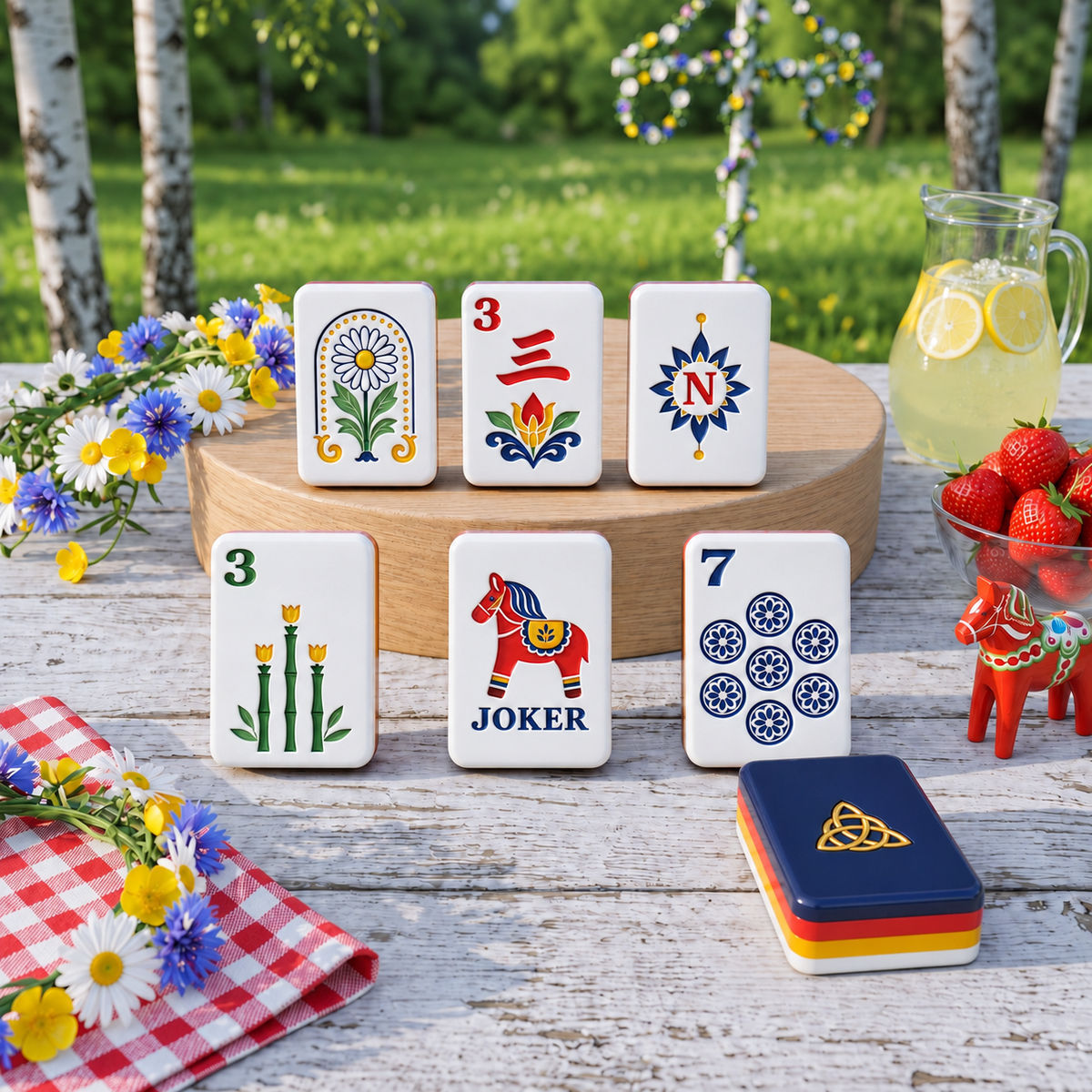
Repainting mahjong tile engravings involves cleaning the tile surface, scraping out old paint from recessed areas, and carefully applying new paint (acrylic or oil-based craft paint works best) into the engraved lines using a fine brush or toothpick. The process takes 2–4 hours plus drying time (overnight for acrylic). It's worth attempting on mid-range acrylic sets with shallow or worn engravings, but deep engravings on custom engraved sets often look better left alone or refinished professionally. Avoid water-based paint on bone or bamboo tiles; test on spare jokers first. If your set's engravings are still crisp after years, skip this—prevention (storing in a padded travel bag) protects better than repair.
Engraved mahjong tiles earn character with every hand dealt—but after a decade of weekly games, the lines fade. Before you resign that set to the closet, here's what we've learned about refreshing engravings without damaging the tiles underneath.
Why do engravings fade on active sets?
Acrylic tiles shed paint from engravings through friction during shuffling, stacking, and the Charleston. Dust and oils from hands settle in recessed lines, making characters look ghosted rather than faded. The core acrylic remains intact; the paint layer (usually 1–2 millimeters thick) wears thin where it's thinnest—inside the engraved lines. Most sets we've repainted had 300+ games of wear. If your tiles are under five years old or see fewer than 20 games yearly, repainting isn't urgent yet.

When is repainting worth the effort?
Repainting makes sense if the tile acrylic is undamaged, engravings are still visible (not completely worn flat), and the set has sentimental value. A set with one corner cracked or tiles that won't stack evenly isn't a candidate. If engravings are so shallow you can barely feel them with a fingernail, the recesses won't hold fresh paint well. Conversely, if you inherited a custom engraved set or have tiles commemorating a special event, repainting preserves the story. Compare the repair time (4–6 hours active work, plus drying) against the cost of a new set—repainting is economical for sets over 10 years old or with irreplaceable personalization.
What materials and tools do you actually need?
Essential supplies:
Fine-bristle brush (00 or 0 size, for detail work)
Acrylic craft paint or oil-based enamel (test compatibility first)
Small bowl of water (for acrylic) or mineral spirits (for oil)
Toothpick or old dental pick (for stubborn paint in deep lines)
Soft cloth or cotton swabs
Mild dish soap
Paper towels
Spare jokers or blanks from your set (for testing)
Acrylic paint dries faster (30 minutes between coats) and cleans with water; oil enamel takes 12+ hours but resists flaking better on well-used tiles. We recommend starting with acrylic on modern sets—the fit is more forgiving if you make a mistake. Old bone or bamboo tiles demand oil enamel or genuine shellac, which we do not recommend unless you've done it before. Always test on a spare joker first: paint a small line, let it dry fully, then shuffle it vigorously with three other jokers. If paint chips or flakes, switch materials before starting the full set.
🀄 Shop best-selling mahjong sets →

Step-by-step repainting checklist
Preparation (30 minutes):
Sort tiles by suit (Bams, Craks, Dots) and winds.
Wipe each tile with a damp cloth to remove dust and oils; let dry completely (1 hour).
Inspect the engraved lines: use a toothpick to gently clear any debris from recesses.
Testing (15 minutes):
Paint one spare joker with your chosen paint.
Let dry fully (acrylic: 4 hours; oil: overnight).
Shuffle the test joker with three others for one minute, then inspect under light for chipping.
Painting (2–3 hours for a full 152-tile set):
Work in batches of 12–15 tiles at a time (one suit or wind group).
Load your brush with paint; apply to the engraved line in one smooth motion, following the character shape.
Do not overfill; excess paint will seep onto the tile face and dry with jagged edges.
For deep engravings, one coat usually suffices; for shallow lines, plan two thin coats, drying between.
Wipe excess paint from the tile face immediately with a damp cloth or swab.
Drying (overnight):
Lay tiles flat on paper towels in a cool, dry place.
Acrylic tiles can be handled after 4 hours; oil enamel needs 12–24 hours.
Store in a single layer (do not stack yet).
Curing (3–7 days):
Avoid playing with freshly painted tiles for at least three days (acrylic) or one week (oil).
The paint hardens fully over this period; premature shuffling or stacking can reactivate sticky surfaces.
Task | Time | Critical Detail |
Clean & dry tiles | 1 hour | Complete drying prevents paint adhesion failure |
Test on spare joker | 4–24 hours | Tests both paint quality and your technique |
Paint one suit (36 tiles) | 45 minutes | Thin coat beats thick; wipe face excess immediately |
Dry all 152 tiles | 4–24 hours | Depends on paint type; don't rush |
Full cure before play | 3–7 days | Paint hardens microscopically; play too soon risks chipping |
Common mistakes that ruin a repainting job
Overpaint: The most frequent error is loading too much paint on the brush. Excess flows onto the tile face and drips into adjacent engravings, creating muddy, bleeding lines. Use a damp brush to thin the paint and apply in one deliberate stroke—less is always better.
Skipping the test tile: Testing on a spare joker before committing to the full set is non-negotiable. We've seen players discover their paint choice flakes after painting 50 tiles. The 15-minute test saves hours of frustration.
Stacking too soon: Wet or partially cured paint sticks tiles together permanently. Even if tiles feel dry to the touch after two hours, they aren't cured. Wait at least one full day before stacking, and store vertically (like books) for the first week, not in a tower.
Mixing old and new paint: If your original set used shellac or a specialty enamel and you paint half with acrylic, the two won't match in sheen or durability. Repaint all tiles in the same batch if you want visual consistency.
Ignoring tile condition: Repainting won't fix cracked acrylic, loose tiles, or sets where jokers have separated from their frames. Check the structural integrity before investing time in paint refresh.
🎁 See our most-loved mahjong sets & accessories →
When to buy a new set instead
If repainting feels like too much, or if your set has reached a point where engravings are completely worn flat, a fresh engraved American mahjong set is the better choice. New tiles also mean clean jokers, crisp stacking, and the satisfaction of breaking in a set from day one. Sets with personalized engravings (initials, dates, inside jokes) are exceptions—those are worth the repaint effort. For travel-heavy groups, a lightweight acrylic set paired with a protective mahjong travel bag extends tile life far more than repainting ever will. Prevention (proper storage, regular gentle cleaning) beats repair.
What to check before you buy paint supplies:
Confirm your tiles are acrylic, not bone or bamboo (acrylic accepts craft paints; bone needs oils or shellac).
Check engraving depth: if engravings are barely visible, new paint won't adhere well enough to justify the work.
Ensure the set's acrylic has no cracks, chips, or loose tiles; repainting cosmetic wear only.
Test paint on a spare tile from your exact set; colors and finishes vary by manufacturer.
Plan for 3–7 days of curing before the set returns to regular play; no shortcuts.
✨ Find your Mahstead set — free US shipping →

FAQ
Can I repaint tiles while they're still in the rack?
No. Remove all tiles from racks and sort by suit. Paint tiles laid flat on paper towels, where you can access engravings cleanly and control paint flow. Racks should stay paint-free.
Will acrylic paint stick to old shellac engravings?
Poorly. Test first. If the original paint is shellac (shiny, hard, almost glass-like), light sanding with 220-grit paper helps acrylic grip, but oil enamel is safer. Consult a tile restorer if the set is antique or irreplaceable.
How long does a repaint job last before fading again?
5–10 years, depending on play frequency. Sets played twice weekly fade faster than sets played monthly. Proper storage in a padded bag adds 2–3 years of life to the repaint.
Should I seal the paint after repainting to protect it?
Not recommended. Sealants (polyurethane, varnish) can make tiles sticky and interfere with the Charleston and shuffling. Acrylic and oil enamel are durable enough alone if applied correctly.
What paint color should I use if the original is faded?
Match the original under bright light: black or dark gray for standard Bams/Craks/Dots, red for Craks/flowers, green for Bams, white for Dots/Soap. If original paint is completely gone, choose the most readable contrast against your tile base. Test on a spare joker first.
Can I repaint jokers, or should I replace them?
Jokers fade fastest because they're handled constantly. If your set has spare jokers, swap them in and repaint the worn ones separately, or replace them entirely. Spare jokers are economical insurance against this problem.


View More
View More
View More
