
Mahjong Lessons in Little Rock: Where to Learn & What to Know
Last updated: Nov 23, 2026
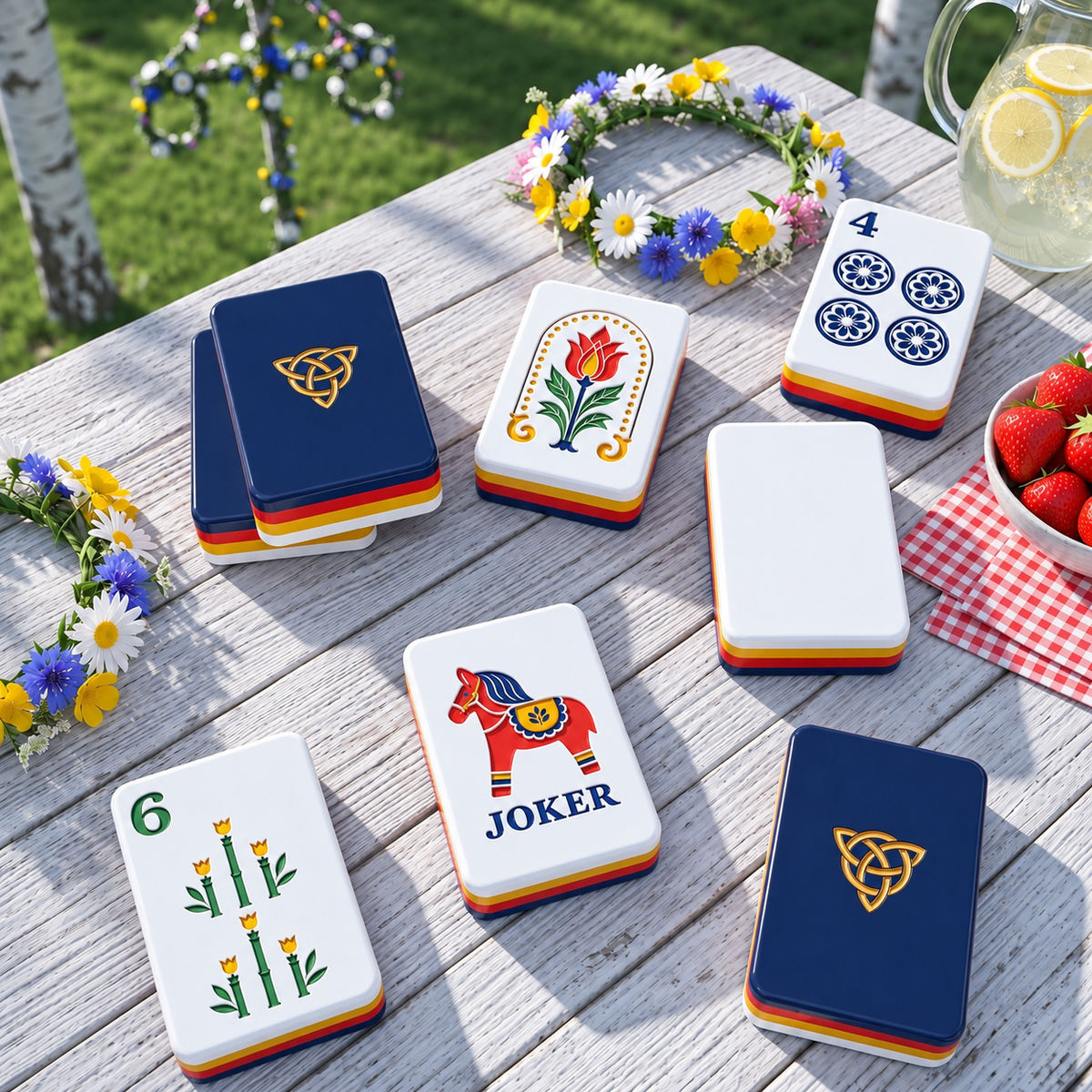
Little Rock residents can find mahjong instruction through public libraries, community centers, synagogues, and country clubs—start by calling ahead or checking meetup boards to confirm current offerings. Most beginner lessons run 6–8 weeks and teach American mahjong (the 152-tile variant with the yearly card, Charlestons, and no sequences). Expect to pay instructor fees that vary by venue; many clubs waive costs if you join their regular games. You'll need a best-selling mahjong set, a mat for clean play, and patience with the hand combinations—the National Mah Jongg League card looks cryptic at first but becomes intuitive within weeks. Start with beginner-focused groups; many players move between casual home games and structured lessons to build speed and confidence.
Finding lessons in Little Rock means checking three main channels: public facilities (Little Rock Public Library branches often host or know of groups), senior centers and community recreation departments, and faith-based organizations like synagogues, which have traditionally hosted mahjong communities. Call ahead—programs change seasonally. For informal learning, join online meetup boards or ask at local game shops; word-of-mouth spreads quickly once you signal interest.
What should a beginner lesson actually cover?
A solid beginner course teaches the 152-tile setup, the Charleston (the tile-passing ritual before each hand), how to read the yearly card, exposure rules (pungs, kongs, quints—no sequences in American mahjong), and scoring basics. Week one focuses on tile names and the card layout; weeks 2–4 build hand recognition; weeks 5–6 add speed and real-game flow. Avoid instructors who skip the card entirely or claim one "system" works for all hands—the card changes every spring, so flexibility is essential. Good teachers explain why jokers cannot fill pairs and show live examples rather than just theory.

How does American mahjong differ from what you might see online?
American mahjong uses exactly 152 tiles (three suits × 1–9, four copies each = 108; 16 winds; 12 dragons; 8 flowers; 8 jokers). It requires the current National Mah Jongg League card—hands are only valid if they appear on that year's card. There are no chows (sequences like 1-2-3). You can only expose pungs (three identical tiles), kongs (four), quints (five), and sextets (six); jokers never fill a pair or stand alone. Chinese mahjong, Hong Kong, Riichi, and Taiwanese variants use different tile counts, allow sequences, score differently, and don't need a card. If your lesson mentions "sequences," ask whether it's American or a different variant—most Little Rock groups play American, but confirm first.
Can you learn mahjong online, and is it worth combining with in-person lessons?
Online video lessons teach tile names, hand layouts, and card reading quickly; many beginners watch YouTube or recorded courses before attending in-person games to feel less lost. However, speed and social confidence come only from live play. The Charleston feels awkward on screen. Reading the card under time pressure at a real table is different from studying it offline. Use online prep (30 minutes, 2–3 times) to learn basics, then attend a lesson or drop-in game to build real fluency. Mixing methods cuts learning time roughly in half based on feedback from our weekly game hosts.
What equipment do you actually need to start?
You need a standard American mahjong set (152 tiles plus spares), a quiet surface, and ideally a mat for grip and noise dampening. A rack with pushers keeps tiles upright and hides your hand so other players cannot see what you're holding—essential for fair play and much faster than sliding tiles by hand. A tile bag or drawstring pouch holds the wall during setup. Many players skip pushers early and regret it; they transform the experience from fumbling to smooth. For lessons, ask the instructor whether they provide sets and mats or expect you to bring your own—some venues have shared sets, others don't.

What's the realistic timeline from zero to hosting your own game?
Most players feel confident enough to host after 8–12 weeks of weekly lessons or casual drop-ins. The first month teaches recognition; the second builds speed (discarding in <10 seconds); the third adds strategy (tracking discards, reading opponents' waits). By week 10–12, you recognize most common hands, move tiles quickly, and understand scoring. Hosting your own game at home—where you control the pace—often feels easier than joining an established group at first, so many beginners ask friends over after 8 weeks, even if they're not yet fast.
Timeframe | What you'll know | Where to practice | Equipment needed |
Weeks 1–2 | Tile names, card sections, basic setup | Instructor lesson or video | Set + mat |
Weeks 3–4 | Hand recognition, pung/kong rules | Weekly group or home practice | Set + mat + racks |
Weeks 5–8 | Speed, Charleston, scoring | Drop-in groups, casual games | Set + mat + racks + bag |
Weeks 9–12 | Hosting confidence, strategy | Your own game or formal clubs | Full home setup (mat, racks, bag) |
🀄 Shop best-selling mahjong sets →
How do you avoid common beginner mistakes that slow learning?
Don't buy a cheap set expecting to upgrade later—a wobbly rack or tiles that stick in the bag frustrate you and slow the table. Get a quality American mahjong set and a proper mat from the start; they cost far less than the 30 hours of wasted time fumbling with bad equipment. Don't memorize the card—learn to scan it (section by section). Don't play every single hand; watch a few hands before joining in to absorb the rhythm. Don't skip the Charleston; it's not a formality—it sets up the game mathematically. And don't assume you're "not a mahjong person" after three hands; the learning curve flattens sharply around week 4.
What should you check before you buy a home set?
Ensure the set contains exactly 152 playing tiles (not 144 or 166—those are different variants). Check that racks have pushers and are sized for comfort (most players prefer racks that accommodate 14 tiles comfortably, leaving room to pick a new tile). Verify the mat has a non-slip backing so it doesn't slide during shuffles. Look for a tile bag large enough to hold the wall during setup without jamming. If you're serious about hosting, a mahjong mat with clear corner pockets for the wall speeds setup considerably. Many lessons recommend bringing your own set so you learn on equipment you'll use at home—this builds familiarity and lets you practice between lessons.
🎁 See our most-loved mahjong sets & accessories →
Reading the yearly card—the official hand list—looks daunting at first. Cards are organized by pattern type (like "2468," "consecutive pairs," "like numbers") and tile category (suited hands, honors, mixed). Each entry shows jokers permitted, how to form it, and what counts as a win. Spend 10 minutes scanning the card before your first game; within two lessons, you'll navigate it in <5 seconds. The card changes in spring each year, so even veteran players refresh. Ask your instructor for a guide specific to the current year's card—reading methods vary slightly by edition.
How to tell if a group or lesson is right for you
Visit before committing. Good groups welcome drop-ins, explain rules without condescension, and keep the pace friendly (discards shouldn't fly in <3 seconds during your first outing). Avoid groups where players groan at slow hands or refuse to explain scoring—that's a sign of a clique, not a welcoming table. Ask about the teaching method: do they use the official card or house rules? Are they teaching American mahjong or a variant? How many players typically show up? Trustworthy instructors will answer honestly. If a lesson advertises "secret systems" or promises mastery in a week, keep looking.
✨ Find your Mahstead set — free US shipping →

FAQ
Where in Little Rock should I start looking for mahjong groups?
Contact the Little Rock Public Library (reference desk), local senior recreation centers, synagogues, and country clubs—ask if they host or know of mahjong groups. Check community meetup boards online and ask at game cafés. Call ahead to confirm current offerings; groups vary by season.
Is American mahjong harder to learn than other mahjong types?
No—American mahjong is beginner-friendly because the card tells you exactly what hands are valid. Chinese and Riichi variants require memorizing hand types or specific scoring patterns. The 152-tile setup is also straightforward. Most players find the card intuitive within 3–4 lessons.
Can I practice mahjong at home alone before joining a group?
Yes. Watch your hands form on a mat, review the current card, and shuffle tiles to build familiarity. However, you cannot practice the Charleston or real-time speed alone. Solo practice sharpens recognition; group play sharpens rhythm and confidence.
Do I need to buy a new set every year when the card changes?
No. The tiles themselves never change—only the hand combinations (the card) changes. Your 152-tile set works forever. You just reference the new card each spring.
What's the cost to join a regular mahjong group in Little Rock?
Many community center and library groups charge no fee or ask for a small drop-in donation. Private clubs or lessons vary by instructor and venue—ask directly. Compare group culture and teaching quality, not just price; a welcoming free group often beats a poor paid lesson.
How long until I can teach someone else mahjong?
After 16–20 weeks of regular play (roughly 3–4 months), you'll explain basics confidently and guide beginners through early hands. Full-fledged teaching (scoring nuances, strategy) typically takes 6+ months. Start by helping one friend, not a whole table.


View More
View More
View More
