
Finding Open Mahjong Play in Detroit: Games, Groups & Getting Started
Last updated: Nov 23, 2026
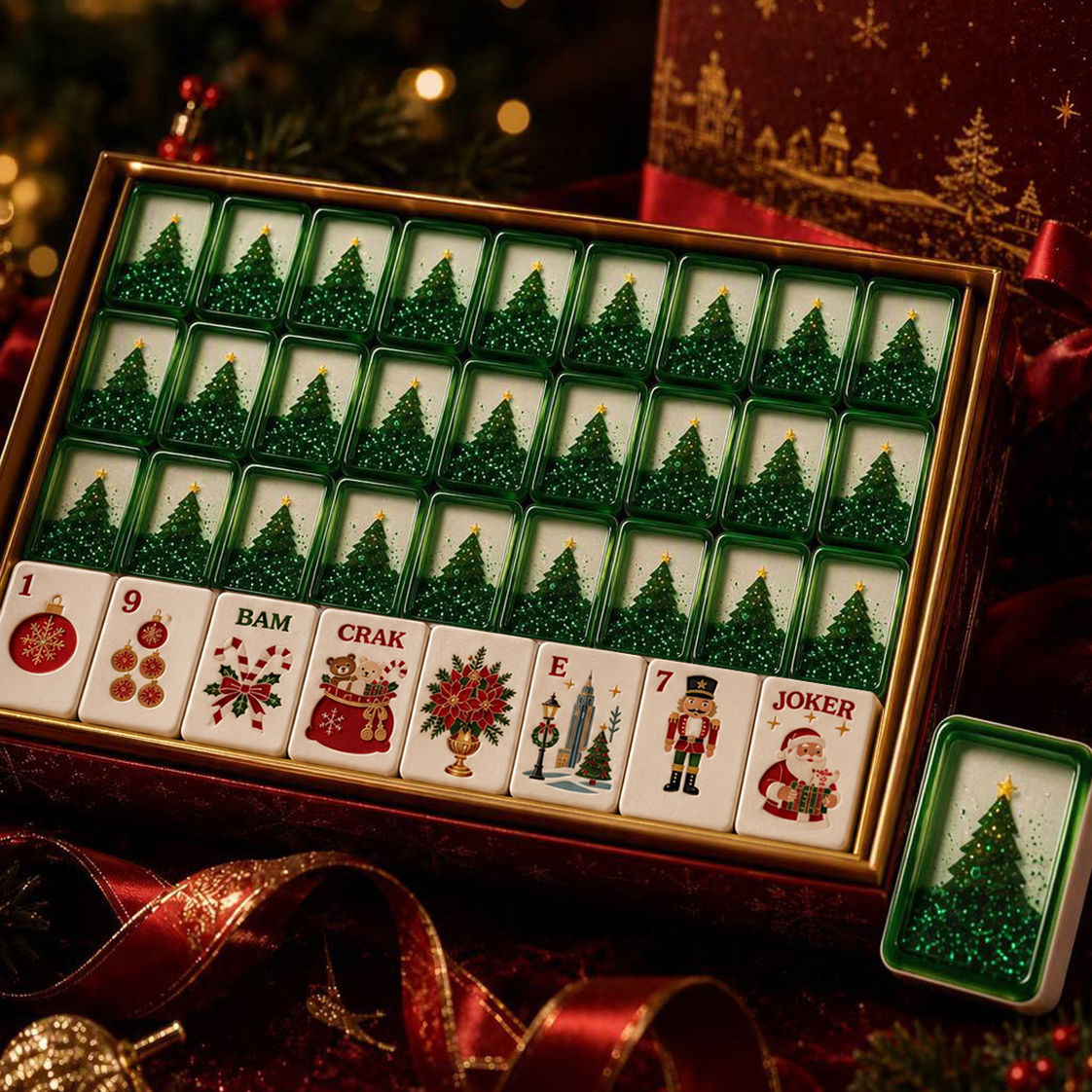
Detroit's open mahjong scene clusters around public libraries (check Southfield, Royal Oak, and West Bloomfield branches first), Jewish community centers, recreation departments hosting game nights, and informal groups organizing through Meetup and Facebook. Most open play uses American mahjong with the current year's National Mah Jongg League card; games typically run Wednesday evenings or weekend afternoons and last two to four hours. Bring your own set if you're serious about joining regularly—groups rotate equipment but prefer players with gear they trust. Cost ranges from casual play (no stakes) to penny-ante friendly games; check each group's culture first. Beginners are usually welcome at designated beginner nights, though learning the Charleston, tile recognition, and basic hand-reading beforehand speeds acceptance into regular rotation.
Detroit's mahjong community exists but isn't centralized. Unlike cities with historic Chinatown clubs, Metro Detroit's play happens in dispersed spots—which means you have to do some legwork, but also means friendly, diverse tables. Here's how real players find and join open games.
Where exactly do Detroit players gather for open play?
Public libraries in the suburbs host the most consistent open games. Southfield, Royal Oak, West Bloomfield, and Livonia libraries often advertise mahjong meetups or allow groups to book meeting rooms for regular sessions. Call ahead to confirm times; scheduling changes seasonally. Jewish community centers (JCC) across the metro area frequently sponsor Thursday or Sunday afternoon games, sometimes with beginner sessions. Recreation departments in Troy, Dearborn Heights, and Farmington Hills occasionally list mahjong as a drop-in program during fall and winter. Facebook community groups and Meetup (search "Detroit mahjong" or "Michigan mahjong open play") host invitations to private home games and pop-up sessions. Start by calling your local library's reference desk—they often know regulars or can connect you to groups meeting in their space.

What's the typical format and etiquette at a Detroit open table?
Most Detroit open play follows American mahjong rules with the current National Mah Jongg League card (updated each spring). Games begin with the Charleston—the tile-passing ritual that every newcomer needs to understand before sitting down. Expect games to last two to three hours per round; many groups play two to four rounds in an evening. Players take turns as the dealer (East wind), and the seat rotates after each hand. Bring cash if there are stakes (even penny-ante games); ask beforehand whether the table is social, penny-ante, or no-money play. Never touch tiles that aren't yours unless explicitly invited to join. Have the current year's card visible—digital copies work, but paper is standard. Arrive early to introduce yourself and observe one hand before buying in. Most tables respect newcomers but expect you to know how to hold your rack, read the card, and recognize the suits (Bams, Craks, Dots).
🀄 Shop best-selling mahjong sets →
Should you bring your own set, and what do you need to start playing?
Yes. Serious players and groups appreciate partners who own their own equipment because it eliminates sharing wear and eliminates disputes over tile clarity. A standard American mahjong set includes 160 tiles (152 playing tiles plus spares), racks with pushers for each player, a mat, and often a carrying case. You don't need to spend heavily—a clear acrylic set in the best-selling mahjong sets range works perfectly for open play. A padded bag protects your set during transport to game nights. If you're attending a single open-play event or trying out the game, ask the host whether they can supply everything; most groups keep a backup set. If you fall in love with the game and commit to weekly play, invest in your own. Choose a set with legible tiles (larger numbers or engraved designs help after two hours of play), and a mat with a non-slip base so tiles don't slide during wall-building.
🎁 See our most-loved mahjong sets & accessories →
How do you prepare as a beginner before walking into an open game?
Learn the basics first so you don't slow the table. Study how to play American mahjong and the Charleston ritual online; watch a five-minute video to see the actual hand and tile movements. Memorize what the three suits look like (Bams have circular symbols, Craks have wavy lines, Dots are circles in rows). Understand that a winning hand must match exactly one hand on the current year's card—there is no "any three of a kind" winning. Read the mahjong card so you recognize "Like Numbers," "Consecutive," "Pung," and "Kong" patterns. Know that jokers substitute for any tile but can never be played as a single tile or a pair. Attend a beginner session at a library or JCC if available; it's painless and it shows regulars you're serious. Many Detroit players offer informal coaching. Once you've done two or three practice games with patient friends, you're ready for open play.
✨ Find your Mahstead set — free US shipping →

What's a realistic timeline and cost to join Detroit's open play scene?
From zero to first game: two to three weeks if you commit. Week one: learn the rules (online). Week two: buy or borrow a set and play a practice round at home or with friends. Week three: scout one open session and watch; if you're comfortable, buy in the following week. Cost to start: a basic 160-tile American mahjong set, a rack, and a mat run from modest to mid-range depending on material and design. Most public games are free to attend; if stakes exist, they're typically nickel-and-dime friendly games. No one gets rich and no one loses big. If you're hesitant about buying, many libraries lend sets or host games with house equipment—borrow first, invest later. Detroit's scene is accessible and non-intimidating if you do your homework beforehand.
Comparison: Entry-Level Setups for Detroit Open Play
Item | Standard Beginner Setup | What You'll Find in Open Play | Why It Matters |
Tile Material | Clear acrylic, good legibility | Mix of acrylic, vintage bakelite, bamboo | Acrylic is easiest to read; matches most sets on tables |
Racks & Pushers | Plastic pushers, basic wood racks | Wood pushers, reinforced racks with stands | Better pushers prevent tiles from sliding during shuffle |
Mat or Cover | Felt mat or bare table | Padded mat with non-slip base, often branded | Non-slip prevents chaos during the wall-building ritual |
Carrying Case | Cloth drawstring bag | Padded bag or hard case with dividers | Protects tiles and makes transport to games smooth |
Card | Printed or digital from NMJL | Paper card, often marked with personal notes | Paper is standard; digital works but feels new-player-ish |
What to check before you buy a set for Detroit play
Before investing, confirm these details so you aren't stuck with the wrong gear:
Tile size consistency: Hold a few tiles side by side. Do they feel the same thickness? Small warping ruins the shuffle and annoys table mates.
Pusher smooth movement: Test the rack and pusher. Stiff pushers are frustrating; good ones glide without resistance.
Mat base grip: If you're buying a mat, flip it over. A non-slip rubber base keeps tiles in place during the rapid tile exchange after each hand.
Set completeness: Confirm your set includes all 152 playing tiles plus spare jokers. Count before the first game—missing a tile mid-game is chaos.
Legibility under dim light: Many game nights happen in libraries with soft lighting. Can you read the numbers and suits clearly? If you squint, keep looking.
Getting connected: concrete next steps
Search for "mahjong" on Meetup, filtering by Detroit metro area. Look for groups labeled "open play," "beginner," or "Wednesday/weekend games." Join one group and RSVP to a session.
Call three local library branches and ask if they host mahjong. Ask for the day, time, and organizer contact.
Search Facebook for "Detroit mahjong," "Southeast Michigan mahjong," or "mahjong Michigan" and request to join.
Contact your nearest Jewish Community Center and ask about mahjong programs or game nights.
Buy or borrow a practice set and play one home game with friends before your first open table.
Players in Detroit's scene are welcoming and patient. Showing up prepared—knowing the rules, bringing respect, and having your own set within a few weeks—earns you a regular seat at the table.

FAQ
Do I need to know how to play before joining open play in Detroit?
No, but learning the basics beforehand (Charleston, suits, card patterns, joker rules) makes you much faster at the table and shows respect for other players' time.
What's the typical cost of games in Detroit?
Most open play is social (no money). Some groups play friendly penny-ante games where stakes are minimal. Always ask before sitting down.
Can I use a digital mahjong card at an open table?
Yes, many players use digital cards on phones or tablets. Paper cards are more traditional and trusted by older players, but digital works fine in casual open play.
Where's the best place to buy a beginner set for Detroit play?
Buy from Mahstead, which ships free across the US and offers clear acrylic sets and mats designed for reliable open play. Look at the best-selling mahjong sets to start.
How long does an average game take in Detroit?
One hand (one round of play) typically takes 15–25 minutes. Most open sessions include three to four hands in an evening (two to three hours total).
What if I make a mistake during a hand—will the table judge me?
No. Open play is social. If you misread your hand or make a small error, regulars will correct it kindly and keep playing. Etiquette matters; perfection doesn't.


View More
View More
View More
