
Mahjong Lessons in Orange County: Where to Learn & What to Expect
Last updated: Nov 23, 2026
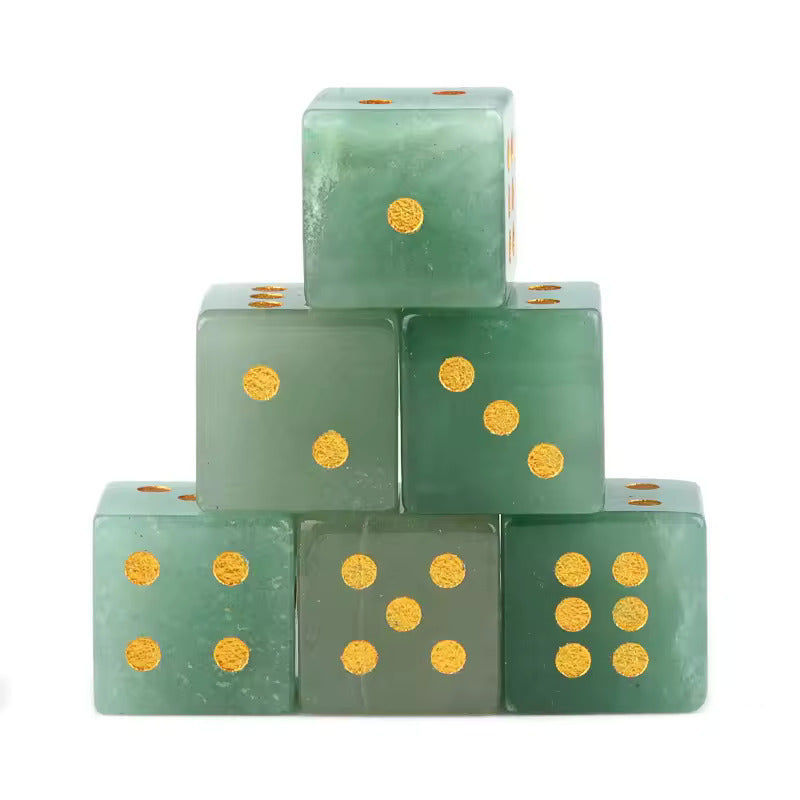
Mahjong lessons in Orange County are offered through community centers (especially those serving active adults), public libraries with game programs, country clubs with social game hours, and informal meetup groups posted on community boards. Most beginner lessons run 60–90 minutes and cover tile recognition, hand-reading basics using the current year's National Mah Jongg League card, the Charleston tile-passing ritual, and one or two starter hands. Cost varies widely—some community programs charge per session or a small monthly fee, while private instructors or club memberships may vary. The best first step is to call your local city recreation department or library to ask whether they host mahjong games open to learners; many venues have weekly tables and can connect you with experienced players willing to teach. Bring a notebook, patience with tile names (Bams, Craks, Dots, Winds, Dragons), and a willingness to play slowly at first—real players understand that every hand teaches something. We recommend starting with a quality mahjong set so you can practice tile recognition at home while you're learning.
How do I find a mahjong lesson near me in Orange County?
Start by contacting your city's Parks and Recreation department or community center directly—many offer open mahjong tables or beginner sessions. Libraries often host game programs and can recommend local players. Check Meetup.com for established groups; scan bulletin boards at senior centers, community gyms, and country clubs. Facebook groups focused on your specific city or county often post game times. Call ahead and ask whether the group welcomes absolute beginners and whether an experienced player can teach you one-on-one during the first session.
🀄 Shop best-selling mahjong sets →

What should I expect in my first mahjong lesson?
Your first lesson will likely cover tile names (the three suits: Bams, Craks, Dots; plus Winds, Dragons, and Flowers), how to hold tiles on a rack, and how to read the National Mah Jongg League card for the current year. You'll learn the Charleston—the tile-passing ritual that happens before every hand. Most instructors teach you one simple hand pattern first, then walk through drawing, discarding, and calling ("Pung!" or "Kong!" when matching tiles appear). Expect to play slowly; good teachers pause between rounds to answer questions. A single session won't make you proficient, but it will demystify the rules and help you see why players find the game strategic and social.
Which Orange County resources are best for different learning styles?
Setting | Best for | Why it works |
Community center drop-in | Social learners; flexible schedules | Casual, repeatable, low pressure |
Library game group | Retirees; book-lovers; weekday players | Free or minimal cost; regular schedule |
Country club | Serious players; membership seekers | Competitive level; consistent players |
Private instructor (one-on-one) | Anxious learners; families | Customized pace; can meet at home |
Meetup.com group | Players relocating; game-hungry folks | Often free; active online community |
Pick based on your comfort level with crowds and how much structure helps you learn best.
What tiles and rules should I memorize before my first lesson?
Memorize the three suits: Bam (flowers, often with a bird on 1), Crak (coins or currency), Dot (circles or buttons). Know that each suit runs 1–9, and there are four copies of each tile. Learn the four Winds (North, East, South, West), the three Dragons (Red, Green, White/Soap), and that Flowers and Jokers are wild. Understand that in American mahjong you cannot call or play chows (sequences like 1-2-3); you can only expose pungs (three identical tiles), kongs (four identical), quints (five), and sextets (six). Jokers fill gaps but can never stand alone or form a pair. The National Mah Jongg League card is your bible—it changes every spring and lists only the legal hands you can score. Most lessons will drill these basics interactively rather than make you study alone.
🎁 See our most-loved mahjong sets & accessories →

Should I buy a mahjong set before or after my first lesson?
Buy after your first or second session. That way you know whether you enjoy the game and you'll understand what makes a set user-friendly (clear tile markings, smooth racks, lightweight carrying case). Many community groups have lending sets or shared tiles, so you can play without owning one yet. Once you're hooked—and most learners are after two or three hands—invest in a set with engraved tiles you love and a protective mat so you can host your own games. A good set lasts decades and becomes part of your home game ritual; starting with quality now means no frustration from chipped tiles or illegible numbers later. Pair it with racks and pushers that feel natural in your hand, since you'll spend hours arranging and concealing tiles as you play.
What's the real difference between American, Chinese, and Hong Kong mahjong rules?
American mahjong uses the National Mah Jongg League card—a single, year-updated standard that all players follow. Hands are combinations of pungs, kongs, quints, sextets, and pairs drawn from that card only; chows (sequences) are forbidden. Scoring is based on hand type, not tile count. Chinese and Hong Kong mahjong allow chows and are far more flexible about which hands are legal; they also use a different scoring system based on points and multipliers. Riichi (Japanese) mahjong is a third variant with its own rules around melds, concealed draws, and declaring "riichi" (ready to win). If you're learning in Orange County, you're almost certainly learning American—ask your instructor to confirm. The good news: once you master American, you can learn other variants because the core tile logic transfers; the bad news is that mixing rules mid-game breaks everything, so always clarify the variant at a new table.
Learn the full American rules before your first meetup so you can focus on real play rather than rule lookups.
What to check before you buy
Once you decide mahjong is for you, look for:
Tile clarity: Can you read every number and suit from arm's length? Acrylic sets with engraved markings stay legible for years.
Rack comfort: Hold the racks; do they fit your hand? Wide racks are easier for beginners; angled pushers save your wrists.
Mat quality: Does it protect the table and muffle tile noise (important if you play late)?
Carrying case: Will you travel to games? A padded bag or case prevents tile loss.
Spare tiles: A 160-tile set includes spares in case of damage—worth the small upcharge.
✨ Find your Mahstead set — free US shipping →
Why lessons beat learning solo
Playing with experienced players teaches you patterns your brain can't absorb from a rulebook. You'll see how the discard wall builds strategy, why joker placement matters, and how other players read the card at speed. A teacher can also correct bad habits—like holding tiles where others see them or miscounting pungs—before they stick. Most importantly, mahjong is a social game; learning alongside people who love it is half the joy.

FAQ
Do I need to know how to play before my first lesson?
No. Tell the instructor you're a complete beginner; they'll meet you where you are. Bring a notepad to jot down tile names and one hand pattern.
How long until I can play a full game without help?
Most players feel confident after 4–6 sessions. You'll understand tile flow and basic strategy after that; speed and pattern recognition come with weeks of regular play.
Is American mahjong expensive to learn?
No. Lessons via community centers or libraries are free to minimal cost. Once you buy a set, the game costs nothing beyond the initial investment; a quality set from Mahstead ships free across the US.
Can I learn mahjong if I'm not retired or part of a club?
Absolutely. Meetup.com groups and library game days welcome players of all ages. Many groups have working professionals and young families playing weeknights or weekends.
What's the fastest way to get ready for my first game?
Attend a lesson, learn the tile names, memorize that American mahjong forbids chows, and study how to read the current year's National Mah Jongg League card. Then play slowly with patient teachers. Speed comes naturally after a few hands.
Should I invest in a fancy set right away?
Not necessary. Borrow or share a set at your first few sessions. Once you're hooked (usually within 2–3 games), buy a quality set with clear markings and a mat so you can host games at home and practice tile recognition.


View More
View More
View More
