
East in Mahjong: Examples, Rules & How to Call
Last updated: Nov 23, 2026
In American mahjong, East is one of four wind tiles (North, East, South, West) that function as honor tiles. Four identical East tiles exist in the set. You can form a pung (three Easts), a kong (four Easts), or include it as a single tile in a hand, but never as a pair alone or in a sequence (American rules do not allow chows). East earns 2 bonus points when your seat wind matches—for example, if you are the East player and you go mah jongg with an East pung or kong, you score extra. East appears on the National Mah Jongg League card in patterns marked as honor combinations. Unlike seasons or flowers, winds cannot be passed during the Charleston and are not concealed; when you expose a pung or kong of East, all players see it immediately. Our best-selling acrylic sets include four clear East wind tiles so you can practice these combinations with confidence.
East is one of four wind tiles in American mahjong—a tile that serves as a single honor, can form pungs and kongs, and carries bonus points when it matches your seat. We show you exactly how to use it and when it appears on the card.
What does East do in a mahjong hand?
East is a single honor tile, not a number. It cannot form a sequence (called a chow) because American mahjong has no chows—only sets of three identical tiles (pung), four identical (kong), five identical (quint), or six identical (sextet). If your hand calls for three East tiles, you expose them as a pung. If you hold all four Easts, you expose a kong. East can also appear as one tile within a larger pattern on the card—for example, a pung of East plus a quint of Dots. You never use East as a pair alone; pairs must match the card pattern. In American mahjong, Easts are always identical to other Easts—there is no variation by rank.
🀄 Shop best-selling mahjong sets →

When does East score bonus points?
East scores 2 bonus points when your seat wind at the table matches the wind in your winning hand. The four seat winds rotate: East, South, West, North. If you are sitting in the East seat and you win with a hand that contains an East pung or kong, you earn the 2-point bonus. The bonus applies only to that seat position for that round—when the deal passes, the seat winds shift. You do not earn a bonus for having East if you sit in a different seat, even if the hand pattern includes East. This is one reason experienced players track seat assignments carefully. Bonus points are added after your hand score is calculated and do not affect hand validity—only the final point total.
How do you call and expose an East pung or kong?
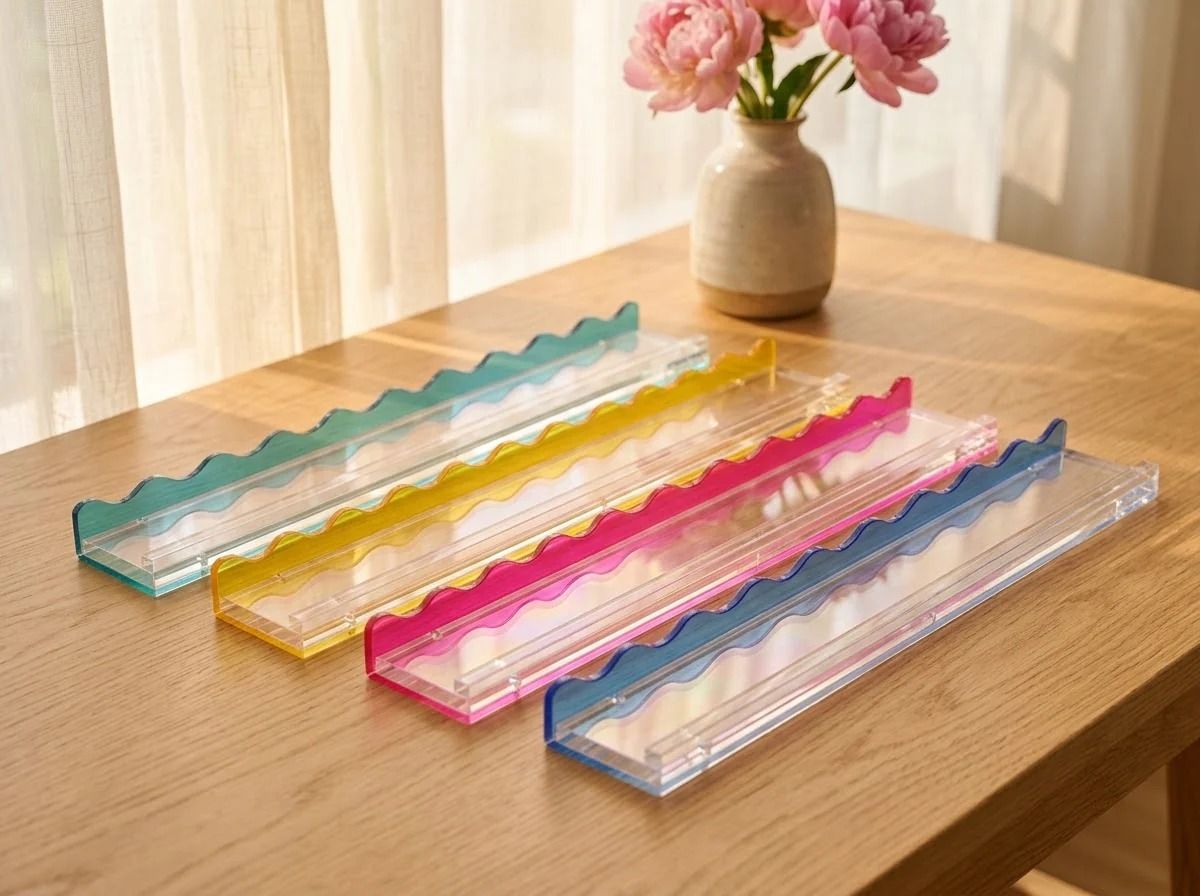
Call "pung" or "kong" immediately when it is your turn and a discarded tile completes your set. Announce the tile type and the set size—for example, "Kong East" if you pick the fourth East from the wall. Place the three or four identical tiles face-up on your rack, in front of your hand. Never expose a set out of turn; you forfeit the claim. If another player discards an East and you hold two Easts already, you may claim it for your pung on your turn (do not interrupt earlier players). Once exposed, the set remains on display for the entire hand; you cannot hide it or rearrange it. Some players use racks with pushers to keep sets organized and prevent accidents.
Where does East appear on the NMJL card?
East appears in the National Mah Jongg League card's honor section—the area reserved for winds and dragons. The card lists combinations of winds (for example, "Pung East, Pung South, Pung West, Pung North + Pair of Dots") or mixes East with dragons, flowers, or number suits. Honor hands are often harder to spot because they do not follow number sequences; you must scan the honor rows carefully. The card is issued every spring, and legal hands change each year—a pattern that was valid in 2025 may not appear in 2026. Learning how to read the card is essential; many beginners miss East combinations because they focus only on number patterns. Keep your current card visible during play; do not rely on memory.
🎁 See our most-loved mahjong sets & accessories →
How does East differ from a flower or season tile?
East is an honor tile that works like all other winds: it can be held, called, exposed, and scored. Flowers and seasons, by contrast, are not part of your hand—when you draw them, they are placed face-up and replaced with a tile from the end of the wall (the loose tile). You do not use flowers or seasons to complete mah jongg; they are bonus tiles only. East, like North, South, and West, is a true hand tile. Jokers can substitute for East in a pung, kong, quint, or sextet—but never as the single pair tile, and never in a pattern that already contains an East single. Because East is a true tile, it appears in far more card combinations than flowers do. If you are new to the game, focus on learning how East works in exposed sets; this skill transfers to all wind tiles.
What's the difference between a single East and an East in a set?
A single East tile occupies one slot in your hand if the card pattern calls for it—for example, a hand might show "Single East + Pung Bams + Quint Craks." The single is not exposed; you keep it concealed in your rack until you declare mah jongg. An East in a set (pung, kong, quint, or sextet) must be exposed the moment the set is complete. Single tiles are risky because opponents see your hand shape and may infer what you are collecting; exposed sets show all players that you hold those tiles, removing surprise but speeding up your progress. Beginners often confuse single honors with exposed honors; always check the card to see which pattern you need. When you read an honor combination on the card, the word "pung," "kong," "quint," or "sextet" tells you the set must be exposed. If no set label appears, the tiles are singles and remain hidden until mah jongg.
✨ Find your Mahstead set — free US shipping →
Real-World Examples: East Combinations on the Card
Below are common patterns showing how East works in actual hands (described by structure, not copied from the card):
Pattern Structure | How It Works | Key Rule |
Honor hand (all winds + flower + pair) | Four wind pungs, one flower, pair of Dots | Each wind must be a pung; flowers auto-replace |
Mixed honor-number (wind pung + suits) | Pung East, pung Bams, quint Craks, pair Dots | Only the wind pung is exposed; number sets depend on card |
East as single in multiples | Single East, single North, pung Bams, other sets | Singles stay hidden; expose only pungs/kongs |
East kong win | Kong East (all four), pung Dragons, pair Winds | Rare; requires drawing the fourth East tile exactly |
What to Check Before You Buy a Set for Learning East
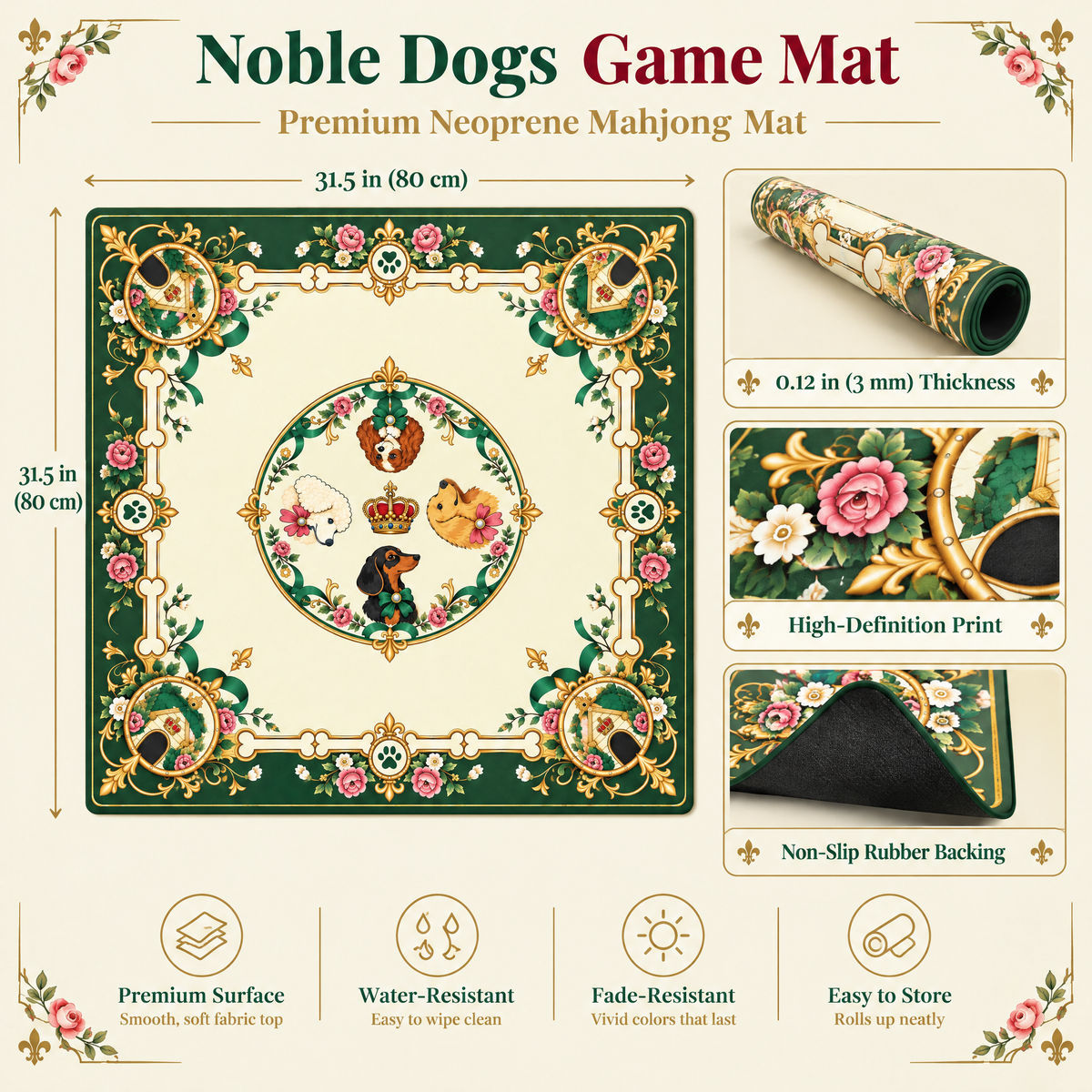
— Verify the set includes four identical East tiles (all acrylic or bamboo sets do; confirm they are not blank or engraved differently). — Test tile weight and slip on your mahjong mat—East tiles should slide smoothly without flipping. — Confirm the set includes a current-year National Mah Jongg League card or purchase one separately; no card means you cannot confirm legal East patterns. — Check that your rack has enough depth to display an exposed East pung without overcrowding—racks with pushers are designed for this. — If playing weekly, label or engrave your set to prevent accidental mixing at the table—this is where personalized designs shine.
Common Mistakes When Playing East
Confusing East with a pair. East is an honor; American mahjong allows pairs only from suits (Bams, Craks, Dots) or specific card combinations. You cannot use two Easts as a pair unless the card explicitly shows "Pair East."
Calling East too late. Once another player draws or discards, your chance to claim the tile passes. Call immediately or lose it; hesitation costs hands.
Exposing a set out of turn. If you expose a pung or kong without being the one drawing or claiming the tile, you may lose your turn or incur a penalty depending on house rules. Stay alert.
Forgetting the seat wind bonus. New players often score their hand and forget to add the 2-point bonus when they sit East and win with an East tile. Always recalculate after winning.
Mixing East with joker substitutes. If your hand needs a pung of East and you use three Easts plus one joker, that is legal—but if the card calls for a single East and you try to use a joker, that is invalid because jokers cannot be a pair or single tile.
How can you practice East hands at home?
Set aside your four East tiles and deal a hand using the current-year card. Ask yourself: "Where can I use East?" Scan the honor rows first. Pick East combinations that match your seat wind. Play a practice round with friends where one player focuses on East patterns only; this builds recognition speed. Keep a travel bag with your set ready so you can pull it out during coffee or breaks and drill specific patterns. Record which East combinations appear on the card each year and compare—you will notice some patterns repeat while others are new.
FAQ
Can you use a joker in place of East?
Yes, if the hand calls for a pung, kong, quint, or sextet of East. Jokers cannot be used as a single East tile or as the pair in a hand. Once placed in a set, the joker is locked there for the entire hand.
What happens if you run out of East tiles?
You cannot form an East pung or kong if fewer than three Easts remain in the wall or have been discarded. This is rare in a single hand but possible. You must adjust your strategy and pursue a different pattern from the card.
Does East always have the same point value?
East is scored like any other pung or kong—the card assigns points to each hand pattern. The East tiles themselves do not inherently change value; only the bonus applies if your seat wind is East and your hand includes East.
Can you claim East on a dead wall tile?
No. You can only claim tiles discarded by other players during the discard phase of their turn. Dead wall tiles (spares drawn to replace flowers or used for kongs) cannot be claimed by other players.
How do you know which wind is which at the table?
The dealer or scorekeeper announces seat positions before the Charleston begins: "North, East, South, West." Players rotate positions each hand following the pass of the deal. Write it down if you are new; tracking winds is crucial for understanding bonuses.
Is East harder to use than other winds?
No. East follows the same rules as North, South, and West. The only reason it feels different is the bonus points when your seat is East—and that bonus actually makes East more valuable in that round, not harder to play.


View More
View More
View More
