
Melamine vs Jade Mahjong Tiles: Which to Buy in 2026
Last updated: Nov 23, 2026
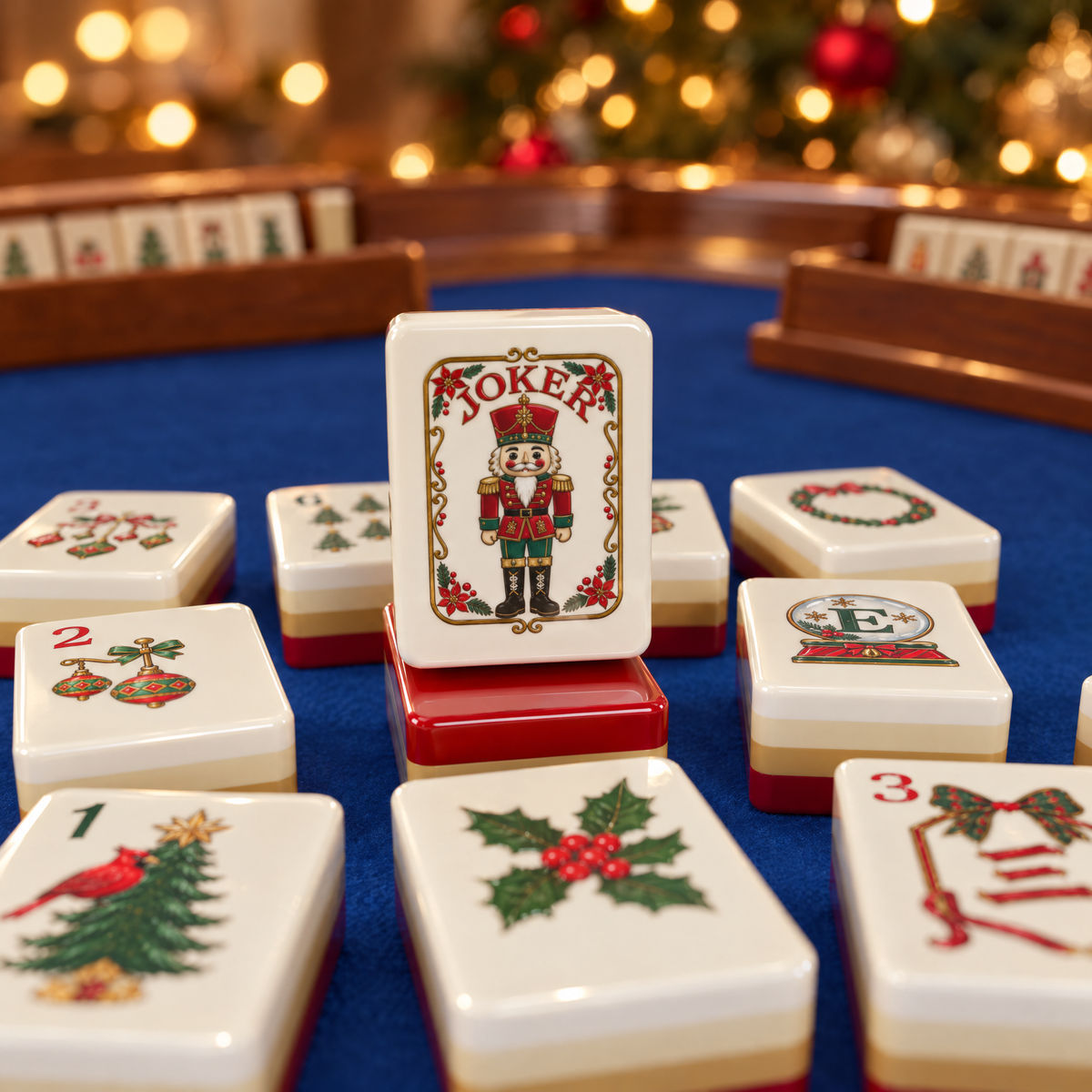
Melamine tiles are lightweight acrylic composites with printed or embossed designs—affordable, durable, and ideal for casual weekly games. Jade tiles are heavier, often hand-carved with raised relief, prized for tactile play and longevity but cost more upfront. American standard is 152 playing tiles plus 8 jokers; both materials deliver the full set. Melamine suits players prioritizing portability, budget, and low-maintenance storage; jade appeals to serious enthusiasts who value heft, click-and-clack aesthetics, and resale durability. Neither is objectively "better"—it depends on how often you play, whether you travel, and whether you want tiles that feel like an investment or a reliable tool. Check the tile thickness, joker count, and whether the set includes a mat or rack before comparing final value. 🀄 Shop best-selling mahjong sets →
What's the real difference in feel between melamine and jade tiles?
Melamine tiles have a smooth, cool surface and lighter weight—about one-third the mass of jade. When you push a melamine pung across the table, it glides easily and makes a muted tapping sound. Jade tiles are substantially heavier, with a denser core and often hand-carved detailing that catches light and your fingertips. The sound is deeper, a satisfying click-clack that many players associate with authenticity and serious play. If you've played at a casino or tournament, you've likely held jade. Melamine feels more like home gaming equipment; jade feels like a keepsake. The choice comes down to whether you prioritize tactile immersion or practicality.

Which material lasts longer—melamine or jade?
Jade tiles are nearly indestructible under normal play. They resist scratching, chipping, and fading for decades. Melamine tiles are durable for routine weekly games but can develop micro-cracks at the edges if dropped repeatedly or exposed to extreme temperature swings. Neither material yellows or stains easily if kept in a decent mahjong bag or case. A well-cared-for melamine set will serve 10–15 years of casual play without visible wear; jade sets often outlast their owners. If you're buying for a multigenerational family heirloom or a serious club that plays four nights a week, jade is the logical choice. For occasional play or as a gift, melamine is reliable and won't disappoint you in five years.
Do melamine and jade sets cost significantly different amounts?
Yes, but the gap depends on whether you're comparing standard tiles or custom engraved sets. Standard melamine sets are substantially less expensive than comparable jade options. Our engraved American mahjong sets allow you to personalize either material; engraving adds cost but transforms a generic set into one with your name, initials, or a meaningful date. For a complete 160-tile setup with a mat, melamine offers better value per dollar spent. Jade requires a larger initial investment but spreads that cost across many years of use. Consider your annual play frequency: if you host weekly games, the per-game cost of jade drops quickly. If you play twice a year, melamine keeps more money in your pocket. Neither is a "budget" vs. "luxury" binary—they're different investments matched to different habits.
Melamine vs Jade: A Quick Comparison
Factor | Melamine | Jade |
Weight per tile | ~8–10g (lightweight) | ~25–30g (heavy) |
Sound at table | Muted tap | Deep click-clack |
Scratch resistance | Good; light wear after 10+ years | Excellent; resists damage |
Portability | Easy to carry and store | Requires sturdy bag or case |
Price point | Lower initial cost | Higher upfront investment |
Best for | Weekly casual games, travelers | Serious players, heirlooms |
Engraving options | Yes, printed or embossed | Yes, hand-carved or etched |
Typical lifespan | 10–15 years of regular play | 20+ years; often generational |

Who should choose melamine, and who should choose jade?
Choose melamine if: you host a weekly game in your living room, you travel with your set, you're new to mahjong and unsure of long-term commitment, or you want to gift a set without spending heavily. Melamine is also ideal for beginners learning the how to play American mahjong rules—your focus stays on the game, not the tiles. If you have kids who might bump the set or pets around the table, melamine's lower cost makes accidents less painful. Players who rotate through multiple sets for different occasions (home games, travel, themed nights) often buy melamine as a second or third set.
Choose jade if: you play three or more times weekly in a dedicated game room, you've played for over five years and know you'll continue, you value the tournament-grade feel and sound, or you're buying a set intended to pass down. Jade suits someone building a personal collection of beautiful things or a serious club investing in equipment that will see thousands of hands. Players with arthritis or hand weakness often prefer jade's heft—the tiles require less effort to manipulate across a mahjong mat. If you take mahjong seriously enough to have a dedicated storage solution, jade is the natural choice.
🎁 See our most-loved mahjong sets & accessories →
What to check before you buy: a pre-order checklist
Before committing to either material, ask yourself these questions:
Tile count and completeness: Does the set include 152 playing tiles plus 8 jokers? Mahstead ships 160-tile sets, so you get spare tiles. Confirm the total before comparing to another seller.
Joker design and usability: Are jokers clearly marked and distinct from the number tiles? Check whether they're engraved or printed—engraved jokers last longer in melamine.
Thickness and durability: Melamine tiles should be at least 1/8 inch thick to avoid warping. Jade is inherently rigid, but ask the seller about minimum thickness so they feel balanced in hand.
Included accessories: Does the price include a mat, racks with pushers, or a bag? A bundle often offers better value than buying pieces separately. Mahstead's best-selling mahjong sets include carefully matched bundles.
Engraving options: If you want personalization, confirm whether the material takes engraving well. Melamine accepts printed or shallow embossed text; jade handles deeper carving. Turnaround time and revision policy matter—ask before ordering.
Return or exchange policy: Tile sets are final sales at most vendors, so inspect detailed photos or ask the seller to describe any cosmetic variations. If you're uncertain about color or weight, request samples first.
Shipping and packaging: Melamine is lighter and cheaper to ship; jade arrives via signature-required carrier in padded boxes. Factor delivery time into your order if hosting a tournament or gift deadline.
Common mistakes players make when buying melamine or jade
Mistake top: Assuming melamine feels cheap. Modern melamine is engineered to be durable and pleasant to touch. Many players can't distinguish a quality melamine set from jade in a blind test—they assume anything lightweight is low-grade.
Mistake #2: Buying jade without considering storage. Jade sets require proper housing. If you stack them in a cardboard box in a humid garage, you're not protecting your investment. Budget for a quality bag or case if you choose jade.
Mistake #3: Not checking tile thickness. A flimsy melamine tile (under 3mm) will feel wrong at the table and won't last. Reputable sellers specify thickness in product descriptions. Jade naturally carries sufficient weight, so thickness matters less.
Mistake #4: Ignoring the full set weight. Melamine sets weigh 8–12 pounds; jade sets weigh 20–30 pounds. If you're buying for elderly players or anyone with mobility limits, heavier isn't always better. Test before you buy if possible.
Mistake #5: Comparing only tile cost, not bundle value. A cheaper set might lack a mat or racks. Calculate total cost of play-ready equipment before deciding. Mahstead's collections bundle tiles, mats, and accessories thoughtfully.
The verdict: a framework for your decision
Think of melamine and jade as different answers to the same question—"Which set will I enjoy using?"—rather than a hierarchy. Start with play frequency: weekly players gravitate toward jade's heft and durability; casual players prefer melamine's ease and affordability. Then consider portability: if you move your set between homes or carry it to a game night, melamine wins. Budget reality comes next: melamine lets you afford a complete setup with accessories; jade might mean saving on the mat or racks initially. Finally, ask yourself whether tactile satisfaction matters to you—if the sound and weight of tiles matter as much as the game itself, jade is non-negotiable. If you're indifferent and just want to play, melamine frees up money for snacks and company.
✨ Find your Mahstead set — free US shipping →

FAQ
Can I upgrade from melamine to jade later without losing money?
Melamine sets have limited resale value; you'll recover perhaps 20–30% of purchase price if sold secondhand. Jade holds value better but rarely appreciates. Buy the material you'll actually use rather than planning to upgrade. If you're uncertain, start with melamine and decide after a year of play.
Are there other tile materials beyond melamine and jade I should know about?
Bamboo, bone, and resin variants exist in some markets, but American mahjong play standardizes on melamine or jade for weight consistency and official compatibility. Novelty materials can make hand-reading or precise stacking difficult. Stick with these two for reliability.
Does melamine scratch more easily than jade during regular play?
Melamine develops light surface wear over years—micro-scratches that don't affect playability. Jade resists scratching almost entirely. Under casual play, this difference is cosmetic; under tournament-level shuffling thousands of times weekly, jade preserves appearance better.
Should I buy engraved tiles if I'm choosing melamine?
Yes—personalization adds sentimental value without the long-term cost of jade. An engraved melamine set becomes a meaningful gift even if it needs replacement in ten years. Our engraved American mahjong sets design options accommodate both materials equally well.
What's the weight difference I'll actually feel playing with each set?
Melamine pings across the table; jade requires deliberate hand strength to move. Over a four-hour game, heavy jade tiles can tire players with hand weakness or arthritis. Light melamine requires precise stacking to stay neat. Neither is objectively harder—preference varies by player physiology and table habit.
If I'm hosting weekly games, is jade always the better investment?
Not necessarily. If your table rotates players or uses multiple sets (one at each person's house), melamine lets you outfit the group affordably. Jade is better if one person owns the set and it sees consistent heavy use. Consider group habits before defaulting to jade.
Can I tell if a set is quality melamine or jade by price alone?
No. Price reflects material, not always quality. A cheap jade set might use thin tiles or poor carving; an expensive melamine set might include exceptional mats or accessories. Inspect product photos, read descriptions carefully, and ask sellers about specifics rather than assuming cost equals value.


View More
View More
View More
