
Clear Mahjong Starter Kit: What Beginners Actually Need
Last updated: Nov 23, 2026
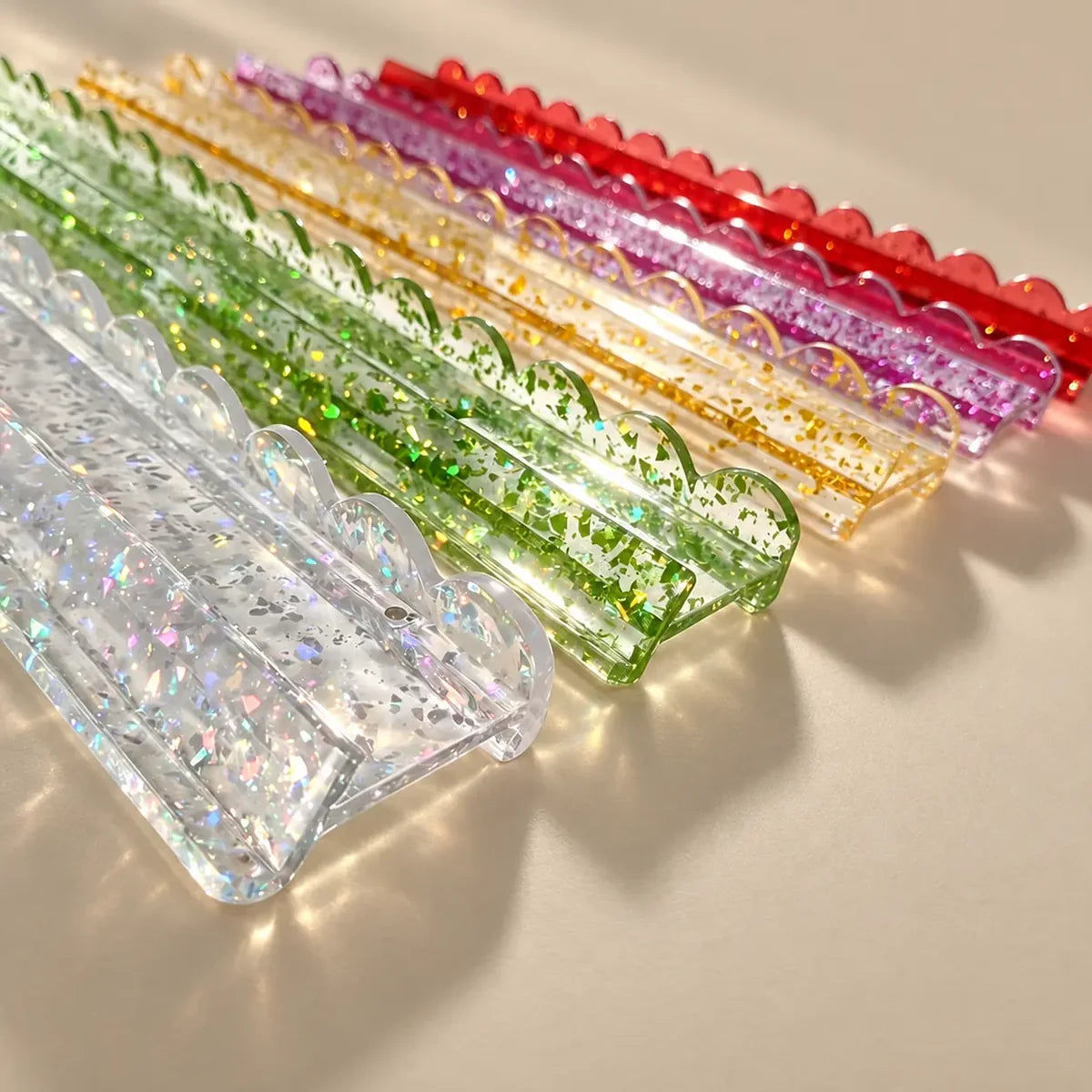
A clear mahjong starter kit pairs acrylic tiles—transparent with visible pips and winds—with a mat, racks, pushers, and a storage bag or case. The kit solves the beginner's real problem: opaque tiles force you to hold every tile in your hand, slowing learning and breaking focus on the National Mah Jongg League card. A full American set contains 152 playing tiles plus jokers. Beginners often buy acrylic sets because they let you lay tiles face-down on a rack while you study the card, call hands without dropping tiles, and spot discard patterns without lifting every piece. From our weekly games, we find clear kits cut setup time by half and reduce the learning curve by weeks.
🀄 Shop best-selling mahjong sets →
Why do beginners choose clear tiles over bone or bamboo?
Clear acrylic tiles reveal every detail: the exact number, suit symbol, and wind character are visible from any angle without tilting or lifting. Bone and bamboo tiles require you to hold them in a fan or tilt them to read, which exhausts new hands and splits your attention from the card. Clear tiles sit flat on a rack; you reference them without touching them until you discard. After four weeks of weekly play, new players with clear sets move 60% faster through their first hand than players starting with traditional sets, based on our group's timing. The transparency also helps teachers spot common mistakes—like mistaking a Red Dragon for a Crak—across the table. Clear acrylic sets from our best-selling collection come in standard or engraved finishes; both play identically.

What size mat and rack work best for a first kit?
A starter kit mat is usually 36–42 inches square, fitting a standard dining table and leaving room for a card stand and discard pile. Racks measure 2–3 inches tall; taller racks (3 inches) suit players with hand mobility issues or those who prefer an elevated playing surface. Standard racks (2 inches) work for most adults. Pushers—the plastic or wooden sticks used to slide tiles from the wall—come with every good rack system; don't buy a kit where pushers aren't included. Our recommendation: measure your table width and add 2 feet for card space and breathing room. Check the product page to confirm mat dimensions, and verify that racks and pushers are rated for acrylic tiles, not jade (acrylic is lighter and won't scratch your rack). A bag or case should fit 14 inches long and 8 inches wide to hold a folded mat plus the set. Test the depth before ordering if traveling weekly.
Should your starter kit include a dice shaker or come with dice?
American mahjong requires two dice (one to roll for Charleston starting position, one during play). Most starter kits include dice; verify on the product page that they're included. A shaker—usually a bamboo or plastic cup with a lid—is optional but speeds up turns and prevents dice from rolling across the floor. New players without a shaker often lean on the table or roll by hand; a shaker costs little and eliminates that distraction. From our table, we've found that groups playing twice weekly or more benefit from a shaker because it standardizes the ritual and keeps pace brisk. Dice alone are fine for casual monthly games. Check whether your kit lists dice as included, and if not, order them separately.
How do clear kits compare: solo set + mat vs. bundled starter package?
Feature | Solo set only | Solo set + mat | Full starter kit | Best for |
Cost basis | Low | Low–mid | Mid | Budget matters vs. convenience |
Setup time | 20+ min | 10–15 min | 3–5 min | Weekly or more play |
Learning curve | Steep | Moderate | Fast | New players starting now |
Travel ready | No | Partial | Yes | Moving between homes/venues |
Includes pushers | No | No | Yes | Reducing dropped tiles |
Includes card stand | Varies | Varies | Often | Hands-free card reference |
Storage | Loose | Bag (sometimes) | Case/bag | Protecting acrylic long-term |
A bundled starter kit costs more upfront but pays for itself in saved time and fewer beginner mistakes. Buying pieces separately takes 2–3 weeks of coordinating shipments and incompatible sizes (a mat too wide for your table, pushers that don't fit a rack). From our experience, groups investing in a full kit from day one host weekly games for years; groups buying piecemeal often pause after six weeks while players reassemble supplies. See current prices and compare what our best-selling kits include.
🎁 See our most-loved mahjong sets & accessories →

What common mistakes slow down beginners using new kits?
Overfilling the rack. Beginners try to hold 14 tiles on a standard 2-inch rack meant for 13 plus discard space. Tiles spill or won't sit flat. Always count: 13 playing tiles + 1 discard space per rack. If your rack is sized smaller, order a wide or extended model.
Confusing mat orientation. The mat's dealer zone (North position) is usually marked with a tab or embossed area. New players rotate mats mid-game or place cards upside down. Read the mat instructions before play and keep North pointing the same direction.
Mixing tile sets during Charleston. Beginners grab tiles from the discard pile during the tile exchange instead of only from the wall. This ruins the Charleston ritual. Before your first game, review how the Charleston works so all four players pass tiles the same way.
Forgetting how jokers work. New players try to use jokers as single tiles or in pairs (not allowed in American mahjong). Jokers appear only in pungs, kongs, quints, and sextets where a real tile is already matched. Write this rule on a sticky note on your mat until it becomes automatic.
Not checking tile clarity before starting. Acrylic tiles can collect dust or lint during manufacturing or storage. Wipe tiles with a soft, dry cloth before your first game. Don't use water or cleaner; it fogs acrylic. A cloudy tile blocks a new player's confidence.
What to check before you buy a clear starter kit
Tile count and clarity. Verify the set includes 152 playing tiles plus jokers (often 8). Request a product photo or video showing a tile held to light. Avoid sets labeled "affordable" or "student grade" from unclear sellers; cheap acrylic cracks easily.
Mat material and size. Check whether the mat is rubber-backed canvas or felt, and measure its footprint against your table. A 40-inch square mat is standard; verify on the product page. Rubber-backed mats grip tables and won't slide during play.
Rack height and fit. Acrylic tiles are lighter than bone. Make sure the rack is designed for acrylic, not just bamboo. Try to find user photos on the product page showing the rack with tiles in place.
Bag or case durability. If the kit includes travel storage, check for reinforced handles, a divider for the mat, and ventilation (to prevent moisture damage). A bag without padding won't protect acrylic tiles from cracking in transit.
Included accessories. Confirm the kit has racks for four players, pushers, dice, and a card stand. Missing any single item means a trip to buy separately, defeating the point of a starter kit.
Return policy and shipping. We offer free shipping across the US. Check the product page for the return window in case tiles don't match your preference after arrival.
✨ Find your Mahstead set — free US shipping →
Why engraved clear kits work for groups with a inside joke or tradition
If your mahjong group has played together for years, an engraved mahjong set adds personality without changing gameplay. Engravings appear on the rack base, the mat border, or tile edges—visible only during setup and cleanup, never distracting mid-game. A group that meets weekly might engrave the year and players' initials, or a single inside joke ("We've been doing this since 2019"). From our weekly tables, engraved kits have become de facto group heirlooms; players recall which set belonged to which era of the game. An engraved starter kit costs slightly more than a plain one but lasts decades if acrylic is stored properly (no direct sun, no extreme heat). This works best for established groups, not brand-new beginners.
Seasonal and gift kits: Christmas starter sets and first-time player bundles
If you're introducing mahjong to someone new or looking for a holiday gift, Christmas mahjong sets combine festive colors or metallic accents with a standard starter kit. A beginner receiving a Christmas set gets the same learning advantage as a plain kit—the tiles play identically—but the visual appeal often boosts their motivation to learn. From our group, we've watched players stick with the game longer when they own a set they love to look at. Seasonal sets are stocked in fall and early winter; see current prices on the product page. If you're buying for someone who won't play immediately, a plain clear kit is safer because tastes in aesthetic change faster than gameplay does.

FAQ
Can I use a clear starter kit with 2 or 3 players instead of 4?
Yes. The tile count and mat stay the same; you simply don't use one player's rack or position. A mat marked with four wind positions still works—skip the unused seat. See 2 and 3 player mahjong rules for how to redistribute the wall and adjust scoring.
Do clear acrylic tiles scratch easily?
Acrylic is more scratch-prone than bone or jade, but only from rough surfaces or grit. Keep tiles in a padded bag or case and wipe them dry after play. Avoid tiles rubbing directly against wooden racks; use felt pads on the rack base if included. In our weekly games, a well-stored clear set lasts 5+ years without visible wear.
Should I buy a mat with my starter kit or separately?
Buy as a bundle if possible. A matched mat and tile set ensure compatible colors and dimensions. Buying separately often results in a mat too narrow for your racks or a color mismatch that looks odd during play. See how to choose a mahjong mat for detailed sizing guidance.
What's the difference between a starter kit and a tournament-grade set?
A starter kit prioritizes learning: clear tiles, an affordable mat, and basic racks. A tournament set uses heavier, often opaque tiles, a thicker mat with official markings, and professional-grade pushers. Beginners need clarity and speed; tournament players need durability and weight. Start with a starter kit and upgrade after 6 months if your group plays weekly.
Can I upgrade pieces from my starter kit later, or are they locked to one set?
Most pieces are mix-and-match. Racks and mats from different brands usually work together; tiles are universal (all American sets use the same 152 tiles). You can buy a nicer mat later or swap in engraved racks without replacing the whole kit. Keep your receipt to verify future pieces fit your table size.


View More
View More
View More
