
Where to Play Mahjong in Fort Lauderdale: Local Spots & How to Start
Last updated: Nov 23, 2026
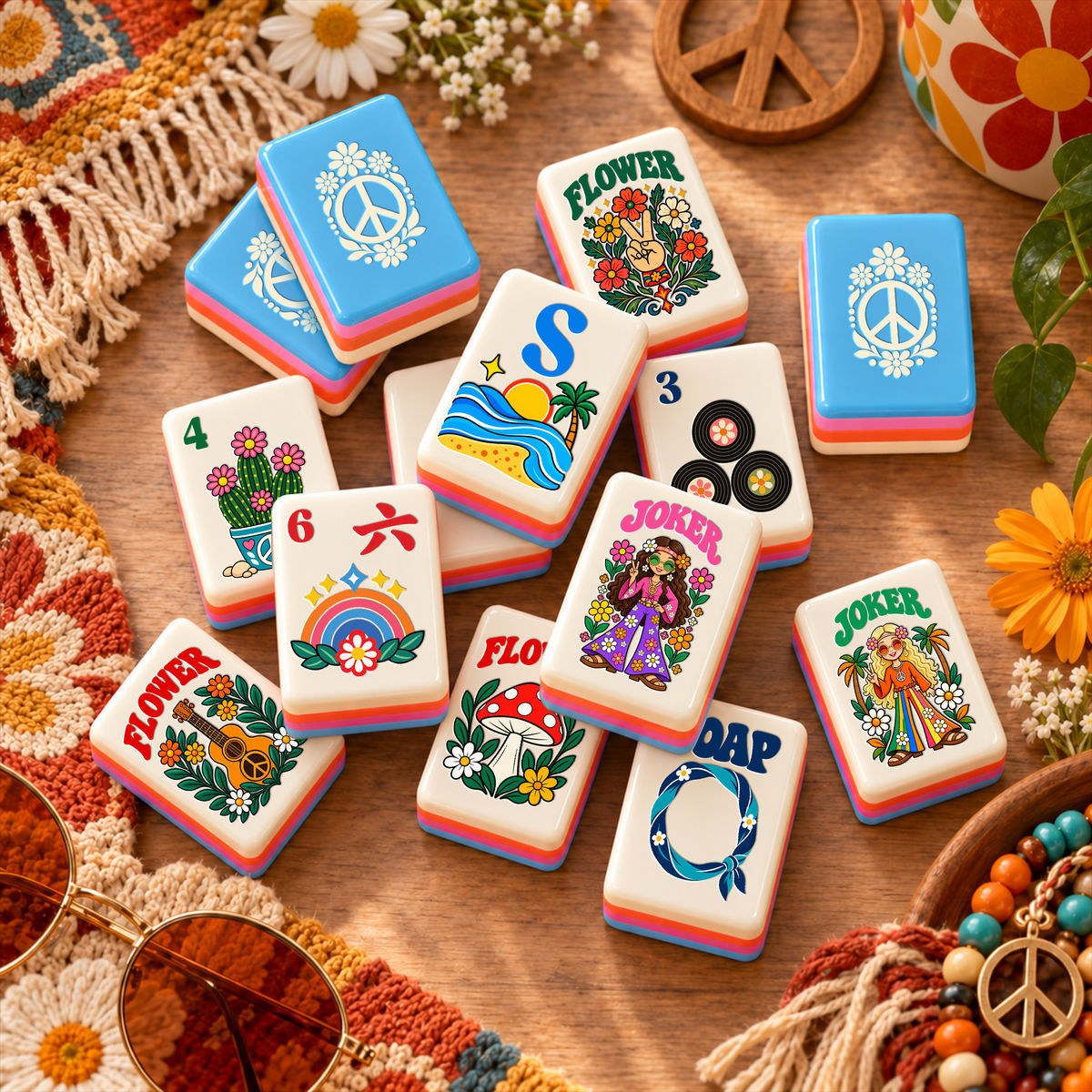
Fort Lauderdale players gather weekly at public libraries, senior recreation centers, community centers, and private country clubs—search the city library system's event calendar, call local senior centers, and ask at synagogues and clubs in your area. Most groups play American mahjong on Tuesday or Thursday afternoons or evenings; you typically join for free or a small donation. Beginners are welcome; most players will teach you the National Mah Jongg League card. If you can't find a nearby game, you can host weekly games yourself at home—many players buy a 160-tile acrylic set and a mat to get started within days.
Where do Fort Lauderdale mahjong players actually meet?
Start with your local Fort Lauderdale public library—call the main branch and the smaller neighborhood locations to ask if they host mahjong game groups or have a bulletin board listing player meetups. Senior centers and recreation departments in Fort Lauderdale run regular afternoon games; the city's parks and recreation website lists seniors programs. Country clubs, synagogues, and golf clubs sometimes sponsor Thursday-night games—call and ask. Meetup.com and Facebook groups for "Fort Lauderdale mahjong" or "South Florida mahjong" connect newcomers with active tables. Many games are invitation-only; a single introduction gets you a seat for life.

What should I expect at my first Fort Lauderdale game?
Arrive 10–15 minutes early. Watch one hand before you play. American mahjong uses the current year's National Mah Jongg League card—the group has extras to lend. You'll draw and pass tiles in the Charleston, then players call winning hands by card number. Most Fort Lauderdale games are friendly; mistakes are corrected gently. Bring small cash (most groups swap tiles for coins or play penny-per-point). No prior experience needed. If you're nervous, tell the player to your left—they'll help you read the card and spot winning shapes.
How do I find the right group for my schedule and skill level?
Call ahead and ask: What day and time? How many players? Do they teach beginners? Is there a seat this week? Some groups meet afternoons (2–5 p.m.) for retirees; others play evenings (7–10 p.m.) for working players. Speed varies—casual games take 45 minutes per round; competitive games 30 minutes. Ask if the group plays hands-on-the-table (popular with newer players) or restrictive rack-and-pusher play. Fort Lauderdale has enough players that you can test 2–3 groups before settling in; most never charge a guest fee on the first visit.
🀄 Shop best-selling mahjong sets →

What if I want to host my own Fort Lauderdale mahjong game?
Many Fort Lauderdale players start home games when they can't reach a public group or want to control the schedule and pace. You need four players (no fewer for American mahjong), a flat surface at least 3 feet × 3 feet, a 160-tile acrylic set (which includes 152 playing tiles and spares), a pushable mat, and racks with pushers so everyone can hold their tiles without showing them. Print the current year's National Mah Jongg League card (free online, updated each March) or order laminated copies. Start weekly Thursday nights or Sunday afternoons. Word spreads fast—you'll have a waiting list in three months. Most home players use a travel bag or case to transport the set and mat, keeping everything protected between sessions.
What gear makes hosting or joining easier as a beginner?
Newcomer Hosting Checklist
Item | Why | Where to get it |
Acrylic 160-tile set | Lightweight, durable, readable tiles | |
Pushable mat | Keeps tiles in rows, speeds play | |
Racks with pushers | Hides your hand, prevents showing tiles | |
Travel bag | Protects set between games | |
Laminated card | Read hands quickly, no fumbling | Print free from NMJL or order pre-made |
Beginners often use soft cloth mats and no racks their first season; that's fine for casual play. But if you're hosting weekly, acrylic tiles and a mat are worth the investment—they speed up rounds and look professional. Mahstead's best-selling acrylic sets come with free US shipping and are designed for players who host regularly or travel to games.
🎁 See our most-loved mahjong sets & accessories →
How do I learn the American mahjong rules quickly before joining?
Spend 30 minutes reading the beginner's guide to American mahjong to understand tiles, the Charleston, and how to read a winning hand from the card. Watch a 5-minute YouTube tutorial on the Charleston and calling Pung, Kong, and Quint. The most important skill: how jokers work—they substitute for any tile and define most hands. When you arrive at a Fort Lauderdale game, tell the players you're brand-new and they'll walk you through one hand live. You'll pick up speed in week two. American mahjong has no sequences (unlike Chinese or Riichi variants), so the hand patterns are easier to spot once you see them twice.
✨ Find your Mahstead set — free US shipping →
What to check before you buy a set for hosting
Does the set have 160 tiles? American play uses exactly 152 tiles and 8 jokers; a 160-tile set includes spares so you always have a full game. Never buy a 144-tile set—it's short four jokers and won't work.
Are the tiles readable? White or cream-colored engraved tiles are easier to read than dark or glossy finishes, especially under dining lights. Test them at a store if you can, or read reviews from players in your state.
Does the mat roll or fold? If you'll transport it weekly, rolling mats take less space than rigid tables. Review the mat buying guide for size and material options.
Will racks help you? If players are new to the game, racks with pushers prevent accidental tile-showing and keep tiles organized. Experienced players often skip them.

FAQ
Are there beginner-friendly mahjong clubs in Fort Lauderdale I can join right away?
Yes. Call your local library's main branch, the Parks and Recreation Department, and senior centers—most have open game groups that welcome first-time players. Ask to attend as a guest the week you call; word-of-mouth is often faster than websites. Expect a friendly group, printed card copies, and time to watch one hand before you play.
What does American mahjong cost to play in Fort Lauderdale?
Most clubs and meetup groups charge nothing or ask for a small donation (under $5). Some groups play for points converted to cents; you might win or owe a few dollars over an evening. Home games with friends are free; you host and provide snacks.
How long does a single game of American mahjong take?
One round (four hands, each player as dealer once) takes 30–45 minutes depending on player speed and experience. New groups play slower. Competitive tables in Fort Lauderdale play one round in 25–30 minutes.
What if I can't find a Fort Lauderdale mahjong game—can I start one from scratch?
Yes. Invite three friends or neighbors, buy a 160-tile set and mat, print the current year's National Mah Jongg League card, and host Thursday nights. Post a "Looking for mahjong players" notice at a library, senior center, or Facebook group. You'll fill seats within a month.
Do I need to buy my own mahjong set if I join a Fort Lauderdale club?
No. Every established group has sets to lend or use communally. But if you host home games or want your own tiles, a 160-tile acrylic set from Mahstead is durable, readable, and ships free across the US.
Is American mahjong harder than Chinese mahjong or other variants?
No—American mahjong is simpler. It uses the current year's card (no memory required) and has no sequences; you only match identical tiles or joker-filled patterns. If you learn American first, other variants are easier to pick up later.


View More
View More
View More
