
Quilted Mahjong Bag: What to Choose for Travel
Last updated: Nov 23, 2026
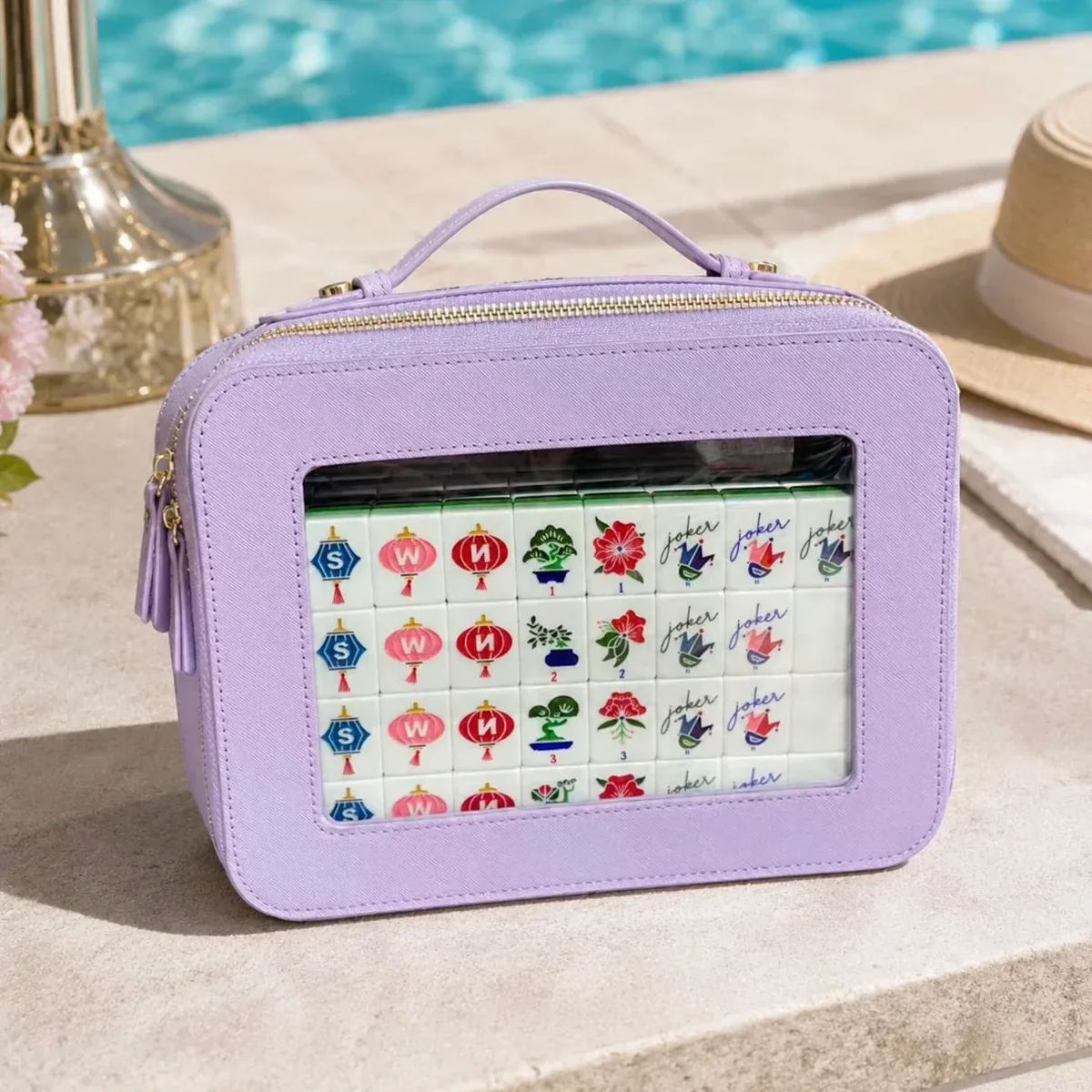
A quilted mahjong bag is a padded carrier designed to hold a complete American mahjong set—152 tiles, racks, pushers, mat, and dice—safely during transport. Most quilted bags use 1–3 layers of foam or poly fill stitched between durable outer fabric, offering more cushioning than unpadded cases. They range from compact shoulder-sling designs (fitting a set and mat only) to large totes that hold a set, multiple mats, and accessories. Quilted bags work best for players who move sets between homes weekly or travel to tournaments; they're lighter than hard cases but heavier than drawstring pouches. From Mahstead's collection of travel bags, you'll find styles with interior pockets for dice and scorepads, reinforced handles, and exterior slots for racks—practical for both casual and serious players. 🀄 Shop best-selling mahjong sets →
What size quilted bag fits your mahjong set and mat?
A standard American mahjong set with a folded mat requires roughly 12" × 10" × 4" of space; a quilted bag with those interior dimensions will hold both comfortably. Larger totes (14" × 12" × 6" or bigger) accommodate a set, mat, two racks with pushers, and a scorepad in side pockets. Measure your rolled mat's length and width before ordering—most players roll mats with tiles inside for compact storage. Smaller shoulder bags work if you carry only the set and plan to use a table surface without a mat.
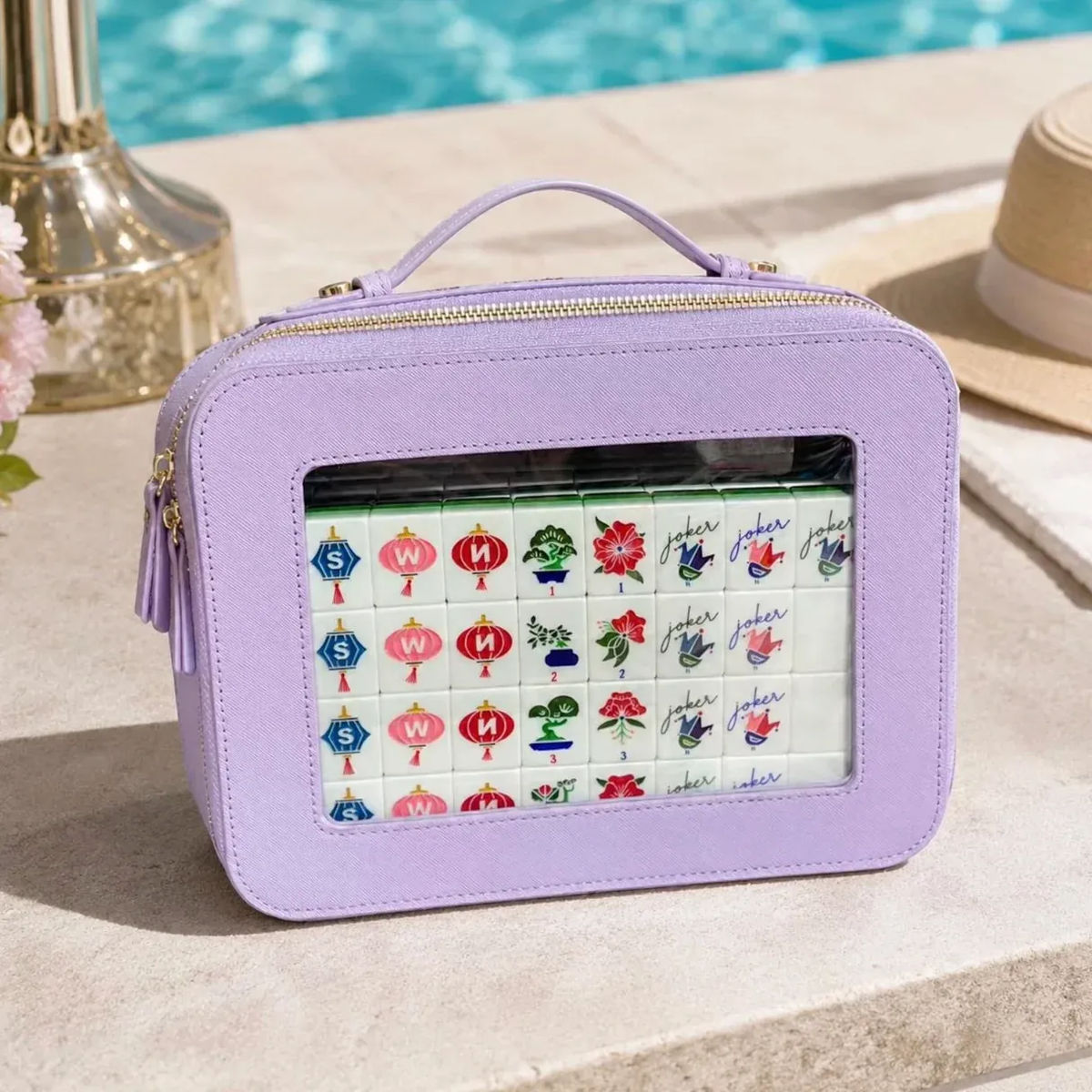
How much padding do you actually need?
Quilted bags with three layers of foam protect tiles from drops up to 2–3 feet; two layers handle typical weekly carryovers from car to home or game venue. Single-layer quilting (common in budget designs) offers splash protection and minor bumps but less shock absorption. If you travel by air or carry your set more than once weekly, choose a bag labeled three-layer or double-quilted. If tiles spend most time in your living room and move to a friend's house once a month, two-layer quilting suffices.
Should you choose a bag with external pockets or a simple tote?
Bags with zippered exterior pockets (designed for dice, scorecards, and pen) streamline setup; you reach for everything without unpacking tiles first. Simple quilted totes hold the set and mat but require you to store accessories separately. If your group shares dice and scorepads during a game, external pockets save 30 seconds per round. If each player brings their own dice and you're organized, a simple tote works just fine and usually costs less.
What's the difference between quilted bags, hard cases, and drawstring pouches?
Style | Material | Weight | Protection Level | Best For | Rough Cost Range |
Quilted bag | Foam + fabric | 1–2 lbs | Moderate (bumps, splashes) | Weekly home-to-friend transport | Mid-range |
Hard case | ABS or polycarbonate shell | 2–4 lbs | High (drops, pressure) | Air travel, tournaments | Higher |
Drawstring pouch | Cotton or nylon, no padding | 0.3–0.5 lbs | Low (organization only) | Home storage, brief hand-carry | Lower |
Quilted bags split the difference: lighter than hard cases, sturdier than pouches, and comfortable to carry weekly. Players who fly to tournaments or store sets in basements choose hard cases for maximum durability. Home players who move sets weekly prefer quilted for ease and adequate protection.
🎁 See our most-loved mahjong sets & accessories →

Do you need a bag with a strap, handles, or both?
Single long straps (crossbody or shoulder) keep your hands free during transport but work best for smaller bags under 8 lbs. Dual handles let you carry a full set and mat like a purse, common on larger totes. Some quilted bags combine both—top handles for short trips and a detachable strap for longer distances. Measure the bag's total weight when packed (set + mat + racks ≈ 5–7 lbs) and choose a strap style that matches how you'll carry it most often.
What design or joke style speaks to your group?
Mahstead's engraved mahjong sets collection offers bags that pair with themed sets—for example, bags with witty sayings ("Mahjong is My Therapy"), seasonal prints, or simple classic solid colors. If your group plays one specific variant (Chinese, American, Riichi), a bag with artwork or text reflecting your favorite style reinforces team identity at the table. If you rotate between friends' homes, a neutral solid-color or subtly patterned bag blends in anywhere; if you host games, a statement-bag design sparks conversation before tiles even touch the table.
What to check before you buy
Interior dimensions: Measure your rolled mat and folded set box; confirm the bag's stated interior space fits both.
Padding layers: Count fabric panels visually or ask the vendor—two or three layers recommended; single-layer works if you rarely move your set.
Handles and straps: Test weight distribution; a 6–7 lb set should sit comfortably on your shoulder for 5+ minutes without pain.
Pocket placement: Verify exterior pockets seal securely if you store small items (dice, pens); interior pockets prevent shifting during transport.
Fabric durability: Choose reinforced nylon or canvas over thin cotton if your set moves weekly; cotton stains easily and wears faster.
Closure type: Zipper is standard; velcro or snap buttons can come loose after months of use.
✨ Find your Mahstead set — free US shipping →
Quilted bag vs. the mat as storage: why you need both
A mahjong mat protects tiles during play on a tabletop; a quilted bag protects the set during transport and storage. Use the mat every game night—it keeps tiles from sliding, marks scoring zones, and cushions the play surface. Use the bag when moving the set, storing it between games, or traveling. Many players keep their set in a quilted bag in a closet, remove it for weekly play, use the mat on the table, and pack everything back into the bag after two hours. This pairing—mat + quilted bag—is the standard workflow for serious players.
🀄 Shop best-selling mahjong sets →
FAQ
Can a quilted bag protect tiles from being lost or damaged during a move across town?
Yes, if packed carefully. Quilted bags with two or more layers buffer drops and bumps. Wrap your set's box in bubble wrap or cloth inside the bag, keep the bag in a car (not a truck bed), and avoid stacking other items on top.
Do quilted bags work for Chinese or Riichi mahjong sets, or only American?
Quilted bags work for any mahjong set. Chinese sets have 144 tiles, Riichi sets have similar footprints, and American sets have 152 tiles. Measure your specific set's dimensions before ordering a bag to ensure the fit.
How do I clean a quilted mahjong bag after a spill?
Spot-clean with a damp cloth and mild soap if the outer fabric is nylon or canvas. Let it air-dry fully (24+ hours) before packing a set inside. For stubborn stains, use a soft brush and minimal water to avoid soaking the padding.
Should I buy a bag when I order a new mahjong set?
If you move your set weekly or travel with it, yes. If you play exclusively at one table at home, a bag is optional but useful for long-term storage and organizing accessories like racks with pushers.
What's the lifespan of a quilted bag, and do I need to replace it?
With weekly use, a quality quilted bag lasts 3–5 years before padding flattens or seams fray. Replace it when the bag no longer cushions drops or zipper teeth fail. Many players keep old bags as backups or donate them.
Can I fit a scorepad and pen inside a quilted bag?
Most quilted bags have at least one small interior or exterior pocket; small pads and pens fit easily. Larger scorecards may need a separate pouch or lay flat in the bag's top layer near the opening.


View More
View More
View More
