
Mahjong Table for Seniors: What to Buy & Why
Last updated: Nov 23, 2026
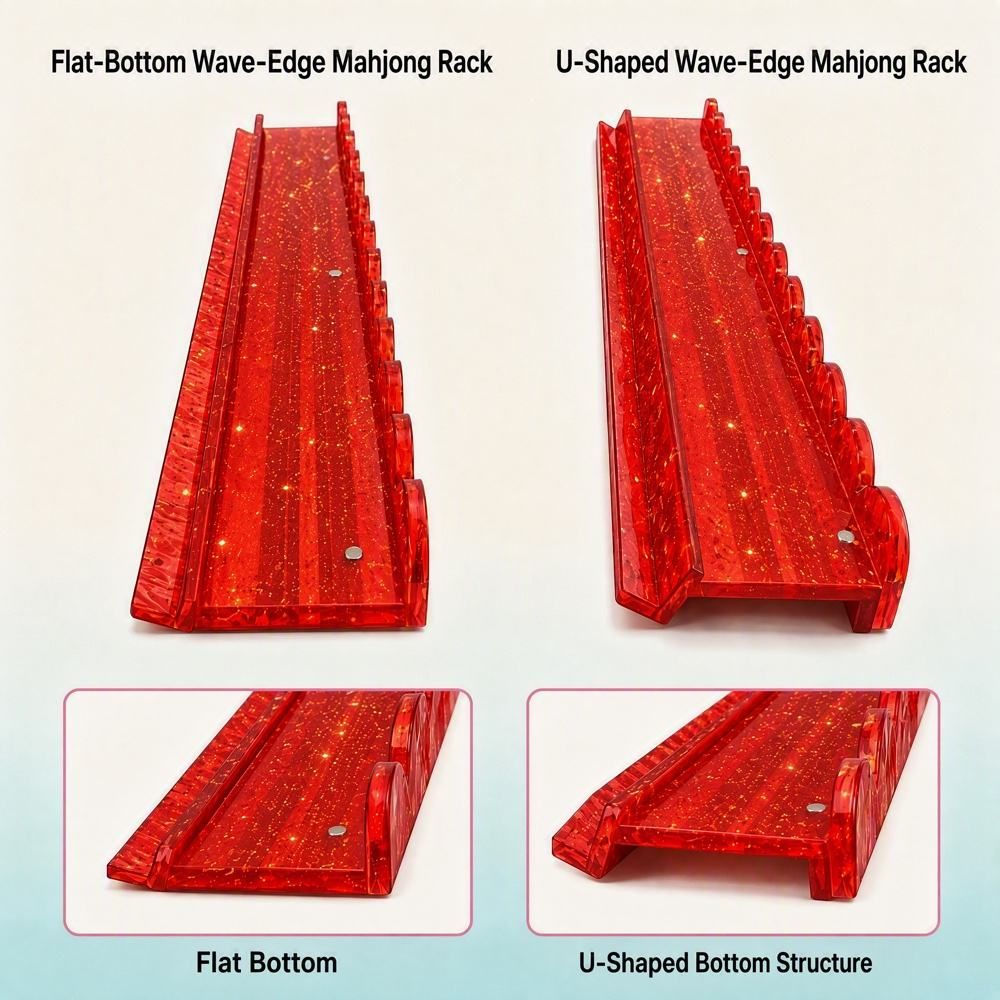
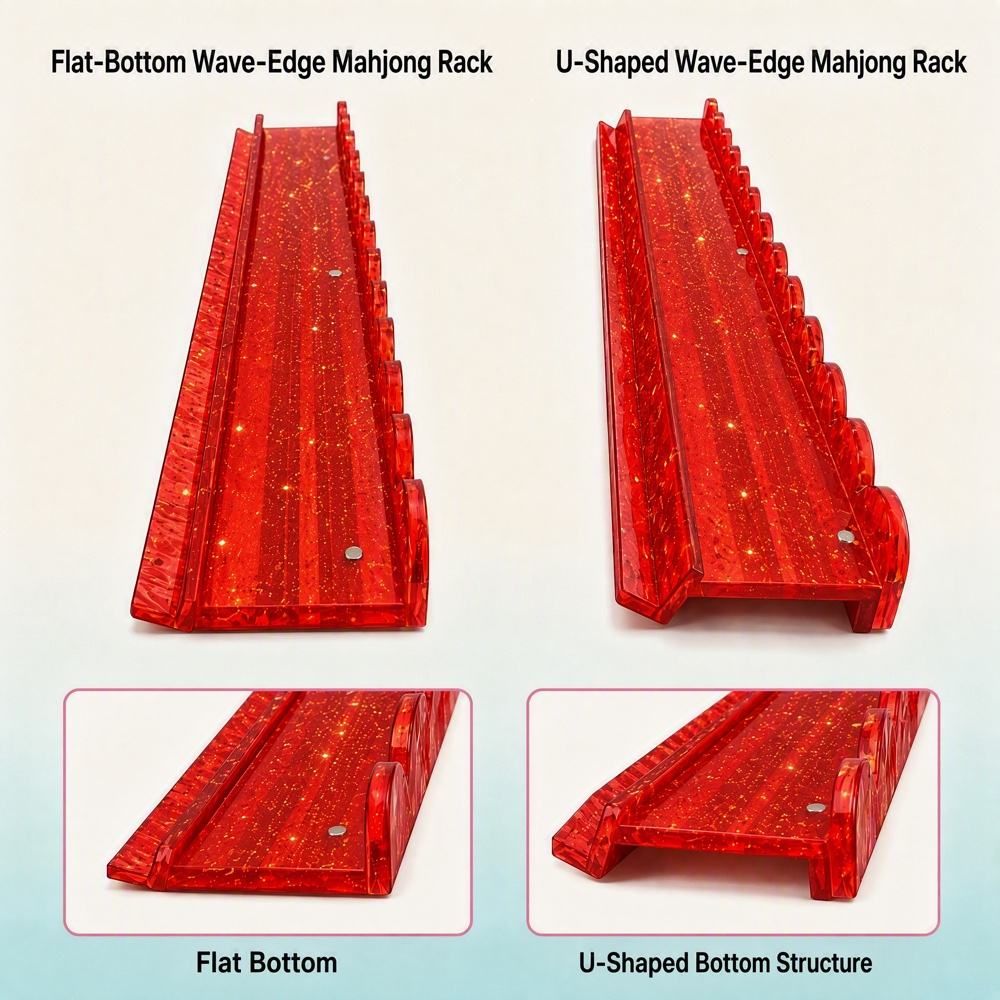
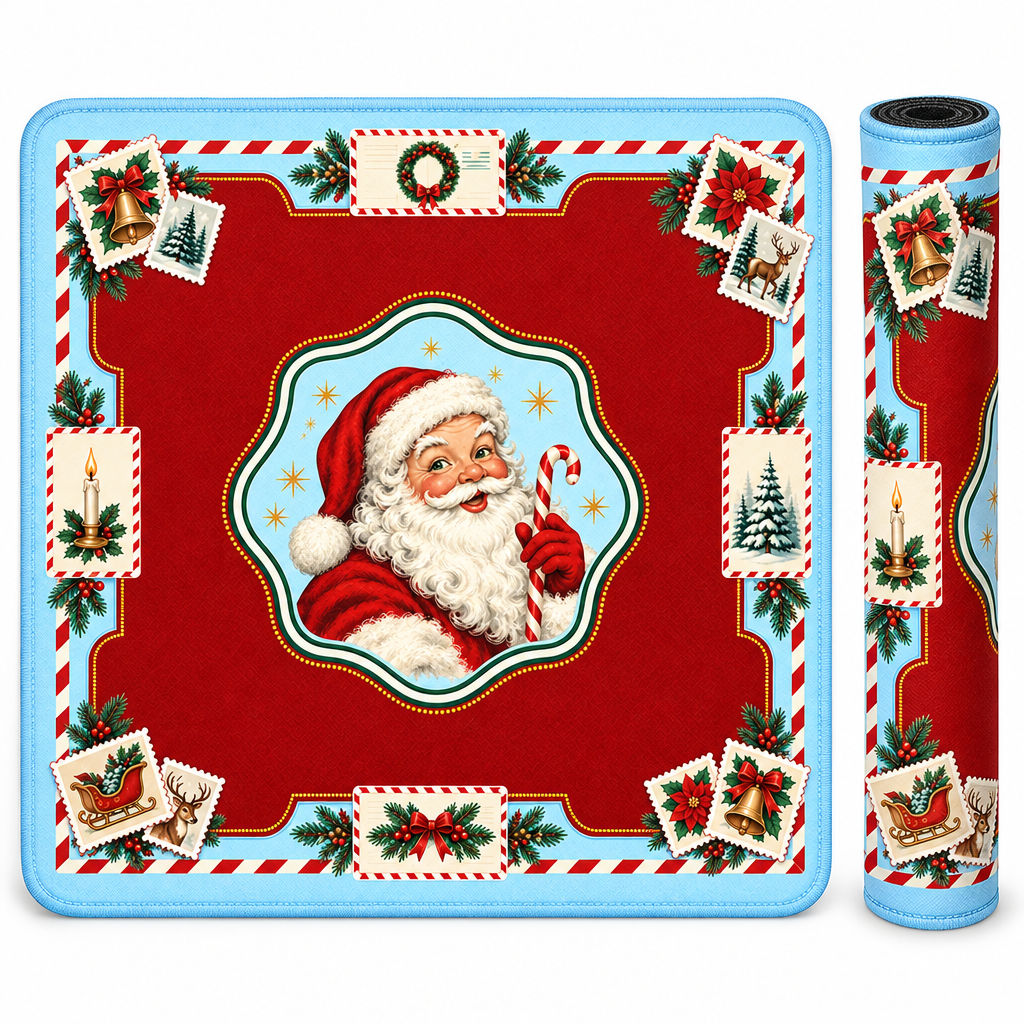
Most seniors playing American mahjong don't need a dedicated table—a mahjong mat placed on any flat surface works perfectly. The mat creates a non-slip play area, protects the surface below, and often includes a scoring track. Pair it with racks that have pushers, which let you organize tiles without bending far forward or straining your wrists. A full 160-tile acrylic set from our best-selling collection costs the same as a dedicated table but gives you flexibility to play anywhere—dining room, bridge table, even outdoors. The main decision: do you want a mat alone for portability, or add racks and a case for a complete organized setup? Seniors typically find racks most helpful because they reduce hand fatigue during the three-hour Charleston and play phases.
Do you really need a mahjong table, or just a mat?
A real mahjong table—the kind with built-in wells, cup holders, and rotating sides—is optional. Most seniors in weekly games use a regular dining or card table topped with a quality mat. The mat does three jobs: it prevents tiles from sliding during shuffling, quiets the sound (important for hearing other players), and marks scoring and hand-tracking spaces. If your table is wobbly or small, adding a mat and racks solves both problems. For travel, a mat alone is lighter than a full table; pair it with a case if you're moving between venues.
What size mat should a senior choose?
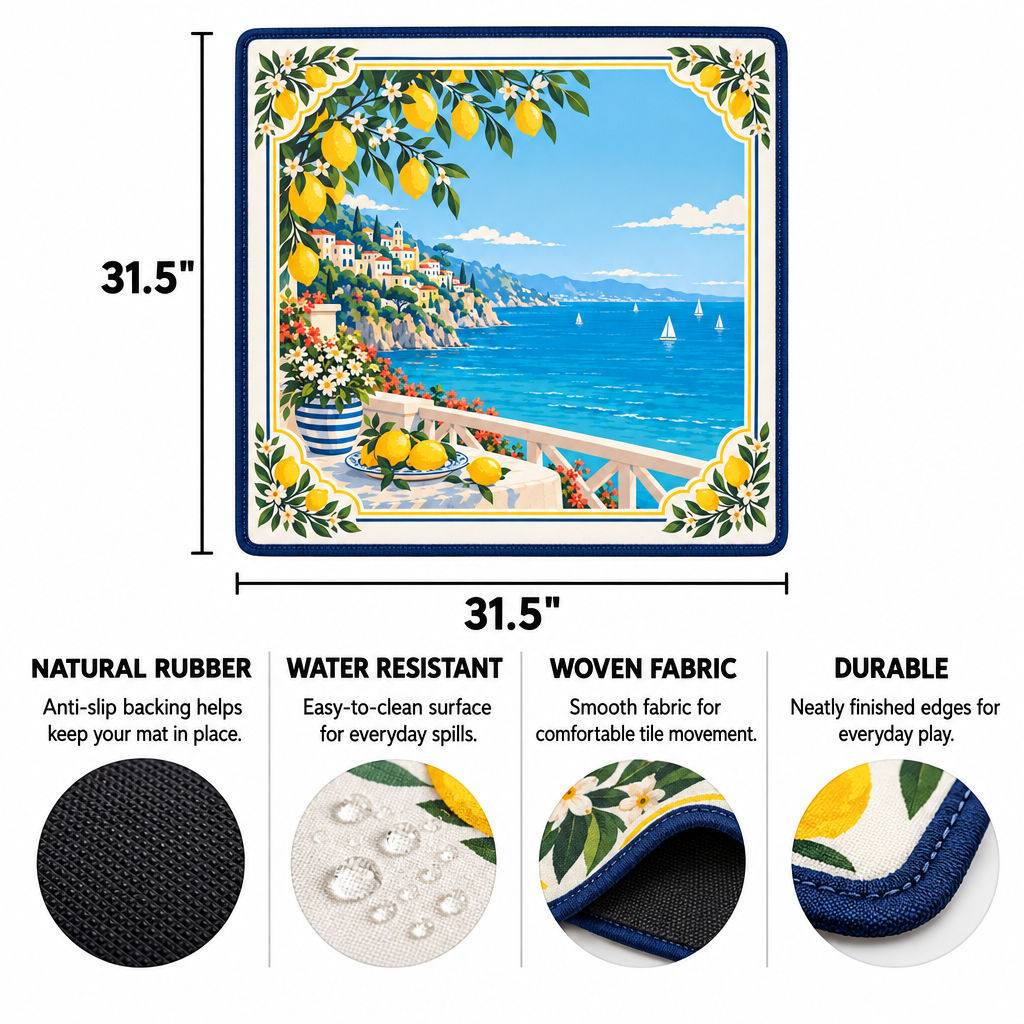
Mahjong mats range from compact (roughly 28 by 28 inches) to full (around 36 by 36 inches). Seniors with limited reach or arthritis should measure from elbow to fingertip while seated. If that distance is under 18 inches, a compact mat keeps all tiles within arm's reach without leaning. A full mat works better if players have normal reach or if the table is large enough to sit farther back. Width matters too: mats wider than 36 inches can force you to cross arms over the center, which causes shoulder strain. Choose a mat with clear, printed grid lines—poor visibility forces tile squinting and confusion during the rapid exchange phase of the Charleston.
🀄 Shop best-selling mahjong sets →
Why do seniors prefer racks with pushers over holding tiles by hand?
Racks with pushers hold up to 14 tiles at a gentle angle, so your fingers rest on a pusher bar instead of gripping tiles for hours. This reduces wrist strain, prevents dropped tiles, and keeps your hand out of play while you think—other players can't see which tiles you're considering discarding. For seniors with tremor, arthritis, or neuropathy, a pusher makes the difference between enjoying four games or stopping after one due to pain. Pushers also slow the pace naturally, which helps players with slower processing times keep up. They're not required by American mahjong rules, but weekly game hosts almost always welcome them because they reduce errors and table chaos.
How to choose between a mat-only setup and the full package
Setup | Who it's for | Best for | What you'll get |
Mat only | Occasional players, budget-conscious | Flexibility, easy storage | Non-slip surface, scoring track |
Mat + racks | Weekly game hosts, arthritis or tremor | Comfort, organized play, posture | Mat, four racks, better hand management |
Mat + racks + case | Traveling players, multiple venues | Durability, portable elegance | Everything above plus protected storage |
Dedicated table | Serious players with space | Permanent setup, luxury feel | Built-in wells, scoring, rotation (higher cost) |
Seniors hosting weekly games almost always choose mat plus racks because they speed up play and reduce confusion. If you're playing in someone else's home or at a club, ask what's already there—many venues have house mats and racks you can use, so you only need to bring your tiles. If you travel to multiple games, a mat-plus-racks bundle from Mahstead in a protective case works well because the case includes reinforced handles and stays compact in a car trunk.
🎁 See our most-loved mahjong sets & accessories →
What to check before you buy a mahjong table or mat setup
Before ordering, confirm these three things:
Table height and your seat type: Mahjong is traditionally played at a table 30 inches high with chairs 18 inches tall. If your table or chair is different, measure from seat to tabletop (aim for 10–12 inches gap). A mat doesn't change this, but it will slide off if the surface is too sloped or curved. Test a mat on your actual table before committing.
Tile visibility and lighting: Seniors often have reduced contrast sensitivity. Choose a mat with high-contrast printed lines and scoring areas. If your play space has poor lighting (side lamps work better than overhead), consider a mat with light-colored tiles or ask for acrylic sets with large, bold number printing. Our engraved sets have custom text on the back—this can be your name or a game group's name, making tiles easier to identify in dim light.
Noise and distraction: Plastic or bamboo tiles on bare tables clatter loudly. A mat muffles this and helps seniors with hearing aids focus on conversation. Acrylic tiles are quieter than bamboo and don't splinter if dropped, which matters if you're playing at a shared venue where dropped tiles could damage flooring.
Setup comparison: mat alone vs. mat plus racks vs. custom engraved sets
For a senior choosing between three common paths, here's what works:
Path 1: Mat only. Best if you play in one location, already own a quality set, and enjoy holding tiles by hand. Cost is lowest; you get portability. Downside: no hand support, tiles visible to other players, no organized storage.
Path 2: Mat plus racks. Best if you play weekly and want comfort plus organization. Racks hold your tiles upright so your hands stay visible and rested. The mat protects the table and provides a contained play area. A travel bag or case keeps everything together. This is the most popular senior setup because it balances cost and usability.
Path 3: Engraved set plus mat plus racks. Best if you're building a legacy game or hosting regularly and want something you'll treasure. Custom-engraved sets make great gifts for game groups and look professional on display. The engraving doesn't affect play—tiles are still standard size and material—but it adds a personal touch that makes a weekly game feel like a ritual rather than just a pastime.
All paths use the same American mahjong rules and tile count (152 playable tiles plus 8 jokers in a 160-tile set). The only real difference is comfort and portability.
✨ Find your Mahstead set — free US shipping →
Avoiding three common mistakes seniors make when setting up
Mistake 1: Buying a mat that's too thick. A mat thicker than about one-quarter inch can make it hard to pick up tiles from the edges, especially if you have limited hand strength. Thicker isn't more durable—it just creates more friction. Ask the seller about mat thickness before ordering.
Mistake 2: Choosing racks that don't angle. Racks that hold tiles at a fixed steep angle (more than 60 degrees) force your wrist into an extended position, causing pain over time. Look for racks with a gentle 30–45 degree angle that keeps your wrist neutral. Mahstead's racks are designed for this exact posture.
Mistake 3: Playing without a case if you travel. A mat and racks in a loose pile get wrinkled, bent, and lost. A protective case with handles costs little more and ensures your setup stays flat and portable. If you play at two or more venues, a case becomes essential—it's the difference between a five-minute setup and a fifteen-minute scramble.
Geographic and hosting considerations for seniors
If you're in a region with weekly senior mahjong groups (common in Texas, California, New York, and Florida), check whether the host provides mats and racks or expects players to bring them. In well-established clubs, you often only need tiles. In home games, a portable mat-plus-racks setup makes you a welcome guest because it speeds up the deal and shuffle. Many senior centers and community centers have house equipment; call ahead to ask what's available. If you're starting a new game or hosting for the first time, investing in a quality mat and two or four racks signals commitment and makes players more likely to return weekly.
FAQ
Can a senior play mahjong without a mat?
Yes, but a mat prevents tiles from sliding during the three-hour game, protects your table, and reduces noise. Most weekly groups use one. Without a mat, tiles scatter and games take longer, which fatigues players faster.
What's the difference between a mahjong mat and a tablecloth?
A mat is a non-slip, padded surface printed with grid lines and scoring tracks. A tablecloth is decorative fabric. Mats grip tiles and organize the play area; tablecloths slide around. For actual play, always use a mat.
Do racks with pushers slow down the game?
Slightly—placing tiles on racks takes a few extra seconds per turn. But this is offset by fewer dropped tiles, fewer errors, and less wrist pain, so players last longer. Most groups find it worth the pace trade-off.
Can I use a mahjong mat on an uneven or small table?
Yes, if the table is stable enough for four players to rest their arms. The mat will grip even an uneven surface. If the table is smaller than 30 inches square, a compact mat (around 28 inches) works better than a full-size one.
How do I clean a mahjong mat?
Wipe it with a damp cloth and mild soap. Acrylic tiles can be rinsed under cool running water. Never use harsh chemicals or bleach—they fade printed lines and damage tile finish. Dry everything flat before rolling the mat for storage.
Should I buy a mat with built-in cup holders?
Not necessary for play, but cups on or near the table can spill and damage tiles or the mat. If your mat has holders, use them. If not, place cups on a side table away from play. Water is the biggest risk to acrylic tiles.


View More
View More
View More
