
Cheap vs Expensive Mahjong Tiles: What You Actually Pay For
Last updated: Nov 23, 2026
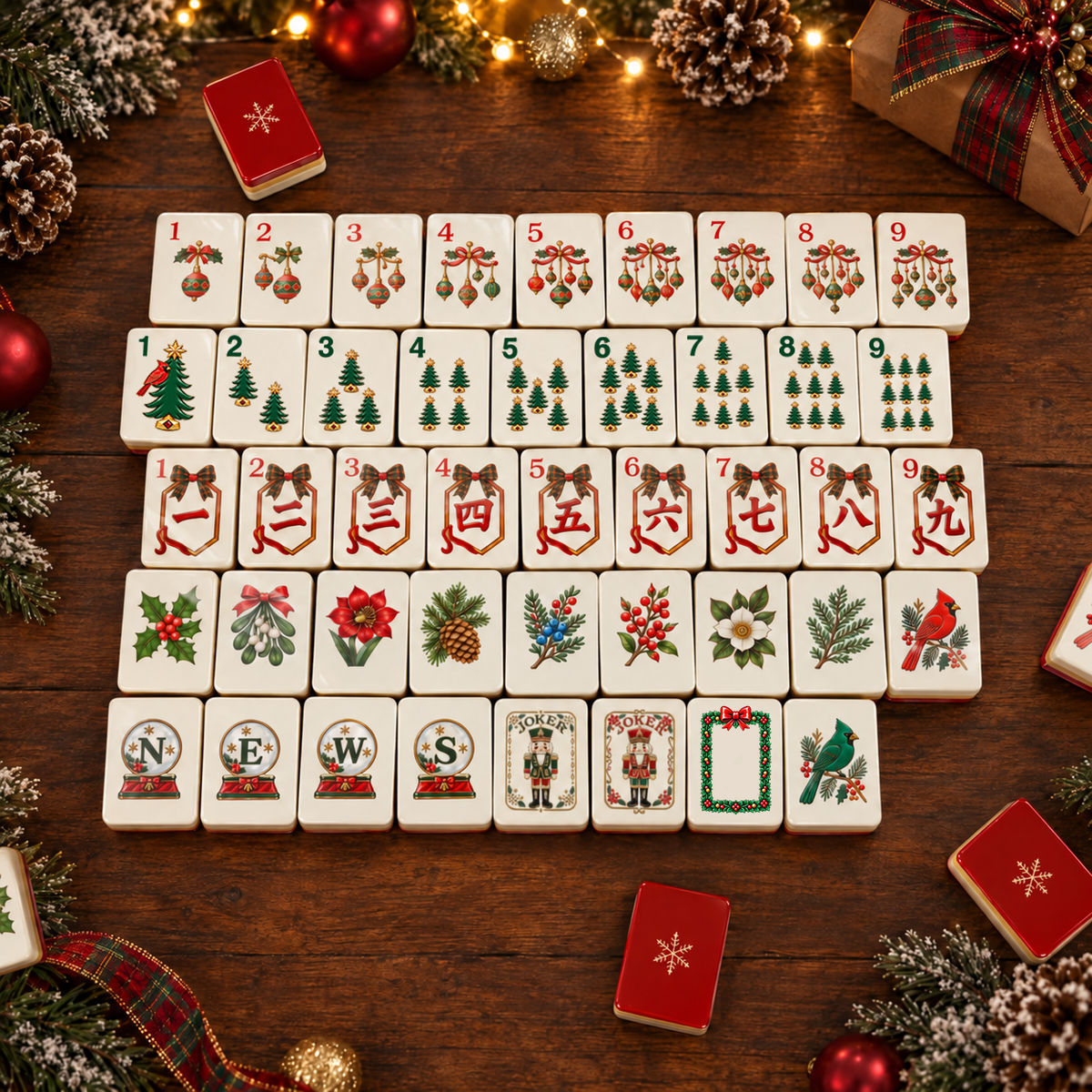
The difference between cheap and expensive mahjong tiles comes down to acrylic thickness, engraving depth, finish quality, and how the set is packed. Budget sets typically use thinner acrylic and simpler surface printing, while premium sets feature thicker tiles, hand-engraved details, smoother edges, and protective packaging. Most recreational players do well with mid-range sets; competitive players and those who host weekly games often prefer thicker tiles that shuffle quietly and stack cleanly. Entry-level sets from retailers often chip or fade after a season of regular play, whereas quality acrylic sets hold up for years. At Mahstead, we design 160-tile sets with durable acrylic and engraving that stays sharp through hundreds of hands. The right choice depends on how often you play and whether you value longevity over initial cost.
What makes expensive tiles actually better?
Premium mahjong tiles cost more because they use thicker acrylic stock (often 8mm or more versus 5–6mm for budget versions), deeper engraving that won't fade, and harder surface finishes that resist scratching. Thicker tiles feel more substantial in hand, shuffle without the hollow clack of thin plastic, and last through years of weekly games. Hand-engraved designs stay legible after thousands of shuffles; budget surface printing often dulls or flakes within months. Expensive sets also ship in padded boxes or reinforced cases; cheap sets may arrive with chipped corners because they're packed in thin cardboard.
🀄 Shop best-selling mahjong sets →

Do budget tiles work for learning?
Yes—if you play casually once or twice a year, a budget acrylic set will teach you the game just fine. You'll learn the hand patterns, practice the Charleston, and understand how to read a mahjong card without spending much. Budget tiles have all 152 game pieces plus jokers and work for group learning. The trade-off: they may feel plasticky, edges may be rougher, and the set might not survive a year of weekly play. If you're starting out with friends who meet monthly, a budget set is reasonable; if you're hosting games every week or planning to play for years, the jump to a mid-range set pays off fast because you won't replace it constantly.
What happens to cheap tiles over time?
Budget acrylic becomes brittle after 6–12 months of regular shuffling. Surface printing—a thin layer of ink or paint applied directly to the tile—wears away where fingers grip the tiles most, making numbers and suits hard to read. Thin acrylic cracks more easily when dropped or squeezed during a riffle shuffle. Cheap corner rounding also means edges catch on each other during shuffling, leading to small chips that multiply over a season. We've seen players bring in five-year-old budget sets where the Bams and Craks are almost indistinguishable from wear. Premium sets with engraved (not printed) details and thicker acrylic look the same after five years of weekly play.
Feature | Budget Tiles | Mid-Range | Premium |
Acrylic thickness | 5–6mm | 7–8mm | 8mm+ |
Engraving method | Surface print | Shallow hand-engraved | Deep hand-engraved |
Shuffle sound | Hollow, loud | Quiet | Quiet, solid |
Lifespan (weekly play) | 6–12 months | 3–5 years | 5+ years |
Edge finish | Rough | Smooth | Very smooth |
Packaging | Thin cardboard | Padded box | Reinforced case |
Repair/replacement | Not feasible | Partial | Tile-by-tile |
✨ Find your Mahstead set — free US shipping →
Should you buy a cheap set if you host games?
Not if you host weekly. Players notice immediately when tiles don't shuffle smoothly or feel cheap—they'll comment on it. Hosting also means your set gets heavier use: more shuffles per session, more hands passed around the table, more risk of spills or drops. A mid-range or premium set becomes part of your hosting identity; people remember "oh, we're playing at your place, your tiles feel great." Cheap sets also require replacement within a year, which compounds the "cheap" cost into multiple purchases. Our best-selling collection includes durable designs that work for frequent hosts and serious players.

What's the honest price-to-value sweet spot?
Mid-range acrylic sets—roughly double the price of budget plastic—deliver 80% of the premium experience and last 3–5 years with weekly play. They use thicker acrylic than budget sets, hand-engraved details that stay sharp, and protective packaging. Premium sets cost more again, but mainly add luxury finishes, custom designs, or premium cases. For most of us, mid-range is where the value stops improving and you're paying for aesthetics or status. Budget sets are a false economy if you play more than once a month; premium sets make sense only if you host professionally, play in tournaments, or want a set that will still look sharp in 10 years. Compare what you'll actually use: casual monthly player = budget okay; weekly host or competitive player = mid-range minimum; long-term investment or prestige = premium.
How to check quality before you buy
Inspect the tile material: Thick acrylic (8mm or more) feels substantial and doesn't flex when you squeeze it gently. Thin acrylic flexes and feels hollow. Ask the retailer for tile thickness; if they can't tell you, it's likely budget.
Feel the engraving: Run your fingernail across a number or suit mark. Deep engraving catches your nail; surface printing feels smooth and level. Deep engraving lasts; printing fades.
Look at edge finish: Rough edges that catch your finger = cheap. Smooth, beveled edges = quality. Cheap edges also mean tiles stick during shuffling.
Check the packaging: Budget sets ship in thin boxes and arrive with chipped corners. Quality sets come in padded or reinforced boxes with protective inserts. Damage on arrival signals poor manufacturing or assembly.
Ask about spares: Good makers include extra jokers and blank tiles (spare tiles beyond the 152 game tiles). Cheap sets often skip spares because they add cost. Our 160-tile sets include spares so you have replacements if a tile ever cracks.
Verify the tile count: Every American mahjong set contains exactly 152 playing tiles plus 8 jokers. Sets sold as 160 or 166 tiles include spare tiles. If the count doesn't add up, walk away.
🎁 See our most-loved mahjong sets & accessories →
A real comparison: three scenarios
Scenario 1: You play once a month with friends. A budget set is fine—you'll spend maybe 1–2 hours shuffling per month. Expect to replace it after 2–3 years. Total cost over five years: two budget sets plus the hassle of replacement. Works.
Scenario 2: You host weekly games. Mid-range or premium is essential. Your set gets 30+ hours of shuffling per month; cheap tiles wear out fast and your players will notice. A durable engraved set lasts 5+ years. Total cost: one good set every five years, plus the pride of hosting with equipment that works. Worth it.
Scenario 3: You play competitively or teach. Premium only. Tournament play means intense shuffling; teaching means players will inspect your tiles for quality. An investment set signals professionalism and lasts 10+ years. Many competitive players travel with custom cases and mats; the set itself is part of the package.
What you'll need
If you've decided to upgrade from budget tiles, pair your set with the right accessories. A protective travel bag or case keeps tiles from getting damaged in transport and dust-free at home. A quality mat protects the playing surface and makes shuffling quieter. Racks with pushers help new players organize their hand and speed up play. Together, these accessories extend the life of your tiles and improve the experience for everyone at the table.

FAQ
Is a budget set okay for learning American mahjong?
Yes. Budget sets include all 152 tiles and 8 jokers you need to learn the game, practice the Charleston, and understand how jokers work. You'll pay less upfront if you're unsure about committing. Switch to a mid-range set if you find yourself playing weekly.
Why do thick tiles cost so much more?
Thicker acrylic (8mm+) requires stronger molds, more material, and longer production time. Hand-engraving each tile adds labor cost. Better edge finishing and protective packaging also increase price. The durability payoff is significant: thick tiles last 5+ years versus 6–12 months for thin ones.
Can you replace a single broken tile in a cheap set?
Rarely. Budget manufacturers don't sell individual tiles or maintain stock. Premium and mid-range makers often will. This is another reason mid-range is better for hosts: one cracked tile doesn't mean buying a whole new set.
What's the difference between printed and engraved tiles?
Printed tiles have ink or paint applied to the surface; it wears away with shuffling. Engraved tiles have the design cut or pressed into the acrylic itself; it stays sharp for years. Engraving is more durable and looks better over time.
Should I buy the most expensive set available?
No. Premium sets offer durability, beautiful finishes, and sometimes luxury cases—but you're paying for aesthetics beyond a certain point. Mid-range sets deliver 80% of the value at half the cost. Buy premium if you want a heirloom set, host professionally, or play competitively; otherwise, mid-range wins on value.
Do tiles from different sets mix well?
Not really. Tiles from different manufacturers vary in thickness, engraving style, and color tone. Mixing them during shuffling is noticeable and uncomfortable. If you need more tiles, buy a replacement set from the same maker.


View More
View More
View More
