
Calling a Tile in Mahjong: American Rules Explained
Last updated: Nov 23, 2026
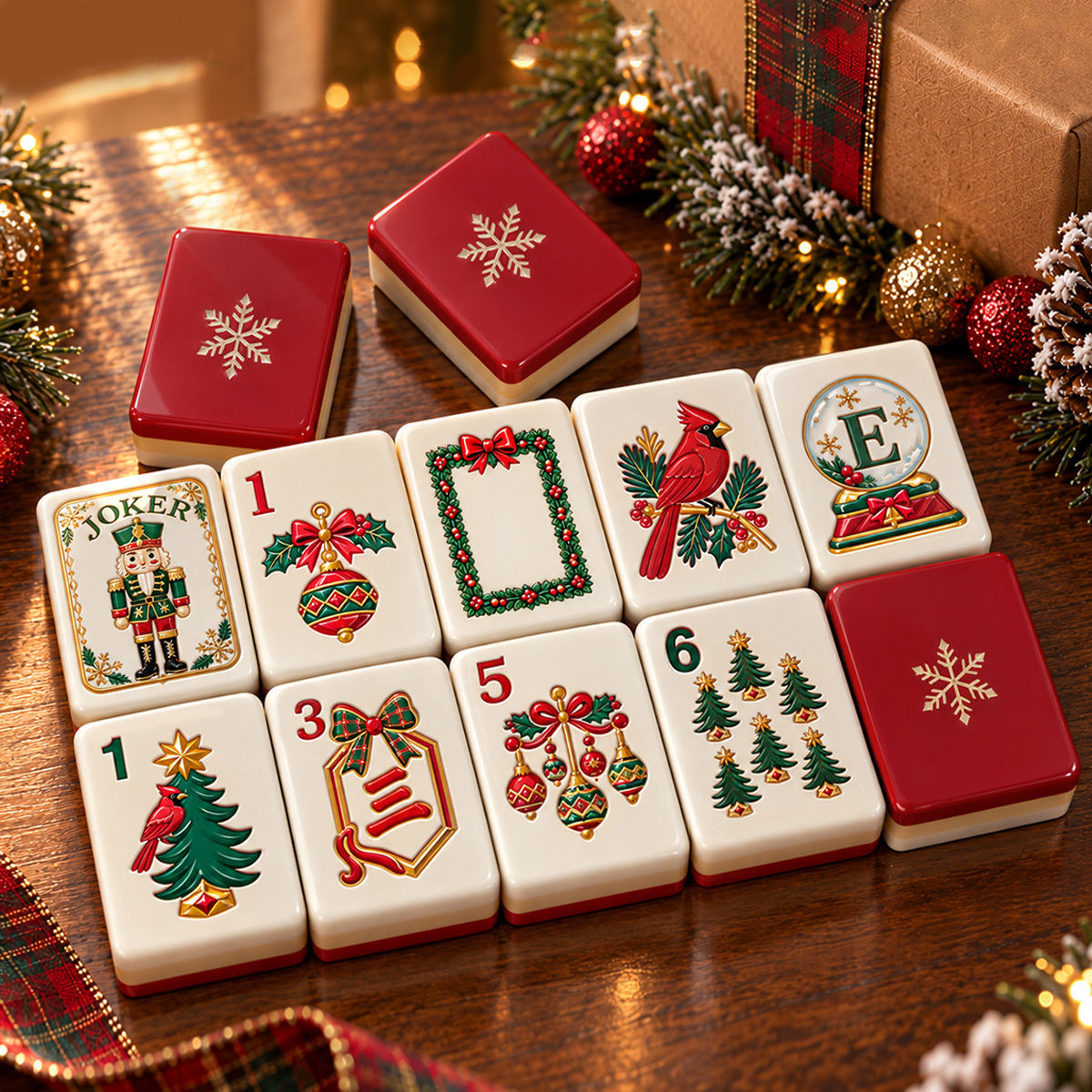
In American mahjong, "calling" means you claim a discarded tile to complete an exposed meld. You may call only to form a pung (three identical tiles), kong (four), quint (five), or sextet (six)—never a sequence like 1-2-3, and never a pair or single tile. When another player discards, if the tile completes one of these legal melds in your hand, you call it by name, take it, and place the complete meld face-up on the table in front of your rack. Jokers can substitute for any tile within a pung, kong, or quint—but never stand alone as a single tile or as part of a pair. Calling is faster than waiting for the wall; the turn passes to the player after you once you've melded. Wrong calls (attempting illegal melds) lose the hand for you.
What tiles can you call from the discard?
You can call only tiles that complete a pung, kong, quint, or sextet already in your hand. The moment a tile hits the table, any player may claim it if it finishes one of these four legal meld types. For example, if you hold two 5 Dots and someone discards a 5 Dot, you call it and expose three 5 Dots on your rack. You cannot call a tile to make a pair, a single tile, or a run (e.g., you cannot call a 3 Crak if you hold only a 1 and 2 Crak). This rule is fundamentally different from Chinese, Hong Kong, and Riichi variants, which all permit sequences. American mahjong bans chows entirely—both exposed and concealed—making it the most restricted calling system among major variants.

When can jokers substitute in a call?
Jokers can replace any tile inside a pung, kong, quint, or sextet you're calling. If you hold two 7 Bams and a joker, and the discard is a 7 Bam, you may call it; the joker now locks into place as the third 7 Bam. Similarly, if you hold three jokers and one 2 Crak, you can call a 2 Crak and expose a complete kong using three jokers. However, jokers can never stand alone as a single tile, form a pair by themselves, or fill a pair slot. This means you cannot win using jokers as your pair unless the pair is explicitly made of identical numbered tiles (e.g., two Red Dragons)—jokers do not substitute for the pair. Learn more about how jokers work to avoid miscalls that cost the hand.
What happens if you call a tile illegally?
An illegal call ends your hand immediately. If you call a tile that does not form a legal pung, kong, quint, or sextet, you must discard, and play moves on—you cannot win from that point. Your opponents may also call your mistake before you complete the meld, stopping you mid-play. To avoid this: always verify the tile count in your proposed meld (must be exactly 3, 4, 5, or 6 of the same number and suit), and confirm that no sequence rule or pair substitution is in play. Common error: calling a tile to fill a pair slot, then trying to win without a separate meld pair. Always keep your concealed tiles organized by suit and number so you can spot legal melds quickly. Table-tested tip: before calling, touch and count the relevant tiles in your hand to confirm the meld exists.
How does calling interact with the National Mah Jongg League card?
Every hand on the current year's National Mah Jongg League card specifies which melds are required and whether they are concealed or exposed. If a hand calls for exposed melds, those exact melds must be visible on the table when you win. When you call a tile from the discard, it becomes part of an exposed meld; you must match the card exactly. For instance, if the card shows "Pung Pung Kong Concealed," and you call a tile to make a third pung, that pung is now exposed and locked. You cannot later move tiles from that pung to your concealed hand. Always reference the card before calling to ensure the meld you're building matches the hand pattern you're playing. Discrepancies between your called melds and the card's requirements invalidate your win.

How do calling rules differ across mahjong variants?
American mahjong prohibits sequences entirely, so calling is restricted to identical-tile melds only. In contrast, Hong Kong mahjong allows players to call any tile that completes a sequence, pung, or kong, and melds are always exposed when called. Chinese (Cantonese) mahjong similarly permits sequences and has a more flexible exposure rule. Riichi mahjong (Japanese) uses a "riichi" declaration and allows players to call tiles only after declaring readiness, and sequences are central to winning hands. Taiwanese mahjong blends rules, allowing some sequences but with different exposure and calling conventions. American players should always confirm the rule set before sitting down: mixed variants at one table cause disputes. If you're hosting a weekly game, clarify rules upfront—the annual National Mah Jongg League card is the gold standard for American rules.
Variant | Sequences Allowed? | Calling Rules | Best for |
American | No | Pung, kong, quint, sextet only | Tile literacy, strict play |
Hong Kong | Yes | Any meld; always exposed | Social, faster rounds |
Chinese (Cantonese) | Yes | Any meld; flexible exposure | Beginners, casual groups |
Riichi (Japanese) | Yes | Post-riichi declaration | Advanced, scoring-focused |
Taiwanese | Partial | Sequences + numbered melds | Mixed-rule groups |
🀄 Shop best-selling mahjong sets →
Step-by-step: How to call a tile correctly
Watch the discard. When a tile lands on the table, check your hand immediately. Do you hold two or more of that tile?
Count the meld. Touch the matching tiles in your hand and count: three for a pung, four for a kong, five for a quint, six for a sextet.
Confirm joker placement. If jokers fill any slots in your meld, verify they are inside the meld, not standing alone.
Check the card. Glance at the National Mah Jongg League card. Does the hand you're playing require exposed melds? Is this meld listed?
Call clearly. Name the tile: "Calling 5 Dot" or "Calling East Wind." Stop other players from continuing the round.
Expose the meld. Place the three, four, five, or six identical tiles face-up in front of your rack, visible to all.
Discard next. After your turn ends, you discard one tile. The next player (to your right in most American games) draws from the wall.
🎁 See our most-loved mahjong sets & accessories →
What to check before you call
Meld count: Exactly 3, 4, 5, or 6 identical tiles (same number and suit)? If not, do not call.
Joker logic: Are jokers inside the meld or filling a gap? They cannot be a pair or a single tile.
Card alignment: Does the hand on the current year's card match your proposed meld structure?
Sequence temptation: You may not call to make 1-2-3, 4-5-6, or any numeric run in American mahjong.
Pair slot: Jokers cannot be your winning pair. Your pair must be two identical numbered tiles (e.g., two 9 Craks or two Red Dragons).
Player priority: Did another player call before you? Only the first player to call owns the tile.
Hosting a calling-friendly game
Clear calling rules reduce friction and speed up play. Before your weekly game, set expectations: which variant are you playing, and which National Mah Jongg League card are you using (this year's edition)? Post a quick reference on the table or near your mat so players can verify meld legality without stopping the round. Use mahjong racks with pushers to keep tiles organized—organized tiles make it easier to spot legal melds and call confidently. If a dispute arises, appeal to the card first, then the rule sheet. Practicing a few rounds with beginners before real scoring starts builds confidence and prevents costly mistakes.
✨ Find your Mahstead set — free US shipping →

FAQ
Can I call a tile to make a 1-2-3 sequence in American mahjong?
No. American mahjong prohibits sequences entirely. You may call only to make a pung (three identical), kong (four), quint (five), or sextet (six). If you hold 1 and 2 Bams and someone discards a 3 Bam, you cannot call it; sequences are not legal melds.
What happens if I call a tile by mistake and realize it's illegal after I expose it?
You lose the hand immediately. The game moves to the next player, and you cannot win on that round. Always count your tiles before calling to verify the meld is valid.
Can a joker be part of the winning pair in American mahjong?
No. Your winning pair must be two identical numbered tiles (e.g., two 3 Dots or two North Winds). Jokers can fill gaps inside a pung, kong, quint, or sextet, but never as a pair or single tile.
If two players call the same discarded tile, who gets it?
The player closest to the discarder, moving right (usually), gets priority. In practice, the first player to call aloud claims it. Always call quickly and clearly to avoid ambiguity.
How do I know which tiles are safe to discard if calling is possible?
Discard tiles that are not duplicated in other players' called melds and that no one on the card needs in quantity. Avoid discarding high-value tiles (Dragons, Winds) if players hold exposed melds matching your hand pattern. Keep track of called melds around the table and adjust your discard strategy accordingly.
Can I call a tile if my hand has already exposed melds?
Yes. You can call and expose as many melds as the hand on the card requires. Once you have called and exposed melds, your remaining concealed tiles must still form valid melds to win—and the called melds must match the card exactly.


View More
View More
View More
