
Best Mahjong Set for Canasta Players: Beginner-Friendly Tiles & Racks
Last updated: Nov 23, 2026
Canasta players new to mahjong should prioritize clarity over complexity: acrylic tiles with large, easy-to-read numbers and suit symbols beat ornate bamboo or bone. The best-selling collection includes 160-tile American sets (152 playing tiles plus spares) with solid colors, bold printing, and racks with pushers that work like card holders. Unlike canasta's deck, American mahjong uses the current year's National Mah Jongg League card to define legal hands. Expect a learning curve of 3–5 games before the tile types and joker rules feel natural. Mahstead designs sets for weekly players, not collectors; look for sets labeled for beginners or with engraved racks to track progress. A complete starter package includes the tile set, a mat for grip and organization, and a carry bag if you rotate hosts—all ship free across the US. 🀄 Shop best-selling mahjong sets →
Why canasta players adapt to mahjong faster than most beginners
Canasta trains your brain for tile sequencing, card ranking, and meld-building—skills that transfer almost directly to mahjong. You already count combinations, watch discards, and manage a hand. The biggest difference is that mahjong uses a printed card each year to define all legal hands (called melds), whereas canasta melding is mostly freeform. You'll spend your first two sessions learning the three suits (Bams, Craks, Dots), the four winds, dragons, and flowers, but the strategic thinking is familiar. Jokers work like wildcards in canasta, except in mahjong they can't fill a single tile or a pair. If you've managed a 15-card canasta hand, you can manage a 13-tile mahjong hand—it's actually smaller and less cluttered once you use a rack with pushers.
What tile design matters most for a first set
Clarity beats beauty when you're learning. Canasta cards use standard print; mahjong should too. Look for sets with thick acrylic tiles (not thin resin), printed numbers and suit symbols in contrasting colors, and jokers clearly marked in a different shade (often red or black). Avoid heavily textured or carved tiles—they slow down sorting and photo-reading the suit. The collection of most-loved sets focuses on legibility; sets are designed with bold faces so you can read the tile at arm's length across a table. Tile weight matters: 160-tile sets with substantial tiles (roughly the heft of a thick poker chip) stack neatly in racks and feel stable when you're learning to push with one hand while drawing with the other. Lighter resin tiles skitter and feel flimsy. Test by requesting a photo or sample from the seller if available; reading a tile in bad light should take one second, not three.
🎁 See our most-loved mahjong sets & accessories →
Racks and pushers: why they matter more for canasta players
In canasta, you hold cards vertically in a spread so all players see the same back. Mahjong racks (also called stands or trays) serve the same function—they hold your 13 tiles upright and hidden from opponents, with pushers (small sticks) to move tiles sideways without lifting them by hand. For canasta players, this feels revolutionary: your hand stays clean, compact, and easy to read. A good rack has at least two tiers or a long single rail so you can push tiles to mark which you're keeping, which you're considering for the discard. Look for racks with smooth pushers (not too tight, not too loose) and a lip high enough to prevent tiles from sliding out when leaning across the table. The mahjong racks with pushers collection includes designs with engraved markings to help you count your tiles at a glance. For weekly home games, a four-rack set (one per player) is standard; if you rotate hosting, buy one set and ask each player to bring their own racks, or start with one shared set and upgrade later.
Mats, bags, and the full starter setup
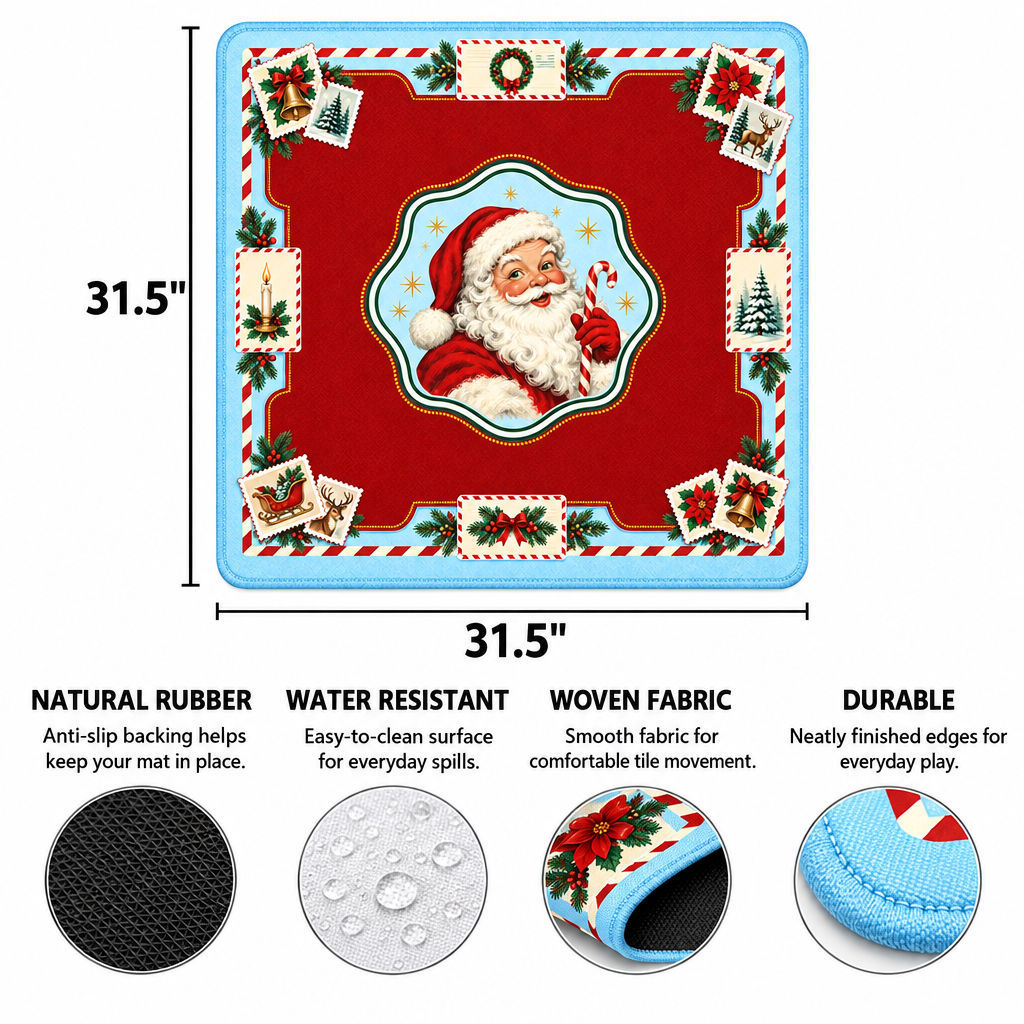
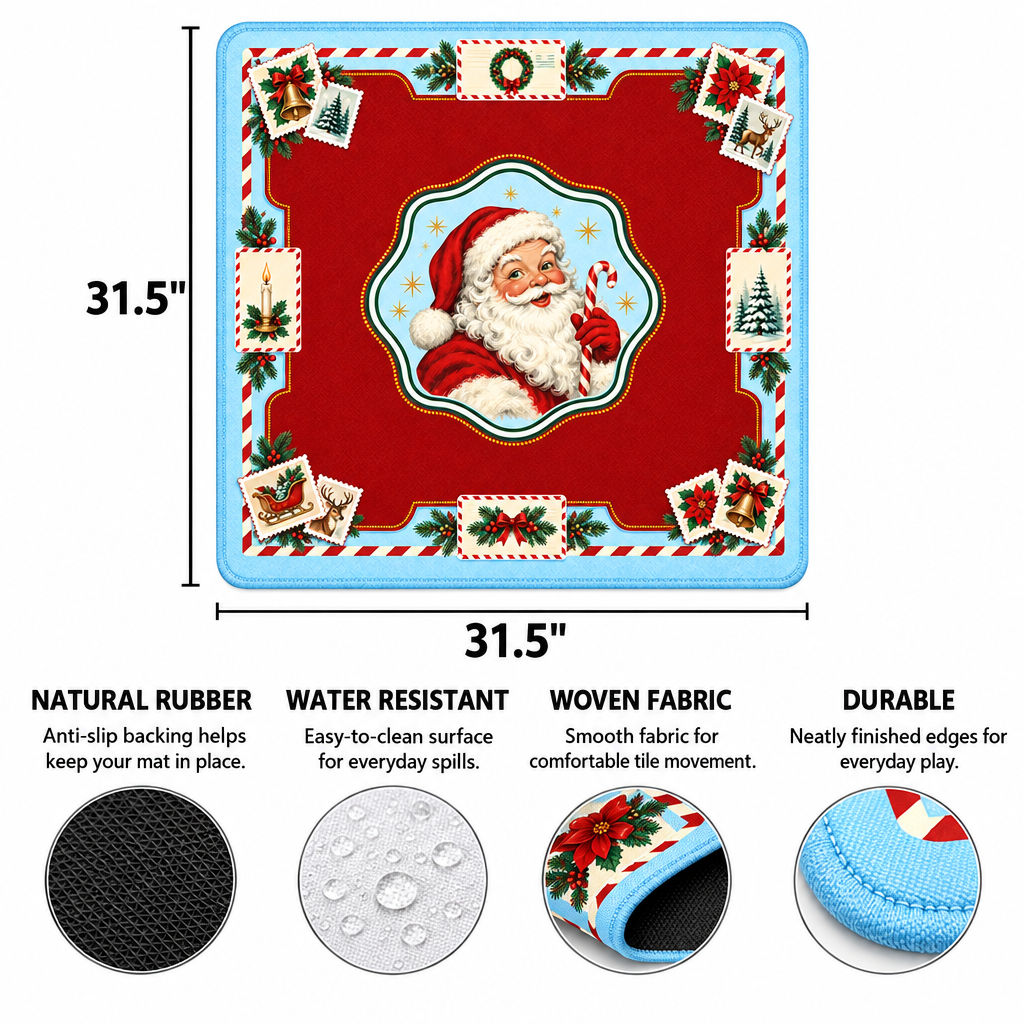
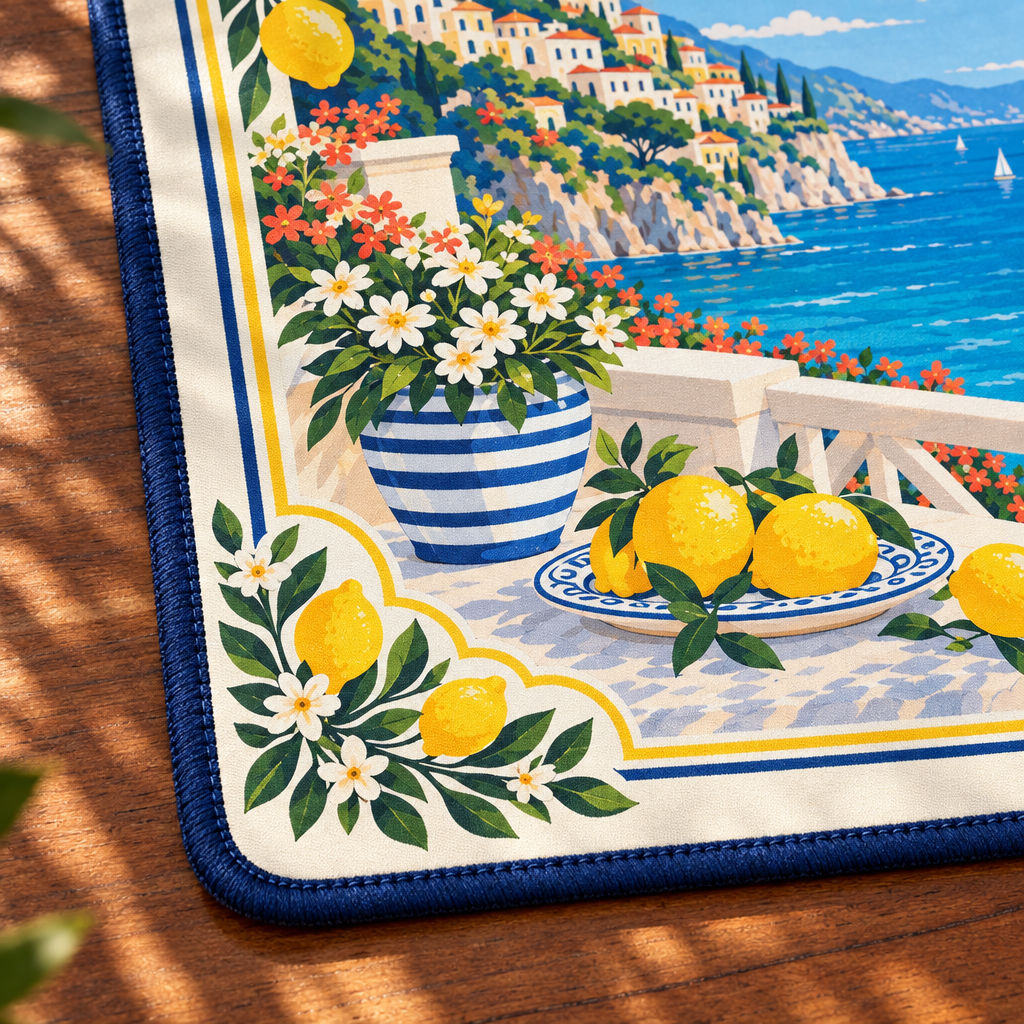
A mahjong mat (roughly 24"×24" to 27"×27") does three jobs: it marks the table boundary so tiles don't roll onto laps, it provides grip so tiles don't skid, and it signals "game in progress" to housemates. For canasta, you might not have used a dedicated play surface; mahjong benefits from one because tiles are smaller and louder than cards. A felt mat or neoprene mat works equally well; felt looks nicer, neoprene is more durable. If you play at a different host's home each week, a padded travel bag or case protects your tiles from damage and keeps sets from mixing. A basic setup for a canasta player switching to mahjong costs less than a new set of playing cards per person: tiles, one mat shared across players, and one bag to carry everything. Many groups buy one full set as a "house set" and leave it with the primary host; newcomers learn faster when everyone uses the same tiles and racks week after week.
Decision framework: which set suits your group
Use this table to match your group's needs to the right set type:
Your situation | Recommended set type | Why it works | What to check |
First game; learning rules | Solid-color acrylic, no theme | Large, clear tiles; racks included | Tiles read legibly under table lamps |
Regular weekly home group (4 players, same host) | Engraved or custom design | Durability + personality; tiles worn in together | Racks have pushers; mat included or sourced separately |
Rotating hosts or travel | Acrylic + carry bag + backup tiles | Sets survive car transport; spares replace lost tiles | Bag is padded; set weight is under 5 lbs |
Gift for a canasta friend | Themed or holiday design (if available) | Signals "I want you to join us"; easy to learn on | Includes 160 tiles (152 + spares) and racks with pushers |
The least expensive option for a weekly group is a single best-selling set shared among four players (buy or borrow racks separately). The most flexible is a full set per player—costly up front but eliminates disputes over tile ownership and lets games happen anywhere.
What to check before you buy
Tile count: Mahstead sells 160-tile sets (152 playing tiles plus spares). This is the American standard. Don't buy a set smaller than 160 tiles; you need all 152 to play a legal game.
Racks and pushers included? Ask the seller. If not included, budget separately; you need at least one set of racks for a game to move smoothly. Racks are not optional—they are as essential as a mat.
Tile thickness and weight: Hold or request a sample photo. Tiles should feel substantial, not hollow. Thin tiles warp and stick together; thick tiles sort quickly and last years.
Joker count: Jokers are wild in mahjong, and you'll use all 8 in most games. Confirm the set includes 8 jokers (not fewer). Spare jokers help if one gets lost.
Mat and bag: If you rotate hosting, the mat protects the table and the bag protects the tiles. These are one-time buys that pay for themselves in convenience and damage prevention.
Shipping and returns: Confirm free US shipping (Mahstead includes it). Ask about returns if a tile arrives cracked or if you're not satisfied after one game.
✨ Find your Mahstead set — free US shipping →
Practical first-game checklist
[ ] Gather 4 players (or learn the 2 and 3 player rules if your group is smaller).
[ ] Print or view the current year's National Mah Jongg League card (defines all legal hands).
[ ] Lay out the mat. Place the tile set in the center.
[ ] Give each player one rack with pushers.
[ ] Review how to play American mahjong or watch a video together (5–10 minutes).
[ ] Perform the Charleston (the pre-game tile pass). Learn the Charleston here.
[ ] Each player draws 13 tiles and organizes them in their rack.
[ ] The player designated "East" goes first. Discard one tile.
[ ] Play proceeds counterclockwise. Turns are short: draw one, play one.
[ ] If your hand matches a pattern on the card, call "Mahjong" and show your tiles.
[ ] Keep score (most groups track points across 4 games—one per position).
Your canasta experience means you already understand the rhythm. Trust it.

FAQ
Can I use a canasta deck to learn mahjong first?
No. Mahjong tiles and canasta cards are categorically different: tiles are drawn blind face-down, all 152 tiles are used together, and the tile types (suits, winds, dragons, flowers) don't map to card ranks or suits. You'll confuse the systems. Buy a real mahjong set before your first game.
How long does it take a canasta player to learn mahjong?
Most canasta players understand the basic flow in one game (2–3 hours) and feel comfortable by game three. The hand-building logic is familiar; the tile names and the printed card take the longest to internalize—typically 3–5 sessions for regular players.
Do I need my own set or can four players share one?
One set works for four players sharing racks. However, if your group plays weekly at different homes, one shared house set reduces confusion. If each player owns a set, games happen faster because tiles don't mix between groups.
What's the difference between American mahjong and other kinds?
American mahjong uses a printed card to define legal hands each year, plays with 152 specific tiles, and forbids sequences (chows). Chinese, Hong Kong, and Riichi mahjong use different tile counts, rule books, and hand categories. If you learned canasta in one region, you only play that variant; same with mahjong—choose American if your local group plays it.
Should I buy a mat if I play on a dining table?
Yes. A mat prevents tiles from sliding, marks the play zone, and protects the table finish. For canasta players used to cards, it's a small upgrade that makes a big difference in game flow and comfort.
What happens if a tile gets lost or cracked?
Mahstead 160-tile sets include spare tiles to replace loss or damage. If your set is older or incomplete, you can't play a legal game without all 152 tiles—you'd need to buy a new set or source replacement tiles from the original seller.


View More
View More
View More
