
How Long Do Resin Mahjong Tiles Last?
Last updated: Nov 23, 2026
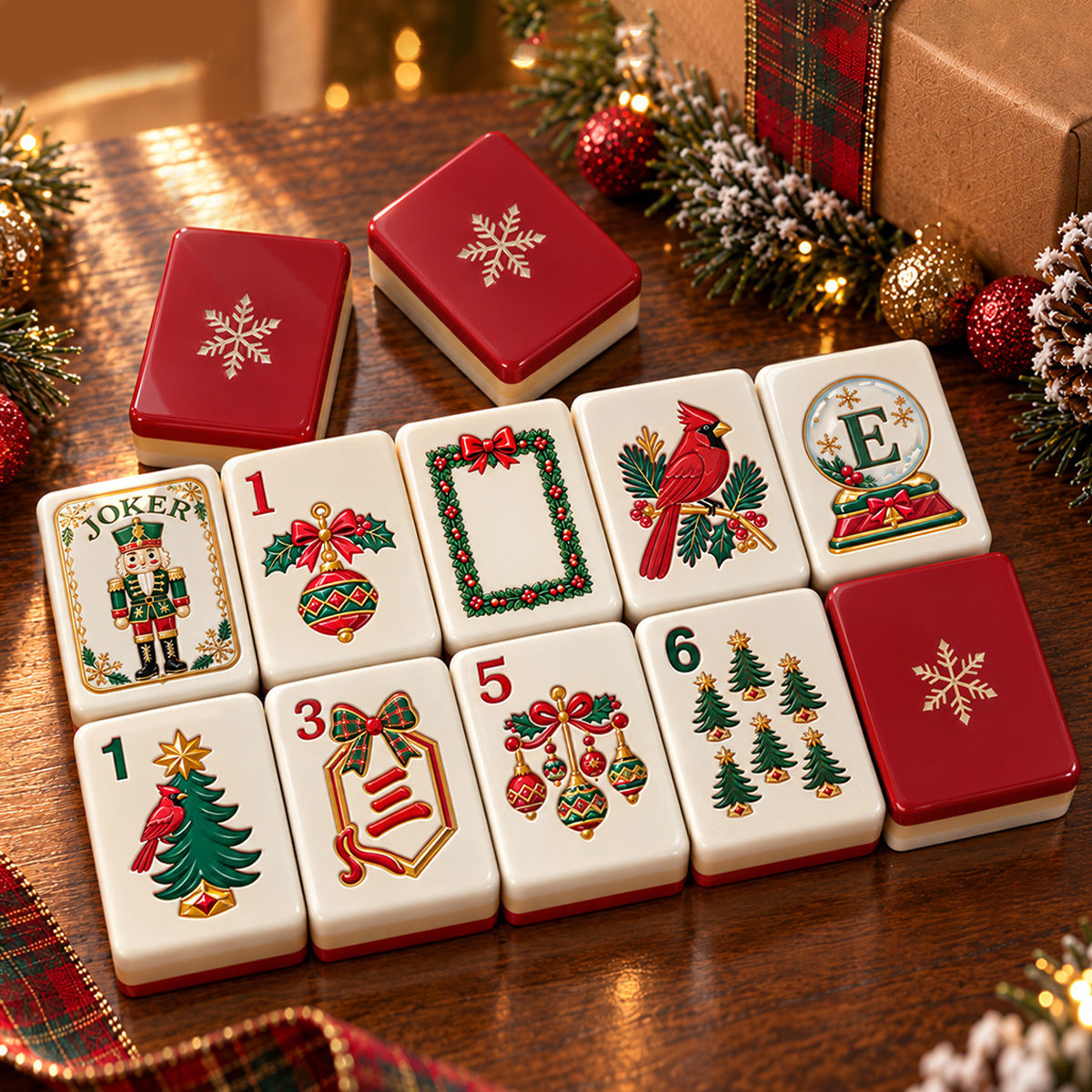
Resin mahjong tiles last 20 to 30 years under regular weekly play, and often 40+ years if stored in a dry, cool place away from direct sunlight and humidity. Unlike bone or bamboo tiles, acrylic resin resists warping, staining, and cracking from temperature swings. Lifespan depends on tile thickness (thicker tiles endure shuffling longer), resin quality, engraving depth, storage conditions, and play intensity. Jokers and frequently handled tiles wear fastest. Our hand-engraved acrylic sets use virgin resin that resists yellowing and fading better than recycled material. Most players replace tiles only when engravings fade, surfaces scratch noticeably, or edges chip after decades of play—not due to structural failure. Store in a protective case away from heat and sunlight to extend life beyond 30 years.
What Makes Resin Tiles Outlast Bone and Bamboo?
Acrylic resin doesn't absorb moisture, warp in humidity, or crack when temperature drops suddenly. Bone and bamboo are porous: they swell when wet and shrink when dry, loosening engravings and warping tiles out of square. We've seen 10-year-old bone sets with lifted engravings and warped tiles; a 15-year-old resin set plays flat and clear. Resin tiles feel smooth because the material is homogeneous—engravings don't trap dirt. A player with a 30-year-old resin set can still read tiles sharply; bone sets that old often show faded symbols. Resin also resists tea, wine, and humidity from a crowded mahjong room better than bone ever will.

How Tile Thickness Affects Durability
Thicker tiles last longer because they resist edge chipping and shuffling stress. Standard American mahjong tiles measure roughly 0.75 inches wide and 0.5 inches tall; thickness ranges from 0.2 inches (thin, budget-grade resin) to 0.35 inches (premium acrylic). Thin tiles flex during vigorous shuffling and can crack along the engraving line after 5–10 years of heavy play. Thick tiles absorb impact without flexing and typically show no structural wear after 25 years. Check the product description or ask the maker for tile thickness before buying. Engraved American mahjong sets specify thickness so you can compare durability upfront.
Does Engraving Depth Predict Lifespan?
Shallow engravings fade faster because there's less material between the surface and the engraved line. Deep hand-engraving (carved 0.03 to 0.05 inches into the tile) stays readable for 30+ years; shallow machine-engraving (0.01 inches or less) may blur after 15 years of shuffling and handling. Deep engravings also resist staining because dirt can't settle into a shallow groove as easily. Our hand-engraved tiles have deeper cuts than most mass-produced sets, so the design lasts longer under play. If you buy a set with shallow engravings, expect to see symbols fade after a decade; this doesn't mean the tile is broken, just harder to read at a distance.
Storage and Environmental Damage: The Real Lifespan Killer
Heat, humidity, and sunlight degrade resin tiles faster than play does. Tiles stored in a basement prone to dampness can develop a sticky surface after 10 years; UV exposure makes light-colored tiles yellow slightly. A set left in a hot car or sunny room can soften at edges and show surface crazing (tiny cracks). We recommend storing sets in a cool, dry closet or in a protective case indoors, away from windows and radiators. Humidity below 50% and temperatures between 60–75°F are ideal. A quality mahjong bag or case protects tiles during storage and transport, easily adding 5–10 years to set life by blocking humidity and dust.
🎁 See our most-loved mahjong sets & accessories →
Which Tiles Wear Out First?
Not all tiles age equally. Jokers and honor tiles (winds, dragons) wear fastest because they're called and handled more often than number tiles. A frequently played pung gets picked up, shuffled, and exposed dozens of times per game; a tile that sits in your hand half the game wears slowly. Flower tiles also wear quickly if players handle them ceremonially at the start. After 20 years, a well-used set might show wear on jokers and dragons while number tiles still look pristine. This is normal and doesn't mean the set is failing—it shows which tiles earned their place in your game.
Comparing Resin Durability Across Material Types
Material | Typical Lifespan | Humidity Risk | UV Risk | Edge Durability | Best For |
Acrylic resin (virgin) | 25–40 years | Very low | Low | Excellent | Long-term serious play |
Acrylic resin (recycled) | 15–25 years | Low | Moderate | Good | Casual to moderate play |
Bone | 8–15 years | High | Moderate | Fair | Display or light play |
Bamboo | 5–10 years | Very high | High | Poor | Collectible/decorative only |
Plastic (injection-molded) | 3–7 years | Very low | Very high | Poor | Beginners, travel only |
Based on material science properties and player reports over decades, virgin acrylic consistently delivers 25–40 years with care, while recycled resin fades faster and bone warps in humid climates.

How Play Intensity Changes Tile Lifespan
Casual players (one game per month) can expect a resin set to last 40+ years; serious players (2–4 games weekly) see tiles stay game-ready for 25–30 years. Tournament-level shuffling and rapid tile handling accelerates wear on surface engravings and edges. If you host weekly games, invest in thicker, hand-engraved tiles—they'll hold up better than budget options. A casual player buying a thin, machine-engraved set might still enjoy it for 20 years; a host running weekly games needs premium thickness and depth to avoid visible wear by year 10. Choose based on your actual play schedule, not wishful thinking.
✨ Find your Mahstead set — free US shipping →
What Damage Is Worth Replacing vs. Playing Through?
Minor scratches on tile surfaces don't affect gameplay and accumulate naturally over decades—keep playing. Faded engravings are cosmetic; if you can still read them under table light, no replacement needed. Chipped edges don't impact play if the chip is less than 1/16 inch and doesn't catch on other tiles. Replace a tile only if the engraving is so faded the symbol is unreadable at arm's length, an edge chip is sharp enough to scratch hands or tiles, or the tile is visibly warped (test by laying it flat on a level surface). A few replaced tiles cost far less than a new set, and mixed-age tiles play identically. Many players use a single set for 30+ years with only one or two tiles swapped out.
When to Upgrade: Signs Your Tiles Are Truly Aging Out
A resin set reaches end-of-life when most jokers are noticeably faded or chipped, the majority of tiles show surface scratches that dull the finish, or you notice tiles sticking slightly when shuffled (sign of surface degradation). If engravings remain sharp and tiles play smoothly after 25 years, keep using them—they'll outlast most sets ever made. Upgrade when gameplay suffers (tiles catching, engravings too faint to read reliably) rather than on age alone. Many players have sets from the 1990s still in regular use; those sets were made to last. Modern high-quality resin sets built today will do the same.
What You'll Need to Maximize Tile Lifespan
Storage: A protective case keeps humidity and dust away. Quality mahjong cases add years to tile life by blocking environmental damage during storage and transport.
Play surface: A padded mahjong mat reduces impact stress when tiles are shuffled and played. Tiles last longer when they're not clicking against hard wood or glass.
Quality base: Start with hand-engraved acrylic from a maker who specifies tile thickness. Hand-engraved American mahjong sets are designed for 25–40 years of regular play.
🀄 Shop best-selling mahjong sets →
What to Check Before You Buy
Ask the maker for tile thickness (aim for 0.3 inches or thicker). Request photos or samples showing engraving depth—hand-carved engravings are visibly deeper than machine-cut. Check the material spec: virgin acrylic lasts longer than recycled resin. Find out if tiles are sealed or treated to resist UV yellowing. Ask about storage recommendations for your climate (especially if you live in a humid region). Read the fine print on what "damage" voids any guarantee—manufacturing defects and normal wear are different. Buy from makers who stand behind their product and offer replacement tiles if structural defects appear within the first few years.

FAQ
Can resin tiles go bad if stored in a hot attic for years?
Yes. Heat and UV exposure soften edges and can cause crazing (fine surface cracks). Store sets in a cool, dry closet or a protective case indoors, away from direct sunlight. Tiles stored in a stable 60–75°F environment last 30+ years; those in hot attics may degrade after 10–15 years.
Do jokers wear out faster than number tiles?
Yes. Jokers are called and handled more often during play, so engravings and edges wear visibly after 15–20 years while number tiles stay pristine. This is normal and doesn't affect playability—replace individual jokers if needed, not the whole set.
How do I know if my resin tiles are virgin acrylic or recycled?
Ask the maker directly. Virgin acrylic resists yellowing better and typically costs more. Recycled resin may yellow or show slight color variations over 10–15 years. If the maker won't specify, assume recycled. Mahstead uses virgin acrylic in hand-engraved sets, stated openly on product pages.
Are 40-year-old bone tiles still playable?
Usually not. Bone warps in humidity, engravings lift or blur, and tiles may no longer sit flat. If your family's vintage bone set plays smoothly, treasure it as a collectible—but resin sets outlast bone by decades for actual weekly play.
What's the cheapest way to extend tile lifespan?
Store tiles in a protective case in a cool, dry closet. This single step can add 5–10 years to any set's life by blocking humidity, dust, and UV exposure. A good case is a one-time investment that protects a set for decades.
Can I repair a cracked resin tile?
Minor cracks along the surface can be stabilized with clear epoxy, but cracked tiles won't last long—the crack will grow. Better to replace the tile or retire the set if cracks are structural. Most resin sets never crack; if yours does, something went wrong during manufacturing, not use.


View More
View More
View More
