
American Mahjong: When Not to Call—Essential Game Sense
Last updated: Nov 23, 2026
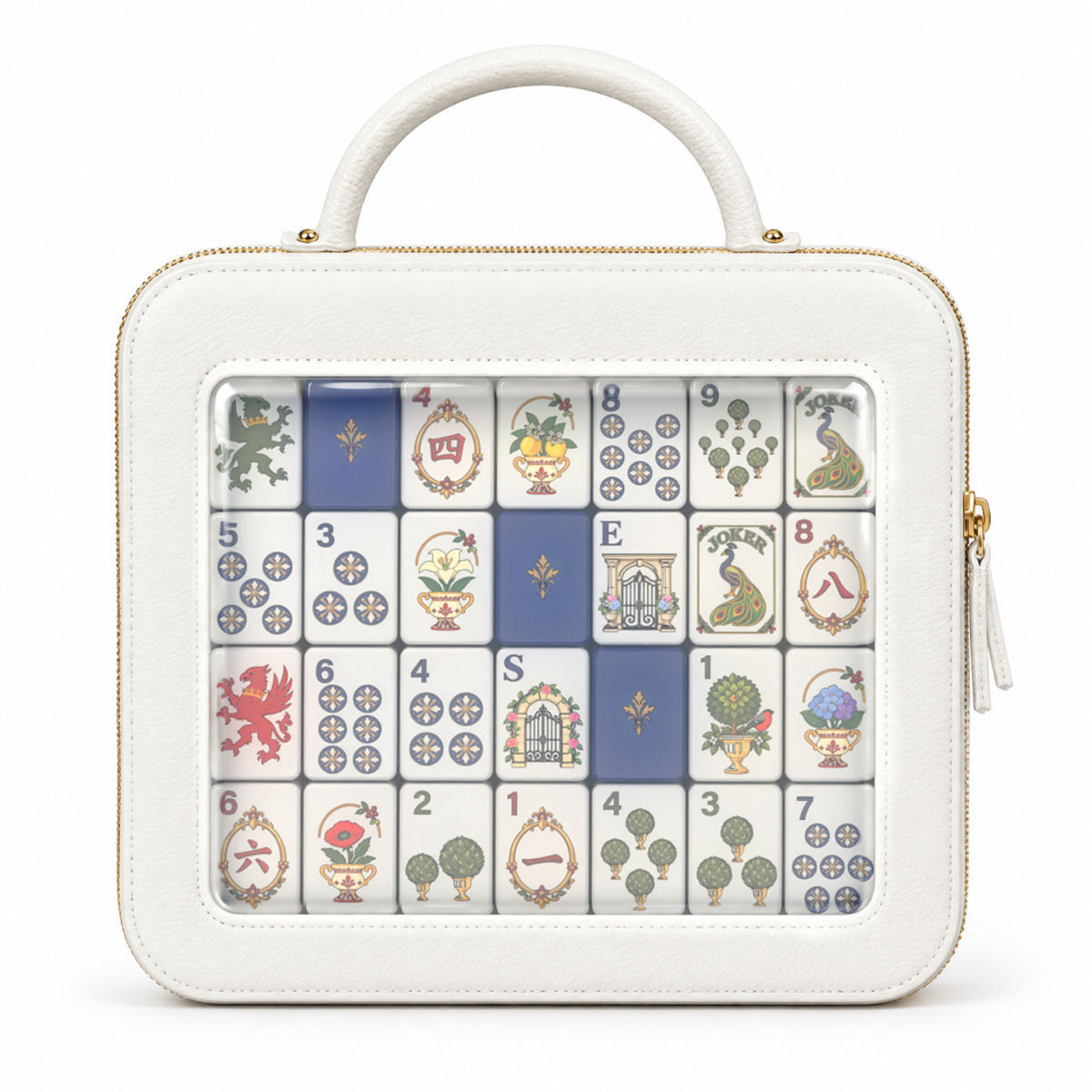
In American mahjong, "not calling" means refusing a discarded tile even when it completes part of your hand—because calling locks you into one specific pattern from the current year's card and stops you from drawing fresh tiles to pursue a higher-scoring hand. You don't call when: you're holding flexible tiles that build multiple patterns simultaneously, your current hand is worth fewer points than waiting could earn, you're fishing for a single tile that completes several different winning combinations, or you need to stay concealed to avoid telegraphing your strategy to opponents. The core principle is patience: a concealed hand drawing freely can morph into something worth 40+ points, while a called pung or exposed kong locks you into a single path worth perhaps 25. American mahjong rewards adaptive players who study the card before play, count their jokers, and know their escape routes.
Why Do We Ever Call, Then?
We call when the hand is nearly complete, the tiles are running low, or the winning combination is locked at high value. A pung call pins down three identical tiles—say, three 7 Dots—satisfying one of your pattern requirements on the card. A kong call takes four identical tiles and is even more powerful. But calling exposes your tiles to the table, tells opponents your strategy, and forces you to rely on the single path printed on the card. If that path requires a tile that's already been discarded four times, you're chasing ghosts. Early callers often watch stronger players win with 50+ points from concealed hands. The trade-off is real: certainty versus upside. We call when the hand is close enough to win that the risk of a dead tile is worth locking in progress.
🀄 Shop best-selling mahjong sets →

What Does "Holding Flexible Tiles" Actually Mean?
Flexibility means your tiles satisfy multiple lines on the card, so you can pivot without panic. If you hold three 2 Craks, two 4 Dots, a 5 Bam, two Winds, and two Red Dragons, you might be building a pung of 2 Craks and a pair of Reds and a pung of Winds—three different sequences on the card. Draw a 2 Crak and you're closer to one line; draw a Wind and you're closer to another. Call the 2 Crak pung immediately, and you've locked into that line only. Now only that exact sequence wins. A single tile you need—perhaps a joker to fill the last spot—must show up in your draws. In contrast, holding flexible tiles means: you adapt to what's discarded, you stay hidden until the final two draws, and you're always one "wrong" discard from an opponent away from pivoting. That flexibility is golden. Beginners fixate on the first promising pung. Experienced players feel the hand's range and keep their options open until the pool shrinks. Every time you call, you trade flexibility for certainty.
How Do You Know if Waiting Is Worth More Points?
Every hand on the current year's card has a point value, ranging from 25 to 60+. Before you call anything, ask: Does the exposed pung or kong path pay more than a different concealed pattern I could build? The card shows all winning combinations in one year; study the relevant section. If your exposed path is worth 30 points but three patterns you're holding simultaneously are each worth 40+, waiting is mathematically superior—you're trading a 30-point lock for a potential 40-point win. This requires learning the card cold. Jokers also change the math: each joker in your hand toward a specific hand is a joker you cannot use elsewhere. A 25-point hand with two jokers might become a 50-point hand if you draw a free tile instead and suddenly match a rarer pattern. The rule is simple: Don't expose a hand that costs more in points than you gain. Write down the card's high-value sequences for your position (East, South, West, North play slightly different tiles). Before each game, know your section cold. This prevents panic-calling mid-hand.
When Should You Stay Concealed to Bluff?
Bluffing in American mahjong isn't lying; it's staying hidden to obscure your actual hand so opponents discard tiles you want. If you're building a concealed pung of 5 Bams but you also discard mid-rank Dots and Craks, opponents think you're chasing those suits. They might discard 5 Bams freely, assuming you're not fishing for them. The moment you call a pung of 4 Dots, the table reads your hand as a "Dot hand" and stops throwing 5 Bams your way. Staying concealed for three to five turns costs you nothing—you're still drawing—but it keeps your path secret. Once the draws near the end (typically turns 12–14 of 18), your concealment matters less because fewer tiles remain, and the strategy flips: now you might call to secure your hand before someone goes out. Early turns: stay hidden. Late turns: call to lock progress. This shift in strategy separates casual games from competitive play. Weaker opponents call early and broadcast their hand; stronger opponents stay dark and then strike late when the call improves their position significantly. The goal is to control information.
Comparison: Call Early vs. Hold Flexible
Scenario | Call Early | Hold Flexible |
Hand type | Close to one pattern | Matches 2–4 patterns simultaneously |
Tiles needed | 1–3 specific tiles | 4–6 possible tiles (multiple paths) |
Information given | Visible to all players | Hidden; opponents guess |
Adaptation room | Low; locked into one line | High; can pivot mid-hand |
Point ceiling | 25–40 (depends on hand) | 40–60 (rarer patterns) |
Risk if key tile gone | High; you're stuck | Medium; other paths exist |
Turn to call | Turns 8–12 (mid-game) | Turns 14–18 (endgame) |
When it wins | Stock runs low, pung is rare | Deck still deep, flexibility pays |

What Are the Biggest Mistakes Players Make?
Calling too early. New players see a matching pung and immediately call it, not realizing the hand is only 1/3 complete and they've just telegraphed their strategy to three opponents. By turn 6, the called hand is slow and vulnerable.
Ignoring the card. You can't make wise hold-versus-call decisions without memorizing your hand's section of the card. Beginners wing it and call random pungs. Study your year's card the day before you play.
Not counting discards. If you need a 3 Dot to win and all four 3 Dots have been thrown, stop hoping. Calling on a dead tile is futile. Track what's been played.
Calling a low-value path while sitting on a high-value one. The card might show a 25-point hand and a 50-point hand in your range. Don't expose the 25-point hand and abandon the 50-point hunt just because you can see the pung.
Playing emotion, not math. You feel the pung is "lucky" or you've been waiting two hands. That's sentiment, not strategy. The math of point value and tile availability should drive every call.
Experienced players understand the Charleston first, because how tiles are passed affects what you hold at game start. Then they read the card section by section. Then they count discards. Only then do they decide to call. The players we see winning regularly are quiet at the table, calling late, and picking high-value hands. They're not the ones talking about their tiles.
When Is "Not Calling" Actually a Loss?
There's a moment in the endgame when not calling becomes weakness. If you're on turn 16 of 18, the deck is nearly empty, and you have a concealed hand that's 80% complete, holding on hoping for a perfect tile is often a loss. Why? Because you're exposed—your opponents can see you're waiting—and they won't discard what you need anyway. At that stage, a called pung or kong that locks you into a sure win is better than a concealed hand that never closes. Additionally, if you're holding four 3 Dots and you see the pool is down to eight tiles left, and three of them must go to other players, the math has changed. Call it. Get safe. The strategy flips in the final turns: from flexibility-seeking to certainty-maximizing. New players misread this and hold past the point of reason, then lose outright. Seasoned players feel the turn count and shift gears. This timing sense comes from play, not reading alone.
🎁 See our most-loved mahjong sets & accessories →
What to Check Before You Buy Your First Mahjong Set
If you're building a home game to practice these decisions, choose a set with clear, readable tiles. You need 152 tiles plus a current-year card. Watch for sets that include a mat and racks with pushers—they keep tiles organized and make concealment and calling easier. A good mat prevents tiles from shifting mid-game, and pushers let you build and adjust your hand without broadcasting early. If you're hosting weekly games, durable racks with pushers are worth the investment; they reduce errors and let newer players manage their tiles with confidence. For frequent games, a dedicated storage bag or case keeps your set safe and tiles organized. Finally, print or laminate a current-year card for each player so everyone can reference it without passing a single copy around mid-hand. These details remove friction and let everyone focus on the game, not logistics. Our best-selling mahjong sets come with everything beginners need to start learning and practicing these strategies at home.
The Real Test: Practice the Hold
The best way to internalize "when not to call" is to play. Join a weekly game, sit with your tiles, and feel the difference between calling early and holding flexible. In your first three games, you'll call too much and lose points. By game ten, you'll sense the shift. By game thirty, you'll know your card section cold enough to hold a five-tile-flexible hand through turn 12, then pivot and call when the draw forces it. You can't learn this from a guide alone—the table teaches it. But now you have the framework: call when certain is more valuable than flexible; hold when multiple paths exist and the hand is young; count discards to know if your tile is dead; and flip your strategy in the final turns. Stronger players apply this every hand. Casual players ignore it and wonder why they lose. The simplest edge you can build is patience: one month of holding smarter, and your average hand value will jump.
✨ Find your Mahstead set — free US shipping →

FAQ
Can I call a tile that completes a pung *and* leaves me flexible for another pattern?
Yes, but only if the path is high-value and few tiles remain. A called pung on a 40+ point hand late in the draw is sensible; a called pung on a 25-point hand early is usually not. Let the card value and turn count guide you.
What's the penalty for calling too much?
No penalty in the rules—you can call every tile. The punishment is strategic: each call locks you into one path, wastes your hidden-hand advantage, and signals your strategy. Opponents stop discarding tiles you need. Your hand slows.
Should I ever call on turn 2 or 3?
Rarely. The deck is deep, and you're likely to draw tiles that pivot your hand higher. Call early only if the hand is already 90% complete or worth 50+ points even exposed—uncommon in early turns.
How do I know if a tile is "dead" before I call it?
Track all discard piles. If all four copies of the tile you need have been thrown to the center of the table (in any round, by any player), that tile is gone forever. Don't call for a dead tile.
If I hold a flexible hand and someone else goes "Mahjong," did I make a mistake by not calling earlier?
Not necessarily. You made the statistically sound decision at the time. Mahjong has luck; sometimes the perfect tile never shows, and you bust. Sometimes you hold for turns 1–14 and then draw the exact tile you need on turn 18 and win big. Judge your decisions by the logic you used, not just the outcome.
Is staying concealed the same as lying about my hand?
No. You're not signaling false information; you're simply not exposing tiles yet. Opponents don't know your hand, so they can't accuse you of deception. Once you call a pung, you've chosen transparency. Before that, silence is strategy.


View More
View More
View More
