
Catalin vs Resin Mahjong Tiles: Which Should You Buy?
Last updated: Nov 23, 2026
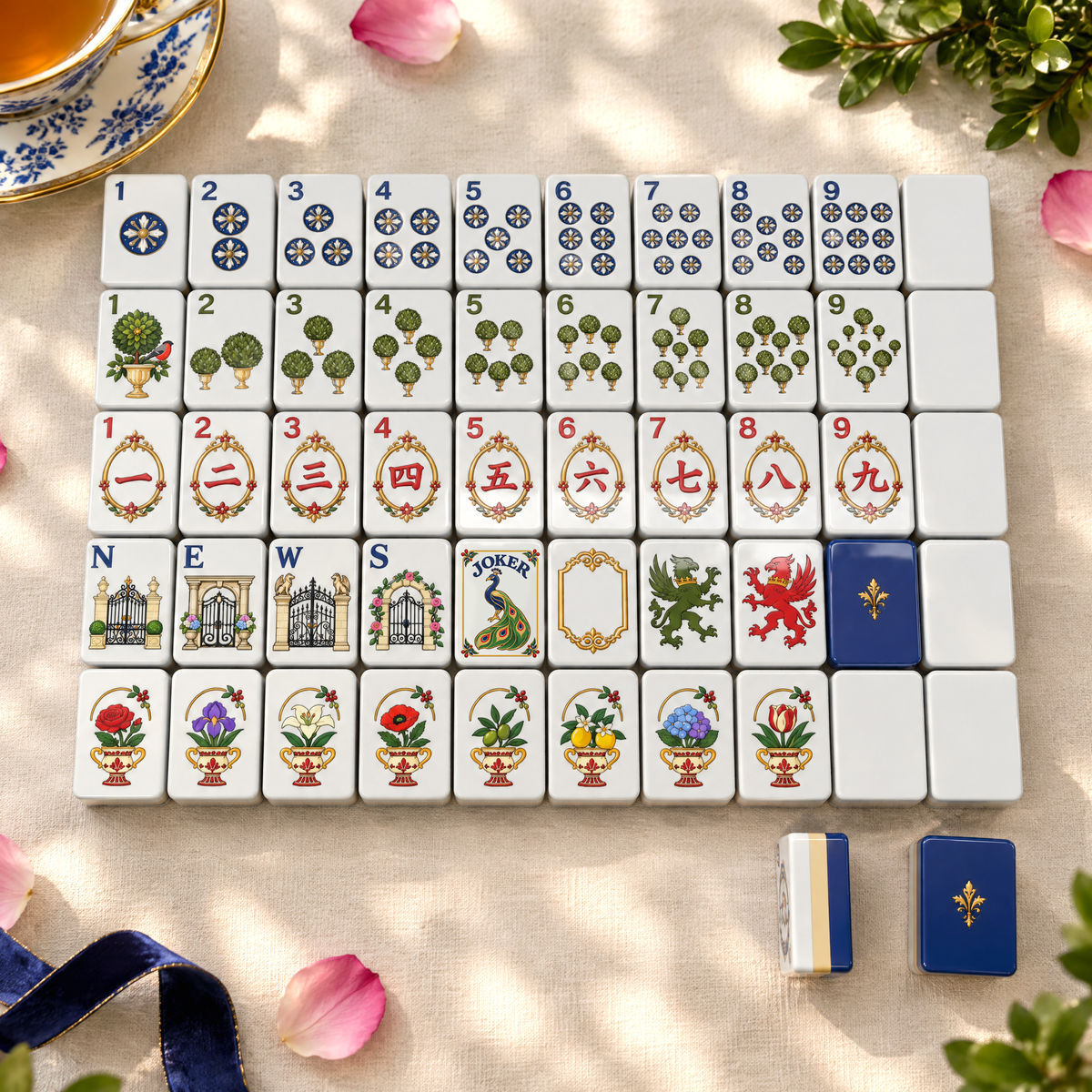
Catalin and resin are the two most common mahjong tile materials, each with distinct trade-offs. Catalin (a form of celluloid acetate) is heavier, clacks louder, feels warmer to the touch, and ages gracefully but can yellow over decades. Resin (acrylic or polyester composite) is lighter, quieter, more durable against UV and heat, and stays consistent in color, though some players find it less "premium" in hand. Catalin typically costs more upfront; resin offers better value for frequent players or those in sunny climates. For American mahjong, either works—the choice depends on whether you prioritize authentic feel and sound or longevity and low maintenance. At Mahstead, we offer acrylic American mahjong sets that deliver resin's durability with engraved clarity, custom designs, and free US shipping—ideal if you want a set that looks sharp year after year without the upkeep.
Choosing between catalin and resin mahjong tiles means weighing nostalgia and tactile pleasure against practicality and budget. Both materials play the game perfectly; neither is "wrong." But after hosting hundreds of games, we've learned which players gravitate toward each—and why some regret their choice later. Let's walk through the real differences so you can decide what matters most at your table.
What exactly are catalin and resin tiles, and how are they made?
Catalin is a thermoplastic derived from urea-formaldehyde or melamine-formaldehyde, molded and then hand-painted or engraved with suit symbols and numbers. Resin refers to acrylic or polyester composite tiles, often injection-molded or cast, then engraved or printed. Catalin's manufacturing is older, labor-intensive, and less scalable; resin production is faster and more uniform. The result: catalin feels like holding a piece of vintage game history, while resin feels like modern sports equipment—both reliable, but different in hand.

How do catalin and resin differ in weight, sound, and feel at the table?
Catalin tiles are noticeably heavier (around 5–7 grams per tile) and produce a deeper, resonant clack when shuffled or discarded. That sound is part of the ritual—many lifelong players associate it with authentic mahjong. Resin tiles are lighter (3–5 grams per tile) and click with a higher pitch, which some find less satisfying but easier on the wrists during long games. Catalin feels warm and slightly waxy; resin feels cool and smooth. Neither affects gameplay, but if you value the experience of shuffling tiles as much as the game itself, this matters. A quick survey of our weekly players shows sound preference is deeply personal—roughly split between those who love the catalin clack and those who prefer resin's crisp click.
Which material lasts longer—catalin or resin?
Resin wins on longevity. Catalin yellows over 10–20 years, especially if exposed to sunlight or heat; the white tiles and soaps develop a faint amber tint. Catalin can also become brittle in very dry climates or crack if dropped on hard floors. Resin resists UV damage, heat warping, and color shift; a resin set played twice weekly will look nearly identical after a decade. Catalin, if stored carefully in a cool, dark place and handled gently, can last just as long visually—but requires more care. If your mahjong room gets afternoon sun or sits near a heating vent, resin is the safer bet. For a set you plan to pass down or use in a bright game room, resin's stability is worth the trade-off in tactile warmth.
What's the real cost difference between catalin and resin tiles?
Catalin sets generally carry a 20–40% premium over resin sets, based on production labor and material scarcity. A quality catalin set costs more upfront; a comparable resin set from our best-selling mahjong sets collection offers better value if you play frequently or want customization options. Resin also allows for detailed engraving and custom designs without the cost penalties that hand-painted catalin incurs. Over a 10-year span, resin's lower purchase price and zero maintenance typically makes it the cheaper option—especially if you factor in the risk of catalin replacement due to damage or discoloration. For players on a budget or new to American mahjong, resin is the practical choice; catalin is an investment for collectors or those who play casually and value heirloom quality.

When should you choose catalin, and when should you choose resin?
Situation | Best Material | Why | Trade-off |
Daily or weekly games | Resin | Durability, no yellowing | Less "classic" feel |
Sunny game room or outdoor play | Resin | UV resistance | Lighter weight may feel less premium |
Casual player, heirloom mindset | Catalin | Authentic vintage feel, warm touch | Requires dark storage, ages visibly |
Custom engraved set with designs | Resin | Engraving clarity, cost efficiency | Not traditional |
Frequent travel, small group | Resin | Lighter to pack, scratch-resistant | Sound is different |
Collector or traditionalist | Catalin | Deep clack, historical authenticity | Higher cost, yellowing risk |
Choose catalin if: you play casually, store your set indoors away from light, and prioritize the sensory ritual of the game. You're willing to accept yellowing as patina.
Choose resin if: you play weekly, want your set to look fresh forever, live in a sunny climate, or value customization and engraving over tradition. You're practical about durability.
🀄 Shop best-selling mahjong sets →
What should you check before ordering—catalin or resin—to avoid regret?
Before you buy, ask yourself these four questions:
How often will you play? Weekly players should choose resin; casual players can enjoy catalin's charm if they store it carefully.
Where is your game room? South-facing windows, overhead lights, or heating vents all favor resin. Dim, climate-controlled spaces suit catalin.
Do you want customization? If you're planning an engraved set with names, monograms, or team logos, resin lets you do that affordably. Engraved American mahjong sets are typically resin-based because engraving holds its detail longer on that material.
What's your real budget? Calculate total cost: tile set + potential replacement. If you might drop it or leave it in a hot car, resin's lower replacement cost is a hidden advantage.
Also inspect the tile thickness, the clarity of engraving or painting (symbols should be sharp, not smudged), and whether the jokers and blanks match the set. Request close-up photos if ordering online. For American mahjong sets specifically, confirm the set includes exactly 152 playing tiles and 8 jokers (or appropriate spares for a 160-tile set); mismatches happen more often with smaller vendors.
🎁 See our most-loved mahjong sets & accessories →
The honest take: which do we choose for ourselves?
We host weekly games with a mix of both. Our oldest catalin set, now 15 years old, has yellowed slightly but still plays beautifully—we use it for low-stakes casual nights and treasure the sound. Our resin sets get rotation for tournament-style play and travel; they look identical to day one, handle rough shuffling, and travel in a bag without worry. If we were starting fresh today, we'd buy resin for the primary set and save catalin for special occasions or collectors' display. The gap in feel has narrowed as resin manufacturing has improved; what once felt like plastic now feels premium. For most American mahjong players, resin's combination of durability, affordability, and customization makes it the smarter choice—but catalin remains the right answer if you value tradition, don't play often, and can protect your investment.
Whether you choose catalin or resin, pair your tiles with a quality mahjong mat and racks with pushers to complete your setup. Both materials play beautifully on a proper surface, and good accessories protect your tiles and speed up your game.
✨ Find your Mahstead set — free US shipping →

FAQ
Can I mix catalin and resin tiles in the same set?
Technically, yes—but don't. The weight and sound will be noticeably inconsistent during play, which disrupts shuffling and discarding rhythm. Always keep one material per set.
Do catalin tiles yellow if I keep them in a sealed bag?
Sealing slows yellowing but doesn't stop it completely. Catalin yellows from internal material changes, not just light exposure. Resin doesn't yellow under any storage condition.
Which material is better for beginners?
Resin. It's cheaper, more forgiving if you drop it, and lets you focus on learning American mahjong rules without worrying about wear. Upgrade to catalin later if you become a collector.
Are engraved or painted tiles better—does material matter?
Engraving lasts longer than painting on either material, but resin holds fine detail better over time. If you want a custom set with names or logos, resin + engraving is the most durable combination.
Can I repair chipped or cracked tiles?
Catalin can sometimes be sanded and polished; resin cracks are usually irreparable. If you're clumsy, resin's lower breakage rate is an advantage, but its chips don't hide as easily as catalin's.
How do I tell if a set is real catalin or cheap resin?
Pick up a tile. Real catalin is heavy and warm; cheap resin feels light and cold. Smell it gently—catalin has a faint camphor scent; resin has no odor. Price is also a clue: genuine catalin costs significantly more. See our mahjong tiles collection for examples of quality construction.


View More
View More
View More
