
American Mahjong Quick Start Guide: Learn the Game Today
Last updated: Nov 23, 2026
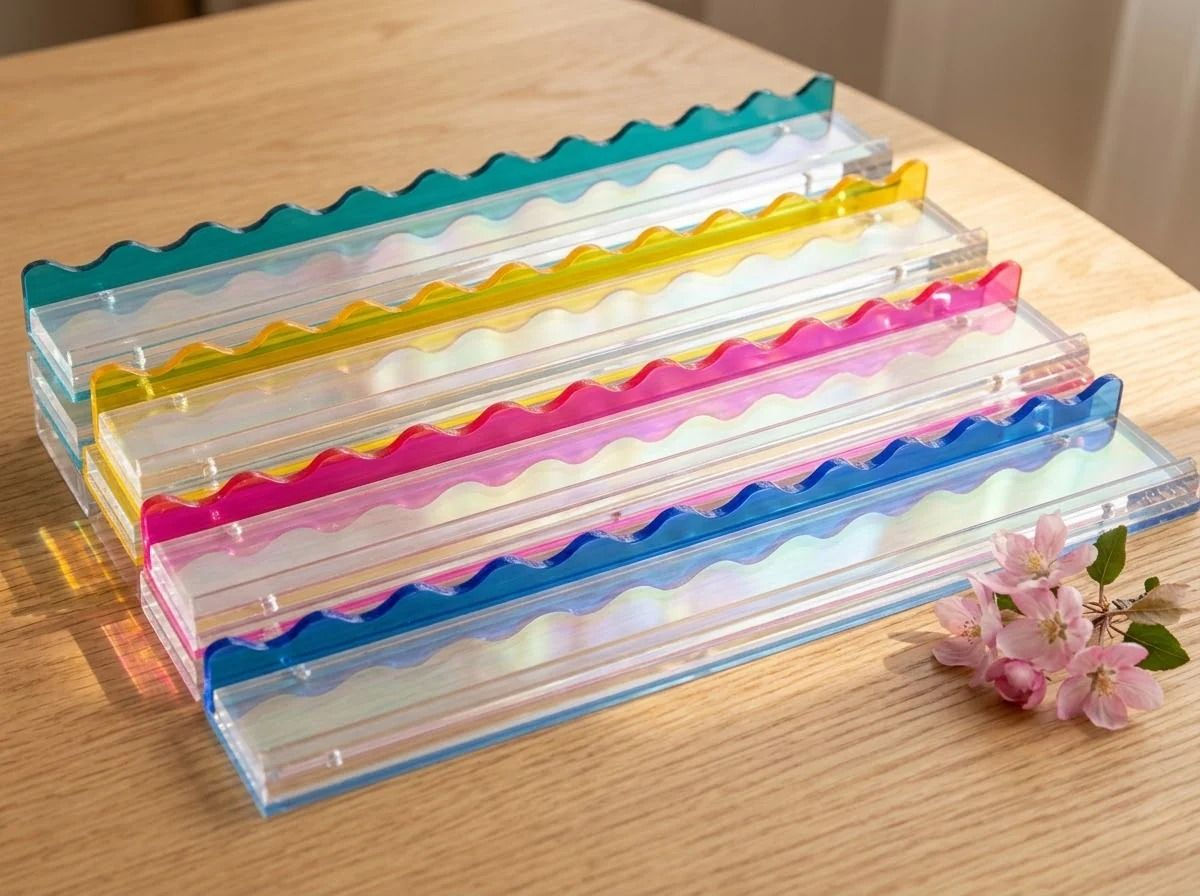
American mahjong uses exactly 152 tiles divided into three numbered suits (Bams, Craks, Dots, each 1–9 in four copies), 16 winds, 12 dragons, 8 flowers, and 8 jokers. A game lasts 8 to 16 rounds and plays best with four players seated around a table. Before each game, players perform the Charleston—a three-pass tile exchange that scrambles the draw. Players then build a 14-tile hand from the wall, match it to a pattern on the current year's National Mah Jongg League card, and "go mah jongg" by exposing their matched set. Winning depends on reading the card correctly, managing your hand's flexibility, and knowing which tiles are safe to discard. The game is rules-heavy but learnable in a single session; join a club or play with patient teachers to absorb strategy and etiquette alongside the mechanics.
What exactly goes in an American mahjong set?
A standard American mahjong set contains 152 playing tiles plus 8 jokers used as wildcards during play. The three numbered suits (Bams, Craks, Dots) each have tiles numbered 1 through 9, with four copies of each number. You'll also find 16 wind tiles (four each of North, East, West, South), 12 dragon tiles (four each of Red, Green, and White), plus 8 flower tiles and 8 jokers. Many sets sold today include extra spare tiles for replacement if any chip or acrylic tile cracks. What's in an American mahjong set covers the inventory in detail and why the count matters for rule enforcement.
🀄 Shop best-selling mahjong sets →
How does the Charleston actually work before the game starts?
The Charleston is a formal three-pass ritual before the wall is drawn. Each player simultaneously passes three tiles to their right neighbor, then three to the left, then three across the table. This exchange randomizes everyone's hand and prevents seated players from stacking obvious patterns. The entire exchange takes 2–3 minutes and is mandatory in tournament play. Many home groups shorten it to one or two passes, though the full three-pass Charleston is the standard. The Charleston explained walks through timing, etiquette, and what happens if someone passes the wrong number of tiles mid-game.
What tiles can you actually play—and what's forbidden?
In American mahjong, you may only expose pungs (three identical tiles), kongs (four identical tiles), quints (five identical tiles), or sextets (six identical tiles) during play. You cannot expose a chow—no sequences like three consecutive numbers. Jokers may only substitute for missing tiles within these sets; they can never form a pair or stand alone. The 1 Bam tile is marked with a bird image to help beginners identify it. A tile group like 5 Dot, 5 Dot, 5 Dot is valid; a group like 4 Dot, 5 Dot, 6 Dot is not. Every winning hand must match exactly one complete pattern from the current year's hand card—no improvisation or alternate patterns allowed.
How do you read the hand card and win?
The National Mah Jongg League card is reprinted every spring and lists the valid winning patterns for that year. Each pattern shows tile combinations that qualify as a complete winning hand. Players must recognize their gathered tiles in one of these patterns, then declare "mah jongg" and expose their entire hand for scoring. Common pattern types include all pungs, mixed pungs and kongs, hands with specific dragon or wind sets, or patterns requiring flowers. The card also notes which patterns earn bonus points. How to read the mahjong card breaks down the card layout, section labels, and how to cross-reference your hand without confusion.
Step | What to do | Common mistake |
1. Build a 14-tile hand | Draw tiles from the wall after the Charleston | Forgetting you must hold exactly 14 tiles to win |
2. Study your tiles | Check what you hold against this year's card | Using last year's card or an unofficial version |
3. Look for matching patterns | Find a complete set that uses your tiles | Counting partial patterns or sequences |
4. Declare "mah jongg" | Announce and expose your hand | Exposing before the discard, forfeiting the win |
5. Tally and score | Verify the pattern; calculate points | Misreading which bonus applies |
How do jokers and discards shape the game?
Jokers are the only wildcards in American mahjong and substitute only for a single tile within a valid set. If you need a 7 Bam to complete a pung of 7 Bams, a joker can replace it. Jokers cannot form pairs, cannot stand alone, and cannot substitute for the White dragon (which itself acts as zero in certain patterns). Discarding safely means not throwing a tile that might help an opponent complete their hand. Experienced players track which tiles other players have picked up and guess what sets they might need. Beginners often discard too eagerly; slowing down and asking "Is this tile safe?" saves rounds. How jokers work clarifies every rule and shows real-game scenarios.
✨ Find your Mahstead set — free US shipping →

What should you buy to host your first game?
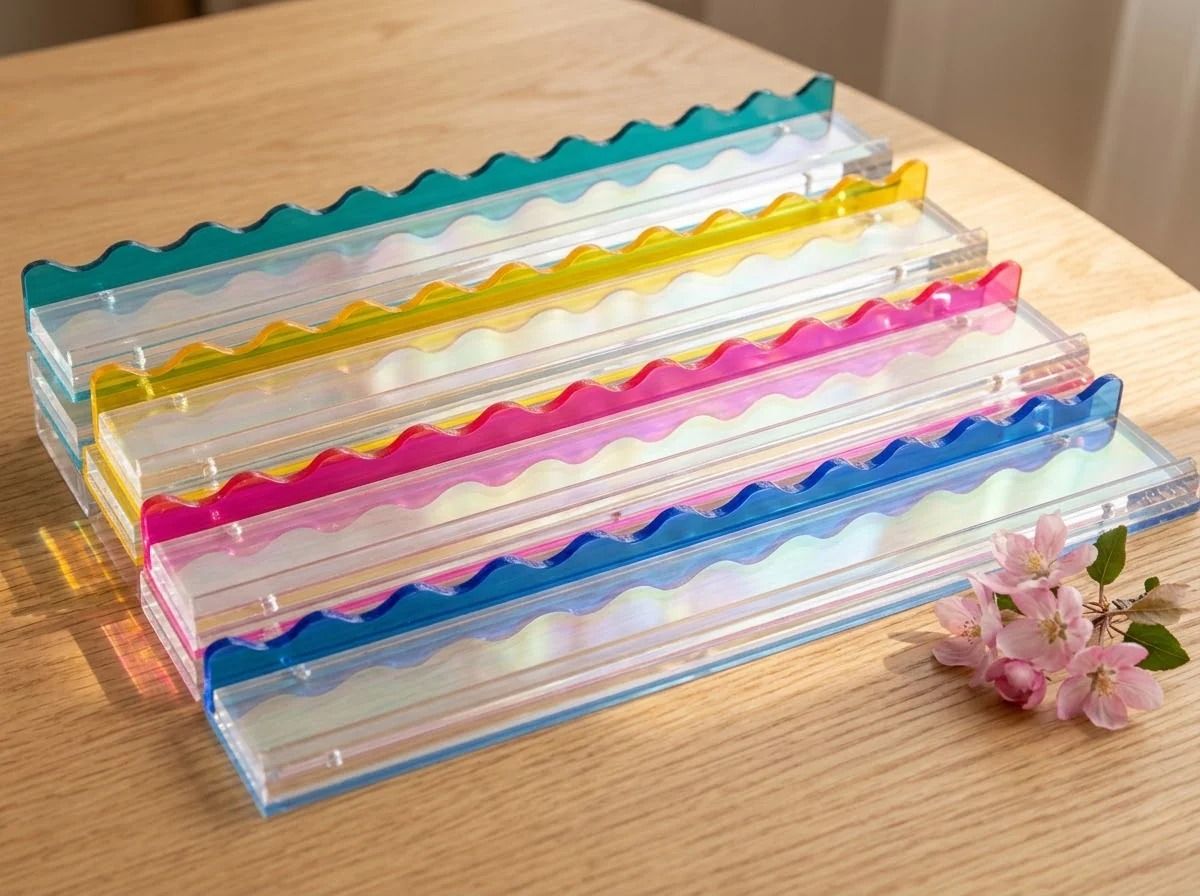
To host a complete game, you need a set of 160 tiles (152 playing tiles plus spares), a mat to protect the table and organize the wall, racks for each player to hold and display their tiles, and drawstring bags for storage and travel. A high-quality mat keeps tiles from sliding and marks the four seats, wall segments, and discard zone clearly. Individual tile racks with pushers help newer players organize their hand without fumbling. A durable bag protects your set if you transport it between homes or to clubs. Mahjong mats offers several sizes and designs; mahjong racks with pushers covers all the styles we sell; and mahjong bags and cases shows durable storage options for sets of any design.
Our best-selling mahjong sets include acrylic tiles and engraved designs that make tile recognition fast and fun. Many players start with a durable set and add a custom mat or engraved tiles later as they commit to hosting regular games.
🎁 See our most-loved mahjong sets & accessories →
What mistakes do new players make most often?
New players often confuse the hand card with the actual gameplay—they try to play sequences (chows), which American mahjong forbids entirely. They also forget that jokers can never form a pair or substitute for the White dragon. Another common error is holding fewer or more than 14 tiles and then declaring mah jongg too early, which forfeits the win. Many beginners discard without thinking about what opponents might need, handing away tiles that complete a nearby hand. Finally, players sometimes use an outdated or unofficial card and then discover their "winning" pattern is not valid that season. Always confirm you have the current year's card, count your tiles carefully, and ask a more experienced player to verify your hand before you announce it.
How long does a real game take, and when should you stop?
A single round of American mahjong typically takes 10–20 minutes, depending on player experience and decision speed. A full game is eight rounds; wind and round order determine when you rotate and when the game ends. New players should plan for 2–3 hours for a complete eight-round game, including setup, the Charleston, and scoring between rounds. Casual home groups often play fewer rounds or stop when one player reaches a point target. Tournaments use official timing and strict round limits. Start with an eight-round game at your first session to learn the full structure; later, you can shorten to four rounds if time is limited.
What to check before you buy
Tile quality: Acrylic tiles resist scratches and fading; check reviews or photos for chip-resistance.
Mat size: A standard mat fits a 36–40-inch table and seats four comfortably. Measure your table before ordering.
Racks and pushers: Ensure the racks are tall enough to hide your tiles from opponents and that pushers separate tiles cleanly.
Storage: A padded bag protects tiles during transport and keeps sets organized at home.
Card access: Confirm you have the current year's National Mah Jongg League card before your first game.

FAQ
Can I play American mahjong with three people instead of four?
Yes. 2 and 3 player mahjong rules covers the wall adjustments and tile-draw modifications required. The core hand-matching rules stay the same, but the wall size and discard strategy change.
What's the difference between American and Chinese mahjong?
American mahjong uses 152 tiles, plays only from the official hand card, and allows jokers. Chinese mahjong uses 136 tiles, permits chows (sequences), has no hand card, and no jokers. American mahjong is rule-heavy but strategy-light; Chinese is the reverse. Both are equally fun.
How do I score points after I win?
Scoring in American mahjong depends on the pattern you played and bonus conditions (which dragon, which wind, self-drawn vs. called, etc.). American mahjong scoring explains the point table and why different patterns award different values.
Do I need an expensive set to learn the game?
No. Any 160-tile set with clear tile markings works for learning. Acrylic sets last longer than plastic and resist staining, but a beginner set will teach you the rules just as well. Upgrade later if you host regularly.
Where can I find other players or a club near me?
Community centers, libraries, synagogues, and country clubs often host mahjong groups or can direct you to them. Online meetup boards and social media groups also connect local players. Attend a beginner session before joining a competitive club.
Can I use last year's hand card, or do I need the newest one?
You must use the current year's card issued by the National Mah Jongg League each spring. Last year's card has different patterns and will cause rule disputes. Always confirm before you play.


View More
View More
View More
