
American Mahjong Probability and Odds: Patterns, Drawing Rates, Tips
Last updated: Nov 23, 2026
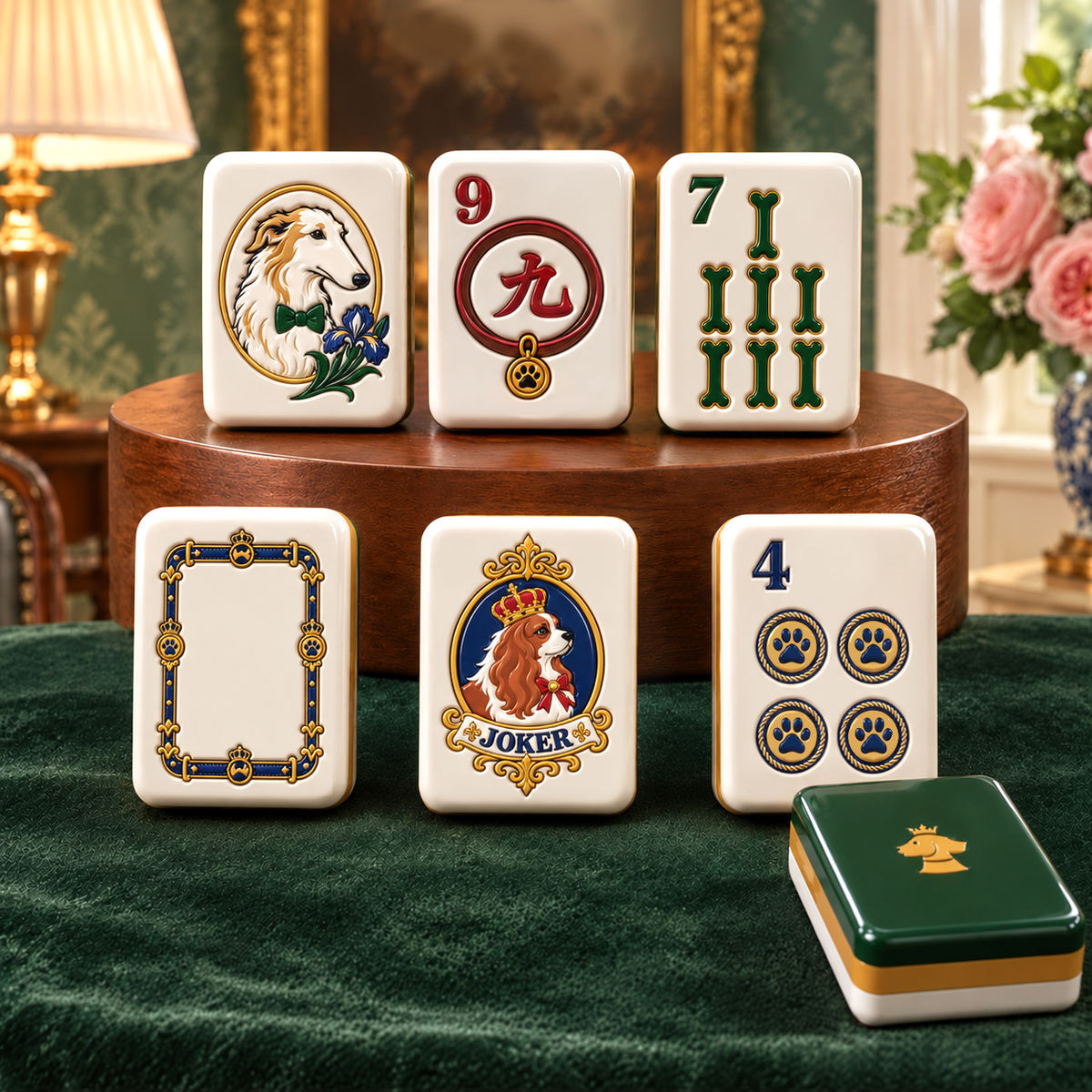
In American mahjong, you begin with 13 tiles and draw from a 152-tile wall; with 8 jokers in play, roughly 5% of draws are jokers on average. Any specific tile face (e.g., 5 Craks) appears exactly 4 times, so your odds of drawing one specific tile from the remaining wall depend on how many are still unseen—typically under 3% per draw in mid-game. Hand-completion odds depend on which hand section you're pursuing on the National Mah Jongg League card: patterns needing only one or two tile types (like simple pungs) run 15–25% odds of completing within the next 4–6 draws, while complex hands needing three or more specific tile combos drop to 5–12%. Smart players discard unpaired tiles early and hold joker-heavy patterns longer because jokers are rare; unseen tiles and your position in the turn order also shift odds moment by moment.
Why does the American mahjong wall have exactly 152 tiles?
The 152-tile standard in American mahjong creates a mathematical balance: three suits (Bams, Craks, Dots) each numbered 1–9 with four copies equals 108 tiles; 16 winds (4 each: N, E, W, S) plus 12 dragons and 8 flowers add 36 more. This setup ensures every tile face appears exactly 4 times. The 8 jokers are drawn separately and do not replace tiles—they stay in play as wildcards. A complete 152-tile set means the wall distributes evenly across roughly 17 draws per player before reshuffling (if a game reached that stage). This design prevents any single tile or suit from becoming statistically dominant and keeps hand-completion odds relatively balanced across different hand patterns throughout a game.

How do joker odds shift your strategy mid-game?
Jokers comprise roughly 5% of all drawable tiles at game start (8 in 160 playable positions), but their draw probability changes as the game progresses and jokers are exposed in melds. If two jokers have already been used in exposed pungs or kongs by turn four, only six remain in the wall—lowering the odds of drawing a fresh joker to under 4%. Players holding joker-dependent hand patterns (pung triplets, quints, or complex exposures) should prioritize drawing early when joker odds are highest; conversely, players pursuing hands that require exact tile sequences with few or no jokers should wait longer and discard more jokers early to preserve their own hand clarity. How jokers work covers exposure rules; strategically, treat visible jokers as scarcity signals—if you see three jokers on the table, your unread odds for the fourth just improved.
🀄 Shop best-selling mahjong sets →
What is the probability of completing a hand within four draws?
Completion odds within four draws depend entirely on your hand pattern type and how many tile faces you still need. A simple pattern requiring just two tile types (e.g., three 5 Craks and three 7 Dots) has roughly 18–25% odds if all four copies of each are unseen; if one 5 Crak has been discarded, odds drop 5–8%. A complex pattern needing five or six different tile faces drops to 5–12% over the same window. Players often misjudge this by counting how many tiles would work rather than how many draws remain before another player goes out. With four players and a 15-second average per turn, you have perhaps two or three meaningful draws before someone else may complete and end the hand—so odds of you going out before turn end matter more than raw completion probability. This is why position at the table matters: players near the discarder (who just threw a tile) have fewer safe draws before the next player acts.
How does seeing a discard affect your remaining-tile odds?
Every discard updates your odds by removing one tile from the unknown pool. If someone throws a 5 Crak and you were tracking 5 Craks for your hand, you now know only three of the original four remain—raising your odds of drawing a 5 Crak from ~3% to ~4% (from 3 in ~150 unseen to 3 in ~149). Conversely, if they discard a tile you don't need, it doesn't help you directly but it reduces the total unseen pool by one, slightly improving odds for every other tile proportionally. Skilled players track live discards from all three opponents and update their mental probability model with each turn; this discipline is called "reading the discard pile." A complete read after 10 discards—memorizing which tiles are gone—can shift your hand-completion odds by 3–7% by revealing which suit is running short or which dragon has been blocked. How to read the mahjong card teaches pattern recognition; tracking discards teaches tile math.
Should you hold unpaired tiles or discard them early?
Discard unpaired tiles early—this is a cardinal rule backed by probability. An unpaired tile (a single Bam, Dragon, Wind, or Flower not matching your hand pattern) has zero odds of helping you and three or four odds of helping an opponent if they snag it. On your first or second turn, discard the orphan tile immediately. Holding unpaired tiles costs you two things: (1) draw slots that could hold matching tiles, and (2) safety—discarding an orphan signals it's safe and reduces the table's defensive pressure. By turn three, you should discard your second-least-useful tile; by turn five, nearly all your 13 tiles should be working tiles that fit at least one hand pattern on the current year's card. The math is simple: if a tile has zero in-hand value, its probability of becoming useful is bounded by whether it can join a future hand pattern you'll pursue—almost always lower than 10%, versus a 15–30% chance an opponent needs it immediately.
Quick Decision Framework: Keep or Discard?
Tile type | Hand need? | Exposed on table? | Turn in game | Action |
Orphan (not in any active pattern) | No | No | 1–2 | Discard now |
One-of-a-kind needed tile | Yes | No | 3–4 | Hold; risky |
Duplicate (two of same tile) | Yes | No | 1–5 | Hold; keep building |
Joker | N/A (wildcard) | No | Any | Hold until forced |
Tile matching exposed pung | Possibly | Yes | 4+ | Usually safe to hold |

How does player count affect tile-drawing odds?
With four players, the wall shrinks fastest—roughly 13 tiles drawn per complete round. With fewer players (two or three), the wall lasts longer and odds of completing complex hands improve slightly because you get more draws before the hand ends. A four-player game with four jokers exposes roughly one joker per five discards; a three-player game exposes one per six discards, raising joker scarcity in the shorter pool. 2 and 3 player mahjong rules covers structural changes; the mathematical consequence is that two-player mahjong favors players with flexible hand patterns (multiple eligible patterns on the card per hand draw), while four-player favors aggressive early discards and tight pattern focus. Odds shift by roughly 5–10% depending on final player count, so recalibrate your discard strategy if the table shrinks mid-session.
🎁 See our most-loved mahjong sets & accessories →
What is the math behind tile distribution within a 160-tile set?
A 160-tile set contains 152 playing tiles (the full standard hand) plus 8 spare tiles—typically extra jokers and blanks. Every suit tile (Bams, Craks, Dots 1–9) appears exactly 4 times: 36 tiles per suit, 108 total. Winds appear four times each (16 total); dragons four times each (12 total); flowers twice each (8 total). Jokers (8) do not replace any tile—they exist outside the primary distribution. This mathematically rigid distribution means you can calculate exact odds for any scenario: if you've seen two 5 Craks discarded and none in your hand, exactly two 5 Craks remain in the unseen wall. What's in an American mahjong set details the exact count; for odds calculation, the key insight is that no tile is rarer than any other—scarcity comes only from position (unseen vs. discarded) and use (in hand vs. exposed).
How do exposures (melds) on the table change win probabilities?
Each exposed pung, kong, quint, or sextet removes four to six tiles from the remaining pool, reducing both your completion odds and your opponents' odds proportionally. If Player 2 exposes three 7 Dots (a pung), one fewer 7 Dot remains to draw; if Player 3 exposes four 3 Bams (a kong), all 3 Bams are gone and your odds of completing a hand using 3 Bams drop to zero. This is why exposures reveal information: if you need four 2 Craks and someone exposes a pung of 2 Craks, you now know at most one 2 Crak remains (the unexposed fourth copy). Strategic players use exposures to narrow down threats and adjust discard safety. An exposure mid-game typically shifts overall win probabilities by 3–8% depending on how many players need the exposed tile type. The player closest to winning benefits most because they have the fewest unseen tiles remaining to identify.
What common odds mistakes do new players make?
Mistake 1: Counting only one copy of a tile when calculating draw odds. New players often think "I need a 5 Crak" and forget four exist; if one is discarded, three remain—your odds aren't halved, they drop from ~0.67% to ~0.5%. The difference seems small but compounds across 10 draws.
Mistake 2: Assuming joker scarcity means holding them forever. Jokers are rare, yes—but holding an unneeded joker ties up a hand slot and signals to opponents you're close to winning (giving them reason to play defensively). Release jokers strategically, not hoarded.
Mistake 3: Ignoring discard pile reads. A full discard read after eight turns can reveal whether one suit is blocked, improving your odds for the other two suits by 4–6%. Tracking live is the fastest edge over casual players.
Mistake 4: Overweighting recent draws. If you've drawn three Dots in a row, your odds of drawing a fourth Dot next are not higher—it's still ~0.67% (or the same as any other single tile). The "hot tile" feeling is cognitive bias, not math.
Mistake 5: Playing hands that need five or more different tile faces after turn four. Once four or five other tiles have been discarded, your odds of completing a seven-tile complex pattern drop below 8% in the remaining draws before someone else wins. Pivot to simpler patterns or fold mentally.
✨ Find your Mahstead set — free US shipping →
What to check before you buy
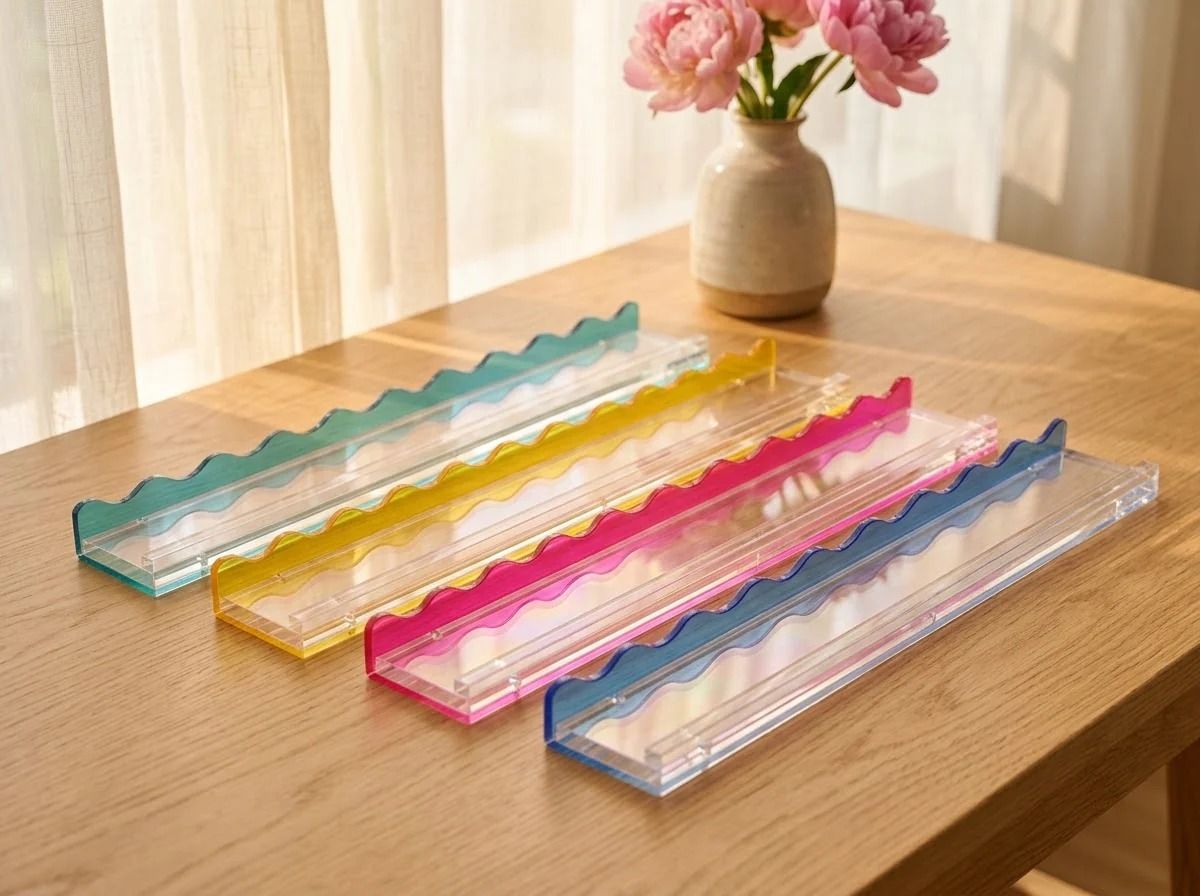
When you purchase an American mahjong set to practice odds and strategy at home, verify it contains exactly 152 playing tiles (plus spares). Sets sold as 160 tiles include 8 spares and are standard; confirm the count matches the product listing. Check that all four copies of each tile face are present—defects happen rarely, but a missing tile skews odds calculations and gameplay. Ensure jokers are clearly marked (usually with a joker face or symbol) so you can track them separately during odds practice. If you're hosting weekly games where multiple players will study probability, mahjong sets from our best-selling collection are durable and come with consistent tile counts. A set with engraved titles or themes works equally well for odds work; the math is identical. Pair your set with a quality mat so tiles stay organized and discard piles remain readable for tracking—a clearer table surface directly improves your ability to read discards and calculate live odds accurately.
FAQ
Do I need to memorize the entire discard pile to calculate odds mid-game?
No. Tracking the last 8–12 discards and the most-recent suit patterns is enough to shift odds 3–7% in your favor. Focus on which tile faces have not appeared yet—those are your highest-probability draws.
Is holding two jokers in hand ever a good idea?
Only if both fit your active hand pattern (e.g., two quint slots that need two jokers each). Holding two loose jokers signals you're close to winning and invites defensive discards; usually better to use one and release the other early.
Does the player who discards first each round have a probability advantage?
Not directly. The discarder sets the tone (their orphan tile is safest), but the player three positions after the discarder has the longest window before the next hand cycle and often best odds of drawing specific tiles first.
How much does player skill in tracking reduce the house odds?
A skilled tracker can improve win rate by 5–12% over casual players in the same game because they discard more safely and recognize blocked suits earlier. Tracking is the single largest edge in American mahjong.
Can I use probability theory to predict which hands will complete fastest?
Partially. Hands needing two or three tile types complete faster (~18–25% in 4 draws) than hands needing six types (~5–8%). On the card, focus on simple patterns early and save complex hands for late-game pivots only if they're still viable.
What's the difference between odds and outs in mahjong?
Odds are the raw percentage chance of drawing a specific tile (e.g., 0.67% for any single 5 Crak from a full wall). Outs are the count of tiles that would help your hand (e.g., "I have 8 outs" = 8 different tile faces would complete one of my patterns). Outs → odds via the wall size.


View More
View More
View More
