
Mahjong Lessons in Fort Lauderdale: Where to Start
Last updated: Nov 23, 2026
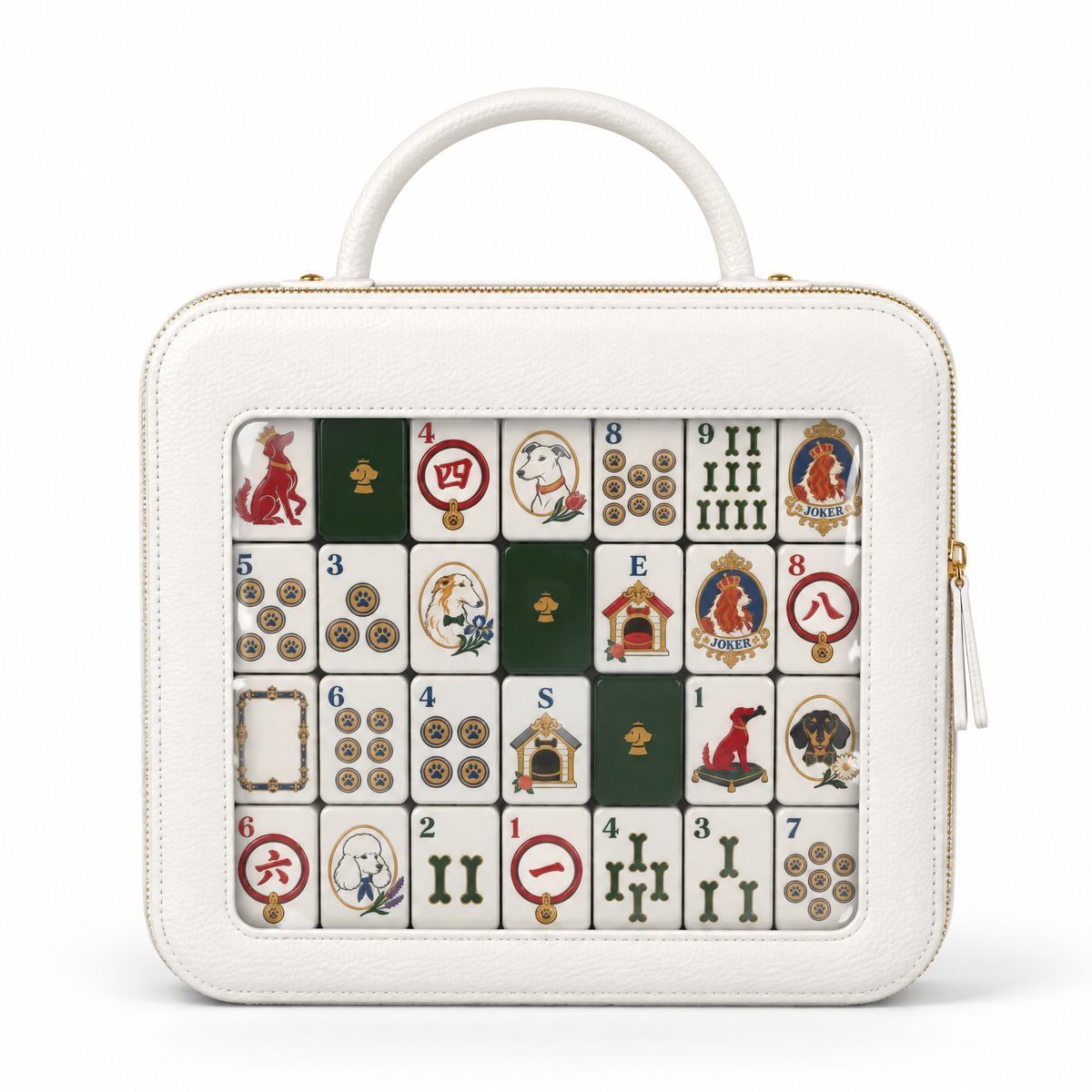
Fort Lauderdale residents can find mahjong lessons through community centers, libraries, synagogues, country clubs, and private instructors—search local meetup boards and Facebook groups to identify active teachers in the area. Most beginner courses run 4–8 weeks and cover tile identification, hand-reading, the Charleston passing ritual, and basic winning combinations from the National Mah Jongg League card. Expect to pay per-class fees that vary by teacher and venue; inquire directly with instructors. Before your first lesson, own a complete American mahjong set with 152 playing tiles, 8 jokers, a mat to protect the tile layout, and a copy of the current-year League card.
Where Do Fort Lauderdale Players Take Lessons?
Your best sources are community recreation centers, public library programming, Reform and Conservative synagogue adult education, country club social committees, and private teachers advertising on Meetup, Facebook groups, or Nextdoor. Visit or call the main Fort Lauderdale community center and library branches and ask their activities coordinators about mahjong classes or clubs; many run beginner sessions in fall and spring. Country clubs in the area often host weekly games and may offer informal instruction to members. Online, search "mahjong lessons near me" plus your ZIP code, or ask in South Florida mahjong Facebook groups—active players will point you to vetted teachers.

What Will Your First Lesson Cover?
A solid beginner class teaches tile names (Bams, Craks, Dots, Winds, Dragons, Flowers), hand structure on the current-year League card, the Charleston (pre-game tile exchange), how to form and claim exposed sets (pungs, kongs, quints), and how jokers work in combinations. Most teachers walk through a simple winning hand step-by-step, then play practice rounds with real tiles to build pattern recognition. You'll learn scoring basics but won't need to memorize all point values immediately. Expect handouts or references to the National Mah Jongg League card, which you must own.
🀄 Shop best-selling mahjong sets →
How Many Lessons Before You Can Play?
Most players are functional—able to read a hand, follow suit, and avoid rule breaks—after 4–6 two-hour lessons. Real comfort with hand-reading and strategy often takes 8–12 weeks of weekly play after initial instruction. A weekly game at home accelerates learning far more than once-a-month lessons; players who practice weekly move from "following along" to "calling hands confidently" within 6–8 weeks. Don't expect to master scoring or advanced hand selection quickly—American mahjong rewards repetition over memorization.
What Should You Own Before Lessons Start?
You'll need a complete 152-tile American mahjong set, a mat to define the play area and protect tiles, the current-year League card, and ideally racks with pushers to organize your hand neatly. A quality engraved set with acrylic tiles stays readable after hundreds of games and won't chip like cheaper plastics. A padded mat quiets the click and rattle of tiles and makes calling hands easier because everyone can see tile placements clearly. Racks with pushers let you sort tiles by suit while keeping your hand hidden—essential etiquette once you're past the absolute beginner stage. Check the League card at mahjonggcard.com (issued every spring) so you know what hands are legal this year.
🎁 See our most-loved mahjong sets & accessories →
Decision Framework: Lesson Types and What They Teach
Lesson Type | Best For | Typical Length | Takeaway |
Community center classes | Budget-conscious learners, social environment | 4–6 weeks, 2 hrs/week | Rules, basic hands, game flow |
Library workshops | Casual interest, city residents | 1–2 sessions | Tile names, overview, motivation to join a group |
Private teacher (1-on-1) | Fast learners, specific rule questions | Flexible (4–8 hours total) | Personalized pace, strategy focus, confidence |
Synagogue/country club groups | Longtime commitment, community belonging | Ongoing weekly games after intro | Deep strategy, hand history, real score tracking |
Online video courses + home study | Self-directed learners, busy schedules | Self-paced (4–10 hours) | Rules and League card reading; lacks live feedback |
Common Beginner Mistakes to Avoid
Mistake: Trying to memorize every hand on the League card before playing. Reality: You'll recognize hand patterns after 20–30 games; flashcards waste time early on.
Mistake: Using cheap plastic tiles or a kitchen table instead of a mat. Reality: Tiles crack, slide unpredictably, and create confusion; a mat costs little and eliminates frustration.
Mistake: Playing without the current-year League card or using an outdated card. Reality: Hands change every spring; an old card teaches illegal hands. Get the new card before lesson one.
Mistake: Not organizing your tiles with a rack. Reality: Hidden hands prevent cheating and speed play. Racks are not luxury—they're functional.
Mistake: Skipping the Charleston or rushing it. Reality: The tile exchange is part of the game's balance. Sloppy Charlestons lead to arguments and unfair advantages.

Setting Up Your Home Mahjong Practice Space
After your first few lessons, you'll want to host a weekly game. Dedicate a table (at least 36 inches square) with good overhead or task lighting so all players can see tiles clearly. A quality mat marks the play zone and quiets tiles; stack tiles neatly along the mat edges so they don't scatter. Store your tiles in a padded bag or case to keep them clean and organized between games. Keep the current-year League card, a pen, and a small notebook for scoring at the table. Once you're hosting, your learning accelerates—teaching new players forces you to clarify rules you half-understood, and regular play embeds hand patterns into your memory.
How Instructors Teach Hand-Reading and the League Card
Teachers typically start with the League card basics—the card lists all legal winning hands grouped by type (Like Hand, Consecutive Run, Pair, Seven Pairs, etc.). A good instructor shows you how to read one section at a time, then walks you through claiming a hand from that section during a real game. They'll emphasize that in American mahjong, you can't make up hands; every winning combination must appear on the card. This constraint is what makes the card so important. After 3–4 weeks, you'll start spotting hands during play without looking at the card every time. By week 8, you'll recognize a third of the season's hands at a glance.
Why Your First Set Matters: Durability and Readability
When you own a set, you learn faster because tiles feel familiar in your hand. Cheap tiles wear unevenly, making some tiles hard to read and others slippery. Engraved acrylic sets from quality makers stay crisp and readable after 200+ plays, so you're not squinting or fumbling. Your teacher will likely play with a good set too—if your tiles feel drastically different from theirs, it's a distraction. Buy once and play for years; it's the single best investment for a new player.
✨ Find your Mahstead set — free US shipping →
What to Check Before You Buy Equipment
Set completeness: Confirm the set includes 152 playing tiles + 8 jokers and no blanks mixed in play tiles.
Tile size and weight: Tiles should feel substantial (not flimsy) and be readable from 2 feet away when seated.
Mat dimensions: Measure your table; most mats are 36"–48" across. A mat should fit your table without overhang.
Rack capacity: Confirm racks hold at least 19 tiles (for your hand after draws) without jamming.
Bag durability: If traveling to lessons, check that the bag's zippers and seams are reinforced—tiles are heavy.
Instruction included: Many sets ship with a quick-start guide; it's not a substitute for a teacher but helps in a pinch.
Next Steps: From Lesson to Weekly Game
Attend your first lesson and take notes on tile names, the Charleston sequence, and one winning hand.
Play at home with a friend or family member for 2–3 practice rounds using the League card.
Return to a second lesson and ask about rule edge cases you hit during practice.
Attend weekly lessons or a league game for 6–8 weeks to build confidence.
Start hosting a home game with 3–4 other learners; rotate who teaches rule questions.
Refresh your set and mats after 50+ plays if tiles show wear (most quality sets last 100+ games).
A beginner who takes lessons weekly and plays at home afterward will move from "following along" to "confidently reading hands" in about 10–12 weeks. The key is consistency and surrounding yourself with patient, experienced players.

FAQ
What's the cheapest way to learn mahjong in Fort Lauderdale?
Community center classes are typically the lowest-cost option, often running per-class fees that total less than hiring a private teacher. Public libraries sometimes offer free or low-cost introductory workshops too. Always confirm the instructor uses the current-year League card.
Do I need to own my own set before taking lessons?
Ask your instructor first. Some teachers provide loan sets or expect students to own one; others have spares. Owning a set accelerates learning because you can practice at home, which most instructors recommend by week 3.
How long until I can join a regular game?
After 6–8 weeks of weekly lessons and home practice, most players are ready to join a beginner game or host one themselves. You won't play perfectly, but you'll know the rules and be able to read basic hands.
Is American mahjong harder than Chinese mahjong?
American mahjong is actually more rule-constrained—you can only play hands from the current-year League card, which eliminates improvisation but makes learning linear. Chinese mahjong allows more hand types but is less standardized. If you're learning American, stick with American resources and the League card.
Should I buy a beginner set or a fancy one?
A quality mid-range set (acrylic tiles, clear markings, sturdy racks) serves you for years of weekly games. Fancy sets with jade or bone are beautiful but don't play better. Buy a set with 152 tiles, readable markings, and a padded mat; avoid blank tiles and mismatched jokers.
What's the National Mah Jongg League card and why do I need it?
It's the official annual rulebook listing every legal winning hand for American mahjong. The card changes every spring. Without it, you can't tell a legal hand from a mistake. Every player must have the current year's card; print one or buy a laminated copy.
Can I learn mahjong from YouTube videos alone?
Videos teach the rules and tile names, but they don't teach you to read hands from a deck or handle live player disputes. Real lessons with a teacher accelerate learning by weeks because a teacher corrects mistakes immediately and answers questions.


View More
View More
View More
