
2 Bam Mahjong Tile: Meaning, Rules & Why It Matters
Last updated: Nov 20, 2026
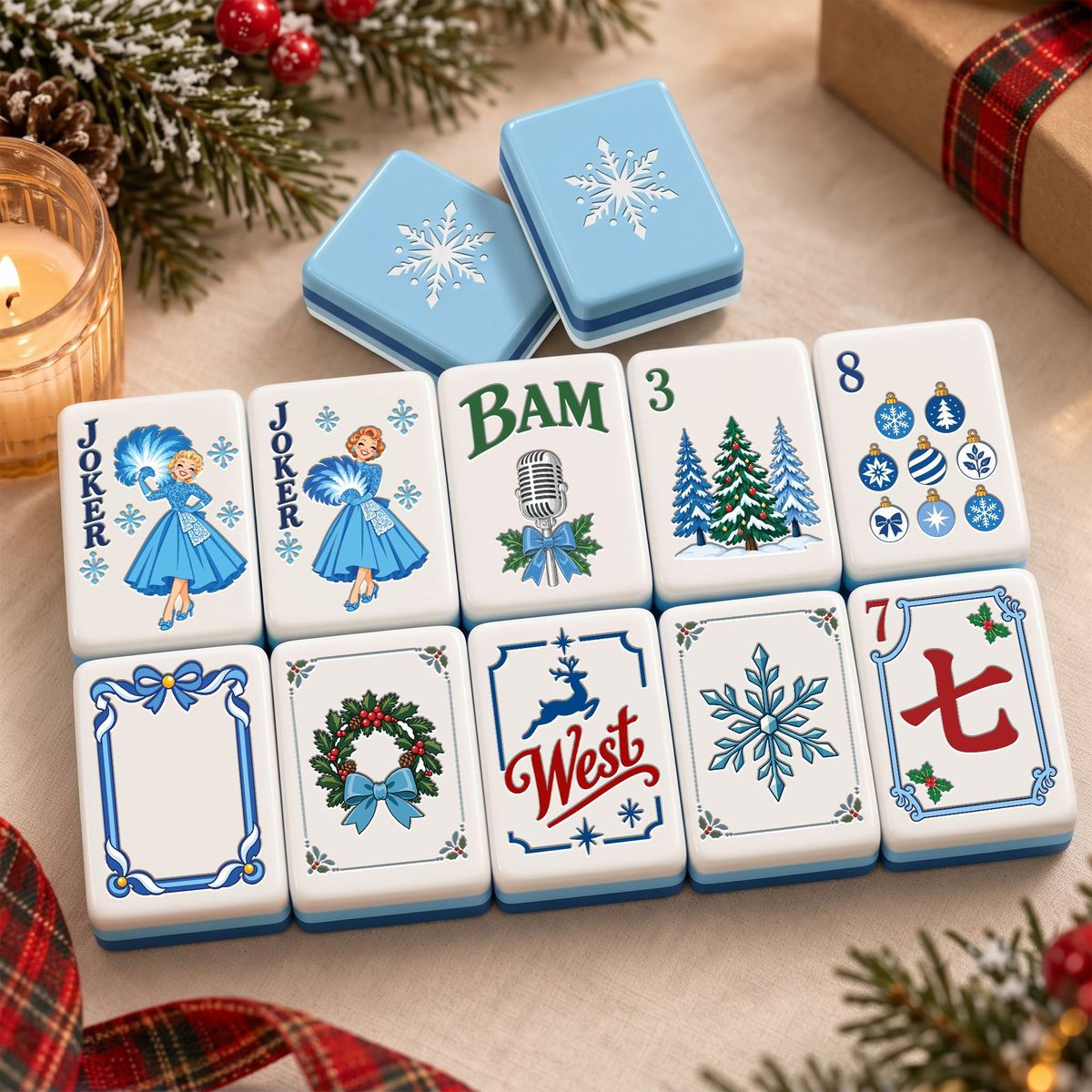
The 2 Bam is the second-ranked tile in the Bam suit (Bamboo), one of three number suits in American mahjong. Each American set contains exactly four identical 2 Bams, matching the rule that every numbered tile appears in four copies. On the tile face, you'll see two bamboo stalks or circles representing the number. In hand-building, the 2 Bam can form pungs (three identical 2 Bams), kongs (four), or be part of mixed-suit groups. Unlike Chinese variants, American mahjong has no sequences or chows—tiles don't flow across number ranges. The 2 Bam holds no special power; it's valued by position on the National Mah Jongg League card each year. Sets from Mahstead and other makers print the 2 Bam clearly so players can identify it instantly, crucial when the timer runs down or eyes grow tired during a long game.
The 2 Bam is one of nine number tiles in the Bam suit (Bamboo), one of three number suits in American mahjong. Each American set contains exactly four identical 2 Bams, matching the rule that every numbered tile appears in four copies. On the tile face, you'll see two bamboo stalks or circles representing the number. In hand-building, the 2 Bam can form pungs (three identical 2 Bams), kongs (four), or be part of mixed-suit groups. Unlike Chinese variants, American mahjong has no sequences or chows—tiles don't flow across number ranges. The 2 Bam holds no special power; it's valued by position on the National Mah Jongg League card each year. Sets from Mahstead and other makers print the 2 Bam clearly so players can identify it instantly, crucial when the timer runs down or eyes grow tired during a long game.
What does "2 Bam" actually mean in tile form?
The 2 Bam is a numbered tile belonging to the Bam suit (also called Bamboo or Sticks). The numeral 2 appears on the tile face, usually depicted as two bamboo stalks, two circles, or two graphic elements depending on tile design. It's one of nine ranks in the Bam suit—from 1 Bam through 9 Bam—making it neither rare nor powerful on its own. In what's in an American mahjong set, each number-tile rank appears exactly four times, so a standard deck includes four 2 Bams. This uniformity ensures balanced, predictable play across the game.
How does the 2 Bam differ from the 2 Crak and 2 Dot?
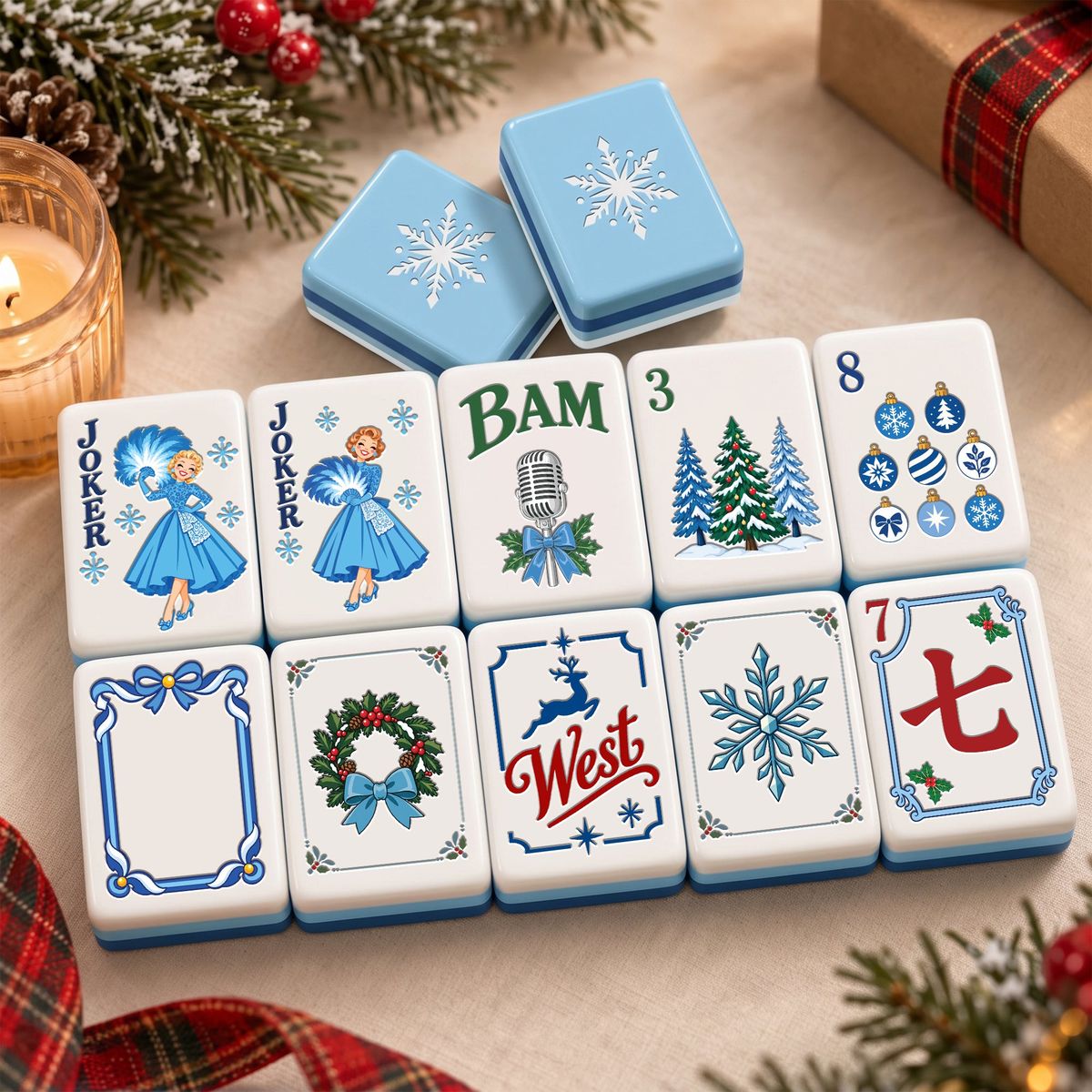
All three suits—Bam, Crak, and Dot—contain a "2" tile, but they are completely distinct and never interchangeable. The 2 Bam shows bamboo imagery (stalks or circles), the 2 Crak displays a character or cracked symbol (from Chinese classical iconography), and the 2 Dot features two solid dots or circles. On a well-designed tile like those in our best-selling mahjong sets, each suit uses contrasting colors and iconography: Bams often appear green or brown, Craks red or orange, and Dots typically white or natural acrylic. During play, you must distinguish these suits instantly to validate your hand against the card. A pung requires three identical tiles (three 2 Bams, not three "2"s across suits), so suit confusion leads to illegal melds.
Can you use a 2 Bam in a sequence or run?
No. American mahjong does not allow sequences, chows, or runs of any kind. This is a fundamental difference from Chinese, Hong Kong, and Riichi variants, which permit tiles in numerical order (like 1-2-3 or 7-8-9 within the same suit). In American mahjong, the 2 Bam can only appear as part of a pung (three 2 Bams), kong (four 2 Bams), quint, sextet, or in honor combinations. The tile's value and legality depend entirely on the hand pattern listed on that year's National Mah Jongg League card. This constraint keeps American play tighter and card-driven: you cannot improvise; you must match the card exactly.
What hands actually use the 2 Bam?
The 2 Bam appears in dozens of hands each season, depending on the National Mah Jongg League card issued that spring. It might anchor a pung section, combine with 2 Craks and 2 Dots in an honor group, or sit within a quint of mixed tiles. Because the card rotates yearly, the specific hands change; we never see the same 100+ patterns twice in a row. To find hands using the 2 Bam, you must consult the current year's card and scan for "2" entries in the Bam column. How to read the mahjong card walks you through the layout and notation. Many hands also pair 2 Bams with other low or middle-rank Bams (2–4 or 2–5), so learning to spot these clusters helps you call tiles faster when declaring a win.
🀄 Shop best-selling mahjong sets →
Why tile design clarity matters when reading the 2 Bam
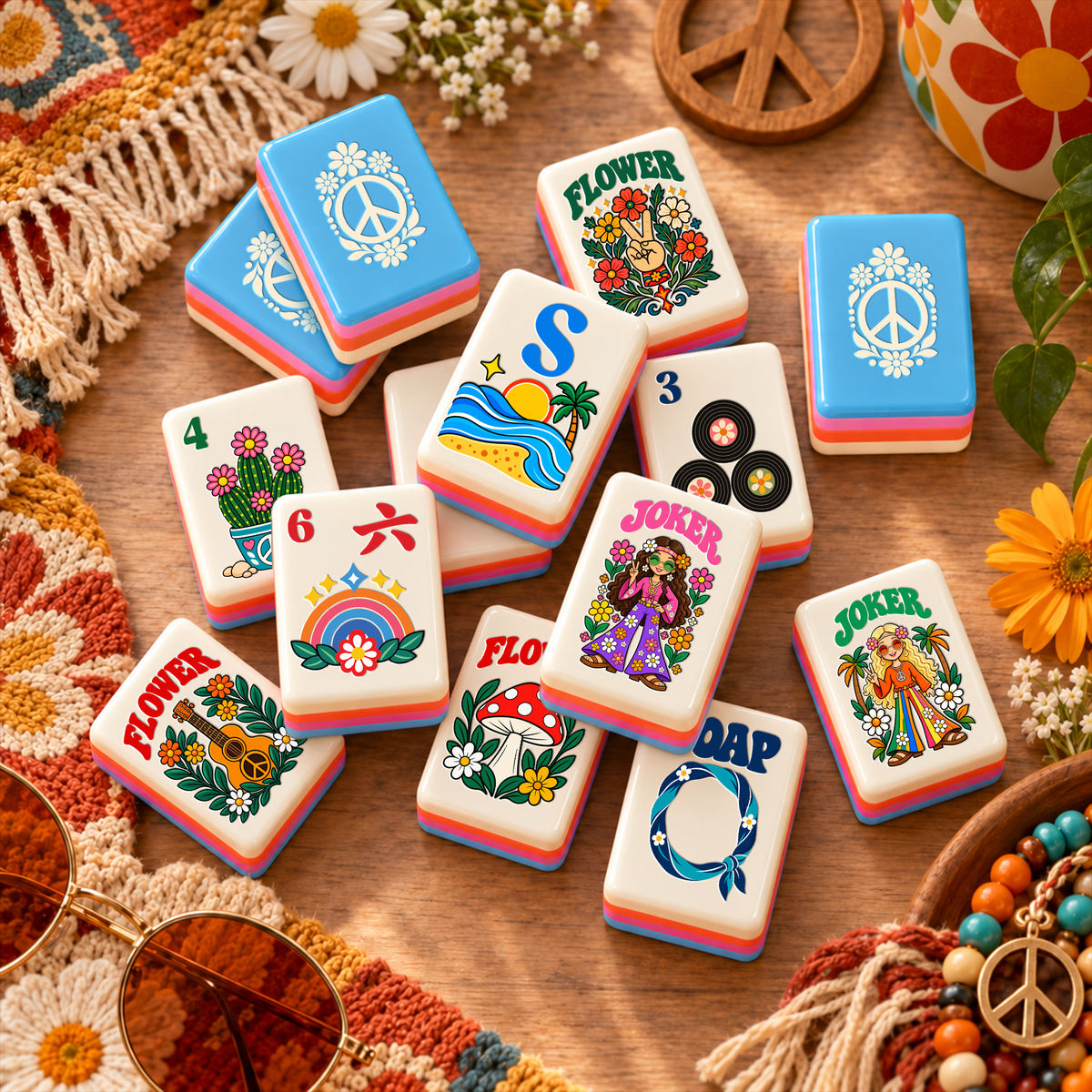
During a game, you have seconds to identify tiles as they move across the table. A poorly printed or ambiguous 2 Bam (one where the symbol is faint, the suit color is muddy, or the face is crowded with detail) can cost you a discard decision or slow a pung call. That's why we focus on legible engraving and strong color separation in our engraved American mahjong sets. Clear tile faces mean you can glance at your rack, then at a drawn tile, and instantly know if it completes a hand. When players tire—especially in long games—readability becomes critical. Test-drive a set before a full game if you can; rotate tiles in your hand and confirm you can read every rank and suit without squinting. Acrylic tiles with deep, sharp engravings outperform faded bamboo or plastic alternatives.
Quick Tile-Identification Checklist
Aspect | What to Check |
Suit color | Bam green/brown, Crak red/orange, Dot white/natural |
Numeral clarity | "2" is sharp, centered, legible from 12 inches away |
Symbol quality | Bamboo stalks or circles distinct, not smudged |
Tile thickness | Standard weight feels solid in hand, not flimsy |
Contrast | Tile face contrasts well with background for fast reads |
A quick visual scan of your set before the first game catches design flaws early and prevents frustration mid-play.
Common mistakes players make with number tiles
Confusing suits under poor lighting. When overhead lights glare or players gather in dim conditions, the 2 Bam's green hue can blur into the 2 Dot's neutral tone, or the 2 Crak's red can wash out. Always play under bright, even lighting and ask the host to adjust if needed.
Miscounting or losing track of a tile's number. Some players rely too heavily on memory instead of reading the tile face. If you're unsure whether a discard is a 2 or 3 Bam, pick it up and look directly—one second of clarity beats a wrong call or penalty.
Mixing American and non-American rules. New players sometimes assume they can use 2 Bams in a sequence because they know other mahjong variants. Read how to play American mahjong before your first game to lock in the core rules: no sequences, card-only hands, pungs and kongs only from the suited numbers and honors.
Not learning the card layout fast enough. The faster you can scan the card and locate patterns using 2 Bams, the faster you call tiles and win. Spend 5–10 minutes before play reviewing the card—find rows with "2 Bam" in the description and visualize where those tiles sit in your rack.
What to check before you buy a set:
Test at least one tile in hand to confirm grip and readability.
Verify the set includes all four 2 Bams (count the numbered tiles in one suit if possible).
Confirm the Bam suit color (usually green or brown) is clearly distinct from Crak and Dot under your home lighting.
Check the card year on the box; purchase sets sold with the current season's National Mah Jongg League card.
If ordering online, read the product description for tile material (acrylic, bamboo, plastic) and engraving depth—deep engravings age better and remain readable.
🎁 See our most-loved mahjong sets & accessories →
How the 2 Bam fits into broader set composition
Every American mahjong set contains 152 playing tiles plus spare tiles (jokers and/or blanks). The Bam suit alone comprises 36 tiles: the 1 Bam through 9 Bam, each in four copies. The 2 Bam is thus one of 36 Bams—not unique, not privileged, but as essential as the 5 Bam or the 7 Bam. Its prevalence makes it familiar and safe to use for practice when learning to form pungs. Because you see four copies of it in every standard game, new players often recognize the 2 Bam before they learn the rarer dragons or winds. This familiarity is why we recommend it as a starting point for tile recognition in mahjong for beginners. Once you're confident identifying the 2 Bam and its suit siblings (1, 2, 3 Bam), reading the entire deck becomes faster and more automatic.
✨ Find your Mahstead set — free US shipping →
FAQ
Is the 2 Bam the same as the 2 Bamboo in other mahjong variants?
The 2 Bam (also called 2 Bamboo or 2 Stick) exists in Chinese, Hong Kong, and Riichi variants too. However, those games allow sequences using 2 Bamboo—for example, 1-2-3 in numerical order. American mahjong forbids sequences entirely, so the 2 Bam stands alone as a pung-only tile. Rules differ; tiles do not.
How many 2 Bams are in a complete American mahjong set?
Exactly four. Every number-tile rank (1–9) in every suit (Bam, Crak, Dot) appears in four copies. A 152-tile set used in play contains all four 2 Bams; sets sold as 160-tile sets include spare tiles (extra jokers and/or blanks) but the four playing 2 Bams remain the same.
Can I use a joker to replace a 2 Bam in a pung?
Yes, within the rules of the hand on the card. Jokers are wild and can substitute for any tile in an exposed pung, kong, quint, or sextet—but only if that specific hand pattern permits joker use. Check the card; if the hand shows a joker symbol in place of a 2 Bam, you may play a joker there. Jokers cannot be used to replace single tiles or pairs.
What if my 2 Bam tile is broken or unreadable?
Stop play immediately and inform the host or scorer. A damaged tile cannot be trusted during official play. Most sets sold today (including acrylic sets) include spare tiles for this reason. Swap the broken 2 Bam for a spare and continue. If no spare is available, pause and contact the league or rule keeper for guidance.
Why does my 2 Bam look different from my friend's 2 Bam if we both have American sets?
Tile design varies by manufacturer and year. Some sets show bamboo stalks, others show dots or stylized symbols. All are correct—American rules do not mandate a single design. The color and numeral "2" are what matter. Different tile aesthetics are why many players choose engraved or custom sets that match their taste or group theme.


View More
View More
View More
