
Addition Section of the Mahjong Card Explained
Last updated: Nov 23, 2026
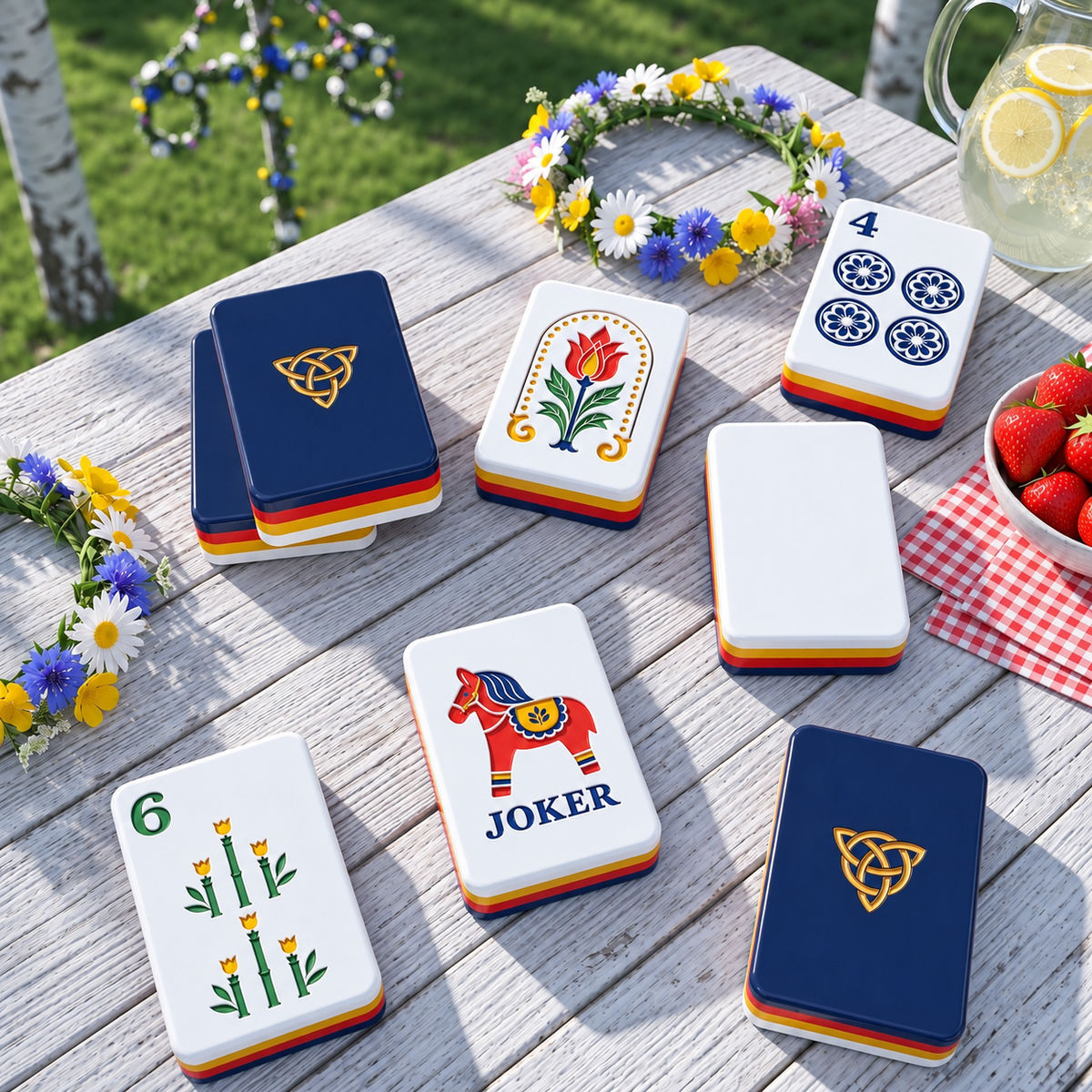
The Addition section contains hands where you start with a core group—usually a pung, kong, or pair—and add one or more tiles to complete the hand. These hands appear in a dedicated section of the current year's National Mah Jongg League card, separated visually from Consecutive Run and Like Number hands. Each Addition hand shows the base group and the specific tiles or patterns you must add (often marked with a plus sign or arrow). Unlike Consecutive Run hands, Addition hands do not require tiles in numerical order; the added tiles follow the pattern shown on the card exactly. To use an Addition hand, you must first identify the base group in your rack, then verify you hold all the tiles needed to complete the addition requirement. The card changes every spring, so you must use only the current year's card to declare a winning hand.
The Addition section of the National Mah Jongg League card lists hands where you start with a base group—usually a pung, kong, or pair—and add one or more tiles to complete the hand. These hands appear in a dedicated section of the current year's card, separated visually from Consecutive Run and Like Number hands. Each Addition hand shows the base group and the specific tiles or patterns you must add (often marked with a plus sign or arrow). Unlike Consecutive Run hands, Addition hands do not require tiles in numerical order; the added tiles follow the pattern shown on the card exactly. To use an Addition hand, you must first identify the base group in your rack, then verify you hold all the tiles needed to complete the addition requirement. The card changes every spring, so you must use only the current year's card to declare a winning hand.
What does "addition" mean on the mahjong card?
Addition hands combine a fixed base group with additional tiles or patterns you must add to win. The card shows exactly what base group you need and what you must add to it. For instance, you might add a single tile to a pung, or add two matching pairs to a kong. The "addition" concept separates these hands from sequences or runs—there's no numerical flow required. You're simply combining two distinct components: the anchor group and the addition tiles. The card layout makes this clear through visual separation and notation.

How do you identify the base group in an addition hand?
The base group is always shown first on the card, usually as a pung, kong, or pair of identical tiles. Look for the largest or most prominent group listed; that's your anchor. For example, if the card shows "3 Red Dragons + [some pattern]," the three Red Dragons are your base. The base group must be identical tiles—all the same rank and suit. You cannot use jokers in the base pair of an Addition hand. Once you've located and confirmed you hold the base group, you then check that your remaining tiles match the "addition" requirement precisely. This two-step verification prevents confusion and speeds up hand recognition at the table.
What types of tiles can be added in an addition hand?
Addition tiles vary by hand and can include single tiles, pairs, pungs, kongs, or sequences within the context of a specific pattern shown on the card. You might add a quint (five matching tiles), or two separate pairs, or a mix. The card always shows the exact tiles you must add—never guess or improvise. Jokers can often be used in the addition tiles (depending on the specific hand), but never in the base pair of an Addition hand. Some Addition hands require all tiles to be from the same suit; others mix suits. Always cross-check the card to confirm whether jokers are allowed and whether you must match suit. This precision is what makes Addition hands reliable once you learn to read them.
🀄 Shop best-selling mahjong sets →

What's the difference between addition and other card sections?
Section | Base | Added Element | Joker Use | Key Difference |
Addition | Fixed (pung, kong, pair) | Specific tiles/pattern | Often yes | Anchor + addition = win |
Consecutive Run | 1–9 sequence | None; entire hand is run | Limited | Numbers must flow in order |
Like Number | Same rank across suits | None; entire hand is rank | Limited | All tiles same number, mixed suits |
Addition hands stand apart because they require two distinct components: the anchor (base group) and what you add to it. Consecutive Run hands demand an unbroken numerical flow across the whole hand. Like Number hands require all tiles to share the same rank. Understanding this distinction helps you scan the card faster and avoid mixing hand types. When you see a hand with a base group and a plus-sign notation, you're in the Addition section.
How do you avoid mixing up addition hands at the table?
Call out the base group name first when declaring a hand: "Three Red Dragons plus…" or "Kong of 5 Craks plus…" This verbal anchor forces you to think in two stages—base, then addition—and gives other players clarity. Before you meld or declare, lay out your base group separately on the mat if possible. Check the card one more time, tile by tile, against both components. Common mistakes occur when players spot a base group but misread the addition requirement, or confuse a Similar hand with an Addition hand. Slow down before declaring; a few extra seconds prevent costly errors. If you use a mahjong mat with clear zones, you can separate your base from your addition tiles physically, making the pattern obvious to all four players.
Why does the addition section change every spring?
The National Mah Jongg League issues a new card each spring to keep the game fresh and balanced. The Addition section is revised to include new patterns and sometimes remove or reorder old ones. This annual refresh prevents the game from becoming repetitive and ensures no single hand type dominates play. Always use only the current year's card; an older card may show hands that are no longer valid, or miss hands that are now playable. We keep a fresh set at the table each season and retire last year's card to avoid mix-ups. If you're hosting a regular game, mark the year on your card or pair it with a set in your preferred design so it stays organized.
🎁 See our most-loved mahjong sets & accessories →
To master the Addition section, think of it as a two-part puzzle: anchor plus pattern. Always identify the base group first, then verify the addition tiles. Mark or arrange them visually on your mat so no doubt lingers. The card is your truth; if you're unsure, stop and check before declaring. Practice reading a few Addition hands aloud before each game—this builds speed and confidence. Over time, you'll recognize common base groups and addition patterns instantly.
What to check before you buy or play with a new card:
Confirm the year printed on the card matches the current year (2026).
Verify the card is from the National Mah Jongg League (NMJL), not a regional or house variant.
Check that the Addition section is legible—patterns should be clear and not faded.
If hosting, ensure all four players have the same year card to avoid disputes.
Keep your card in a protective sleeve or case to prevent wear and tears during play.
✨ Find your Mahstead set — free US shipping →
For deeper instruction on reading the card overall, see our full guide to how to read a mahjong card. If you're new to American mahjong, learn the basics and how to play to build confidence before tackling Addition hands. And if you're building or refreshing your game kit, our engraved sets and mats make organizing your cards and tiles simple and stylish.

FAQ
Can you use jokers in the base pair of an Addition hand?
No. Jokers are never allowed in a single tile or a pair in American mahjong. You may use jokers in the addition tiles, depending on the hand shown on the card. Always check the card to confirm.
What if I have the base group but I'm missing one addition tile?
You do not have a winning hand. Addition hands require all tiles shown on the card, no exceptions. You cannot substitute or skip a tile; you must match the card exactly.
How do Addition hands differ from house rules or Chinese mahjong?
The Addition section is unique to American mahjong as organized by the NMJL. Chinese and other variants use different hand structures and card formats. Always confirm which game version you're playing before starting.
If the card shows two different ways to make an Addition hand, can you choose either one?
Yes. The card lists all valid combinations for that hand. You may declare any one of them if you hold all the tiles. You do not need to hold all variations, just one valid option.
What happens if I declare an Addition hand using last year's card?
Your hand is invalid and you must forfeit your turn and potentially pay a penalty, depending on house rules. Always use the current year's card. Retire old cards immediately to prevent confusion.
Can you add a joker to the base group of an Addition hand?
No. The base group (pair, pung, or kong) must always be identical natural tiles. Jokers are permitted only in the addition portion of the hand, and only where the card allows them.


View More
View More
View More
