
Mahjong Tournaments in Scottsdale: Where to Play and How to Prepare
Last updated: Nov 23, 2026
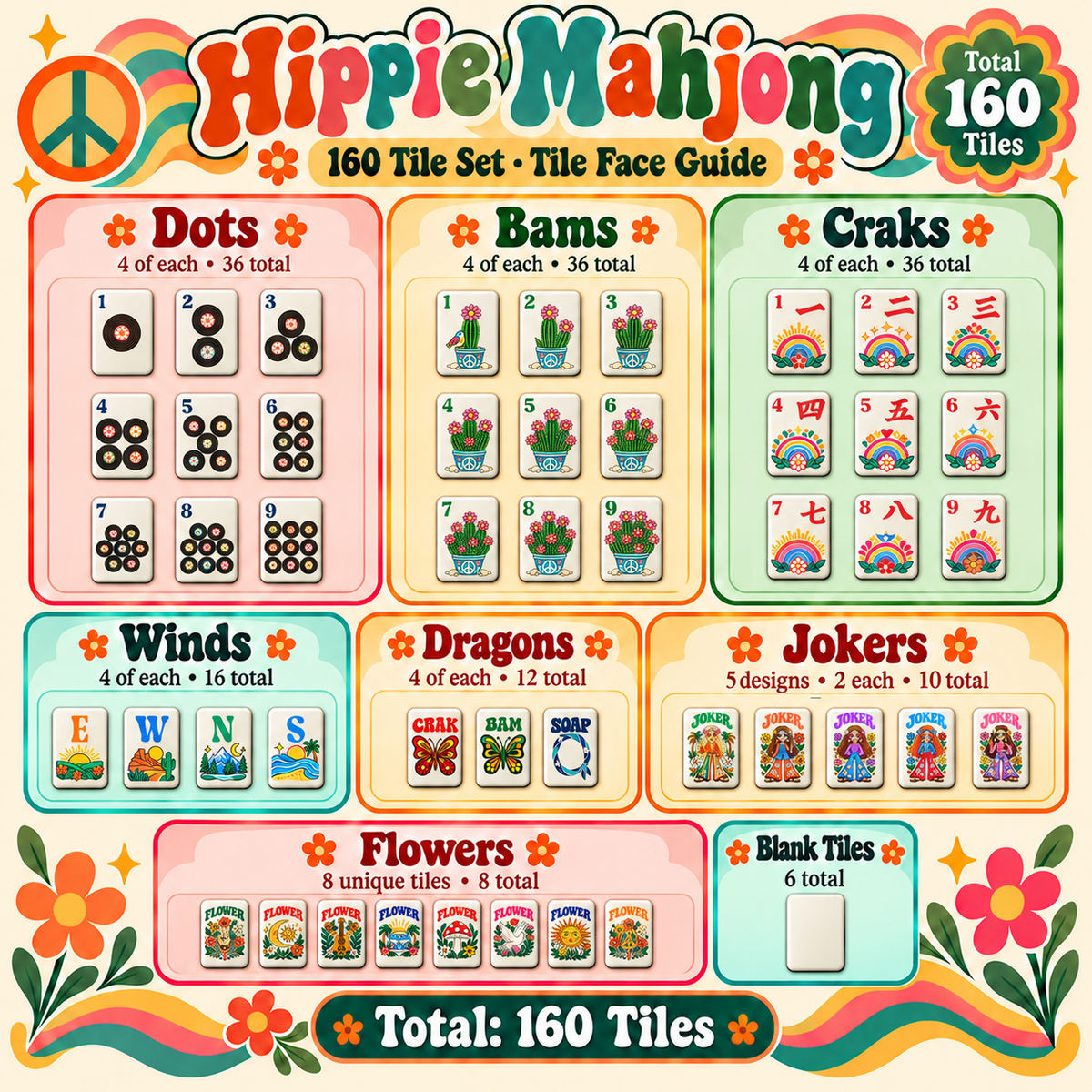
Scottsdale mahjong tournaments and casual games happen regularly at community centers, country clubs, libraries, and private venues throughout the city. Most tournaments follow American mahjong rules using the National Mah Jongg League card issued each spring. Games typically run 2–4 hours per session; tournaments may span a single day or multiple weekends. To find active groups, search meetup boards, ask at local libraries and senior centers, or contact country clubs—many host weekly games open to members and guests. American mahjong requires exactly 152 tiles plus 8 jokers; our best-selling mahjong sets include everything you need plus a mat and racks. Before joining, confirm the house rules (Charleston style, bonus scoring, joker rules), bring the current year's mahjong card, and consider investing in a proper set and rack with pushers so you're tournament-ready.
Where Do Scottsdale Players Find Regular Games?
Community centers and libraries host open mahjong nights weekly or monthly. Senior centers often run organized leagues with sign-up sheets and skill-level groupings. Country clubs with active membership bases typically have dedicated mahjong rooms and tournament schedules posted online or in member newsletters. Meetup.com lists Scottsdale mahjong groups by skill level and frequency; search "mahjong Scottsdale" to see current weekly and monthly gatherings. Private home games are common too—ask existing players or check Facebook community boards. Most venues charge a small seat fee or are free for members. Before attending, confirm whether play is tournament-style (following the NMJL card strictly) or casual house rules. Start by visiting a beginner group to learn the social rhythm, house rules, and whether the pace suits you.
🀄 Shop best-selling mahjong sets →

What Are the Rules for American Mahjong Tournaments?
American mahjong tournaments use the official National Mah Jongg League card, refreshed each spring with new hand combinations. Players draw 13 tiles, then perform the Charleston—a three-round exchange ritual where three tiles pass left, three pass across, three pass right, then one tile passes left again. This happens before any hand is exposed. Every hand on the card shows a specific pattern: pungs (three identical tiles), kongs (four identical), quints (five), sextets (six), or pairs. You cannot build sequences (1-2-3); only identical-tile groupings count. Jokers work differently in American mahjong—they substitute for any tile except a single tile or a pair, and you must declare which tile each joker replaces. Tournaments score wins by points, often awarding bonuses for early wins or special patterns. Most house rules permit one discard per turn and require a player to announce "Mahjong!" when they complete a hand. Verify house rules (joker redemption penalties, dead tile limits, bonus thresholds) before your first session.
How Do I Prepare My Equipment for Tournament Play?
Serious Scottsdale players bring a full setup: a 160-tile acrylic set with pushers and racks so tiles don't slip, a padded mat to protect the playing surface and muffle noise, a sturdy bag or case for transport, and a current-year NMJL card. A mahjong mat with racks included keeps your hand organized and visible only to you—essential for tournament etiquette. Acrylic tiles are durable and feel professional; bamboo and bone sets are beautiful but heavier and quieter, which some players prefer. Racks with pushers let you draw and organize tiles one-handed, a skill that speeds up play. A travel bag or case protects your set during transport and shows you take the game seriously. Before your first tournament, play three to five casual games with your own set so you're comfortable with its weight, tile clarity, and the rhythm of the racks.
Preparation Item | Why It Matters | When to Invest |
160-tile acrylic set | Durable, tournament-standard, easy to read | Before your first game |
Racks with pushers | Keeps hand hidden, speeds tile management | Before tournament play |
Padded mat | Protects table, reduces noise, organizes play zones | For home games and venues |
Travel bag/case | Protects investment, shows professionalism | If attending multiple venues |
Current NMJL card (spring edition) | Required to validate hands; changes yearly | Every March–April |
Pen & paper for scoring | Tracks round winners, bonus points | Bring to every session |
🎁 See our most-loved mahjong sets & accessories →
What Should You Know About House Rules and Scoring?
Every Scottsdale venue has house rules—sometimes written, often just agreed among regular players. Ask about these before your first game: Does the group use standard Charleston or a variant? Are wall breaks always random? Do players who declare Mahjong incorrectly lose points? Can jokers be redeemed (bought back) after they're drawn, and at what cost? How are bonus points awarded (for going out first, for specific patterns, for limit hands)? Are there penalties for slow play or tile mistakes? Scoring in American mahjong counts points for each player based on whether you won or paid, the pattern you completed, and any bonuses. Games are scored by individual round; a full session is usually 4–8 rounds. The player with the highest total after all rounds wins. Some venues use a scoring sheet or app; others calculate by hand. Understanding scoring before you play helps you negotiate payment fairly. Ask for a practice round if you're new to a venue.

How Do You Balance Casual Play with Tournament Prep?
Start attending weekly casual games three months before a tournament to build stamina and learn local playing styles. Casual play lets you make mistakes without pressure and ask questions freely. Focus on mastering how to read the mahjong card so hand recognition becomes automatic. Practice the Charleston until you can pass tiles smoothly without hesitation. Time yourself: good players draw and organize new tiles in under 10 seconds. Play against different opponents to see varied strategies—aggressive players discard differently than conservative ones. Record hands you see or struggle to recognize so you can study them at home. Two weeks before a tournament, attend at least one game at the actual venue if possible, so you're comfortable with the table setup, lighting, and rule variations. The night before, review the current NMJL card for 30 minutes, focusing on hands you find hardest to spot. Arrive early on tournament day to acclimate and ask the coordinator about specific house variations.
✨ Find your Mahstead set — free US shipping →
What Common Mistakes Should You Avoid?
Forgetting the current year's NMJL card is the most common mistake—tournament organizers won't let you play without it. Showing up without your own tiles or racks forces you to use unfamiliar equipment under pressure; experienced players always bring their own set. Misunderstanding the Charleston leads to delays and confusion; watch an experienced group do it at least once before participating. Declaring Mahjong before you've actually completed a valid hand costs you a full hand's points—take five seconds to verify before announcing. Complaining about luck or table position marks you as a beginner; tournaments are governed by rules, not fairness narratives. Arriving late disrupts the group and wastes everyone's time. Using your phone or talking at the table distracts players and is considered rude in competitive settings. Not knowing how jokers are used in American mahjong will confuse you when others use them—they substitute for any tile except a single or pair, and each joker's replacement must be declared. Study the rules in writing before your first session; don't rely on table explanations during play.
What to Check Before You Buy Equipment
Set completeness: Ensure your set has exactly 152 playing tiles plus spare tiles. Count the tiles by suit: three suits (Bams, Craks, Dots) × nine numbers × four copies each = 108 tiles; 16 winds (four of each direction) + 12 dragons + 8 flowers + 8 jokers = 44 more. That's 152 tiles in play. Spare tiles come with your set but never enter the game.
Rack fit: Your racks must fit the tile size exactly. Larger tiles (often acrylic) require bigger racks. Test with a few tiles before committing.
Mat durability: A mat used 2–3 times weekly needs thick padding (¼-inch or more) and non-slip backing so it stays put on smooth tables.
Bag protection: If you're traveling to multiple venues, a padded case prevents tiles from shifting and protects the set's finish.
Card currency: The NMJL card is issued every spring. Always carry the current year's edition—old cards have different hands and tournaments won't accept them.

FAQ
Where can I find Scottsdale mahjong groups that accept beginners?
Start with community center mahjong classes, library meetup boards, and Meetup.com filtered for "mahjong Scottsdale, beginner." Senior centers offer skill-specific groups. Call venues to ask about new-player nights before attending.
What is the Charleston and why does it matter in tournaments?
The Charleston is a mandatory tile-passing ritual before any hand is revealed. Three tiles pass left, three pass right, three pass left again (or variants). It randomizes your draw and prevents collusion, making it tournament-standard.
Do I need to own a mahjong set to play in Scottsdale tournaments?
Most venues provide sets, but owning your own demonstrates commitment and ensures you're familiar with your tiles' weight and clarity. Serious players bring acrylic sets with pushers and racks for speed and etiquette.
How much does it cost to join a Scottsdale mahjong tournament?
Costs vary by venue and event type. Community center classes may charge per session or per month. Casual home games typically charge a small seat fee or are free. Tournament entry fees depend on the organizer; contact venues directly for specific amounts.
What happens if I declare Mahjong but my hand isn't valid?
In most Scottsdale house rules, you lose a full hand's worth of points and your turn passes to the next player. The penalty reinforces the importance of verifying your hand against the card before announcing.
Can I use a joker as a pair in American mahjong?
No. Jokers substitute for any tile in a pung, kong, or longer grouping, but never as a single tile or a pair. Jokers are never legal in pairs—this is a strict American mahjong rule.
Should I hire a tutor before my first tournament?
A few casual games with experienced players are usually enough to learn the basics. If you've played fewer than five full games, consider one or two practice sessions with a patient player before entering a tournament.


View More
View More
View More
