
2026 Mahjong Card Tips for Beginners: Read Hands Fast
Last updated: Nov 20, 2026
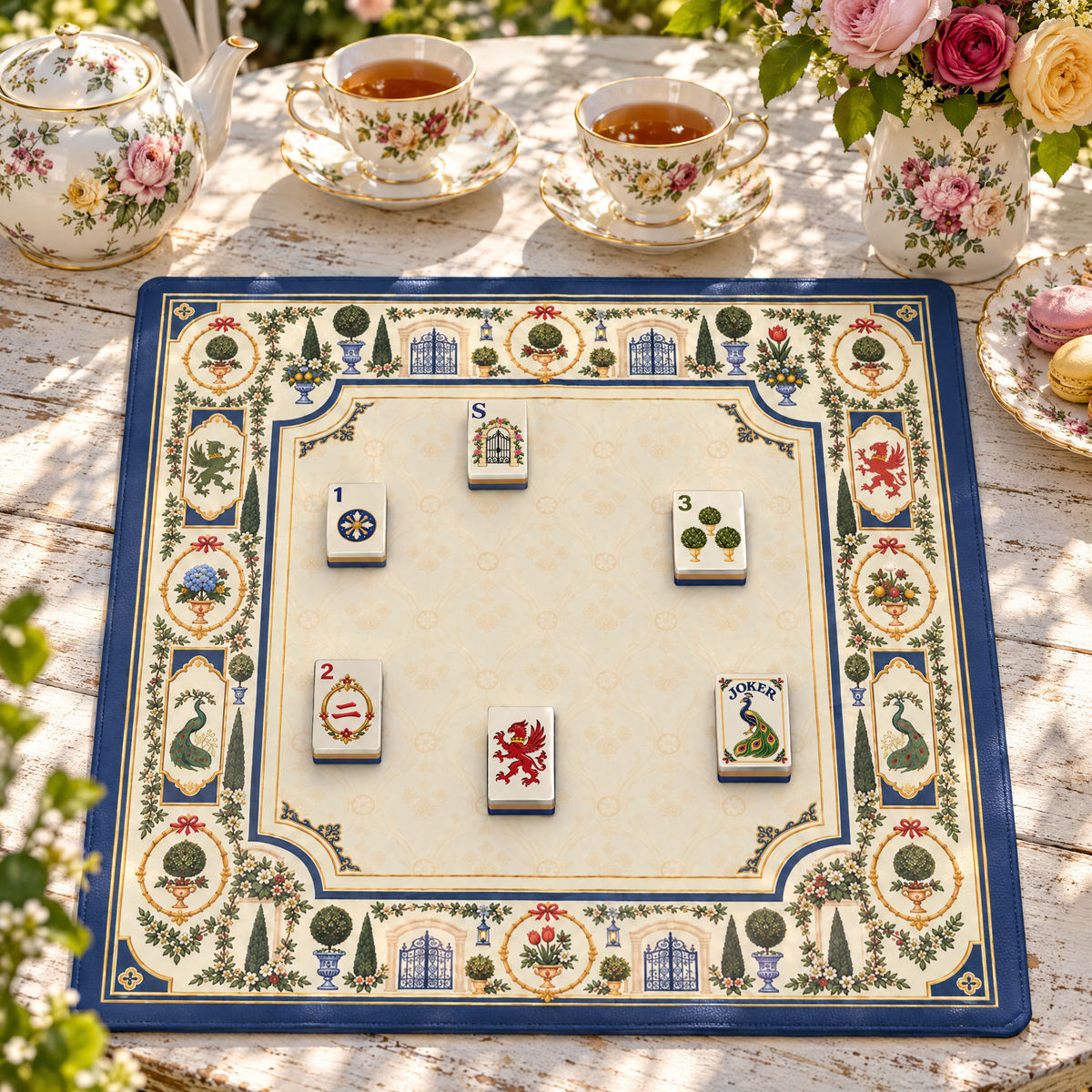
The American mahjong card (issued every spring by the National Mah Jongg League) shows all legal hands for that year—and only those hands win. It's organized into sections by hand type (pungs, kongs, exposable melds, even joker rules), with each line showing tile combinations using abbreviations: numbers 1–9 for pip tiles, letters for winds and dragons, and symbols for flowers. Read left to right; a hand must match exactly, including tile count and joker placement. The card changes annually, so buy the 2026 version before your first game. Begin by learning the top row of each section—simple hands like three matching tiles (a pung)—before tackling complex patterns. Mahstead's best-selling mahjong sets come with enough jokers and tiles to practice any 2026 hand on the card. 🀄 Shop best-selling mahjong sets →
How Is the Mahjong Card Organized?
The 2026 card divides hands into roughly twelve sections, each labeled with a category: "Like Numbers," "Consecutive," "All Alike," "Pair Honors," and so on. Each section stacks hands vertically, easiest at the top, trickier below. The leftmost column always shows the winning tile(s) required to complete the hand. This layout lets you scan quickly: find your tiles, check which section they might belong to, then read down until you find an exact match. Learning one section per practice session beats memorizing the whole card at once. Most beginners master "Like Numbers" and "Consecutive" first because they use common patterns.
What Do the Abbreviations Actually Mean?
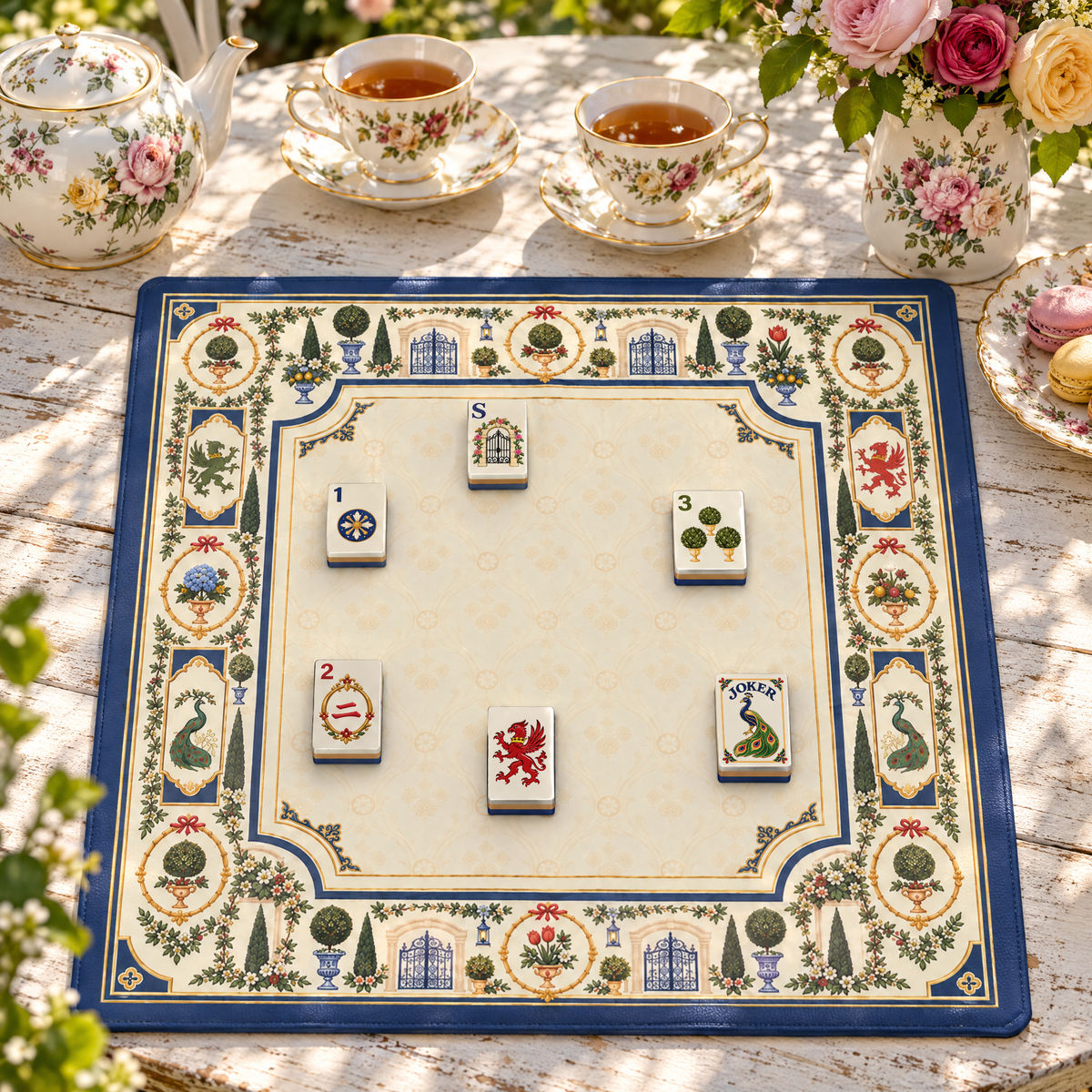
Mahjong notation compresses information: 1-9 = pip tiles (numbered Bams, Craks, Dots), N/E/W/S = winds (North, East, West, South), R/G/W = dragons (Red, Green, White—also called "Soap"), F/C = flowers and seasons, J = joker. On the card, you'll see lines like "1-2-3-4-5-6" (a run of six different numbers), or "3-3-3" (a pung—three identical tiles). A + between groups means you must expose that meld when you win; no + means it stays hidden (concealed). Underlines show pairs; brackets indicate which tiles may substitute as that year's special hand. Study one section's notation for five minutes, then look at actual tiles and match abbreviations to them. You'll build speed fast—most table-ready players decode a new hand in three to five seconds.
What's the Single Biggest Mistake Beginners Make?
Newcomers confuse sequences with pungs or forget that in American mahjong, you cannot call a chow (a sequence like 1-2-3). You can only expose a pung (three identical), a kong (four identical), or a quint/sextet. Also, many assume any three tiles of the same number win—wrong. The card lists exact combinations: three 5 Craks with a 1 Bam pair, for example, must match the card line completely, including joker placement. A second trap: treating jokers as wildcards anywhere. Jokers cannot fill a single tile or a pair—only positions within melds. Before your first game, spend ten minutes on the "Introduction" or "Notes" section at the bottom of the card. It explains that year's exceptions (like whether 2026 has a special hand or alternate winning options).
How Do Jokers Work on the Card?
Jokers are shown on the card with an "X" or a special symbol in the meld position they can occupy. If a hand shows "1-2-3-4-5-6 X," one joker can replace any tile in that sequence. If you see "X X" in a pair space, two jokers fill the pair—but that's rare. Read the hand line carefully: jokers can sit in exposed melds (pungs and kongs you lay down when you win), never in your concealed hand. More critically, if the card says "1-2-3-4-5-6" with no joker notation, you must have five real tiles; jokers don't substitute. Many newcomers flip their card upside down mid-game because they missed this detail. Check our guide on how jokers work for deeper rules on kong-ing and drawing replacements.
What Should You Practice Before Your First Game?
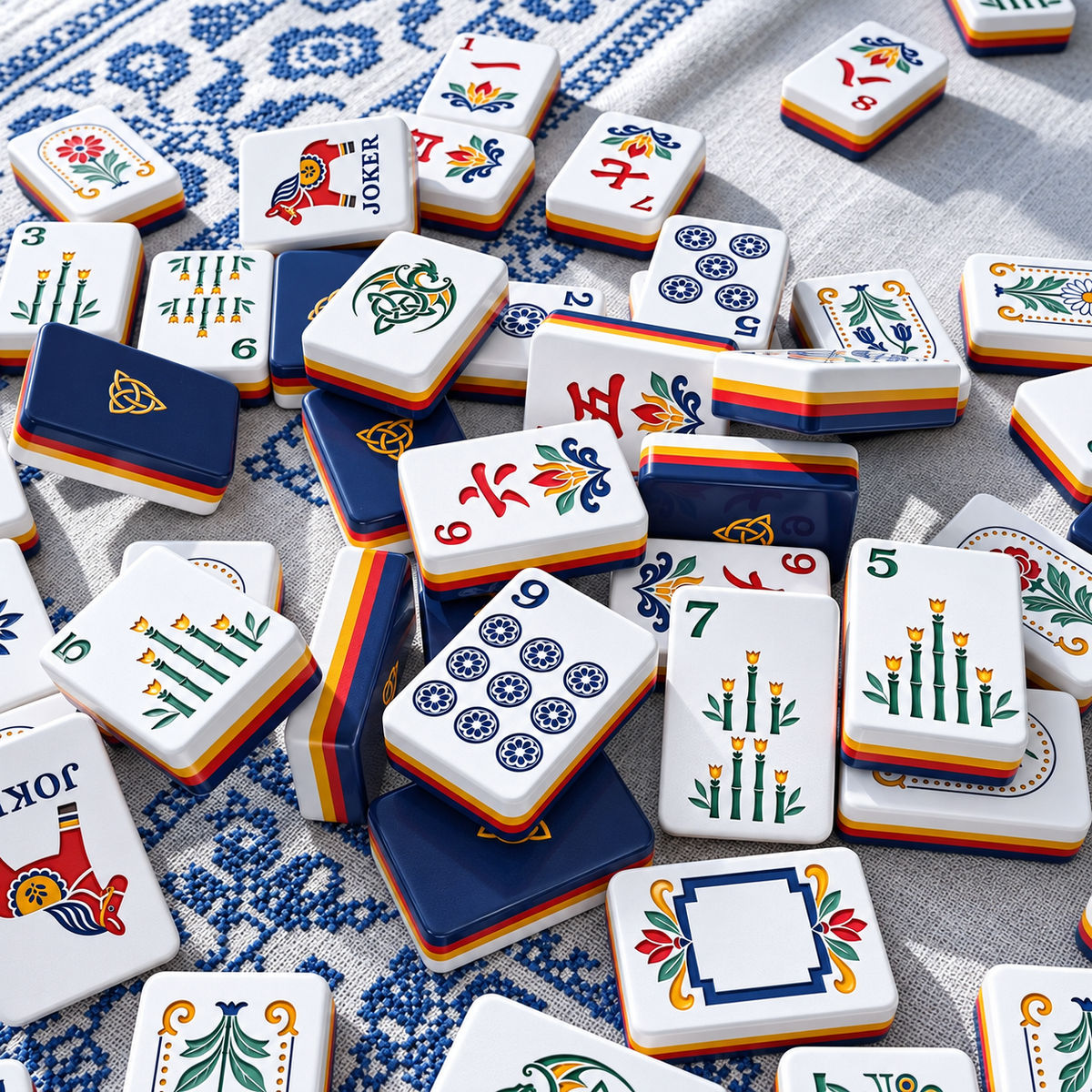
Pick three sections from the 2026 card—usually "Like Numbers" (all tiles the same number), "Pair Honors" (pairs of winds or dragons), and one wild card like "Flowers and Seasons." For each section, read the top five hands out loud, then lay out tiles to match. Ask a friend to call out a random hand from your three sections; time yourself finding it on the card. Most beginners hit three- to four-second response times after one 20-minute practice session. Play a mock hand: draw and discard tiles, practice calling "Mahjong!" when you spot a match on the card. If your group meets weekly, arrive 15 minutes early and drill the card together—everyone learns faster. Keep the card face-up during your first real game; asking "Is this on the card?" shows you're careful, not clueless.
Practice Element | Time Needed | Why It Matters | Next Step |
Learn one section's notation (e.g., "Like Numbers") | 5 min | Builds muscle memory for abbreviations | Drill aloud with real tiles |
Lay out three completed hands on the table | 10 min | Matches card text to physical tiles | Play a mock turn |
Time yourself finding hands a friend calls | 15 min | Simulates real-game pressure | Join a game with one section focus |
Attend pre-game card review with your group | 10–15 min | Group questions + peer feedback | Play confident in your first full game |
🎁 See our most-loved mahjong sets & accessories →
How Fast Do Experienced Players Read the Card?
Table-ready players spot a hand and confirm it on the card in two to four seconds. They've internalized the card's structure and abbreviations through weekly play. Your first game will feel slow—that's normal and expected. By week four, you'll cut your lookup time in half. By month three, you'll catch obvious hands before others even announce their tiles. The speed comes from repetition, not innate talent. We've taught absolute beginners to play confidently in one three-hour session, then hold their own at the table by week two. The key: don't memorize the card; instead, learn to navigate it. Scan the category, find your tiles, confirm the match. Once you've drilled one section five times, you'll recognize those patterns without looking.
What Tools Help You Learn Faster?
A laminated copy of the 2026 card prevents coffee spills and lets you dry-erase notes. Many groups keep a card in the center of the table; beginners read it, experienced players barely glance. A mahjong mat with built-in scoring sections gives you a flat, organized workspace, so tiles don't slide around while you're checking the card. Racks with pushers let you arrange and count your tiles cleanly, making it harder to misread what you actually hold. When your tiles are jumbled, you'll misread the card—it's not the card's fault. Consider printed card sleeves or a card holder so you can tilt it without dropping it during a game. We recommend having the card visible and reachable by all four players; it's not "cheating" to ask for the card—it's best practice.
✨ Find your Mahstead set — free US shipping →
Before You Buy a Set, Check This
Confirm the 2026 card is included – Some older stock may list 2025; the card must match the year you're playing.
Verify tile clarity – If abbreviations are faint or embossed tiles are hard to read, learning the card becomes harder. Acrylic engraved tiles with crisp markings are worth the investment.
Count your jokers – A 160-tile set includes spare tiles; confirm you have the eight jokers needed for play, not fewer.
Test the tiles on a flat surface – Warped or uneven tiles slide during play, making the card harder to read when you're arranging your hand.
Read the card rules section first – Before looking at hand patterns, spend three minutes on any "Notes," "Introduction," or "Year 2026 Changes" section. It will save mistakes.
FAQ
Can I use an old mahjong card from 2025 to play in 2026?
No. The hand patterns change annually; the 2026 card is different from 2025. Playing with an outdated card is considered a rule violation. Always purchase the current year's card before your first game.
If I don't have the card memorized, am I a bad player?
Not at all. Professional players keep the card face-up and refer to it constantly. Speed comes with practice, not prior knowledge. Beginners who read carefully beat impatient players who guess.
What does it mean when a hand has an asterisk or special mark next to it?
That symbol signals an exception or note specific to 2026. Always read the bottom legend on the card to learn what each mark means; some hands may have joker restrictions, special pair rules, or seasonal limits.
Can I use the card on my phone instead of printing it?
Yes, but many players find a printed laminated card easier at the table—it doesn't need power, won't glare, and all four players can see it at once. A physical card also prevents fumbling with your phone during play.
How do I know if my hand is "exposed" or "concealed" when reading the card?
The card shows which melds you must lay down (+ symbol or note). Everything else stays hidden in your rack until you declare Mahjong. If you're unsure, ask before you discard; it's not a penalty, it's smart play.


View More
View More
View More
