
2026 Mahjong Card: How to Use the Current Year's Hand List
Last updated: Nov 23, 2026
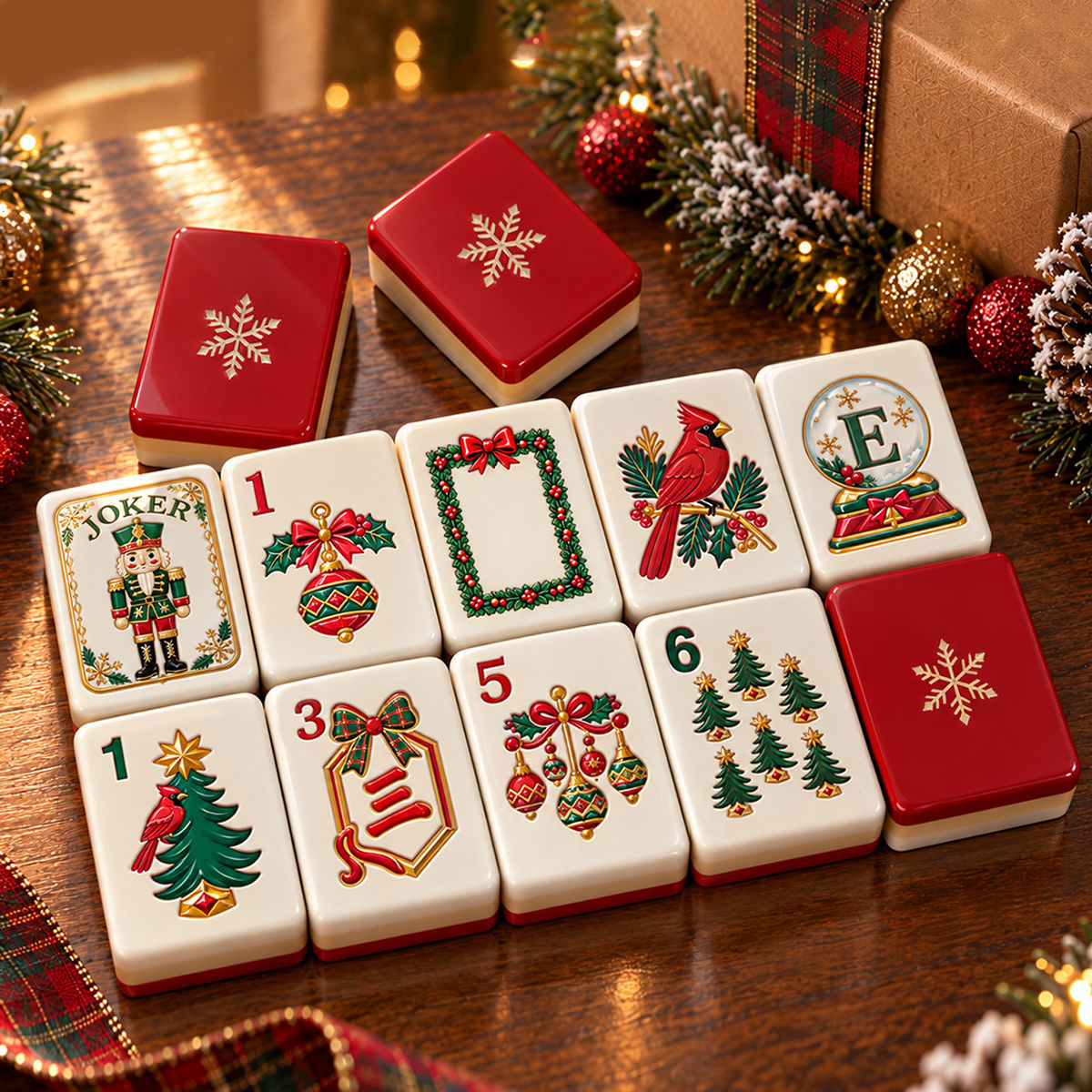
The 2026 mahjong card is the official hand list issued each spring by the National Mah Jongg League. It shows every legal combination of tiles that counts as a winning hand for that year's games. The card is organized into sections by hand type (like "Consecutive Pungs" or "Like Numbers"), with rows representing individual hands. Each row displays the tiles required: numbers, suits, and joker rules. American mahjong is played only with hands from the current year's card—no other combinations win. You can buy the card from the League directly, print it yourself, or use a digital version. It's essential whether you're a casual player or host weekly games; without it, you cannot verify if a hand is legal.
The 2026 National Mah Jongg League card arrived in spring 2026 and is the rulebook for every legal American mahjong hand played this year. We host weekly games at Mahstead, and the card never leaves the table—it's how we settle disputes, teach new players, and confirm winners. If you've just bought your first set or joined a regular group, here's everything you need to know about reading and using the card.
What exactly is on the 2026 card?
The card displays roughly 88 winning hand combinations organized into categories like "Consecutive Pungs," "Like Numbers," "Winds and Dragons," and "Flowers." Each section shows hands for different year-round challenges: some hands require flowers, others specify a particular wind or dragon. Every row lists the exact tile composition, number of jokers allowed, and any special rules for that hand. The card is printed on a large format (roughly 11×17 inches folded into quarters) and is color-coded by section for quick scanning. You can learn how to read the card in detail here.

Where do I get the 2026 card?
The National Mah Jongg League publishes the card each spring and sells it through their official website and partner retailers. Many community centers, libraries, and mahjong clubs stock printed copies for members. You can also download a digital PDF version and display it on a tablet or print it yourself at home. If you're hosting games, having at least one laminated physical copy prevents wear and keeps it accessible during play—water and tile dust are inevitable at a mahjong table.
🀄 Shop best-selling mahjong sets →
How do I find a specific hand on the card?
Finding a hand requires scanning the card by its structure. First, count the tiles in your collection: How many are identical? If you have three of the same tile, you're likely building a pung. If four, a kong. Once you know your tile groups (pungs, kongs, quints, sextets, or pairs), identify the pattern type: Are they consecutive? Same suit? Mixed winds and dragons? Then look in the matching card section. Most players develop speed: experienced players scan a section in under 30 seconds. Our weekly group keeps the card folded to the most-played sections and rotates through them as hands develop. If you get stuck, ask the table—mahjong is a social game, and helping someone read the card is normal.
What if my hand doesn't match anything on the card?
This is the most common beginner mistake. A hand that doesn't appear on the 2026 card is not a legal win, even if it looks logical to you. American mahjong is strict: only hands listed on that year's card count. If your tiles form a pretty pattern but it's not there, the hand is dead. This is where the card's authority prevents arguments. We've seen players confidently claim a hand should be legal, but the card is final. Double-check:
Are you reading the right year's card (2026)?
Did you count jokers correctly? (Jokers can substitute for missing tiles in most hands but follow specific rules per hand.)
Are the suits right? (A 1 Bam, 1 Crak, 1 Dot are three different tiles, not one.)
Does the hand need flowers or a specific wind? (Some hands are restricted to certain conditions.)
If you're still stuck, the hand is not legal. Start over.
🎁 See our most-loved mahjong sets & accessories →
How do jokers work with the card?
The 2026 card specifies how many jokers (wildcards) each hand allows and where they can substitute. Some hands allow up to four jokers; others allow none. A joker can never be used as a single tile or in a pair—only in groups of three or more. If a hand says "0 Jokers," all tiles must be exact; if it says "2 Jokers," you can replace two of your tiles with jokers from the wall. This matters because jokers are visible and everyone sees your substitutions when you expose a pung or kong. For deeper guidance, read how jokers work in American mahjong here.

Can I use an old card from last year?
No. American mahjong rules require the current year's card. Hands change annually, and playing with a 2025 card in 2026 games invalidates the entire hand list. If you're in a formal tournament or league play, using last year's card will disqualify your hand—even if you win. For casual home games, some groups choose to keep playing an old card, but that's a house-rule decision and not the standard. Always confirm which year's card your group uses before sitting down.
What's the best way to keep the card readable during play?
We've tested several methods:
Method | Why it works | When to use |
Laminated 11×17 folded into quarters | Folds compactly, resists moisture, lasts years. | Regular home players. |
Digital copy on tablet | Searchable, zoomable, always current. | Tech-forward groups. |
Multiple printed copies | One per player prevents bottlenecks. | Formal games or teaching. |
Card holders with pushers | Keeps card visible without hands. | Serious weekly players. |
Most of us use a laminated copy that lives in a mahjong bag or case with the set, so it's always ready. Tablets work if your group doesn't mind screen glare and battery life isn't an issue.
How long does it take to learn the card?
Most casual players become proficient in 5–10 games: you learn the section layout, recognize common patterns, and develop a feel for where to look. Expert players scan the card almost instantly. Beginners shouldn't feel rushed—the card is a tool, not a test. Every player at the table should feel comfortable asking for clarification. If you're new to American mahjong, here's how to play.
✨ Find your Mahstead set — free US shipping →
What to check before you buy or use the card
Year printed: Confirm it says 2026 (not 2025 or earlier).
Format: Decide if printed, laminated, or digital suits your group.
Legibility: Check that text and tiles are clear at arm's length.
Storage: Keep it flat or folded in quarters to prevent creasing.
Source: Buy from the National Mah Jongg League or authorized retailers to ensure accuracy.
Group rules: Ask your host which card version and any house rules before your first game.
If you're hosting weekly games and need a complete setup, pairing the 2026 card with quality mahjong tiles, a mat, and racks signals to players that you're serious about the game. A well-organized table—with the card visible, tiles sorted, and everyone knowing the rules—keeps the mood friendly and the pace steady.

FAQ
Can I play American mahjong with a different hand list or my own rules?
Yes, as a home game, but it's no longer "American mahjong"—it's a house variant. The National Mah Jongg League card is the standard; formal tournaments require it. Casual groups can invent their own hands, but doing so means you're not playing by the official rules that connect you to the broader mahjong community.
If I memorize all the hands, do I still need the card?
Not during play, but most of us keep it nearby for disputes and teaching. Memory fails, and the card is the tiebreaker. No one faults you for double-checking.
What if my printed card gets damaged or faded?
Buy a new one from the League or print another copy from their PDF. Keep a backup digital version on your phone.
Is the 2026 card the same layout as 2025?
The overall structure is similar, but hands change yearly. Sections, patterns, and joker rules shift. Do not swap them.
Do other mahjong variants (Chinese, Hong Kong, Riichi) use the National Mah Jongg League card?
No. Those games have entirely different hand systems and rules. The League card is only for American mahjong. If you play another variant, ask your teacher or group for that variant's reference material.


View More
View More
View More
